Hurricane prep: How to weather the storm in Georgia
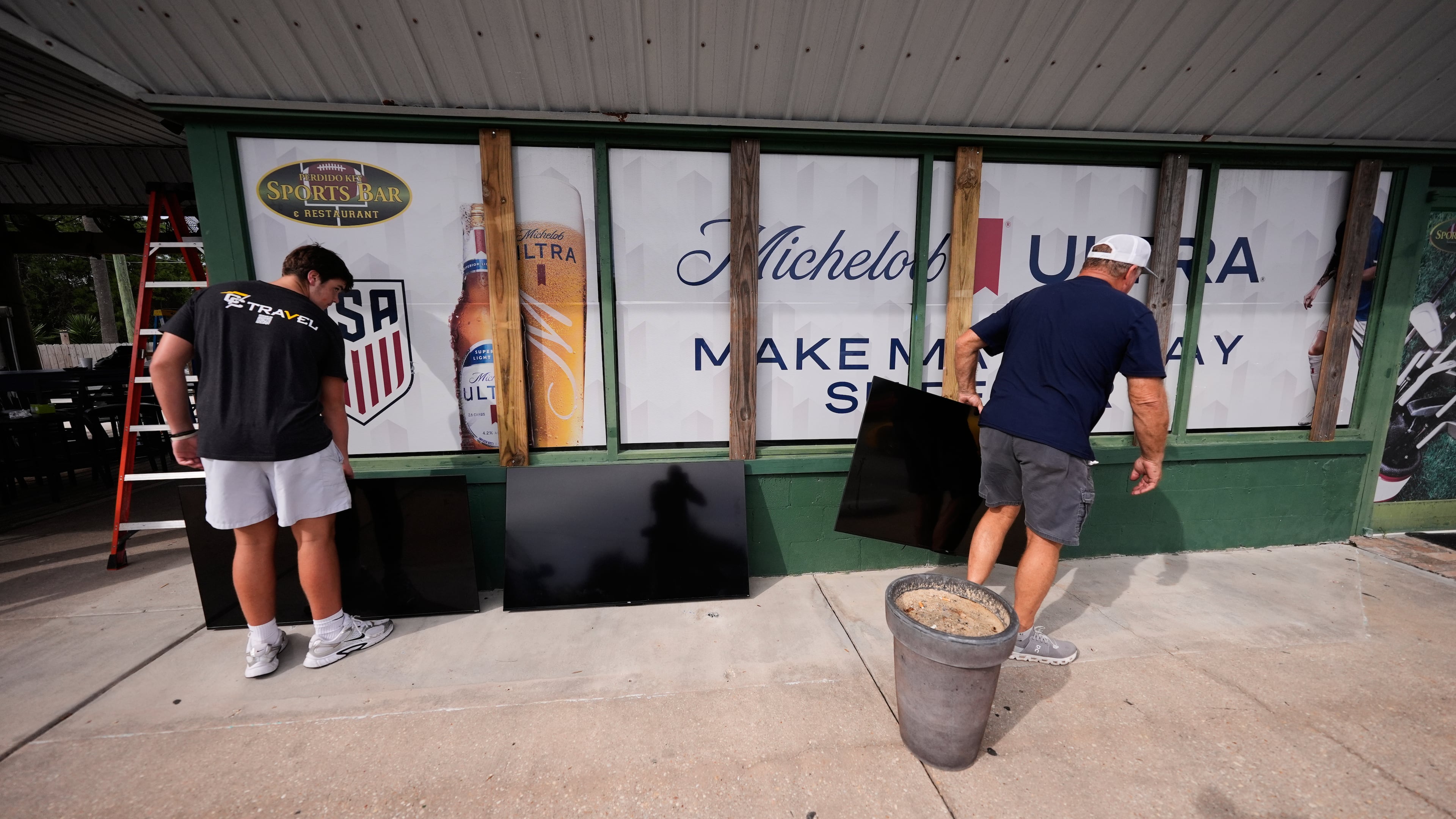


For the latest updates on Hurricane Isaias, follow AJC’s coverage here.
Georgia is bracing for impacts from Isaias. Here’s how to prepare for the potential for high winds, flood risks and heavy rain.
How to prepare
Charge your devices. As with tornadoes — or any severe weather outbreak — make sure your devices are fully charged and have battery backups.
Store or secure any outdoor objects, such as patio furniture, trash cans or grills. They can become deadly missiles during high winds. Move outdoor furniture and valuables to higher ground before flooding.
Gather supplies you may need if the power were to go out for an extended period or if flooding were to happen. Those supplies should include a week’s worth of nonperishable food, water and medicine for each person in your household, as well as extra cash, a battery-powered radio and flashlights. Getting a crank- or solar-powered charger for your cellphone wouldn’t be a bad idea, either.
Check your homeowner’s insurance and make sure you have enough coverage should you need to repair or even replace your home. This is important because standard homeowners insurance typically does not cover flooding. That is a separate policy, and there is often a 30-day waiting period.
Make a plan. Determine an emergency evacuation route and make sure you have a written list of emergency contacts. Don’t forget an inventory of any valuables, complete with serial numbers, in case you need it for insurance purposes.
Monitor the storm and listen to your local radio and television stations for the latest updates.
And check on your neighbors. Creating a neighborhood evacuation plan wouldn’t hurt.