Alpharetta bans e-scooters, becoming first in North Fulton to do so
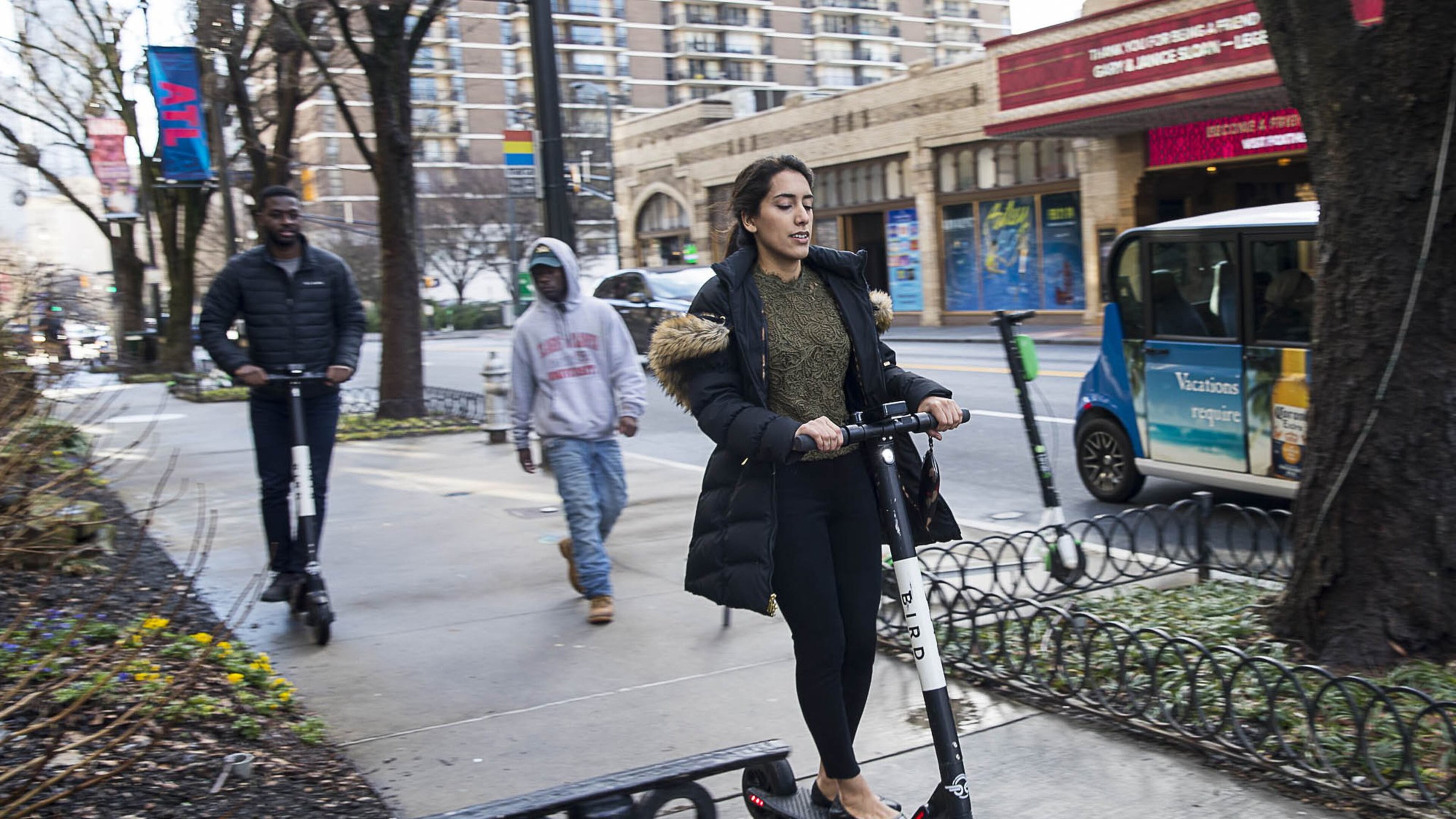

Alpharetta took the preemptive move Monday night and banned dockless electronic scooters.
The city of more than 66,000 residents is the first to do so in North Fulton County.
Minutes show that the vote was 5-0; two council members were absent who had previously voted to approve the ban.
The city of Lilburn on Monday night passed a 12-month ban on the devices. But Alpharetta joins Marietta and Woodstock in having outright bans.
READ | Which metro Atlanta cities have banned e-scooters?
Generally, there are no scooters in Alpharetta. And the city is more than 20 miles away from where most of the state’s scooters are deployed: Midtown.
A year and a half ago, Midtown sidewalks were flooded with these scooters, forcing Atlanta politicians to create new regulations.
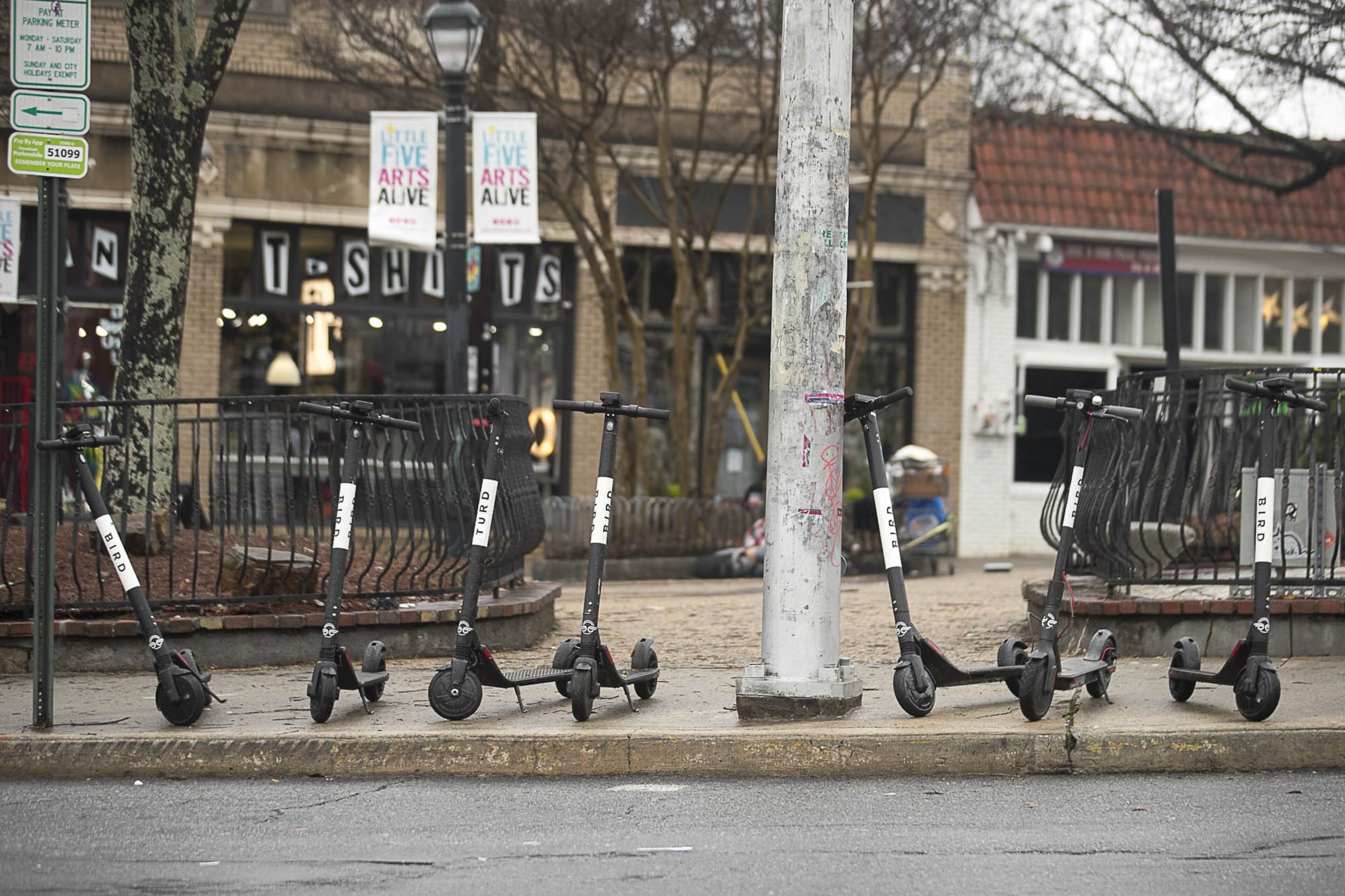
Many cities are left with the task of figuring out how to handle the devices after a pair of bills set to regulate e-scooters across the state was parked during this legislative session so lawmakers could negotiate more with the scooter companies.
Officials across the metro area say they don’t like how the scooters can be seemingly left anywhere, cluttering sidewalks and disrupting planned traffic flows.
READ | North Fulton prepares for e-scooters, but do they need to?
The Alpharetta city staff's report said the rollout model for some companies "is to simply place a large volume of them in a community without notice, betting that riders will encourage elected officials to change city infrastructure and enact regulations to ensure the devices become an essential part of transportation."
Not all companies say they adhere to that practice.
Alpharetta’s elected leaders said they want to innovate to make traffic in the city better, they were worried about the safety of battery-powered scooters.
READ | AJC Deja News: Scooters invade downtown Atlanta (1916)
Staff mentioned that Georgia's largest hospital, Grady Memorial, estimates it receives 80 to 100 scooter-related injuries a month that range from head injuries to broken limbs. People are getting hurt across the country; the Centers for Disease Control and Prevention is studying scooter injuries in Austin, Texas.
"While these devices may have some potential to assist in 'last mile' transportation, they can also pose risks to public safety, become hazards or block sidewalks, or even pose questions relative to personal privacy and data sharing," according to minutes from the Monday meeting.
Like North Fulton County News Now on Facebook | Follow on Twitter