Georgia News
Hurricane safety: 10 tips to stay safe when returning home after a storm




1/36
Credit: Ben Gray for the Atlanta Journal-Constitution
Peachtree Creek spills over its banks in Atlanta on Friday, Sept. 27, 2024 following a night of heavy rain from Hurricane Helene. Northside Drive NW is seen at the top of the photo. Ben Gray for the Atlanta Journal-Constitution
By Joy Johnston, Cox Media Group National Content Desk
Updated Sept 27, 2024Much attention is placed on storm preparedness, but the period just after a natural disaster can be particularly dangerous. Weary residents who are eager to return to their homes are at increased risk for a variety of life-threatening situations, including carbon monoxide poisoning, electrocution, mold exposure and food poisoning.
The following tips from the Atlanta-based Centers for Disease Control and Prevention will help keep you and your family safe.
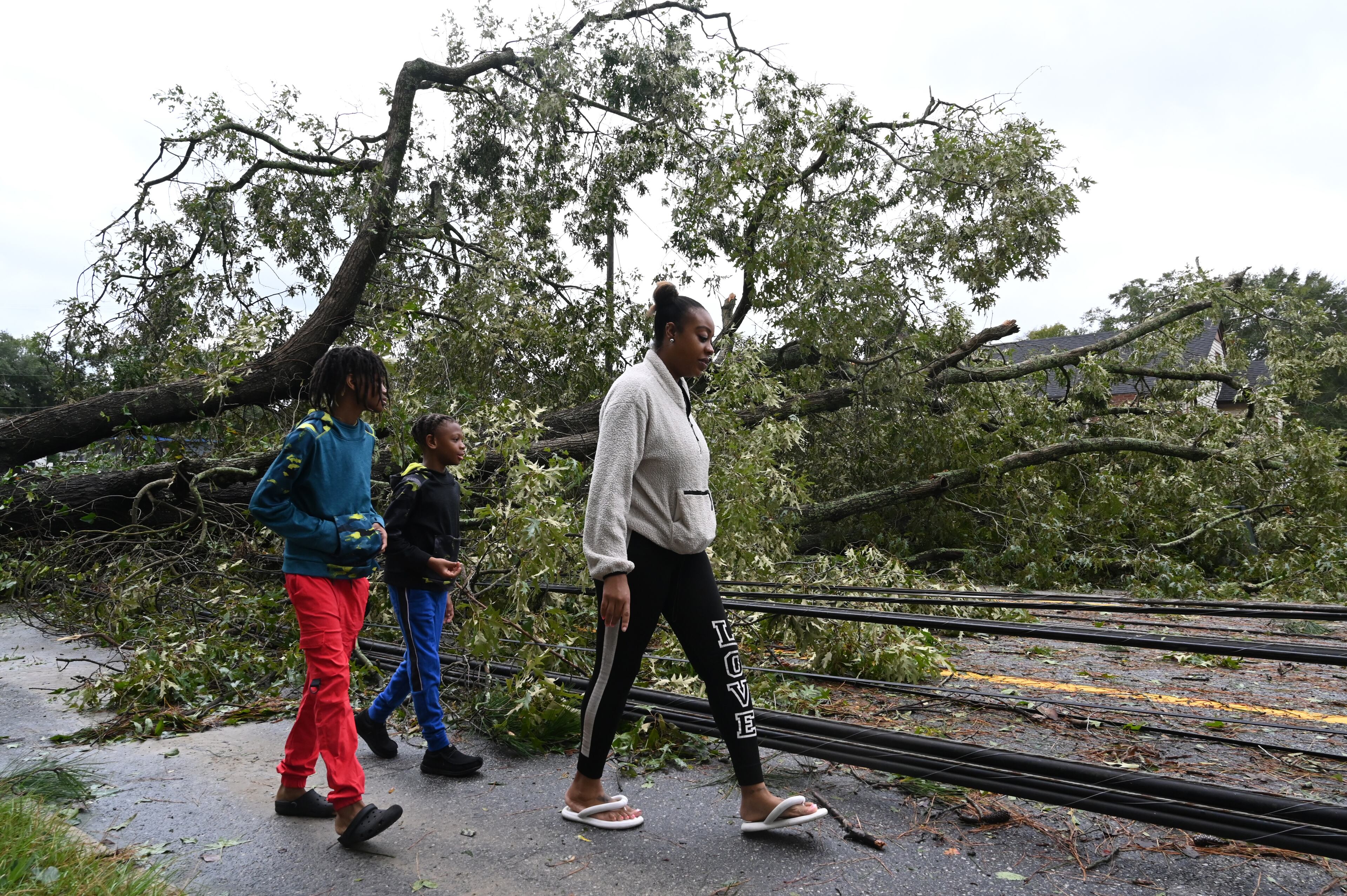
- Be aware of fallen electrical wires and avoid coming in contact with them.
- Don't use any electrical appliance that has become wet, and don't operate an electric tool or appliance while standing in water.
- If you smell gas, leave the premises immediately and call 911.
- Place generators, charcoal grills, camp stoves and other fuel-burning devices outside and away from open doors, windows and air vents to prevent carbon monoxide poisoning.
- Wear waterproof boots and gloves to prevent floodwater from touching your skin. If skin comes in contact with floodwater, clean promptly. For hands, a gel with alcohol in it can be used if clean water is not available.
- It's imperative to act quickly to prevent mold. Fix leaks and remove water-logged items that cannot be saved from the home. When removing mold, never mix bleach and ammonia because the fumes from the mixture can be lethal.
- Until the water supply is declared safe by local officials, use bottled water, disinfect water or boil it before consuming.
- If a boil water advisory is in effect in your area, do not drink tap water or use it to brush your teeth unless water has come to a rolling boil for at least one minute or is treated with unscented household chlorine bleach. To treat water, add one-quarter teaspoon bleach to 1 gallon of cloudy water or one-eighth teaspoon bleach to 1 gallon of clear water. Stir well and let it stand for 30 minutes before you use it.
- Do not eat food that smells bad, looks bad or has come in contact with floodwater.
- Seek prompt medical attention for any injuries suffered during the return home. Wounds that have been exposed to floodwater require immediate medical attention to prevent tetanus and other infections.