
A mini guide to Waffle House: Everything you need to know about the iconic Atlanta chain
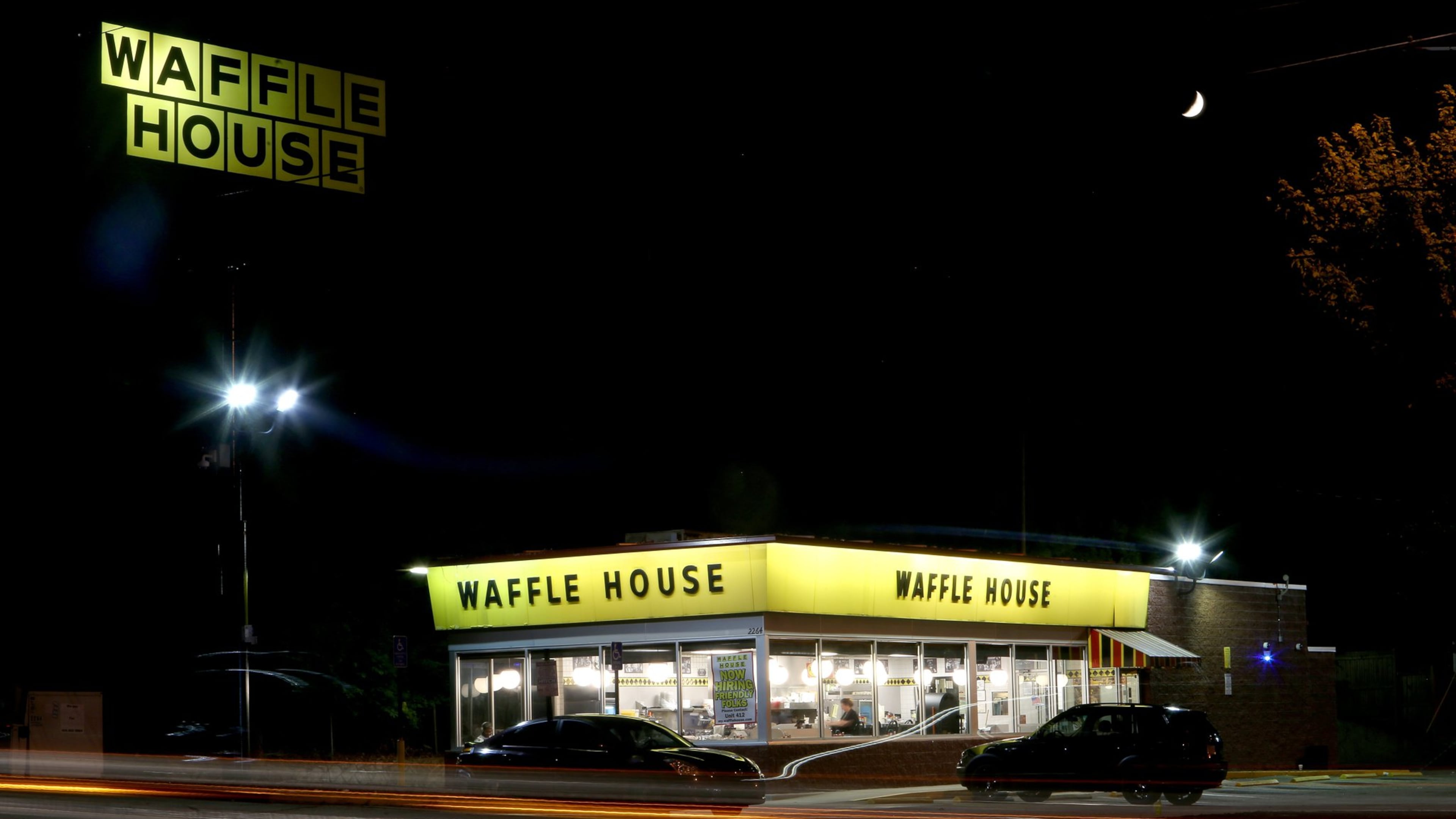
Waffle House is more than a place to fill up on hash browns scattered, smothered and covered, a patty melt or Cheese ‘N Eggs in the wee hours of the morning when sensible people are snoozing. It is part of the fabric of American culture.
What Joe Rogers Sr. and Tom Forkner started in Avondale Estates in 1955 has grown to more than 1,900 units across 25 states. Yet, Waffle House is not just a beacon of hope for the hungry and a gathering space for the masses. The Federal Emergency Management Agency relies on the company's disaster management index to determine the effect of a storm and the assistance required for recovery. If Waffle House is closed, you know things are bad.
In this mini guide to Waffle House, we dive deeper into what makes the 24/7 chain restaurant so endearing to regular folk and the rich and famous alike. You’ll find plenty of fun facts to improve your WaHo IQ. You’ll read about classic menu items and the real people who inspired them, as well as Atlanta chefs so smitten with the restaurant of their youth that they created dishes in homage and put them on their own menus, even getting a cease-and-desist letter in the process.
You may also enjoy: Destination Diners - 33 Georgia diners worth the trip
The Waffle House Museum, the Waffle Records label and its Tunie Awards … This guide, dear readers, is not a tour. It’s a pilgrimage.
- Your guide to Waffle House hash browns
- What makes a Waffle House good? We asked
- You never forget your first Waffle House experience
- These metro Atlanta chefs are Waffle House fans, too
- Waffle House’s record label keeps customers singing original tunes
- Waffle House Museum offers a trip back in time
- Waffle House menu items pay homage to employees
- Waffle House has a record label -- listen to songs like ‘Waffle Do Wop’ and ‘Good Food Fast’ here
- Timeline: Waffle House didn’t cook up an empire overnight
- Waffle House, by the numbers
- 12 things you didn’t know about Waffle House
- Why Waffle House is the best restaurant in Atlanta
- What’s your Waffle House order? Celebs on Super Bowl red carpet answer
- Rhythm and hashbrowns: 10 times Waffle House is mentioned in rap songs
- Why the government turns to Waffle House when tracking emergencies
- An iconic restaurant’s roots are based in Atlanta
- Waffle House: Recipe for Southern success is history
- Waffle House wows food critic Anthony Bourdain
- Waffle House’s design has shoebox shape
- Waffle House sits at the heart of SEC football
- Joe Rogers profile: The cornerstone of Waffle House
- Quiz: What does your Waffle House order say about you?
- A brief history of celebrities eating at Waffle House
PHOTOS
VIDEOS
- 12 things you didn’t know about Waffle House
- Super Bowl 53: What’s your Waffle House order? Celebs on Super Bowl red carpet answer
- Read the AJC Spring Dining Guide: The Atlanta barbecue issue
Read more stories like this by liking Atlanta Restaurant Scene on Facebook, following @ATLDiningNews on Twitter and @ajcdining on Instagram.