5 takeaways from the Georgia governor debate


For one hour Tuesday, Georgia voters got something they likely won’t see again before Election Day: Democrat Keisha Lance Bottoms and Republican Rick Jackson standing side-by-side on a debate stage tackling the biggest divides of the campaign for governor.
And what viewers got was mostly an old-fashioned showdown focused on policy.
The two rivals traded sharp attacks but avoided major stumbles in their first and likely only debate of the campaign, a modified town hall hosted by Atlanta News First that featured questions mostly from undecided voters.
One of the most revealing exchanges came over President Donald Trump.
Bottoms tried several times to tie Jackson to the president, invoking his earlier pledge to be Trump’s “favorite governor” and challenging him over federal cuts that cost Georgia workers their jobs.
Rather than leaning into MAGA themes that dominated his primary campaign, Jackson avoided mentioning the president by name and instead pointed to Gov. Brian Kemp as his model.
He vowed to work with any president but “stand up to anybody” when Georgia’s interests are at stake.
It was a striking shift for a Republican who once made his loyalty to Trump a central part of his campaign.
And it was one of the most dynamic moments in a debate where both candidates landed their share of punches, but neither delivered the sort of knockout blow or damaging mistake that could dramatically alter the race.
Here are some of the main takeaways:
1. Jackson embraces the Kemp model
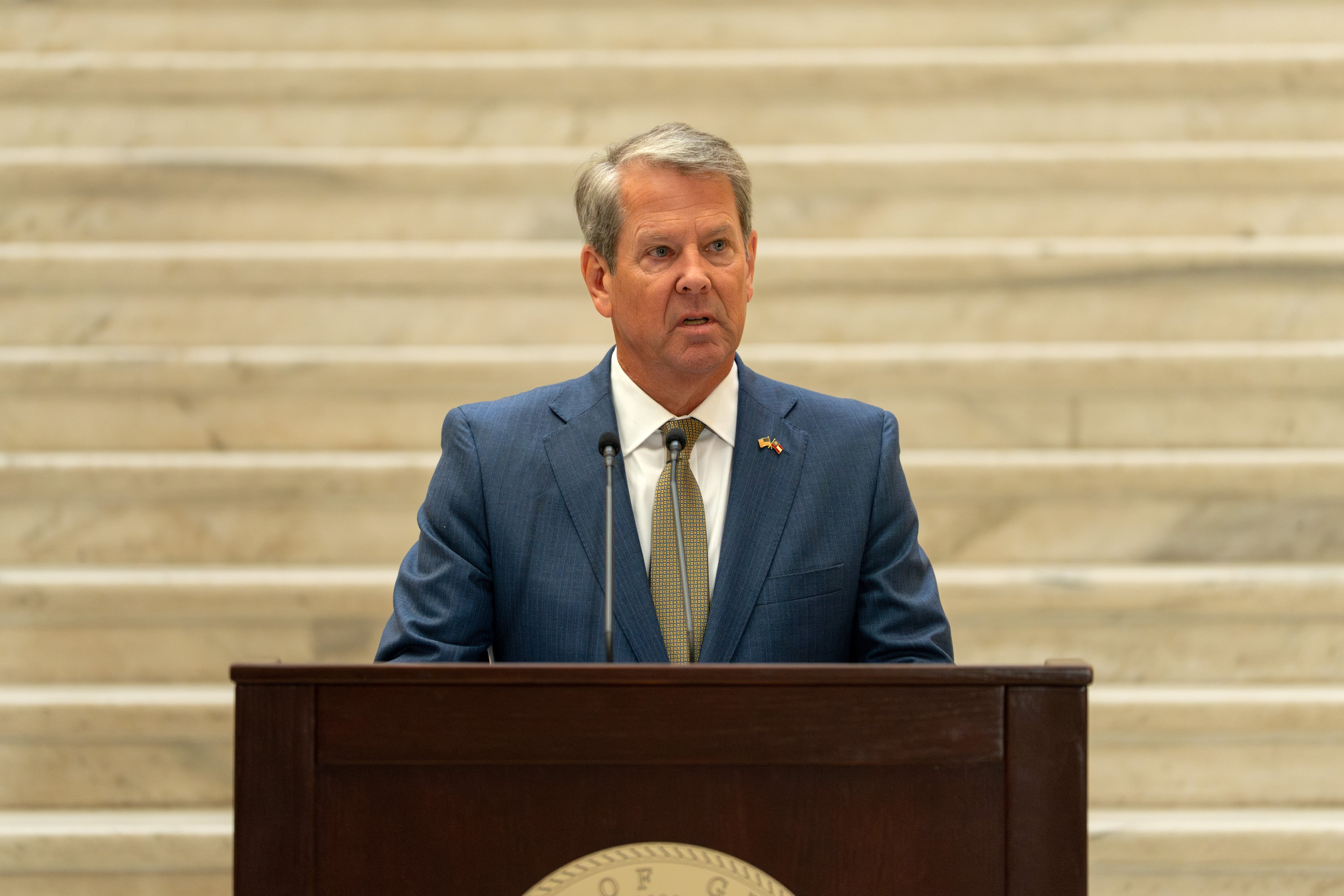
Jackson entered the race promising to be like Trump “with a Southern tone.” He left Tuesday’s debate sounding much more like Kemp.
“I will stand up to anybody, just like Brian Kemp has done,” Jackson said when pressed on Trump’s federal spending cuts that cost many workers their jobs. “He works with both parties, both presidents, and he stands up when he disagrees.”
It was one of the clearest signs yet of Jackson trying to broaden his appeal beyond the MAGA base that helped power him through the Republican primary. And it surfaced more than once.
Asked whether the Justice Department should intervene in Georgia’s election system, Jackson said: “I don’t think it’s necessary unless Gov. Kemp thinks it’s necessary.”
2. Data centers produced one of the sharpest clashes

Few issues produced as much back-and-forth as Georgia’s booming data center industry.
The candidates’ contrasting stances have become a mainstay of the race: Jackson proposes guardrails for the projects, while Bottoms calls for a pause on new data center construction while Georgia develops a broader strategy.
But at Tuesday’s debate, she took a direct shot at Jackson’s financial interests, arguing that his investments in data center developers mean he “cannot be trusted on this.”
Jackson turned the attack back on Bottoms, accusing her of approving a Midtown Atlanta data center project as Atlanta mayor.
“You are what your record says you are, not what you say you want to do,” Jackson said.
3. Both candidates want to expand Medicaid. Their approaches differ.
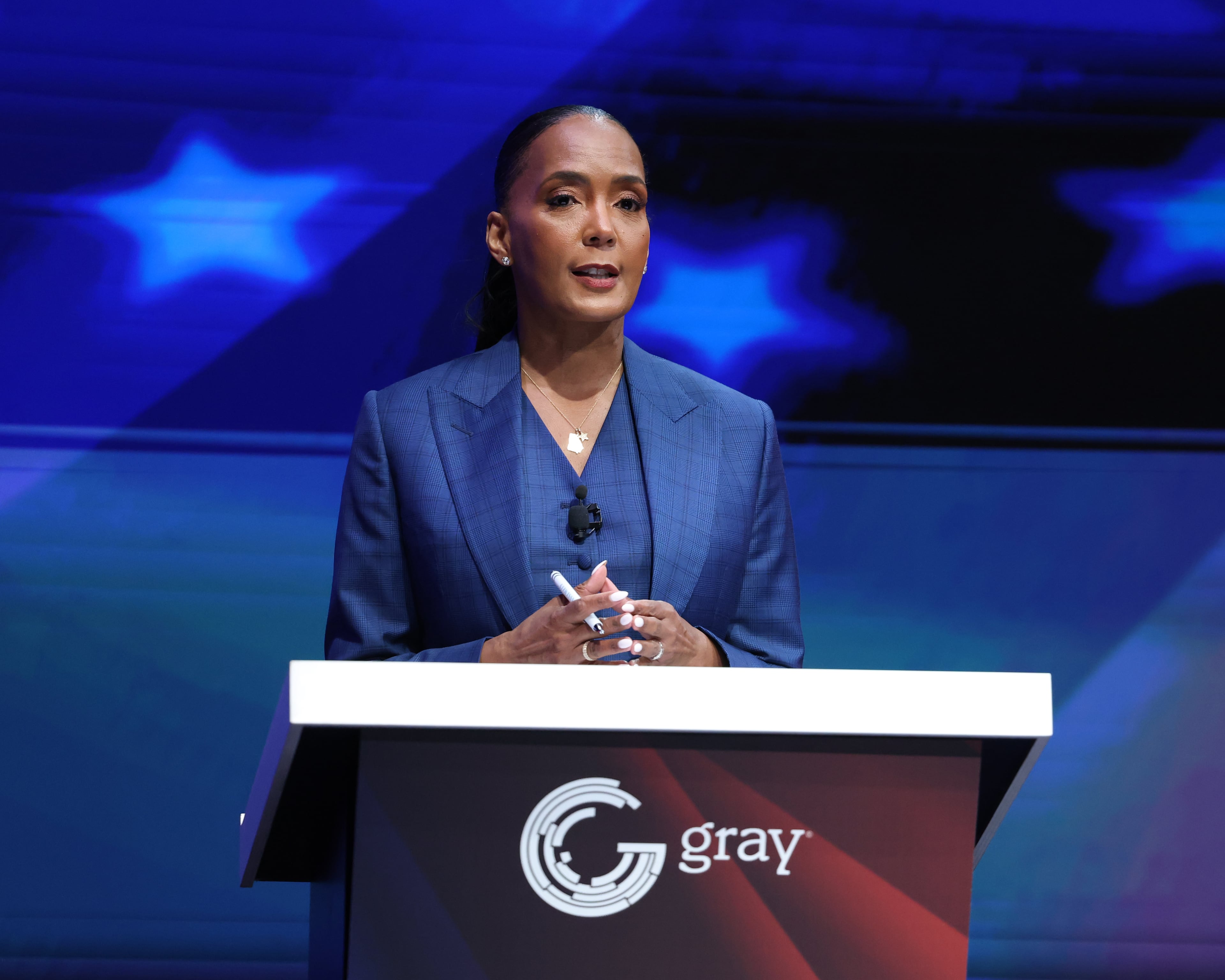
The debate also highlighted how much the politics of Medicaid expansion have shifted.
Every Democratic nominee for Georgia governor since Jason Carter has pledged to fully expand Medicaid, the government-funded health insurance program for people with low incomes. Bottoms is no different.
She called a full Medicaid expansion a “day one priority” and accused Republicans of leaving Georgians exposed for refusing to do it.
Jackson countered with an unequivocal commitment of his own.
“I am going to expand Medicaid to cover everybody,” he said, invoking his call for an “intelligent” expansion that would bring more struggling Georgians onto the program’s rolls. Jackson’s plan would broaden coverage while preserving requirements that recipients must have a job to be eligible for coverage.
4. A divide over how to raise wages
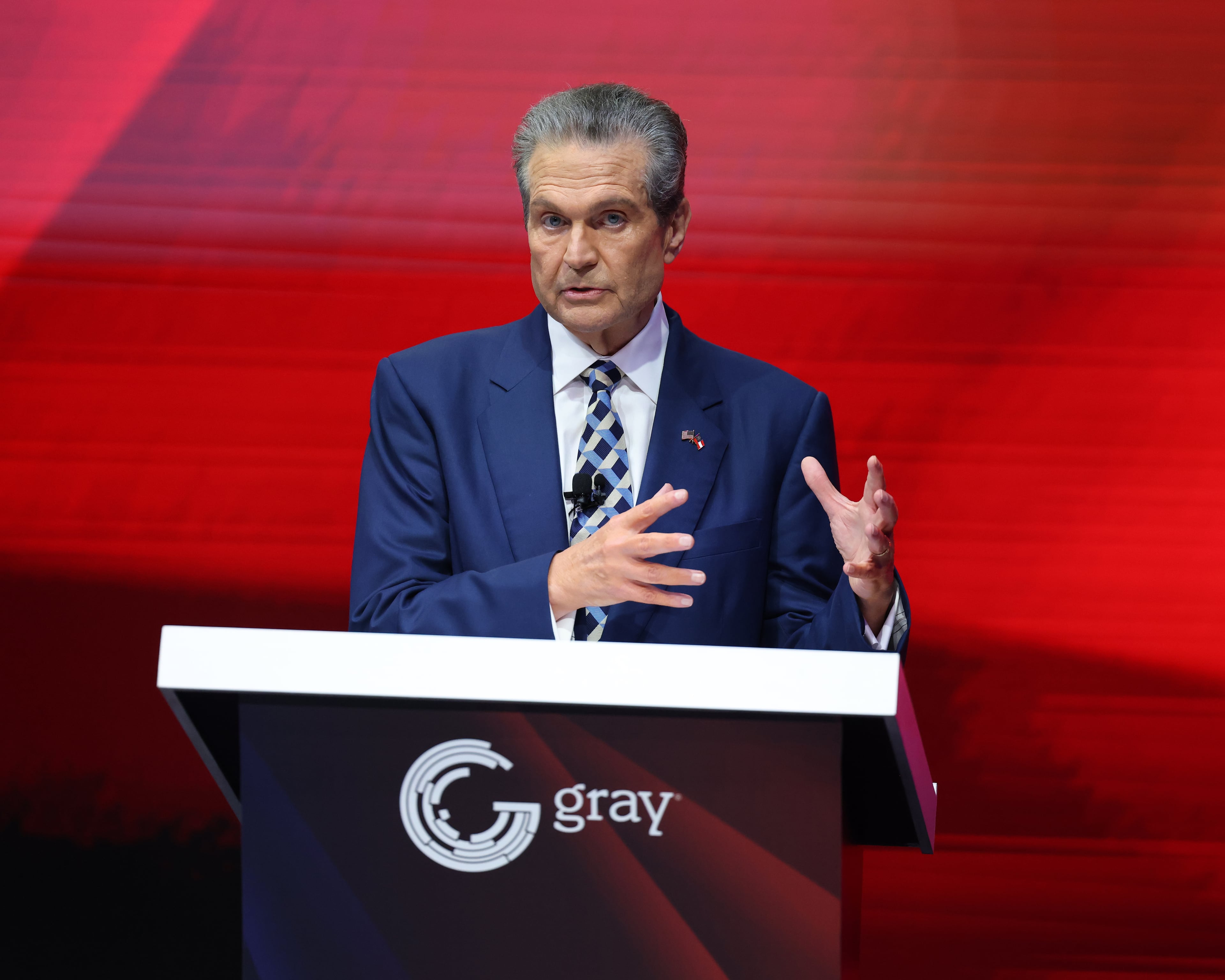
A question from a single mother struggling with the cost of living exposed another policy gulf between the candidates.
Bottoms pointed to Atlanta’s decision to raise pay for city employees to $15 an hour while she was mayor and called for a similar standard statewide.
“That living wage should be applied across this state,” she said.
Jackson focused on his pledge to create better-paying jobs and expand workforce training, without embracing any minimum wage hike.
“I want to show people how to get out of poverty,” Jackson said.
The minimum wage in Georgia is $7.25 per hour, the same as the federal rate. Currently, 30 states and the District of Columbia have imposed higher minimum wages, according to the National Conference of State Legislatures.
5. No knockout. No major mistakes.

Ahead of the debate, GOP strategist Cody Hall described the overriding goal for both candidates in simple terms: survive.
Both did.
The hourlong showdown featured pointed exchanges and plenty of attacks. But neither candidate committed the sort of major gaffe that could overwhelm the rest of the debate.
The unusual format helped keep much of the evening focused on policy. Undecided voters pressed the candidates on the problems they encounter in their own lives, pushing Bottoms and Jackson into extended discussions about some of the major issues defining the campaign.
For a race mostly defined by damaging — and increasingly personal — attack ads and campaign broadsides, it amounted to something almost quaint: two candidates standing next to each other and explaining what they would do as governor.
And with no other showdown on the slate — Jackson has refused at least six other offers — it may be voters’ only chance to see them do it.