How Jon Ossoff turned the tables on Georgia Republicans
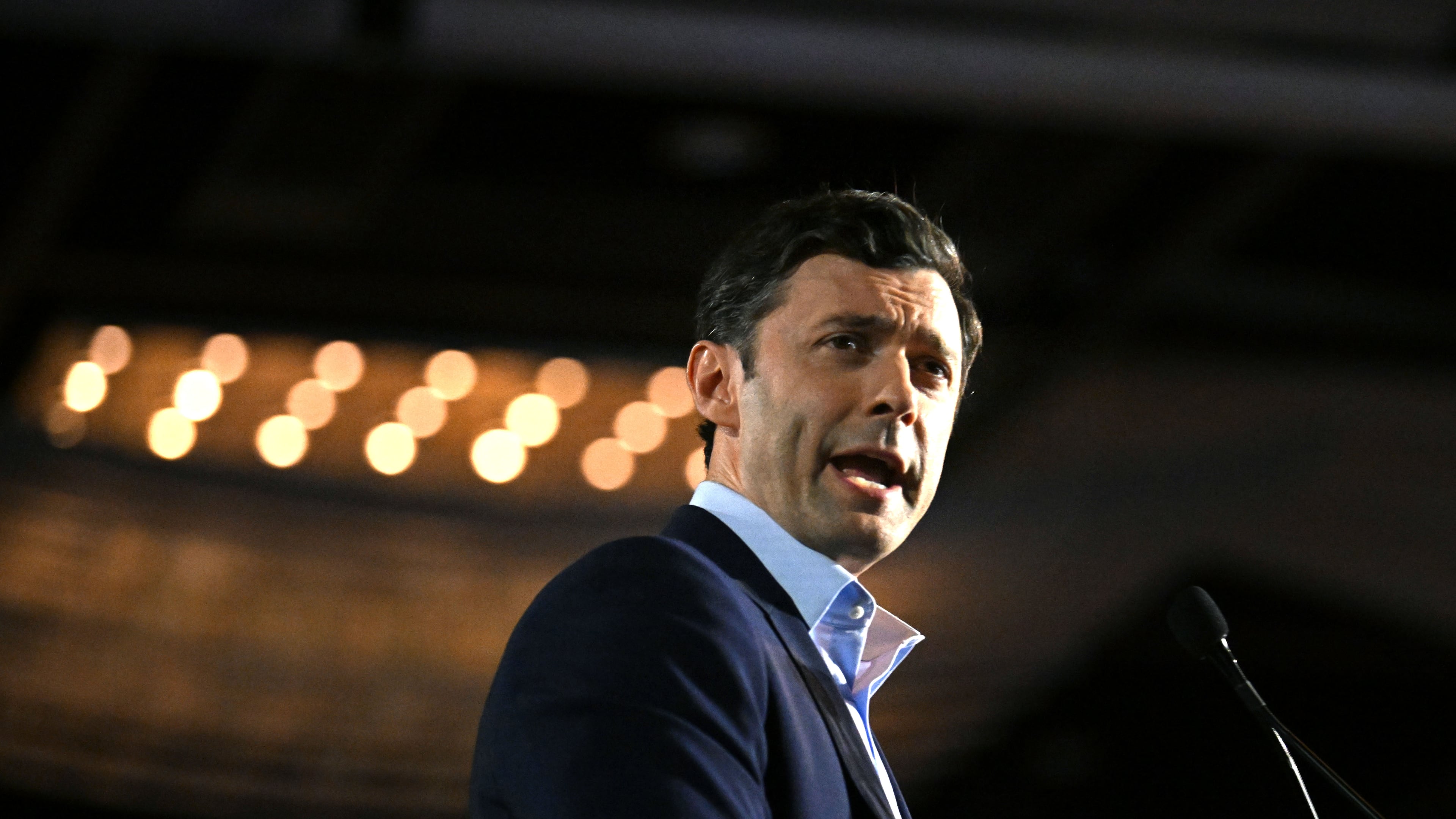

The Republican runoff for U.S. Senate had hardly ended when Democratic incumbent Jon Ossoff gave his senior campaign staff a two-word directive.
“Bury him.”
U.S. Rep. Mike Collins had just won the GOP nomination. But Ossoff had been preparing for this fight long before the votes were counted.
Within minutes, the Democrat branded Collins a “notorious bigot, antisemite, and extremist,” previewing an assault that would dominate the rest of the campaign.
It was the opening salvo in a campaign that ended Tuesday with Ossoff’s landslide victory, a reelection battle that cemented his national standing and added fueled to talk of a 2028 presidential run.
But his transformation from the nation’s most vulnerable Democratic U.S. Senate incumbent to runaway victor was anything but inevitable.
The Atlanta Journal-Constitution spoke to to four people with direct involvement in the campaign’s discussions to piece together a behind the scenes account of how Ossoff and his team spent nearly two years making a series of calculated moves to shape the political battlefield. Some spoke on condition of anonymity because they were not authorized to speak publicly about the campaign.
After Donald Trump won Georgia in 2024, Ossoff helped engineer an overhaul of the state Democratic Party, built a formidable campaign account and invested millions in a statewide political operation.
His team also helped undermine Republican Derek Dooley, the former football coach they viewed as the more formidable opponent, by surfacing damaging research about his voting record and stance on Trump during the GOP primary.
Ossoff and Keisha Lance Bottoms, the Democratic nominee for governor, quickly decided to embrace each other rather than keep their distance, as leading Democrats had done in 2022. It was a gutsy call at a time when the race for governor was a tossup.
And when Collins emerged from the GOP runoff, Ossoff immediately unleashed a relentless barrage of attacks to brand him as unfit for office.
Overhauling the party
Trump’s 2024 victory in Georgia set off a new round of soul-searching for Democrats, and some of the scrutiny quickly fell on U.S. Rep. Nikema Williams, who had been chair of the state party since 2019.
Critics questioned whether she could lead the party while working in Congress, particularly given fundraising restrictions for federal officials.
Ossoff led the push to replace her, telling her that he lacked confidence in her leadership. While some Democrats backed him, others saw it as scapegoating one of the party’s leaders.
As pressure mounted, Democrats made the chairmanship a paid, full-time position and Williams resigned under pressure in March 2025.
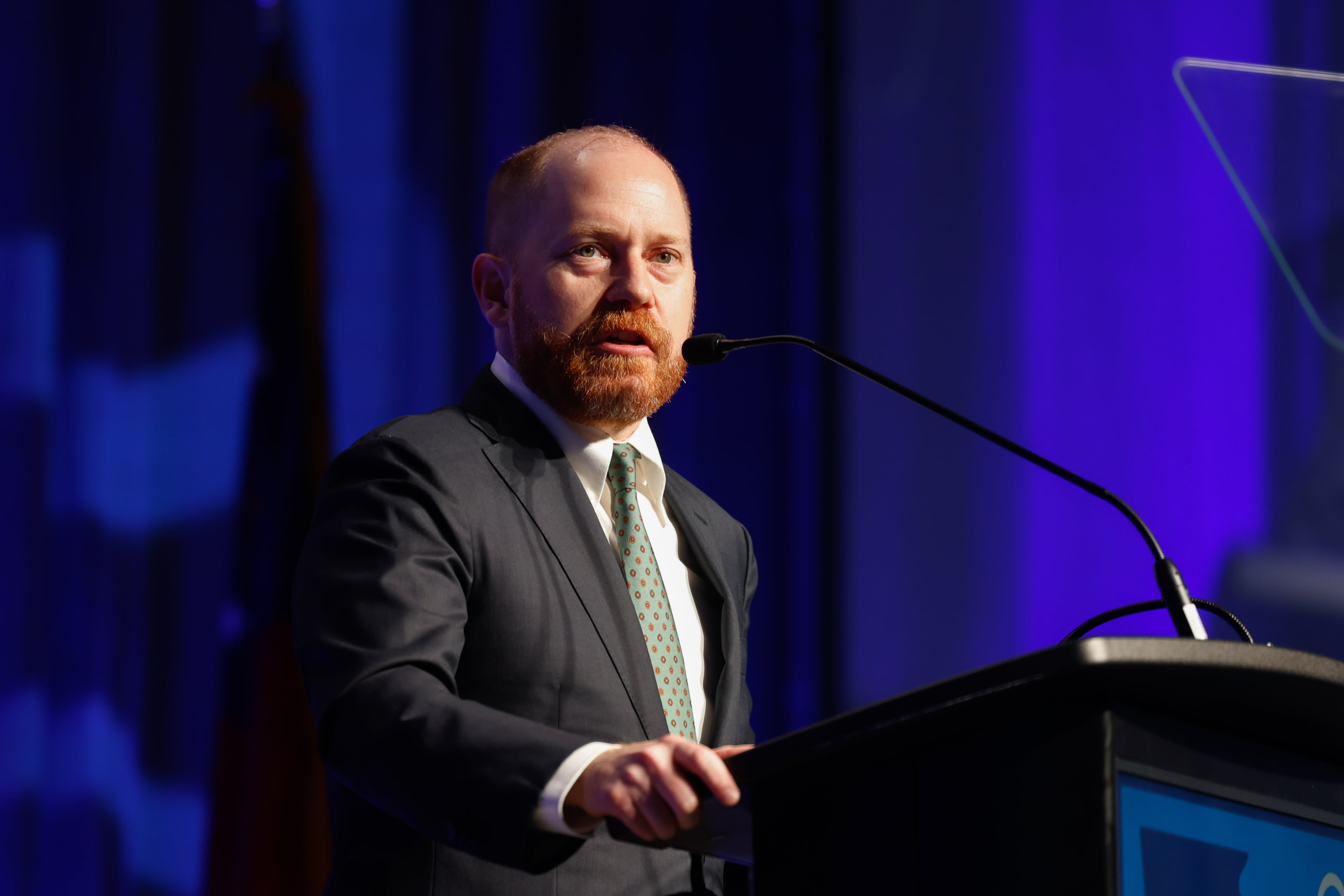
Ossoff backed Charlie Bailey, a blunt-spoken former prosecutor and two-time statewide candidate who rebuilt the party’s opposition research operation, expanded its organizing staff and boosted spending in competitive races.
He also put trusted operatives in key positions. His former political director, Kyle Tromley, took charge of the coordinated campaign, while longtime fundraising aide Caroline Saudek joined the state party.
By the fall, the operation had more than 100 field staffers and 30 offices across Georgia.
And when Democrats swept two Public Service Commission races and flipped a Republican-held state House seat, the upsets gave Ossoff a new template for the political operation he was building for 2026.

Matching the Democratic mood
As Trump was preparing to take office in December 2024, Ossoff told the AJC he was “actively seeking opportunities” to work with the president and his Republican allies — but not if they flouted Georgia’s interests.
It was a different time, of course. Trump had just recaptured Georgia with significant help from independent voters who backed Biden four years earlier — the same group that could decide Ossoff’s reelection.
That approach didn’t last long. As Trump’s sweeping federal layoffs and Elon Musk’s government-slashing campaign sparked backlash, Ossoff took his gloves off.
By March 2025, he was rallying thousands of Democrats with fiery takedowns of Trump. The next month, at a town hall with furious workers who had been fired from the Atlanta-based Centers for Disease Control and Prevention, he became one of the first Senate Democrats to publicly back a third impeachment of the president.
His ties to GOP officials and reputation for constituent service gave him crossover appeal. Several Republican mayors and local leaders endorsed his reelection, complicating Collins’ efforts to paint him as a “radical Democrat.”
At the same time, Ossoff worked to energize progressives and Black voters, the backbone of his coalition. He was a mainstay at Black churches. And at a May rally in Atlanta, Pastor Jamal Bryant of New Birth Missionary Baptist Church offered an extraordinary tribute, comparing Ossoff to his late mentor.
“When we lost John Lewis, God brought us Jon Ossoff,” he said.
Ossoff’s tone matched the party’s mood. An AJC poll that May found Democratic favorability at a nine-year low as frustrated activists demanded a more forceful answer to Trump’s MAGA movement.
He raised $11 million in the first three months of 2025, then doubled that over the next two quarters, sending a resounding signal to Republicans that he would be no pushover.
It set the foundation of a fundraising juggernaut that helped bankroll his growing political operation long before Republicans settled on an opponent.

Shaping the field
For months, Republicans pleaded with Gov. Brian Kemp to challenge Ossoff. Democrats dreaded the matchup. But when Kemp passed in May 2025, Ossoff and his advisers quickly sized up the emerging field.
They viewed Dooley, the out-of-nowhere contender recruited by Kemp, as the more formidable opponent. U.S. Rep. Mike Collins, beset by personal baggage and a MAGA voting record, looked far more vulnerable.
So they set out to help shape the Republican primary.
In August, Ossoff’s team spread damaging research showing Dooley hadn’t voted in the 2016 or 2020 presidential elections, putting him on the defensive before he entered the race, campaign officials say.
Months later, they dug up audio of Dooley acknowledging that Trump “lost” Georgia in 2020 and helped turn it into a national story, complicating his efforts to court the president’s endorsement.
Plenty of other factors helped Collins win a hard-fought GOP runoff victory. He had built his reputation as a MAGA warrior, a powerful advantage in a Republican primary dominated by Trump loyalists.
But Dooley spent much of the race fending off questions about his own support for the president. By June, Trump was citing both issues as he endorsed Collins.
And Ossoff had the opponent he wanted.

Teaming with Bottoms
After Bottoms clinched the Democratic nomination for governor without a runoff, Ossoff called to congratulate her and pledge his support. He invited her to his next rally. She quickly accepted.
Ossoff could have kept his distance, particularly given the flood of well-financed Republican attacks on Bottoms’ record as Atlanta mayor.
Bottoms could have stayed away, too, wary of playing second fiddle or letting national issues overshadow her race for governor.
After all, four years earlier U.S. Sen. Raphael Warnock largely steered clear of Stacey Abrams as he focused on courting crossover voters who were backing Kemp’s reelection.
Instead, Ossoff and Bottoms embraced an alliance that only deepened as the campaign unfolded.
Ossoff steered $3.6 million into the state party’s coordinated campaign, talked her up at his events and cut TV ads for her. Bottoms dubbed their rallies across Georgia “whole ballot energy.” And Democrats relished their contrast with divided Republicans.
Jackson campaigned across Georgia with a parade of fellow Republicans, but Collins was the odd man out. Jackson rarely even mentioned his party’s Senate nominee, much less invited him along.
Branding a ‘bigot’
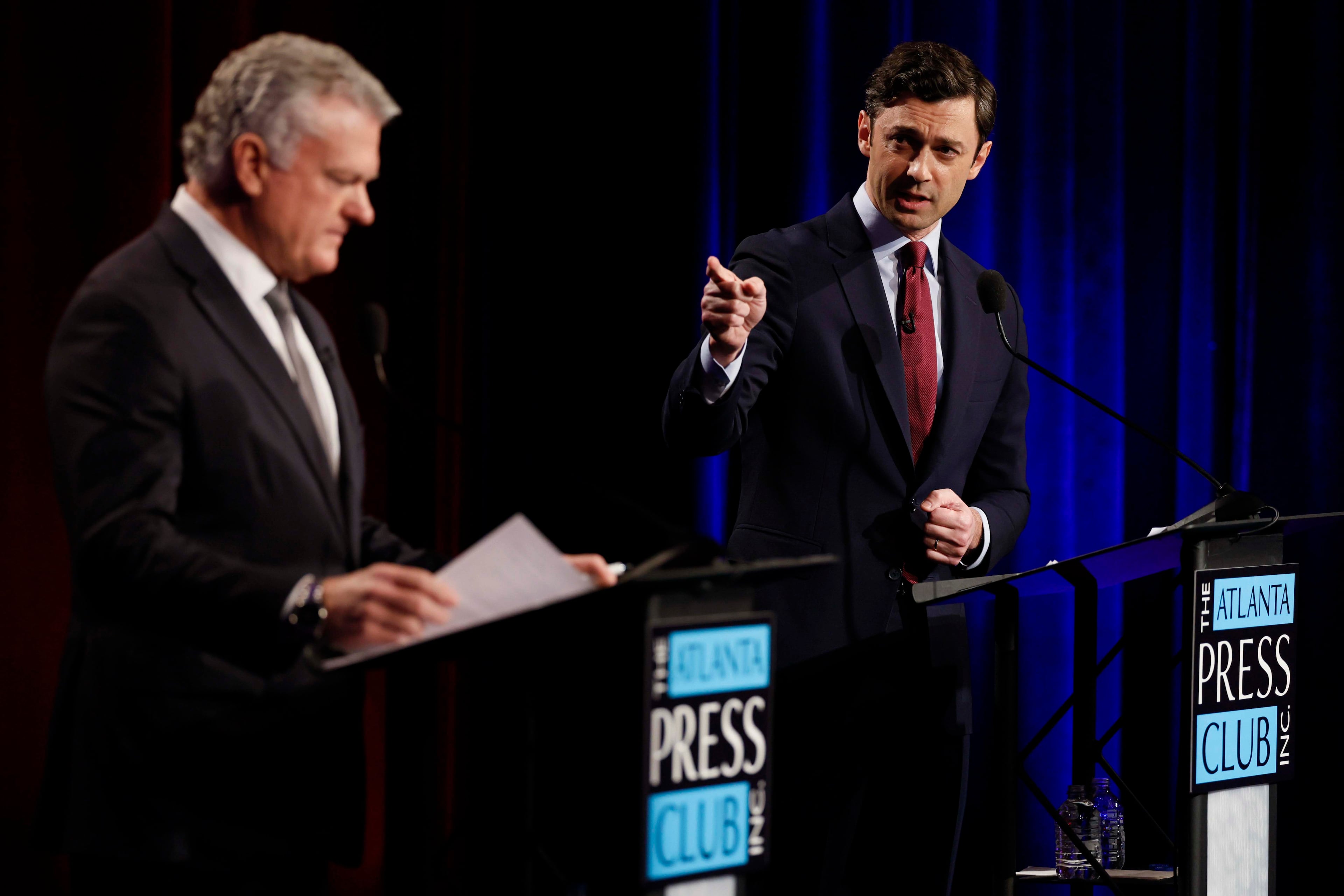
Ossoff’s blistering “bigot” attack on Collins was unusually harsh, even for the Democrat’s bare-knuckled campaign. And it was only the beginning.
There was already plenty of ammunition. Collins had a history of provocative social media posts, and he had fired a longtime adviser over a vulgar campaign post mocking an alleged rape victim.
Then came a cascade of revelations, some uncovered through opposition research by Ossoff’s extensive campaign staff.
Collins’ son-in-law, who lived on his property, was posting racist and antisemitic content online even after the Republican’s runoff win. A former aide had shared images of himself in Ku Klux Klan robes. And two “convoy captains” in Collins’ grassroots orbit had ties to a far-right group founded by a former Klan leader.
Ossoff amplified each disclosure, hammering Collins at rallies while demanding answers. Collins was constantly forced to the defensive, arguing that voters should judge him by his own actions.
Collins’ paltry fundraising couldn’t help him go on offense, either. In the final campaign disclosure, Ossoff reported $26 million in the bank for the last weeks of the race. Collins hardly had $1 million. And national GOP groups that pledged to spend tens of millions in Georgia quietly shifted to more competitive states.
To be sure, Ossoff benefited from plenty of forces beyond his control. Trump’s return to the White House energized Democrats, while Republican leaders acknowledged Collins was a deeply flawed candidate.
But the Democrat and his team spent nearly two years methodically preparing for this race, rebuilding the party, amassing resources and shaping the opposition.
And on Tuesday, what began as a battle for Ossoff’s political survival ended as a race that he fought — and won — on his terms.