A Texas data center project puts Rick Jackson’s Georgia promises to the test

NEW BOSTON, Texas — The paved road abruptly ends near a sprawling collection of rusting military vehicles off a lonely Texas highway, where a dirt trail splinters toward hundreds of acres of scrubland that have improbably been thrust into the middle of Georgia’s race for governor.
The nearly 600-acre site is being developed by a firm that, until recently, was led by Georgia’s Republican nominee for governor Rick Jackson. The billionaire has talked up the $6 billion project on the campaign trail, saying his investment gives him firsthand experience in the booming industry.
Jackson has promised that, if elected, local governments and residents would decide whether data center projects move forward, so long as developers don’t shift costs onto residents, harm the environment, or fail to provide “concrete” financial benefits to surrounding communities.
But in Bowie County, that stance has prompted howls of hypocrisy from a coalition of longtime homeowners, recent arrivals, frustrated retirees and amateur investigators who say they were blindsided by exactly the kind of secretive process Jackson has vowed to prevent in Georgia.
They point to a $12 million land deal the Jackson-linked firm negotiated under a confidentiality provision, along with a maze of related companies and agreements that made it difficult to piece together who was behind the project.
“We’ve been sold out,” said Paula Sorenson, a resident of the Bowie County town of Hooks. Sorenson said she blames Jackson for putting “profit over people.”
“I feel like he’s saying, ‘I’m not going to do this in my own backyard, but I’m going to come to Texas and we’ll just dump it in your backyard,’” she said. “He needs to come here and have a conversation with the local community.”
There are others in this part of northeast Texas who approve of the project and welcome Jackson’s investment, saying it could bring lasting positive changes for a community struggling for capital.
Jackson’s campaign spokesperson Garrison Douglas rejected the criticism, saying the Republican “has been transparent with Georgians and publicly disclosed his passive investment.”

“While he does not control the laws of other states that govern data centers,” Douglas said, “the project he became a passive investor in after significant recruitment from locals has abided by those laws and standard procedures.”
An ‘a ha moment’
Christal Prince said she was digging into the companies behind several proposed data centers in this extreme northeast corner of Texas when she came across footage of Jackson acknowledging his role in the project.
It was an “a ha moment,” she said, that finally put a face to the deal — and made Jackson an instant target of local anger.
“He says that local officials should have a say. Well nobody asked us. The community here wasn’t involved,” she said. “We were kept in the dark. And we are overwhelmingly against it.”

Officials in Bowie County, Hooks and New Boston conveyed the property to Datahub Developers in a deed signed Sept. 11 and recorded four days later. It came shortly after county commissioners approved the $12 million sale at a packed August meeting.
Jackson listed himself as head of Datahub Developers in his campaign financial disclosure. Officials say the company is now known as Foundrie Hyperscale Data.
Jackson’s campaign says it’s the only data center project he has invested in and that he’s no longer in a management, board or any other decision-making role in the firm. But he still has a sizable financial stake in the project.
Democrats have seized on the connection as a key divide in a razor-tight race for governor. Keisha Lance Bottoms demanded that Jackson divest from his data center investments and disclose every financial stake he holds in other firms.
This week, she launched a TV ad blasting his role in the Texas project that also reminds voters of her call for a temporary pause in Georgia for new data center developments.
“We don’t need to take another step forward in this state until we fully understand what the impact will be on consumers and what the impact will be on people across Georgia,” Bottoms said.
Jackson countered by pointing to Bottoms’ role in approving incentives for a far smaller data center in Midtown Atlanta while she was Atlanta’s mayor. Douglas, Jackson’s aide, said Bottoms “unapologetically presided over Atlanta’s rise to becoming a top destination for data center construction.”
‘Zero help’
In Bowie County, the campaign’s back-and-forth has become unexpectedly personal.
That’s apparent at the Dixie Diner, a hub of opposition where opponents gather most Thursdays to share updates and plan their next steps.
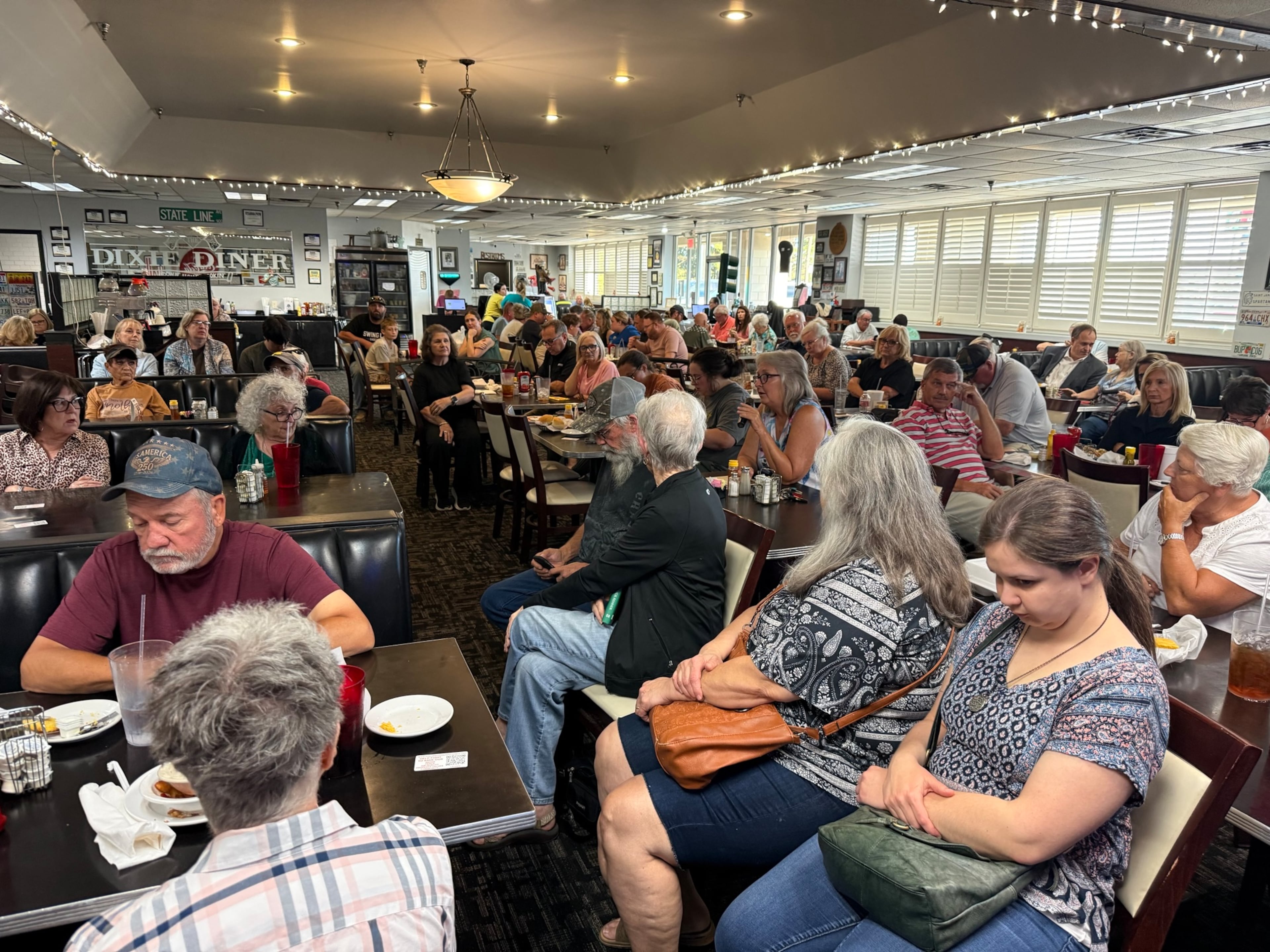
The group’s ringleader is Danny Proctor, a gregarious retired insurance executive who leads the meetings with a microphone and PowerPoint presentations, staying late to hand out yard signs opposing the project.
At first, only a handful of people came. On Thursday, about 100 showed up.
This is hardly a liberal crowd. President Donald Trump carried Bowie County by nearly 50 percentage points. As for Proctor, he makes clear he doesn’t talk partisan politics — though he made one exception.
“For God sakes don’t vote for James Talarico,” he told the crowd, referring to the Democratic nominee for U.S. Senate in Texas.
Proctor plunged into the debate after a separate data center was proposed just beyond the tree line of his property, a sprawling campus with chickens, cattle and donkeys. He calls it Amangani, a Shoshone term that means a peaceful home.
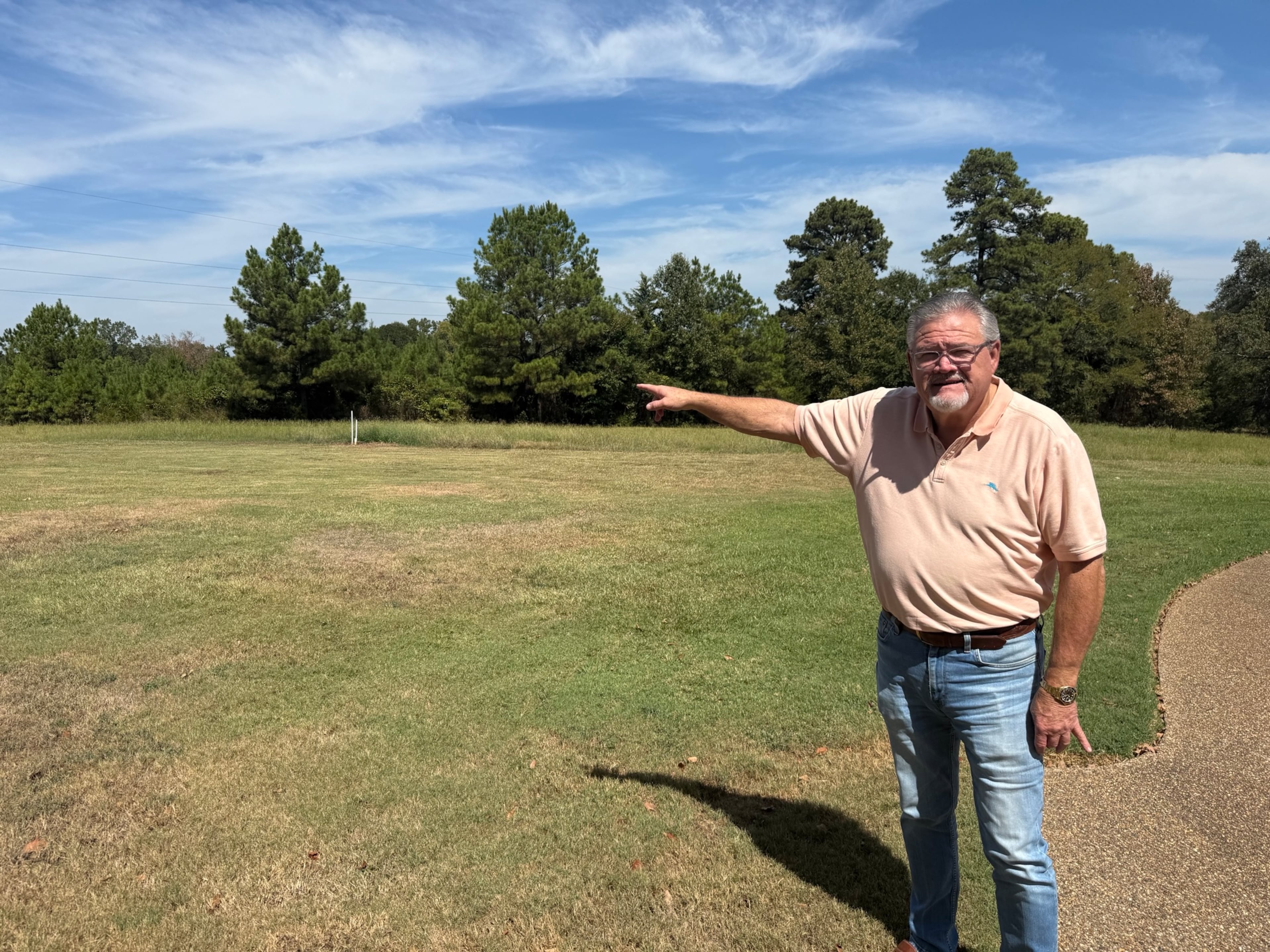
Though the proposed data center next to his property seems to have lost momentum, Proctor now sees the Jackson-linked development as the most “imminent threat” to his community, even though it sits miles from his house.
“We just want to help these guys decide to go somewhere else,” Proctor said.
For Justin Koch, a former Army Green Beret, the fight against data centers began almost as soon as he and his wife, Heather, bought what they hoped would become their retirement home.
Three days after closing, he said, they learned about another data center proposal nearby. Now the Kochs have made blocking the projects almost a full-time job, digging into land records and attending government meetings.
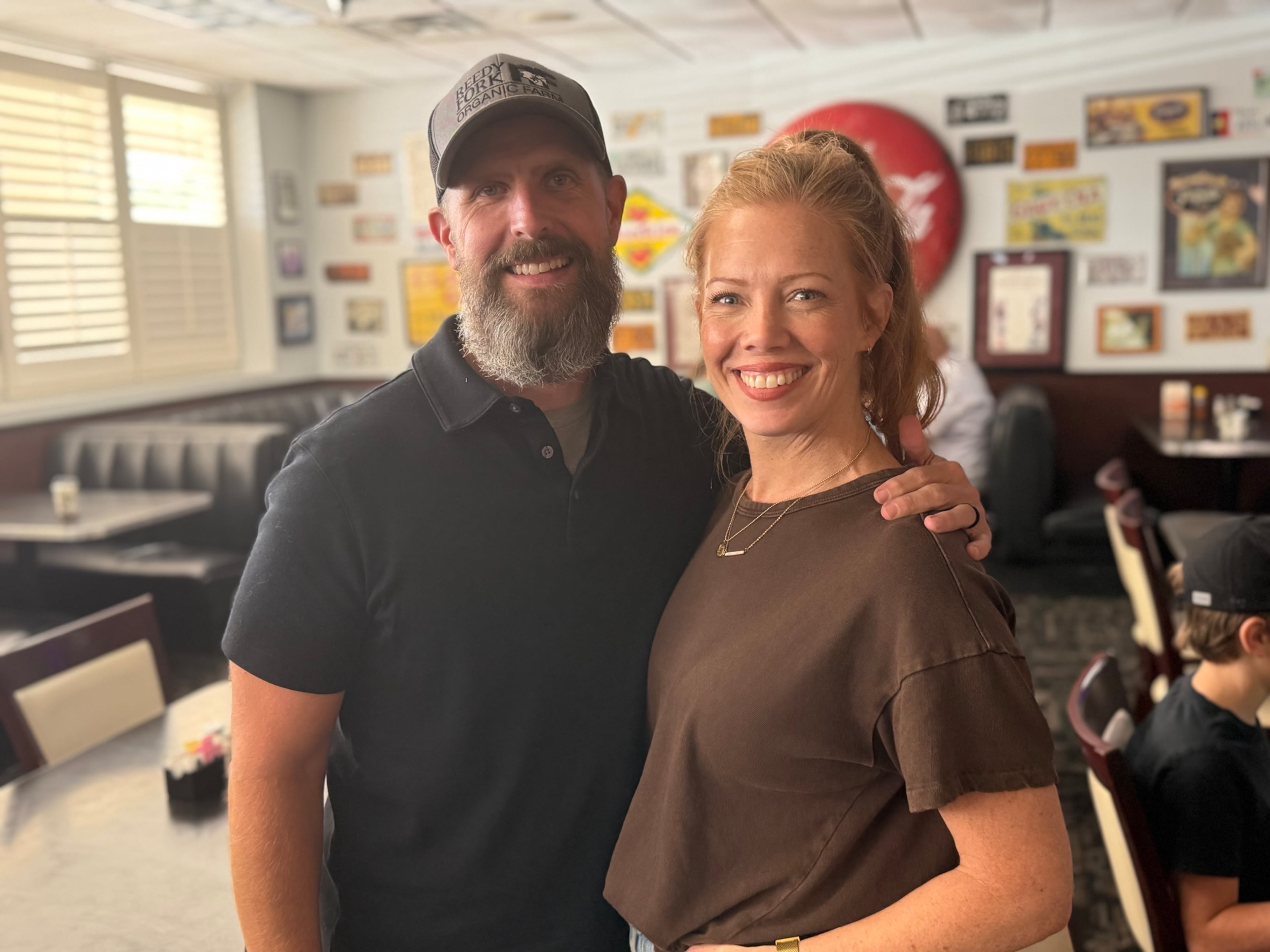
“We are having to be citizen investigators to do what we can to try to oppose these things,” Heather Koch said. “We have zero help from our government. It didn’t matter what any of us say.”
It’s also drawn the attention of powerful local Republicans. Sitting in the thick of the Dixie Diner crowd was Chris Spencer, the Republican nominee for a deep-red Texas state House district that includes the county. Asked about Jackson’s involvement in the project, Spencer didn’t hold back.
“It’s stunning to me,” he said. “Rick Jackson has made a point of being responsive to the needs of Georgians with regards to data centers. But he shows no such regard to the God-fearing folks of Northeast Texas.”
A ‘game changing’ project
Supporters say the critics are overlooking the generational scale of the opportunity.
As head of the local economic development group, Rob Sitterley said he fielded dozens of inquiries from cryptocurrency miners and other data center firms seeking to develop the industrial site, which sits just north of I-30 near the Red River Army Depot.
He said the team behind the Jackson-linked group was different.
“We spent a whole lot of time and energy with this group to make sure it’s going to be the right type of company that’s going to do it in the right way,” he said.
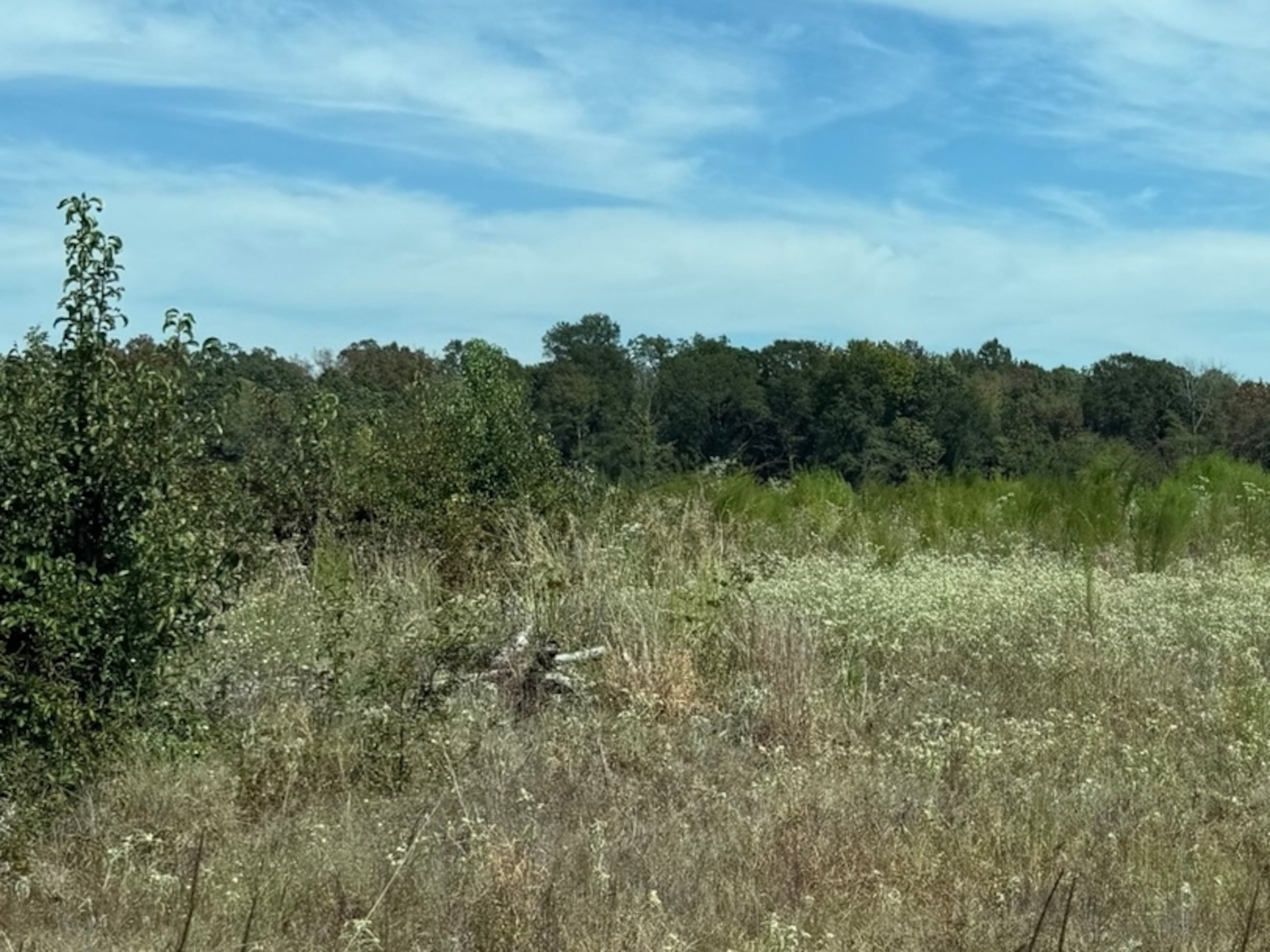
The project’s promise of at least $6 billion in investment and roughly 250 permanent jobs, he said, would be an enormous cash infusion in a county with about $8 billion in total appraised property value.
“This almost doubles our tax base,” he said. “Maybe the county can reduce taxes down the road. Maybe the county can pump money into programs that need it. We don’t know exactly what this will bring, but we know it’s game-changing for us.”
Bowie County Judge Bobby Howell, the county’s top elected official, said he’s pored over the complaints from critics. He sees it as a “win-win” that could pay dividends for decades.
“I think it’s worth the trade off,” he said in an interview, adding: “I didn’t feel like I would be doing my job if I passed up on it.”
Neither Howell nor Sitterley said they had dealt directly with Jackson. Both said they knew private investors were behind the project but worked primarily with the development team.
And Howell said the outrage over the confidentiality agreement is overblown.
“I’m a former real estate lawyer. It’s pretty standard,” he said. “Any purchase of that size is going to involve a lot of that due diligence.”
Much at stake
The debate in Bowie County echoes a divide playing out across Georgia, where data centers have become a source of growing tension as developers pursue multibillion-dollar projects in suburban and rural communities.
Few states have more at stake in the boom. Metro Atlanta now has more data center space under construction than any other region in the nation, and multibillion-dollar projects are proliferating across the state with outspoken support from Gov. Brian Kemp.

Texas has moved in the other direction. Republican Gov. Greg Abbott paused approvals for hundreds of data center projects until state officials complete audits, another sign that the backlash cuts across party lines. Abbott’s order won’t affect the Jackson-linked project.
For opponents here, promises of new investment and generational transformation mostly draw eye rolls, particularly among those who came for the quiet rural landscape and the quirky identity of a community split between Texas and Arkansas by a street straddling downtown.
Now they are threatening legal action, seeking environmental reviews and working to recruit the Caddo Nation, a Native American tribe, to join the fight. Organizers even broached a recall effort targeting the Hooks City Council at the latest meeting.
And they plan to increase the pressure on Jackson, including an open letter from Proctor that urges him to travel to Bowie County and hear from Texans himself.
“I’ve been a conservative all my life. I’ve never wanted to get involved in Georgia politics,” Proctor told the AJC.
“But this is about more than politics. It doesn’t matter if you’re a Republican or a Democrat. This is our home.”