Rick Jackson proposes ‘intelligent Medicaid expansion’ in Georgia

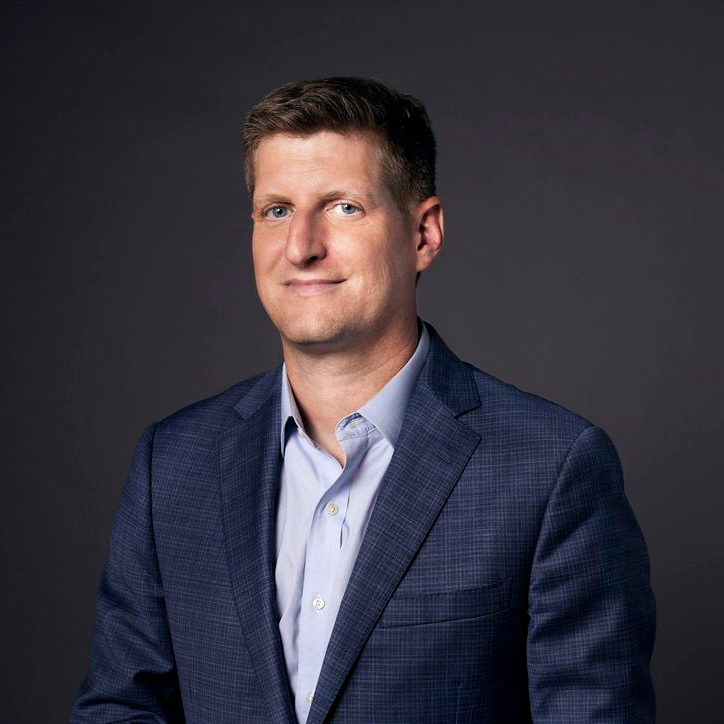
Republican Rick Jackson is pledging to close Georgia’s health insurance coverage gap by embracing what he calls an “intelligent Medicaid expansion” to address one of the state’s most politically contentious fights.
The GOP nominee for governor said Tuesday his approach would broaden coverage while preserving work requirements for some Medicaid recipients and protecting hundreds of thousands of Georgians who receive subsidies for private insurance plans.
“We will cover those who need it the most and keep work requirements in place for those who are able,” said Jackson, a billionaire healthcare executive. “And we will not force the 500,000 people who have subsidized private plans onto a government plan.”
The pledge is the centerpiece of a broader blueprint that also calls for a tougher state approach toward insurers, strengthening rural healthcare and expanding the state’s medical workforce.
It is Jackson’s most direct effort yet to tackle a debate that has divided Georgia politics since the Affordable Care Act gave states the option to make more people eligible for Medicaid, the government-funded health insurance program.
And it puts him on a collision course with Democrats, and a smaller number of Republicans, who say a full-scale Medicaid expansion is the better route.
The race for Georgia Governor
All about Democrat Keisha Lance Bottoms and Republican Rick Jackson and what they would do if elected.
The Issues: Education | Healthcare | Data Centers | Taxes | Abortion | Immigration
Polls and predictions: Track the race for Governor
Their agendas: Keisha Lance Bottoms | Rick Jackson
‘Shadow mayor:’ As Keisha Lance Bottoms rose to power, one adviser was close by
The $3B candidate: Unpacking Rick Jackson’s vast business empire
Bottoms’ record: Crime roiled Atlanta during COVID. Its fallout has shaped governor’s race.
Jackson’s business deal: Why Rick Jackson poured millions into a failing Alabama hospital
Debate: 5 takeaways from the Georgia governor debate
Crossover voters: Prominent Georgia Democrat crosses aisle for Rick Jackson
Complete coverage: 2026 Georgia Voter Guide

Democratic nominee Keisha Lance Bottoms said earlier Tuesday that Georgia’s refusal to join the 40 states that have expanded Medicaid has been an “epic failure” that’s resulted in shuttered hospitals and left more Georgians vulnerable.
“It’s costing people access to healthcare, and it’s the difference between life and death,” she said.
A new GOP approach
Though some influential Republicans have endorsed traditional Medicaid expansion, Georgia GOP leaders have repeatedly rejected the proposal and instead supported a narrower program that Kemp developed during his first term.
Kemp’s Pathways to Coverage program provides Medicaid to adults earning up to the federal poverty level who meet work, education or other requirements. The program has struggled for years with enrollment far below the 90,000 recipients Kemp’s office once projected.
Jackson wants to go further. His plan says Georgia should “close the coverage gap for low-income working adults and families” who earn too much for traditional Medicaid but too little to afford reliable coverage on their own.
The proposal would retain work-related requirements under Kemp’s program while also using Medicaid funding to help some Georgians stay on private or employer-sponsored insurance plans if they choose.
But important details of Jackson’s plan remain unresolved, including exactly who would qualify, how the state would structure the program and how much it would cost.
Jackson would also need federal approval to make any changes to Georgia’s Medicaid program, no easy task even with a friendly White House. The Republican — who vowed to be President Donald Trump’s “favorite governor” — sounded confident he can strike a deal.

Still, that confidence comes at a precarious moment.
Medicaid is jointly funded by the state and federal governments. The federal government pays for roughly two-thirds of the cost for Kemp’s Pathways program. But the federal government would cover 90% of a traditional Medicaid expansion allowed under the ACA.
Kemp sought a 90% federal contribution for Pathways during Trump’s first term, but Georgia ultimately launched the program without receiving the extra federal help. Kemp’s administration warned last month that Pathways could become financially unsustainable without a larger federal contribution.
A broader healthcare agenda
Jackson’s proposal also calls for directing new resources toward rural hospitals, primary care, mental health and substance-abuse treatment, maternal health and the healthcare workforce.
Beyond Medicaid, Jackson would strengthen protections against insurance company delays and denials of medically necessary treatment, require greater price transparency and make medical records easier to share between providers.
He also wants to add more rural residency slots for doctors, expand nursing and specialty programs at Georgia schools and add inpatient psychiatric beds.

But Medicaid remains the centerpiece of the plan, and Jackson is framing his approach as more than simply increasing enrollment.
“The goal is to connect more Georgians to care, strengthen rural healthcare, support work and independence, and deliver measurable value for taxpayers,” his campaign said.
Other parts of his “Jackson Action” governing platform:
- Taxes and affordability: Cut Georgia’s income tax in half during his first term; eliminate the state income tax on tips; eliminate state taxes on utilities; suspend the gas tax during most major price spikes; and tighten the process for local property tax increases by requiring specific notice, a public hearing and a recorded vote.
- Housing: Speed up permitting and inspections with clearer deadlines and more streamlined systems.
- Data centers: Jackson says Georgia should not approve new data centers unless the local community supports them, the projects provides tangible local benefits, they do not increase local utility costs and they meet strict environmental standards.
- Jobs and workforce: Expand access to capital and training for small businesses; create “microtech centers” in communities that lose major employers; and expand apprenticeships and work-based learning.
- Third grade reading: Make reading on grade level by the end of third grade a central statewide goal; identify struggling students earlier; expand intensive intervention; and stop automatically promoting students who have not met basic literacy standards.
- Teachers and school discipline: Seek higher teacher pay and give teachers more consistent discipline policies and authority to maintain classroom order.
- School choice: Protect options for parents to choose traditional public schools, charter schools, private schools or homeschooling.
- College costs: Freeze tuition, room and board at Georgia’s public colleges and technical schools.
- Career education: Expand technical training, apprenticeships and work-based learning and more closely align technical-college programs with local employers.
- Foster care: Expand educational and life-skills help for foster children; improve training, payments and placement support for foster parents; and enlist churches and community organizations to provide longer-term support.
- Ethics and corruption: Require more disclosure of conflicts and outside income for state elected officials; enact “meaningful” term limits; strengthen penalties for self-dealing; create a statewide public-corruption unit; toughen criminal penalties for serious campaign-finance violations; and ban all fundraising during the legislative session.
- State government: Evaluate every state board and commission and eliminate those deemed unnecessary; audit state spending; require major agencies to publicly report performance goals and results.
- Law enforcement: Provide more resources for officers while also requiring “effective, constitutional policing”; bolster a statewide law-enforcement division focused on ending child sex trafficking; invest in more crime labs to reduce backlogs; use speedier evaluations in jails and courts to reduce delays involving defendants with mental illness.