Keisha Lance Bottoms elected Georgia governor, a first for a Black woman in US


Former Atlanta Mayor Keisha Lance Bottoms won Georgia’s race for governor Tuesday, overcoming unprecedented spending by Republican billionaire Rick Jackson to become the first Black woman in U.S. history elected to lead a state government.
Her victory shattered barriers in a state that had never elected a woman or a Black person to its highest office. It also marked a stunning reversal for Republicans, who have controlled the Governor’s Mansion since Sonny Perdue toppled Democrat Roy Barnes in 2002 to become the first Republican elected governor since post-Civil War Reconstruction.
The election also marked a remarkable political comeback for Bottoms, who survived a bruising campaign that put her turbulent four-year tenure as Atlanta mayor under a microscope and tested whether Georgians trusted her with the keys to the state’s top job.
Jackson, a healthcare executive who rose from foster care to become a billionaire, spent more than $200 million of his personal fortune trying to convince Georgians that Bottoms had failed Atlanta and would do the same to the rest of the state.
The race for Georgia Governor
Georgia Governor: Keisha Lance Bottoms elected Georgia governor, a first for a Black woman in US
Election results: Track the votes
Live: What’s happening on the Georgia campaign trail
Map: How your neighborhood voted
History made: Keisha Lance Bottoms and the long road from Crawfordville to Governor’s Mansion
U.S. Senate: Democrat Jon Ossoff wins reelection to U.S. Senate
Complete coverage: 2026 Georgia Voter Guide
In the closing days of the campaign, his refrain that “bad mayors don’t make good governors” became a staple of the Republican attack on Democrats.
But Bottoms turned the campaign into a referendum on Georgia’s future, offering ambitious pledges to expand Medicaid, guarantee access to Georgia’s prekindergarten program, open a path for local governments to reduce taxes on groceries and pause new data center construction.
She relentlessly tied Jackson to President Donald Trump, whose lagging approval ratings weighed down GOP candidates across the ticket. And she framed her experience steering Atlanta through crises as a proving ground for the state’s highest office.

Now the former mayor faces a different challenge: governing a state where Republicans still wield enormous power and many of her signature campaign promises face steep political hurdles.
Her first major test could come before she takes office, as Gov. Brian Kemp and other Republicans debate whether to call a special legislative session to redraw political boundaries and potentially limit her powers.
A breakthrough decades in the making
With her victory, Bottoms accomplished what a generation of prominent Democrats before her could not.
Barnes lost a comeback bid in 2010 to Republican Nathan Deal. Four years later Deal bested Democrat Jason Carter, a former state legislator and grandson of former President Jimmy Carter.
Then came Stacey Abrams, who built a national profile with her promises to mobilize left-leaning voters but lost the last two elections to Kemp.
Bottoms followed a different path to the state’s highest office.
Born and raised in Atlanta, she enjoyed a comfortable childhood as the daughter of soul singer Major Lance, who once opened for the Beatles. But her family’s fortunes collapsed as his career faded and he struggled with drug addiction.
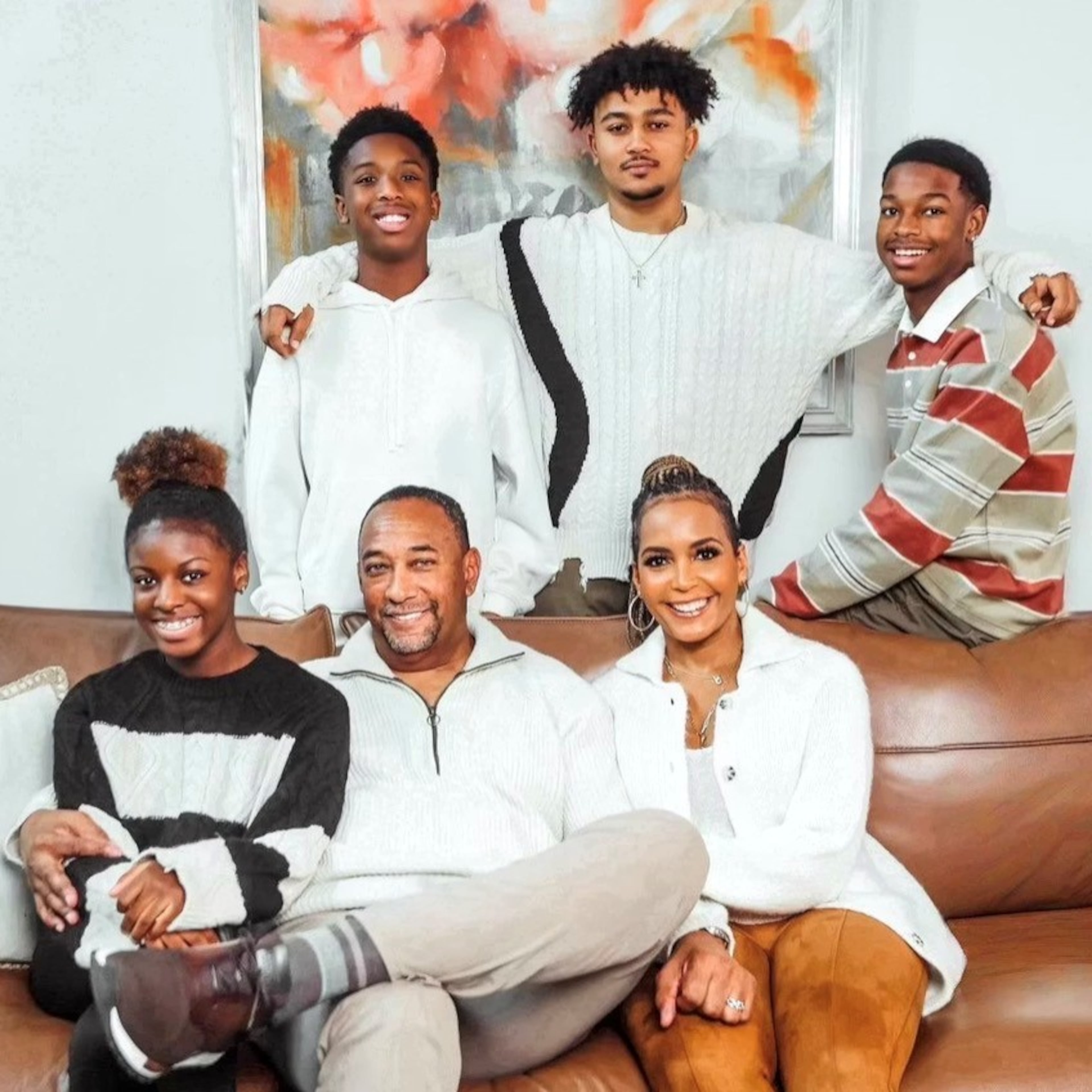
She was 8 when she came home from school to find police leading her father away in handcuffs on cocaine distribution charges. He went to prison, and the family lost its home in Collier Heights.
Her mother, Sylvia Robinson, struggled to make ends meet, taking low-paying jobs before opening a beauty salon in Atlanta’s West End. Bottoms spent weekends visiting her father in prison, an experience that shaped her belief in second chances.
She went on to graduate from Florida A&M University and earn a law degree from Georgia State University. She worked as a prosecutor and judge before winning a seat on the Atlanta City Council in 2009.
Bottoms was a long shot in the crowded 2017 Atlanta mayor’s race but pulled off a narrow victory over Mary Norwood after a bruising runoff.
Her tenure was soon rocked by a series of crises, starting with a crippling ransomware attack on city government, then the coronavirus pandemic and protests for racial justice.
Bottoms became a national figure as she sparred with Kemp over pandemic restrictions and delivered an impassioned appeal for protesters to “go home” after demonstrations in downtown Atlanta turned violent following George Floyd’s murder.
The moment helped elevate her into the national spotlight and briefly fueled speculation that she could become Joe Biden’s running mate. She later turned down an offer to join his Cabinet.
But the turmoil in Atlanta deepened after police fatally shot Rayshard Brooks outside a Wendy’s restaurant in June 2020, triggering more unrest.
The restaurant was torched, and the surrounding area descended into lawlessness as armed protesters erected barricades and controlled access to nearby streets.
On July 4, 8-year-old Secoriea Turner was fatally shot while riding in a vehicle near the burned-out restaurant. Her death brought questions about why Bottoms and city officials had not moved more aggressively to restore order.
Years later, Bottoms said those questions still dogged her. In an interview, she told the AJC she’s often reflected on whether she moved aggressively enough.

Violent crime surged, fueling a contentious push to split the wealthy Buckhead district from Atlanta. And Bottoms’ critics accused her of being an absentee mayor.
Bottoms defended her tenure by pointing to pay raises for police officers and firefighters, balanced budgets and her efforts to help businesses and residents weather the pandemic.

Yet she stunned Atlanta in 2021 when she announced she would not seek a second term, despite already launching a reelection campaign and raising money with Biden’s help.
She said she was leaving on her own terms, not because she feared a growing group of opponents. The following year, she joined Biden’s White House as a senior adviser, giving her a place in the president’s inner circle and a new national platform.
An unlikely comeback
Bottoms’ path to governor cleared when two other prominent Democrats opted against campaigns.
U.S. Rep. Lucy McBath ended her plans for a bid as her husband battled cancer. Carter also decided against another run as his wife underwent treatment for brain cancer.
Even so, Bottoms faced a crowded field of rivals who argued her record as mayor would be a liability in the general election. She defeated them all in May, winning the nomination without a runoff.
Her victory set up a titanic general election showdown against Jackson, who was anything but a conventional opponent.
A 72-year-old political newcomer who amassed a fortune in the healthcare industry, Jackson built his campaign around his extraordinary personal story and a promise to bring his business experience to state government.

He began attacking Bottoms even before securing his party’s nomination, depicting her tenure as mayor as a period of soaring crime, government dysfunction and political turmoil.
After winning a bitter GOP runoff, he intensified those attacks, portraying Bottoms as incompetent and corrupt while promising his victory would bring lower taxes, safer communities and a more businesslike approach to government.
He repeatedly accused her of “abandoning” Atlanta by not seeking a second mayoral term. Bottoms countered that she “ran through the finish line” to join the Biden administration.
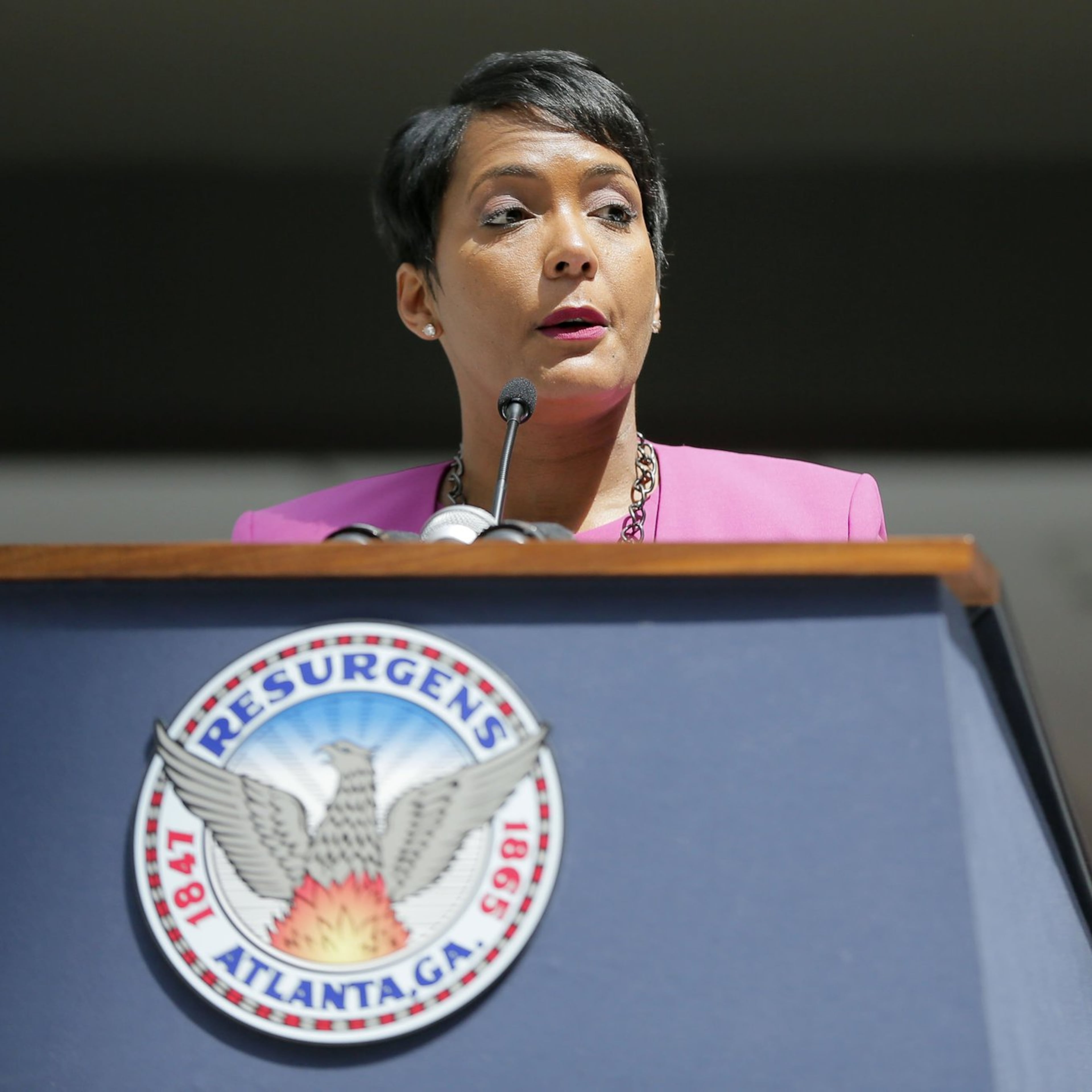
Trump and other Republicans joined the attacks as Jackson tried to keep the focus on Bottoms rather than a national political climate that was souring against the president.
Bottoms fought back by tying Jackson directly to Trump and his low approval ratings in Georgia. She was also helped by U.S. Sen. Jon Ossoff, a popular Democrat who began treating the race as a joint ticket shortly after she won the nomination.
A new political era
Bottoms’ victory ushers in a new political era in Georgia — and a new showdown over the state’s future.
She will take office with intense pressure to make good on the sweeping promises that she made during her campaign, proposals that will face fierce resistance from Republicans already girding for the fight.
Her victory also raises questions about whether Kemp and Republican lawmakers will move to blunt her power before she takes office, steps Bottoms has repeatedly warned could damage Georgia’s reputation.
Bottoms rarely dwelled on the historic nature of her bid. But she often spoke of her family’s deep roots in Georgia, tracing them back at least five generations to a plantation in Crawfordville where her ancestors were enslaved.
On the eve of the election, she made a pilgrimage to the tiny east Georgia town to visit her ancestors’ graves, a journey she told supporters she needed to make before the campaign ended.
Generations earlier, her ancestors had traveled from Crawfordville to Atlanta by horse and buggy, seeking a better life.
On Tuesday, Georgia elected one of their descendants as its first Black governor.
