FBI raid in Fulton sends shockwaves across Georgia’s political landscape
More than any other state, Georgia can’t escape the shadows of the 2020 elections.
Even before FBI agents raided a hangar-like warehouse in Fulton County seeking ballots from that contest, President Donald Trump’s defeat six years ago was an undercurrent in races for U.S. Senate and governor, and rippled down to lesser-known contests most Georgians aren’t watching.
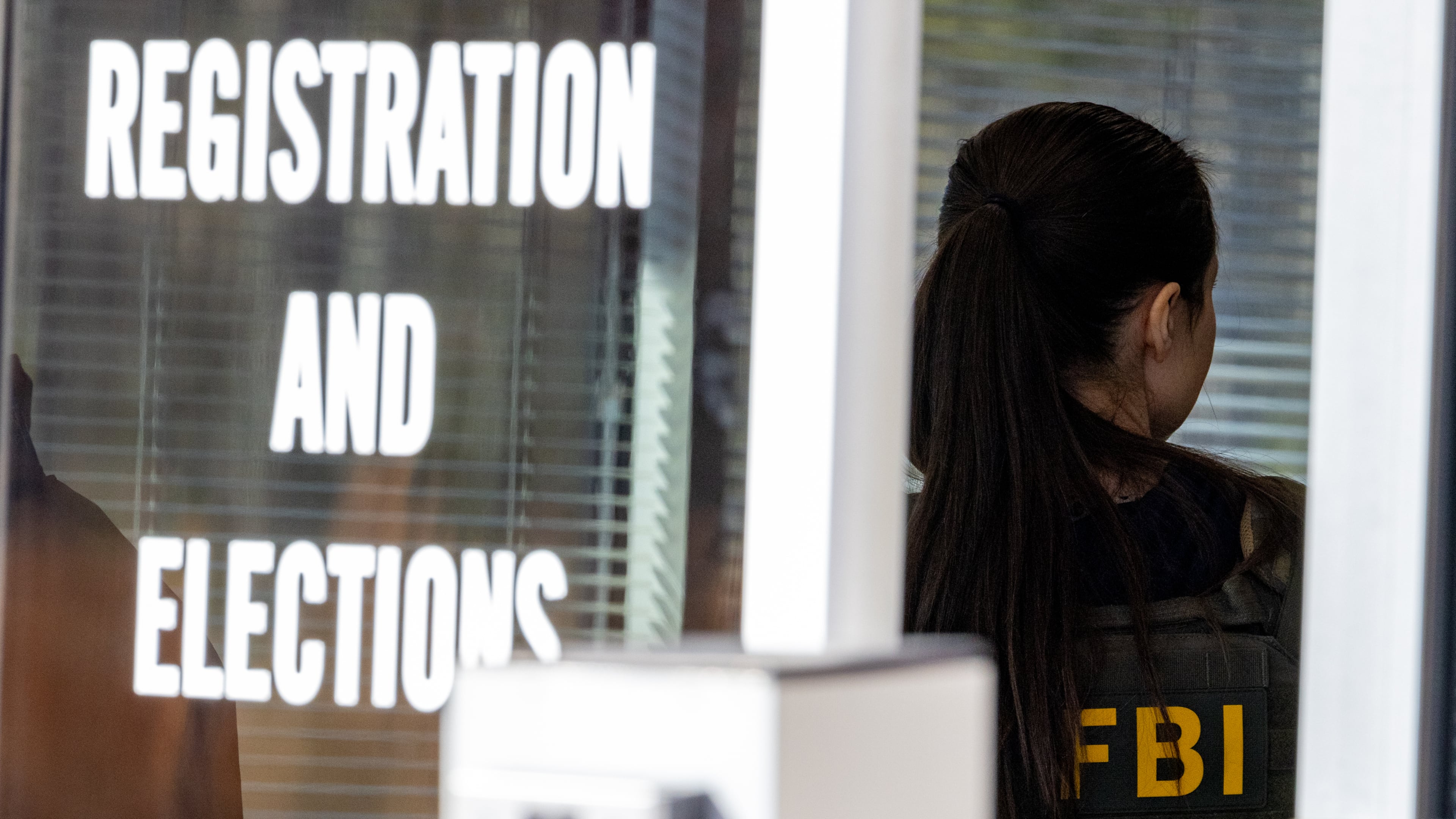
But the federal search of the Union City facility aimed at seizing 2020 ballots and other election records has brought the fixation to a new level. It has divided politicians between those who view it as vindication and those who view it as a dangerous escalation of federal authority.
Now the fallout could shape the 2026 midterms as well, with Democrats warning the move is not only about the 2020 election. Instead, it’s about the elections to come.
“This is a shot across the bow at the midterm elections,” U.S. Sen. Jon Ossoff said. “He tried to steal power when he lost it in 2020. We have to be prepared for all kinds of schemes and shenanigans.”
The seemingly never-ending clash over 2020 has spilled out across Georgia politics, deepening partisan fights between political opponents, but also among fellow GOP leaders who disagree on how to respond to his falsehoods about a rigged Georgia vote.
The three massive trucks loaded with 700 boxes filled with ballots have become a visceral symbol of that divide in Georgia, as Trump allies, more mainstream Republicans, Democrats and voting rights advocates all clash over the Trump administration’s dramatic escalation.
FBI raids Fulton election office
Search warrants showed agents were seeking ballots from the 2020 election that Donald Trump has claimed was filled with fraud. Past recounts and court challenges have not backed up those assertions. Read more
Allegations: Skeptics of 2020 election look for answers
Reaction: FBI affidavit for Fulton’s 2020 records fuels GOP calls for state takeover
Affidavit explained: The AJC breaks down key details in the document used to seize the ballots
The affidavit: Unsealed documents in Fulton County raid show FBI relied on election skeptics
Watch: Police body cam footage shows confusion at FBI raid
Live updates: Justice Department attorney talked to election skeptic prior to raid
Five Questions: What next after election records seized
Election law: Could raid set the stage for takeover of Fulton’s elections?
Trump: Fulton FBI raid will show 2020 election was stolen
FAQ: Here’s what we know so far
Timeline: How we got here
Opinion: The FBI raid isn’t about the 2020 elections. It’s about 2026 and 2028.
Listen to the AJC’s Breakdown podcast: Fulton County vs. Donald Trump
Special report: Inside the campaign to undermine Georgia’s election
The latest move is an escalation in the ongoing battle over the results of the 2020 presidential election. This month:
It’s a new phase in a familiar battle for Georgians, who were at the epicenter of Trump’s false claims of widespread voter fraud in 2020. His obsession with his election defeat so divided Republicans that it helped Ossoff and the Rev. Raphael Warnock flip Senate seats in 2021.
And Trump’s feud with Gov. Brian Kemp and Secretary of State Brad Raffensperger — who refused the president’s pleas to “find” exactly enough votes to overturn his defeat — dominated a 2022 election campaign that ended with the two Republicans scoring overwhelming victories.
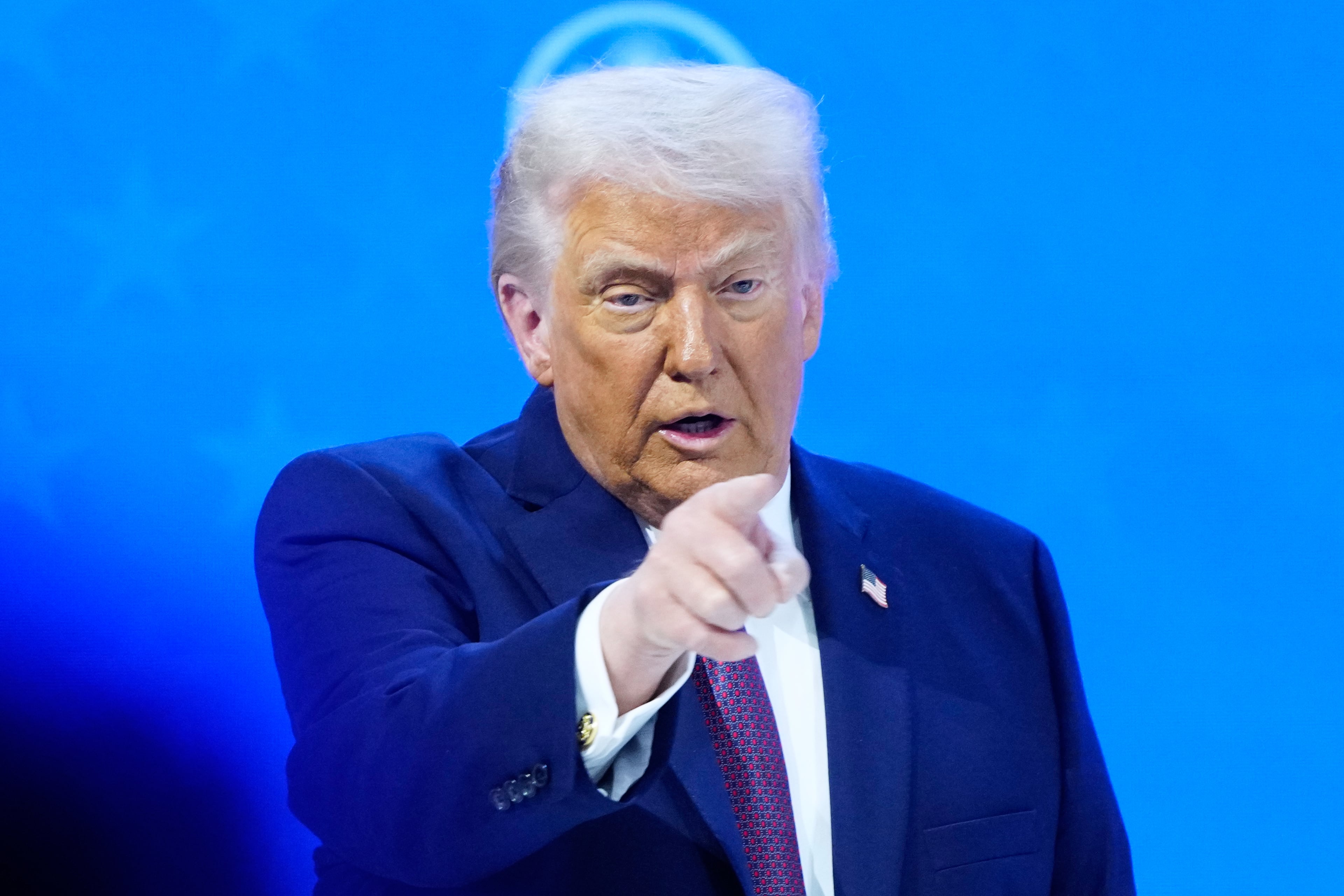
But rather than move on after he regained the White House in 2024, Trump has hinted for months that he would pursue an investigation into his defeat, including remarks at the Davos conference in Switzerland last week that “people will soon be prosecuted for what they did.”
He’s found willing allies in Georgia. U.S. Rep. Mike Collins, the Republican front-runner to take on Ossoff, has repeatedly backed Trump’s false claims that the 2020 election was rigged and said Trump is owed a “massive apology.”
Lt. Gov. Burt Jones, the Trump-backed Republican candidate for governor, has pummeled Raffensperger for months, including recently blasting him for refusing to heed the Trump administration’s demand for sensitive voter data, which Raffensperger said would be “reckless” to disclose.
And as down-ticket candidates curry for his favor, they’re also leaning into the same controversies over 2020 that have dogged Georgia Republicans for years.
“I’m glad that we are finally getting to the bottom of whatever it was that happened in 2020 thanks to the federal government,” said state Sen. Greg Dolezal, a Republican contender for lieutenant governor. “I wish that we could have done it much, much earlier.”
A GOP divide deepens
It’s drawn a new fault line through the GOP, and few are positioned as precariously as Raffensperger, who must navigate a primary packed with Trump loyalists while fending off Jones’ attacks that he’s a “Never Trumper.”
He has repeatedly said he supports Trump’s agenda but has no regrets about defying his demand to overturn Georgia’s 2020 election.
“I do the right thing, no matter what. I’ll stand for Georgia,” said Raffensperger. “Other people haven’t been put to that test, but we were at the end of the day.”

Other Republicans cast the raid as a measure of “transparency” while not leaning into the 2020 debate. State Sen. Brian Strickland, a Republican candidate for attorney general, sees it as a test of whether Fulton County can follow election law.
“We need Fulton County to follow the law, and that would be step No. 1,” said Strickland. “That’s not complicated. Other counties can figure out how to run elections. Fulton County can’t.”
For Democrats, it feels like a replay. They’re once again pushing back against Republican fixation on a “rigged” vote — but now Trump is using the machinery of the federal government to investigate allegations long disproven.
Democrats are also turning their fire inward, jockeying over who can most forcefully oppose Trump — a dynamic fueled in part by former Republican Lt. Gov. Geoff Duncan, who switched parties and is now vowing to campaign against him.
“What I am seeing is something that I’ve never experienced in my lifetime,” said former Atlanta Mayor Keisha Lance Bottoms, the Democratic front-runner in the race for governor.
“And what we are seeing happening and playing out in Fulton County right now is an effort to take away that right to vote, to take away our ability to trust in free and fair elections.”

About the Author

Greg Bluestein is the Atlanta Journal Constitution's chief political reporter. He is also an author, TV analyst and co-host of the Politically Georgia podcast.