Morning, y’all!
Tyler here, filling in for AJ this week while she gets some much-needed rest after serving as chair of the College Football Playoff Committee. (She *hates* Notre Dame).
Let’s get to it.
FIXING ATLANTA’S MOST NOTORIOUS JAIL

The Fulton County Jail has been a problem — overcrowded, overviolent, undermaintained — for decades. Ever since it rose from the Rice Street dirt, really.
And for just as long, our local policymakers have failed to address it. Or even agree on how to address it.
“But Tyler,” an informed reader might find themselves asking, “wasn’t a new agreement with the U.S. Department of Justice supposed to finally get things fixed? Or help push things in that direction, at least?”
Such a reader would, technically, be correct.
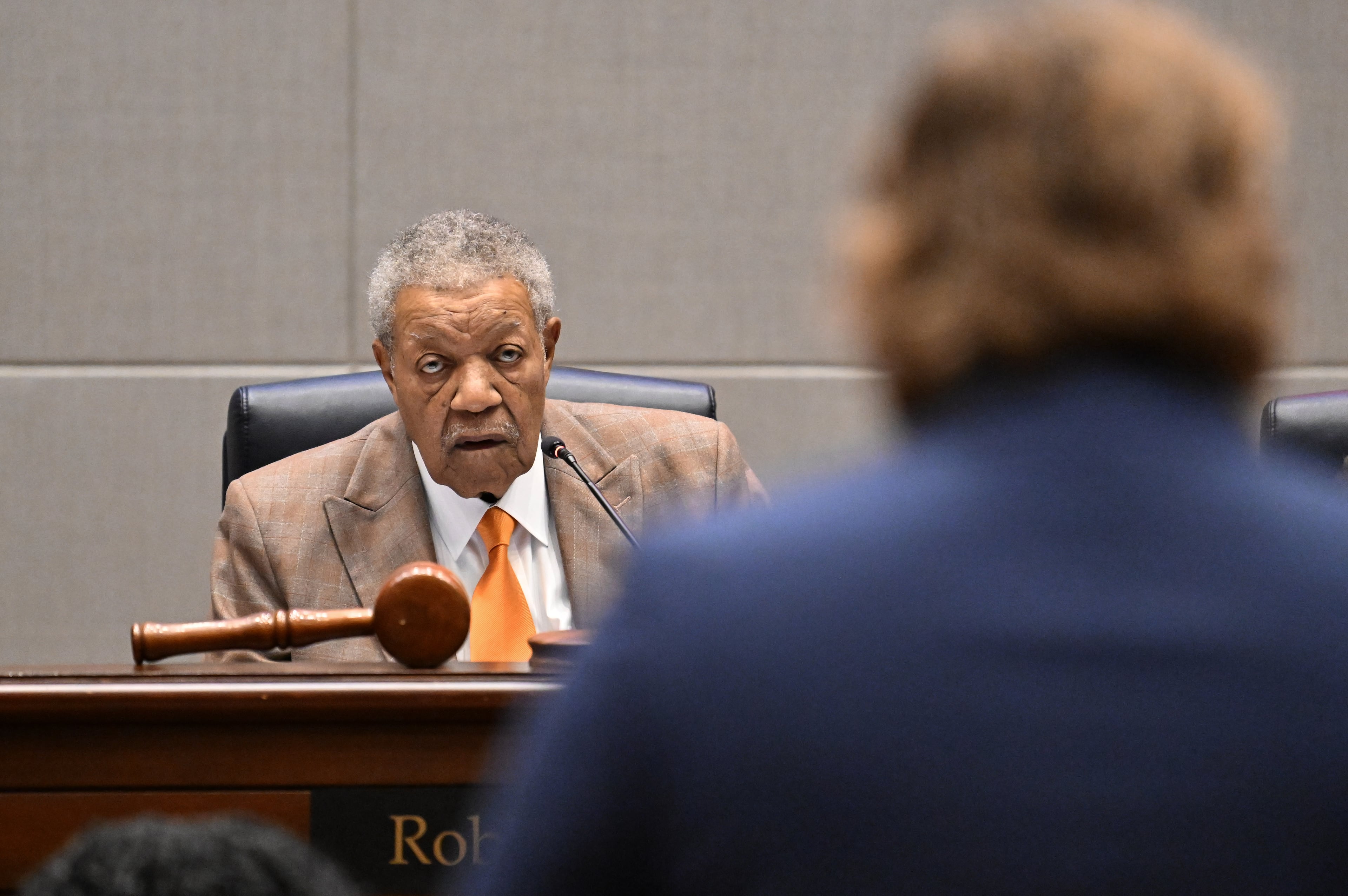
But it’s now been nearly a year since that consent decree was signed — and, as Shaddi Abusaid and a gaggle of other AJCers report, officials are still saying things like this:
- “We are not doing enough. There’s a lot of finger-pointing, a lot of blame, but not enough action.”
- “Right now we’re in the midst of a criminal justice failure. The Board of Commissioners is not giving us what we need.”
- “APD is the least progressive police department when it comes to encouraging officers to exercise their discretion in a way that doesn’t drive overcrowding.”
- “It is like being in a burning building and saying we’re going to build a fire station next door five years from now.”
Meanwhile: At least four people have died in jail custody this year. Stabbings and beatings are commonplace, with single deputies often left to supervise 150 to 200 inmates at once. Nonviolent offenders who await trial or can’t afford bail share a facility with gang members.
So who’s really to blame? The sheriff? The County Commission? The district attorney’s office? The police department?
Sure seems like the short answer is “pretty much everyone.”
But read the full story for the most thorough accounting I’ve seen on the issue.
Not signed up yet? What’re you waiting for? Get A.M. ATL in your inbox each weekday morning. And keep scrolling for more news.
MUST-KNOW POLITICS AND BUSINESS
💵 When immigration authorities detain a family’s breadwinner, others pull back from the workforce, spending decreases and key industries face labor shortages. Lautaro Grinspan tells the bigger story through one local family that lost its “pillar.”
🏞️ National parks will no longer offer free admission on Martin Luther King Jr. Day and Juneteenth. President Donald Trump’s birthday is now a freebie, though.
⚖️ “Threats, lies and stealing” shouldn’t go unpunished, even after the 2020 election interference case’s dismissal, Patricia Murphy writes.
😬 QR codes have to be removed from Georgia’s ballots by next summer, but the Legislature didn’t allocate any cash for the changes. What could go wrong?
BEFORE YOU WRAP THAT PHONE …

New research from the University of Georgia puts phone use back at the forefront of conversation this holiday season. Parents of preteens will likely see smartphones topping Christmas wish lists — often not for the first time.
UGA researchers shared advice with the AJC for families weighing that first phone and revealed their latest screen-time findings. Postdoctoral researcher and UGA alumnus Cory Carvalho, along with UGA professors Niyantri Ravindran and Kalsea Koss, has been studying how screen use affects young children. Their two recent studies come at a timely moment, as kids are getting phones younger than ever.
A new Pew survey shows:
- About 57% of parents to children 11 to 12 years old say their child already has a smartphone.
- Around 29% of parents with kids 8 to 10 years old say the same.
- Nearly 1 in 10 parents of kids under 5 report their child has one.
Published in the Journal of Family Psychology and Development and Psychopathology, the UGA studies found:
- Early adolescent media use is linked to more family arguments and criticism.
- Kids with smartphones are less likely to share emotional struggles with parents.
📱 Curious about the right age for a kid’s first smartphone? Read the full story.
SPECIAL EDUCATION GONE WRONG?
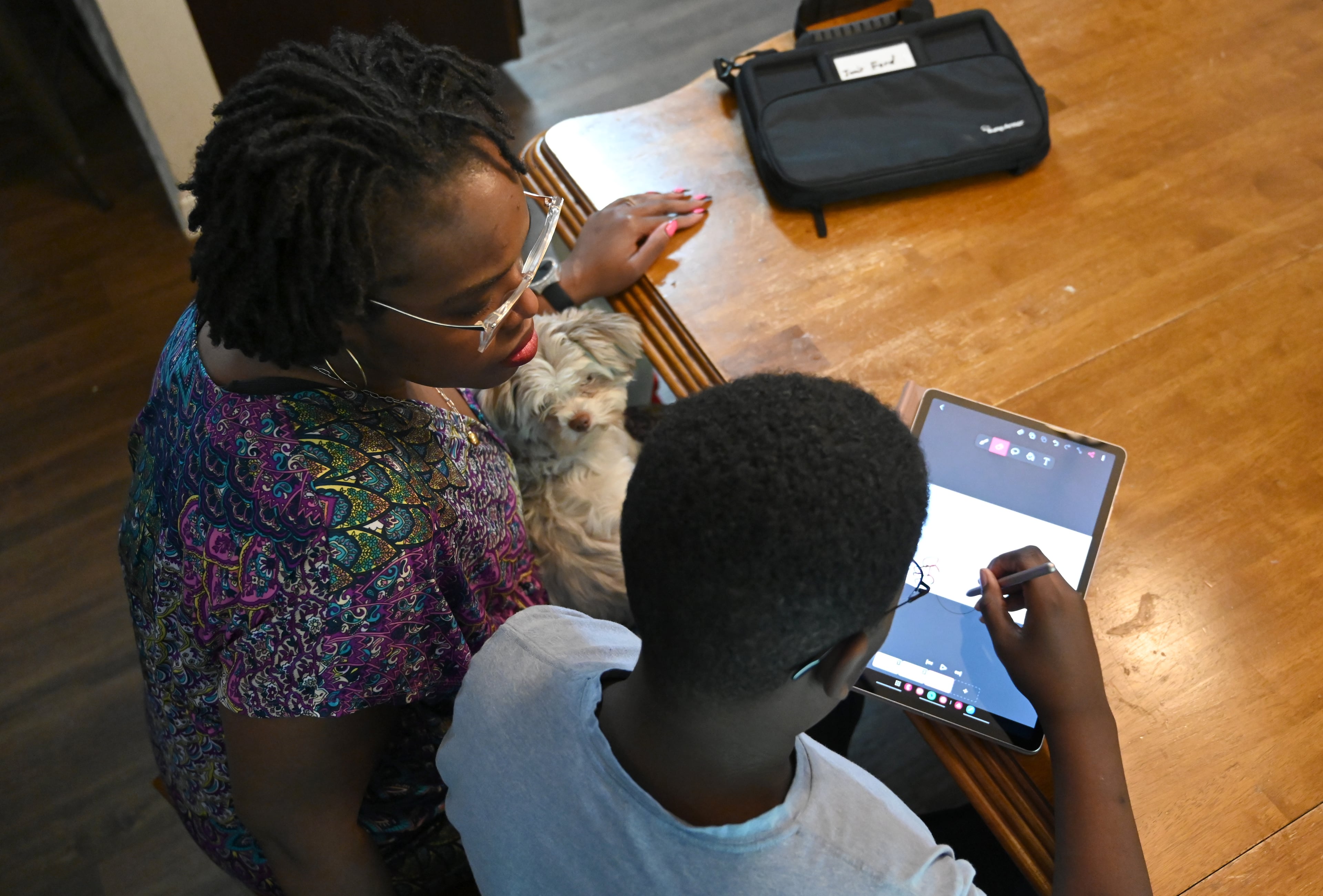
The Georgia Network for Educational and Therapeutic Support, or GNETS, is a state- and federal-funded program meant to help students with emotional and behavioral disabilities.
But a monthslong, three-part investigation by the AJC found that GNETS now operates as a patchwork of 24 different programs that stands accused of:
- Violating federal law by separating students from nondisabled peers.
- Failing to provide services students need.
- Failing to maintain adequate staffing.
- And sometimes failing to offer basic amenities like cafeterias and playgrounds.
“Schools have changed. Mental health treatment has changed. How we deal with children with autism has changed,” one attorney told AJC reporters. “The only thing that hasn’t changed is that GNETS isolates kids.”
Read the first offerings of the investigation here, before the final installment publishes Tuesday:
- Georgia’s special ed program promised to help. Families say it delivered them harm.
- Ahead of her time 50 years ago, she now laments the state of GNETS.
- ‘I’m a bad kid,’ he told himself. How GNETS failed one child
SPORTS STUFF, IN BRIEF
Folks: It was a very newsworthy sports weekend. Indulge me in a quick recap, won’t you?
- Beloved former Brave Dale Murphy was not elected to the Baseball Hall of Fame, despite the AJC editorial board’s best efforts.
- Georgia football vanquished its Alabama boogeyman in the SEC championship game and earned the No. 3 seed in the looming College Football Playoff. The Bulldogs will play the winner of Tulane and Ole Miss in the Sugar Bowl on New Year’s Day.
- Georgia Tech football is headed to the Pop-Tarts Bowl in Orlando, where it’ll take on BYU on Dec. 27.
- High school football’s state championship games are (mostly) set.
- The Falcons got crushed again, are officially eliminated from the playoffs and will enjoy their eighth-straight losing season.
We also learned which teams will start their World Cup journeys in Atlanta next summer. Spain headlines, but don’t sleep on the local Cape Verde fan base.
ON THIS DATE
Dec. 6, 1877

The result. Our special telegrams this morning embrace returns, either estimated or official, from nearly every point in Georgia. … These estimated figures give Atlanta a majority of a little more than twenty thousand, which, if materially changed by later returns, will be increased. … The fight has been a hotly contested one, and from the first the friends of Atlanta have had up-hill work. … But the contest is over and Atlanta is successful, and in rejoicing over the hard-earned victory her people have no room in their hearts for rancor.
Yes, yes, today is Dec. 8, not Dec. 6. But one should never let a good story wallow in the weekend wasteland.
Nearly 150 years ago, voters decided to keep Atlanta as Georgia’s capital, eschewing overtures to move things back down to their pre-Civil War home in Milledgeville. (M-Vegas has more history than Flannery O’Connor and that old asylum.)
ONE MORE THING
“When in Rome, do as you done in Milledgeville.”
A framed print bearing Ms. O’Connor’s sage advice hangs in my kids’ bathroom.
Thanks for reading to the very bottom of A.M. ATL. Questions, comments, ideas? Contact us at AMATL@ajc.com.
Until next time.
About the Author

Tyler Estep hosts the AJC Win Column, Atlanta's new weekly destination for all things sports. He also shepherds the Sports Daily and Braves Report newsletters to your inbox.