A calmer hurricane season is likely — an ominous sign for Georgia’s drought
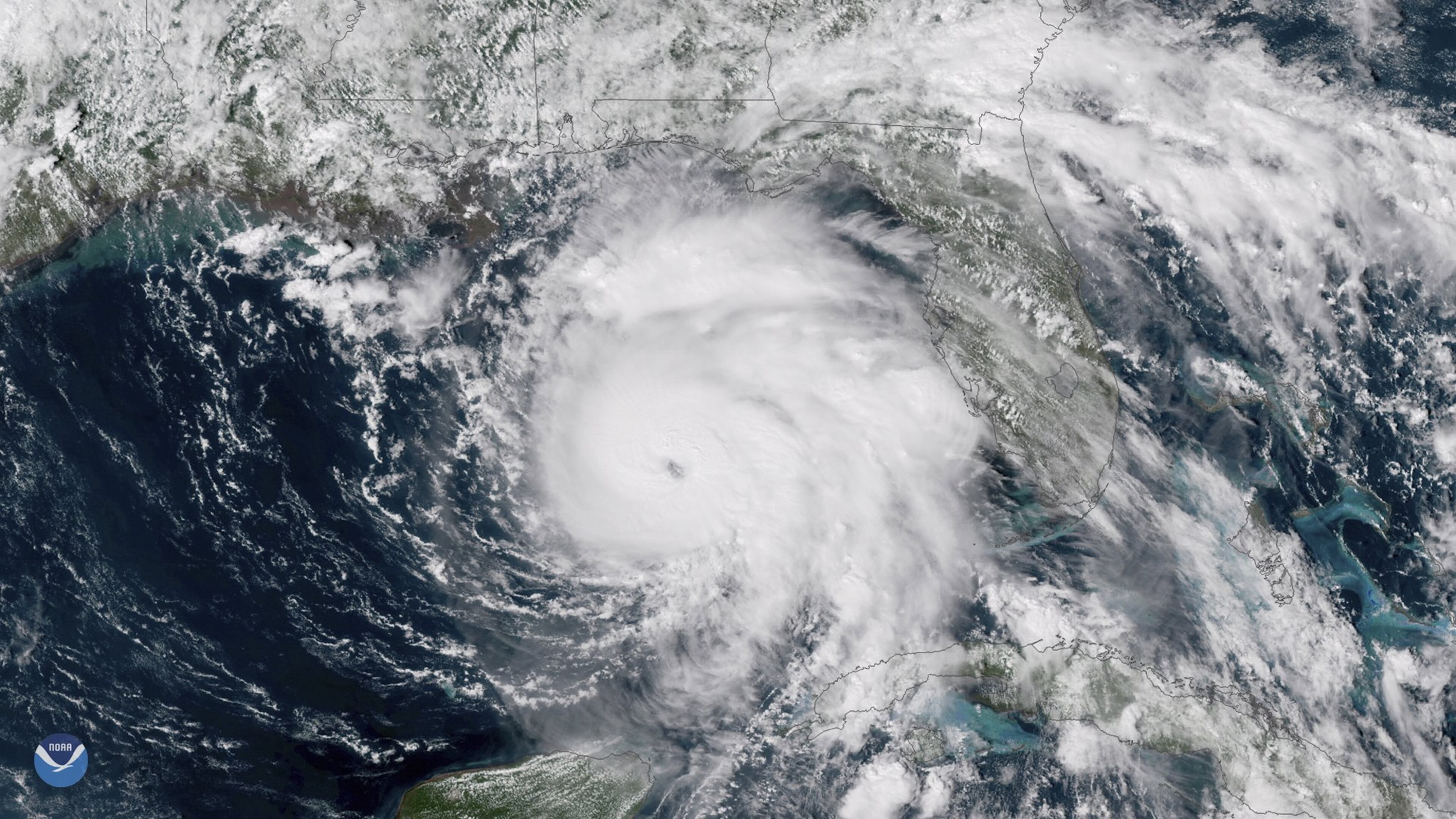

Federal forecasters anticipate a slightly quieter than normal Atlantic hurricane season this year, which could dim the prospects for the tropics to deliver Georgia significant relief from its ongoing drought.
Scientists from the National Oceanic and Atmospheric Administration said Thursday they expect the Atlantic Basin will produce eight to 14 named tropical storms this season. Of those, NOAA predicts three to six storms will become hurricanes, but that just one to three will reach major hurricane status with sustained winds of at least 111 mph.
Historically, “average” seasons have produced 14 named storms with seven hurricanes, including three major hurricanes.
Hurricane season officially begins June 1, but most tropical activity usually occurs between August and October.
The possibility of a quieter hurricane season is likely welcome news for parts of Georgia still rebuilding from 2024’s Hurricane Helene, the most destructive storm in state history.
But there are downsides to less tropical activity, especially as Georgia suffers its worst drought in nearly 20 years.
NOAA’s forecast is in line with predictions from other prominent scientists.
In April, experts from Colorado State University said they expect 13 named tropical storms to form in the Atlantic Basin this year. Of those, Colorado State predicted six would reach hurricane strength, with two developing into major hurricanes.
NOAA’s experts said Thursday the main reason they’re predicting slightly less activity this season is the expected development of El Nino conditions.
El Nino is a climate phenomenon that occurs when unusually warm sea surface temperatures are present in the tropical Pacific Ocean. The pattern affects weather across the globe, but it’s known for whipping strong westerly winds across the Caribbean and tropical Atlantic Ocean. That wind shear tends to rip tropical storms apart, making it harder for major hurricanes to form.
This week, the National Weather Service’s Climate Prediction Center said there’s an 82% chance for El Nino to develop between May and July, with some predicting a historic “Super El Nino” could form. If it does take hold, the NWS says the conditions will almost certainly remain through the peak of hurricane season and into early next year.
Still, there are other factors at play that federal officials said could still support an active hurricane season. Chief among those are the hotter than normal ocean temperatures present in the tropical Atlantic and the Caribbean Sea, the main areas where hurricanes form. Warm ocean waters help tropical storms develop and intensify.
“Although El Niño’s impact in the Atlantic Basin can often suppress hurricane development, there is still uncertainty in how each season will unfold,” National Weather Service Director Ken Graham said in a news release.
What does the forecast mean for Georgia?
Georgia’s extended dry spell has already helped fuel devastating wildfires in South Georgia and caused heartburn for many farmers. Late last month, state environmental officials decided to trigger the first phase of their drought response plan.
Parts of the Peach State received some much-needed rain in recent weeks, with more expected this weekend. Still, with rainfall deficits over the last six months of a foot or more in most places, it will take consistent, heavy rain to make up the shortfall.
In late summer and fall, tropical storms are often the main source of moisture in Georgia, so fewer storms would mean drought relief is less likely.
At the Board of Natural Resources monthly meeting Tuesday, Georgia Environmental Protection Division Director Jeff Cown signaled that the drought may be in place for some time. Since declaring a Level 1 drought response in late April, Cown told board members, “The state has not seen significant improvement.”
“We have received some more rainfall, but we still have a long ways to go,” Cown said.
How does climate change affect hurricanes?
Fewer storms doesn’t eliminate the risk of damage.
“Even though we’re expecting a below-average season in the Atlantic, it’s very important to understand that it only takes one,” NOAA Administrator Neil Jacobs said Thursday. “We have had Category 5s make landfall in the past during below-average seasons.”
On Thursday, federal officials urged residents in coastal areas and beyond to make sure they’re prepared now for hurricane season.
Any storms that strike developed areas are also more likely to cause damage because of changes to the climate that have occurred because of human activity.
Temperatures across the globe are rising, largely because of the burning of fossil fuels. Scientists have long known that a hotter atmosphere leads to wetter storms and an increased risk of flooding. Newer research also shows more hurricanes are rapidly intensifying as they approach land.
Then there’s sea level rise, which raises the risk of storm surge flooding.
Sea levels on the Georgia coast have already climbed about a foot in the last 100 years, in part because ice sheets and glaciers across the globe are melting. As the ocean encroaches on coastal areas, it allows storm surge to reach further inland, making it possible for even glancing blows from tropical storms to cause destructive floods.
In recent years, Georgia’s Tybee Island has seen its beaches severely eroded by passing tropical storms. Other areas on Georgia’s coast have sustained flood damage, too, even without taking a direct hit from a hurricane.
Hurricane season lasts from June 1 through Nov. 30, but tropical activity can occur outside those dates.
A note of disclosure
This coverage is supported by a partnership with Green South Foundation and Journalism Funding Partners. You can learn more and support our climate reporting by donating at AJC.com/donate/climate.