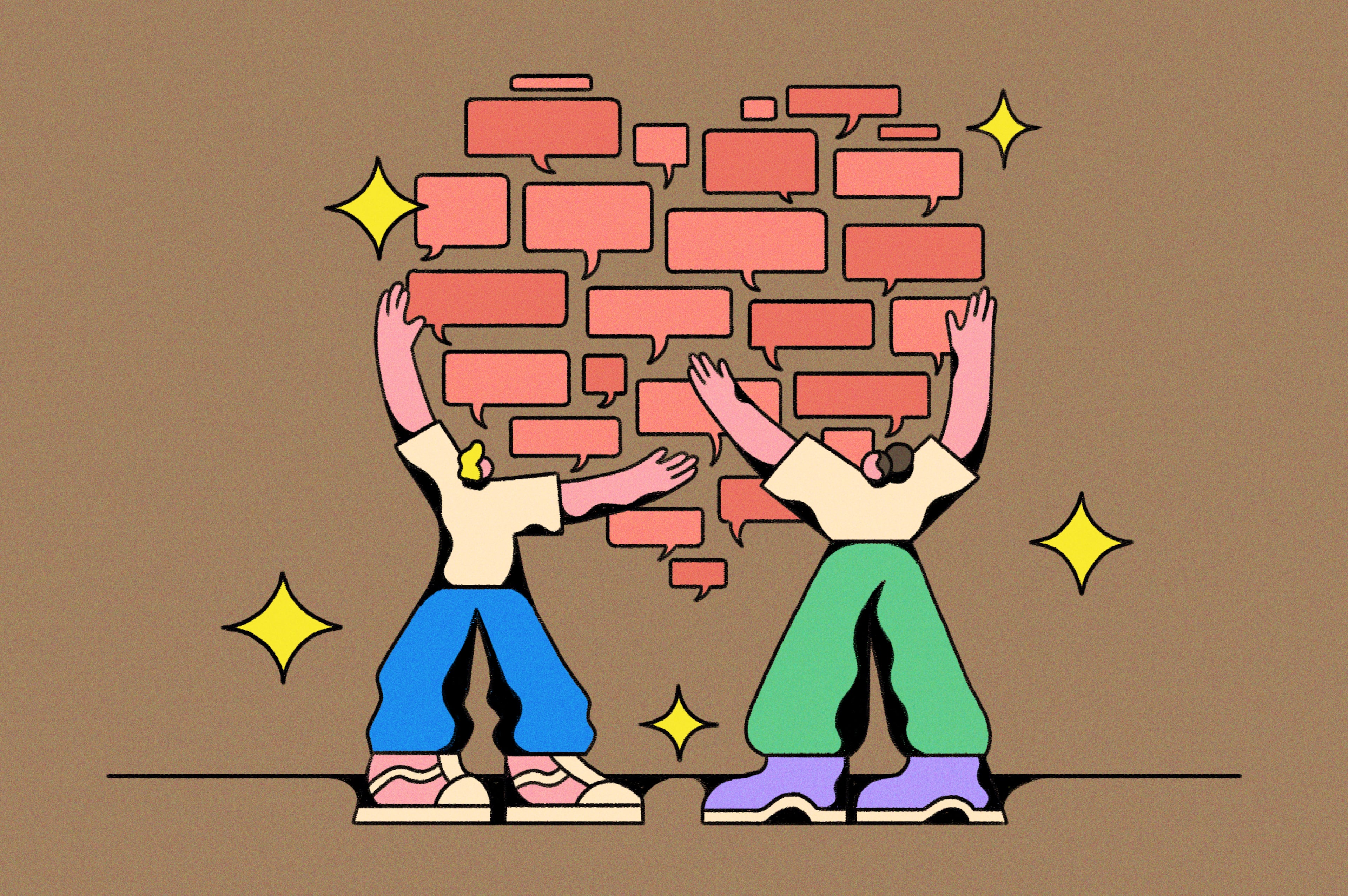
Doctors are prescribing green space. Here’s how to fit it into a busy week.

We spend about 90% of our time indoors. That means most of us are clocking almost our entire lives under artificial light, in front of screens and in temperature-controlled rooms. And according to a growing number of physicians, it’s doing quite a lot of damage to our health.
Dr. John La Puma, a board-certified internist and two-time New York Times bestselling author, has a term for what’s happening to our brains: digital obesity.
“Like too much sugar burns out your metabolism, too many pixels burn out your brain. That drives chronic low-grade inflammation, the underlying mechanism of heart disease, diabetes, dementia and depression,” he told The Atlanta Journal-Constitution.
His fix? Go outside, on purpose and with intention.
Green space vs. blue space
Any time outside is good for you, but the type of space actually matters.
Blue spaces, including oceans, rivers and even a fountain, are more powerful for calming the nervous system. Moving water shifts your brain from an agitated state to a more relaxed one, similar to what you’re chasing in a meditation session, according to La Puma.
Green spaces work differently. They’re full of natural compounds released by trees that activate your immune system, and studies show a single visit can boost your body’s ability to fight off viruses and disease by 56%, with effects lasting up to a month. They also tend to make it easier to move your body and connect with other people.
There’s a minimum effective dose
Seventeen minutes a day in a green or blue space is the minimum time you need to spend before you see any measurable benefit, according to research La Puma cites in his new book, “Indoor Epidemic.” In other words, the sweet spot is around five hours a week. That’s where studies show the strongest longevity signal, including lower inflammation markers and less cellular aging.
“You’re not adding time, you’re just turning your minutes into medicine,” he says.
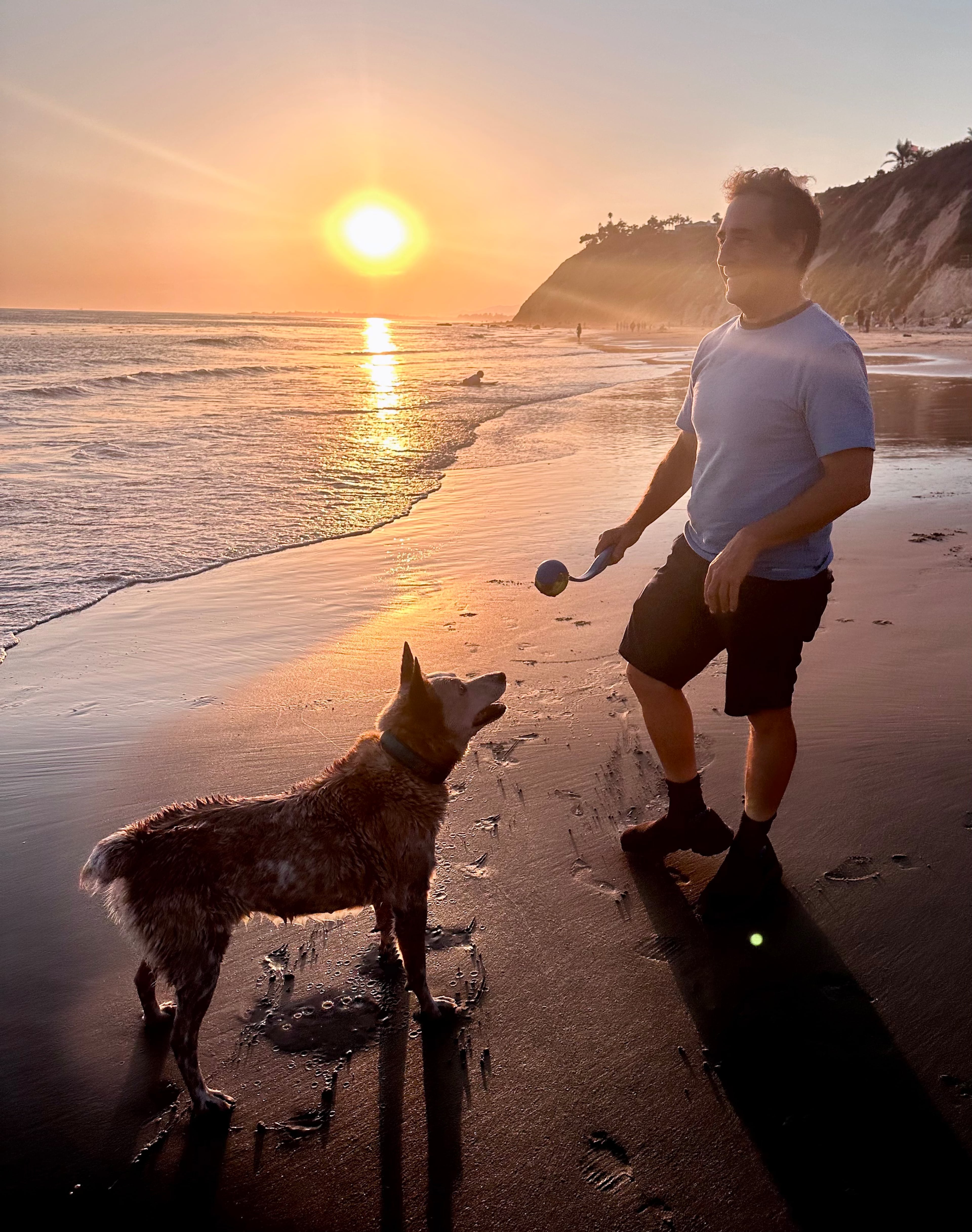
Have your morning coffee on the porch. Take a phone call while walking through the neighborhood. Eat lunch outside instead of at your desk. It adds up faster than you’d think.
What benefits to expect and when
When patients start spending more intentional time outside, La Puma says the first thing he notices shifting is sleep, sometimes within days. He recommends 10 minutes of unfiltered morning light within 90 minutes of waking, outside, not just sitting by a window.
It sounds simple, but the science speaks for itself. Better sleep is usually the first domino: regulate that, and energy, mood and focus tend to follow.
And if you need one more reason to get outside, a recent Harvard study tracked 111,000 people over 30 years and found that heavy gardening lowered the risk of lung disease-related mortality more than almost any other exercise. Lifelong gardeners also show lower rates of dementia. So, if you’ve been putting off starting that garden, consider this your sign.
“Too many of us have forgotten what it’s like to feel normal, less reactive, more calm and well rested,” he said.
Gear worth having
If you’re committing to more time outside, a few things worth investing in:
OluKai Makiki: Inspired by the winding trails of O’ahu’s Makiki Valley, this shoe was built for wherever the day takes you. It’s lightweight and breathable with wet-grip rubber and directional tread for confident traction on any surface.
YETI Silo Jug: If getting outside more is the goal, staying hydrated is part of the deal. The MagSlider straw cap on its Silo Jug makes it easy to drink on the move, plus it’s dishwasher-safe.
Wyeth Tali Bucket Hat: Sun protection doesn’t have to be boring. The Wyeth Tali is a hand-crocheted raffia straw bucket hat from a California label built around the outdoor lifestyle. It’s lightweight, breathable and is the kind of hat you reach for whether you’re working in the garden or sitting by the water.
About the Author

Avery Newmark covers travel, wellness, events and trending news for The Atlanta Journal-Constitution. With a dual background in film production and journalism, Avery came to the AJC after working as a video editor. She enjoys film photography and live music in her free time. Reach her at avery.newmark@ajc.com.