Braves could use an offensive lift in 2027
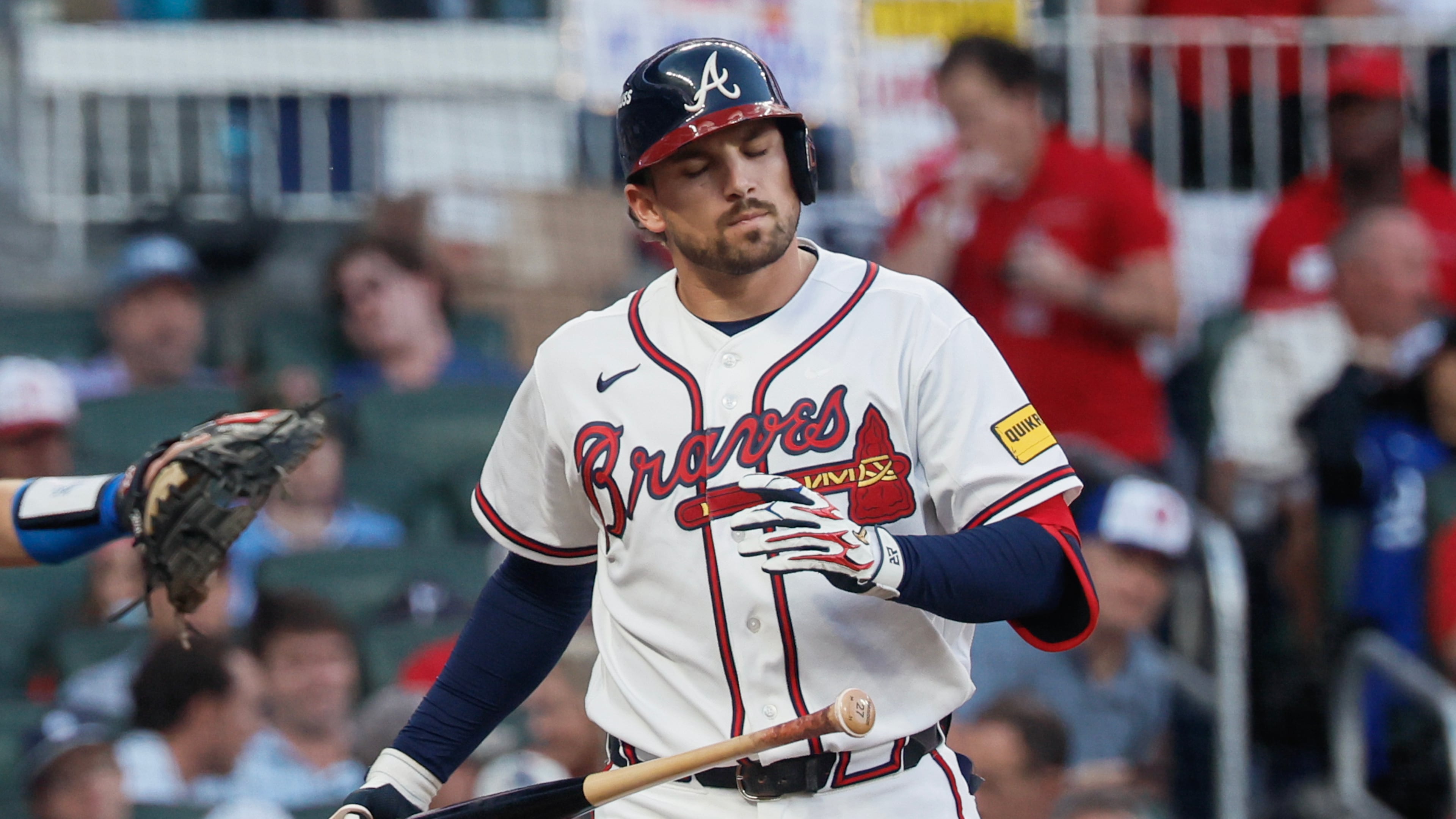
Pitching, over the last decade, hasn’t been a serious issue for the Braves organization. And offensively, since the 2023 team’s record-setting campaign, the Braves have finished inside the top 10 in the National League of most standard statistical categories every year since.
Yet how good would the 2026 team have been, or how good could the 2027 squad be, with a little bit of an offensive boost?
The Braves won 94 games and the NL East in 2026. They finished seventh in the league in batting average (.246), hits (1,348) and runs (742). Their 204 home runs tied for fourth. The team’s .718 OPS was ninth-best.
Center fielder Michael Harris II had one the best seasons of his young career. Catcher Drake Baldwin, the 2025 NL rookie of the year, avoided — for the most part — a sophomore slump. Utility man Mauricio Dubón was the epitome of clutch. And Matt Olson slugged 41 homers.
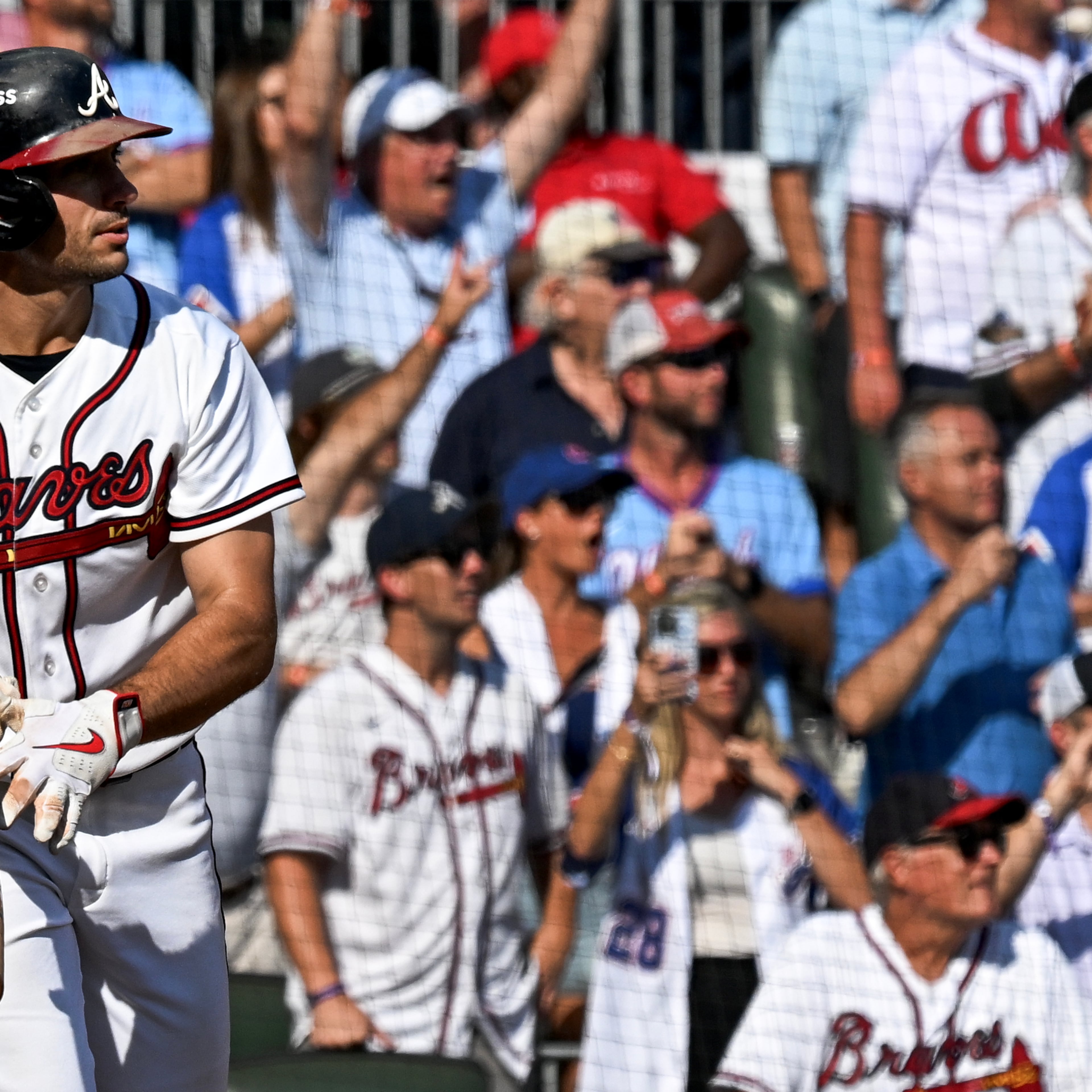
But there was still a lot to overcome, like Austin Riley striking out 201 times and hitting .219. Or Ozzie Albies hitting .232 in July, .216 in August and .136 in September games. Sean Murphy hit .182 in just 33 games. Ha-Seong Kim hit .116 in 51 contests.
Ronald Acuña Jr. finished with a .255 average, his lowest in a season in which he has played 100 games. Newcomer Mike Yastrzemski hit just .224.
As a team, the Braves seemed to became too reliant on waiting for the home run. They managed to win only 17 games in 2026 when they failed to connect on a long ball.
Some of the more analytical numbers pertaining to the Braves’ attack present the case for more needed firepower: 11th in expected batting average (.245); 18th in batting average on balls in play (.286) and runs created (707); and 20th in runs per plate appearance (97), all according to FanGraphs.
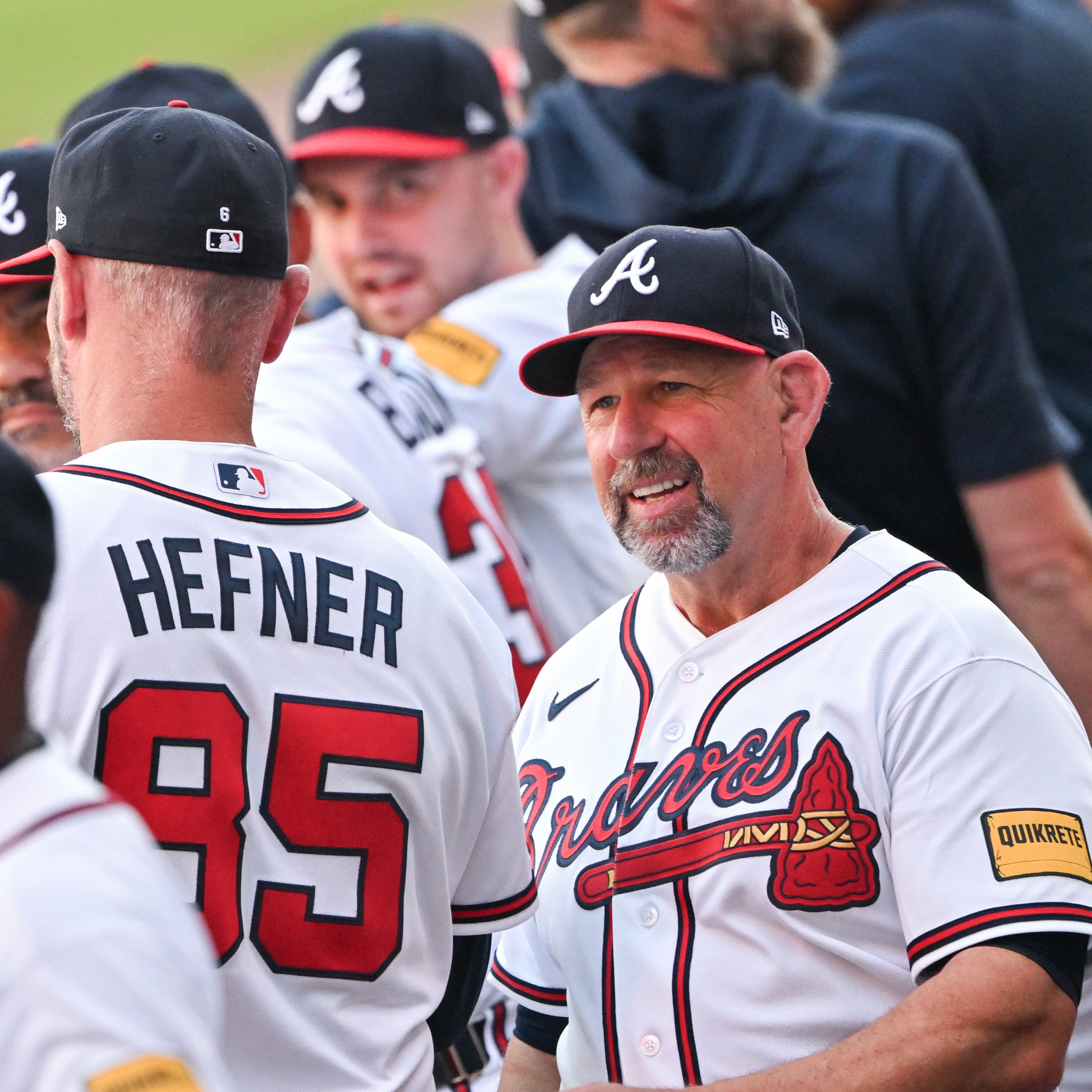
So what can be done to put a little more oomph into the Braves’ bats?
There is belief inside the organization that Murphy, who played with a bad hip for much of the 2024 and 2025 seasons, then broke a finger in 2026, can be more like the hitter he was during his All-Star season in 2023. There also remains confidence that Riley, after the worst season of his career, can find the remedy to his hitting woes this winter.
Acuña, when healthy, is still capable of putting up MVP numbers — and perhaps Braves leadership can work with him to allow more days of rest or more times as a designated hitter in the lineup to alleviate the wear and tear of manning right field every day.
Jurickson Profar, on paper, may provide a lift — if the club decides to have him remain in the clubhouse following a 162-game suspension. If not, signing a solid-hitting free agent to platoon in left field with Yastrzemski may be the move.

Then there’s the shortstop position, where the Braves have had somewhat of a revolving door since Dansby Swanson’s departure after the 2022 season. Dubón’s return would be welcomed, but if he’s not with the Braves in 2027 perhaps an offensive-minded shortstop could be found in the trade market.
It would certainly seem to behoove the Braves to add offense this offseason, especially after they were somewhat exposed in the postseason over seven games and two series. They hit just .183 as a team (only the Cubs, Astros and Red Sox were worse, but those three squads played just two contests) and struck out nine times per game.
Of teams who played at least seven postseason games, only the Dodgers and Rays had a worse OPS than the Braves’ .609.