Why Bottoms and Jackson are trying to ‘out-ethics’ each other
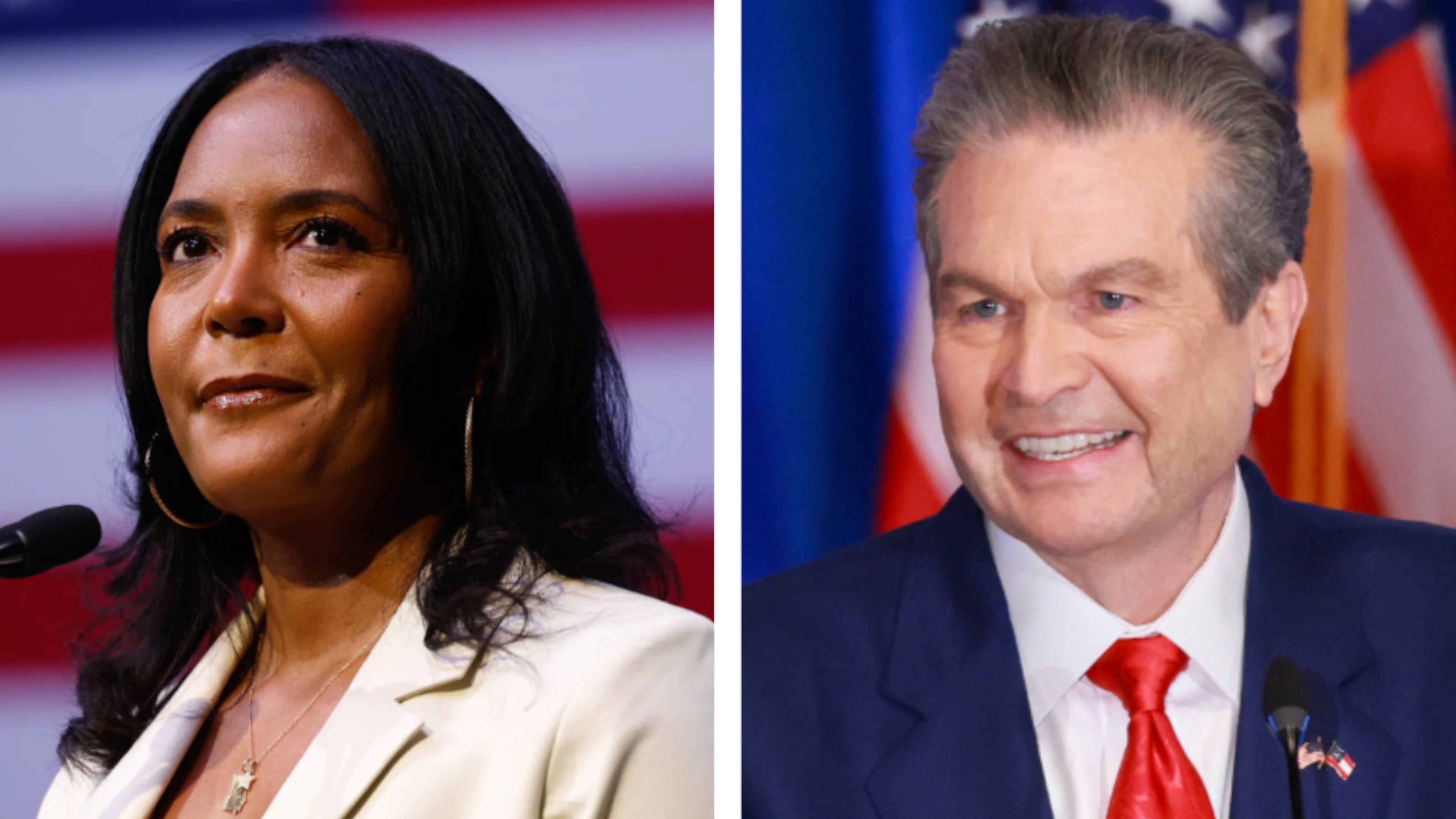

Democrat Keisha Lance Bottoms and Republican Rick Jackson are teasing new ethics overhauls as they race for Georgia’s top job, putting public trust at the forefront of a contest where both are trying to fend off fierce attacks on their own records.
Bottoms, the former mayor of Atlanta, told The Atlanta Journal-Constitution she’ll push for more transparency in state spending and strengthen Georgia’s watchdog agency to shed light on “very secretive” dealings.
And Jackson, the billionaire founder and CEO of a healthcare staffing company, is promising what he called the “biggest legislative ethics reform bill in the world,” complete with term limits and new efforts to block lawmakers from profiting from legislation they seek to pass.
Neither has fully formed proposals. But they reflect an appetite for transparency measures at a moment when candidates around the nation are making corruption and self-dealing campaign issues. They are also shrewd attempts to shore up the candidates’ own vulnerabilities.
Bottoms targets Jackson’s business ties to state agencies, including roughly $1 billion in payments to Jackson Healthcare subsidiaries since a no-bid contract was signed during the coronavirus pandemic in 2020.
Jackson has pledged to “unwind” his state government contracts if elected. But he recently agreed to extend a state contract for one of his healthcare companies through June 2027.
The contract with LocumTenens.com began in 2021 and has netted Jackson’s company around $18 million, state records show. He said Thursday he’ll use a clause to end it if he wins in November.
“On Dec. 31 we will not have a contract if I’m the governor-elect at that time,” he said.
Jackson extended that contract at the same time he has been hammering Bottoms over campaign finance violations and controversies involving taxpayer-funded travel during her time at City Hall, including a $37,000 fine in 2021 and a Super Bowl ticket initially purchased with taxpayer money for her husband, Derek.
Bottoms reimbursed the city $1,434.42 less than two weeks after the Super Bowl and months before the expense became public. Her office said at the time she was unaware a city credit card had been used.
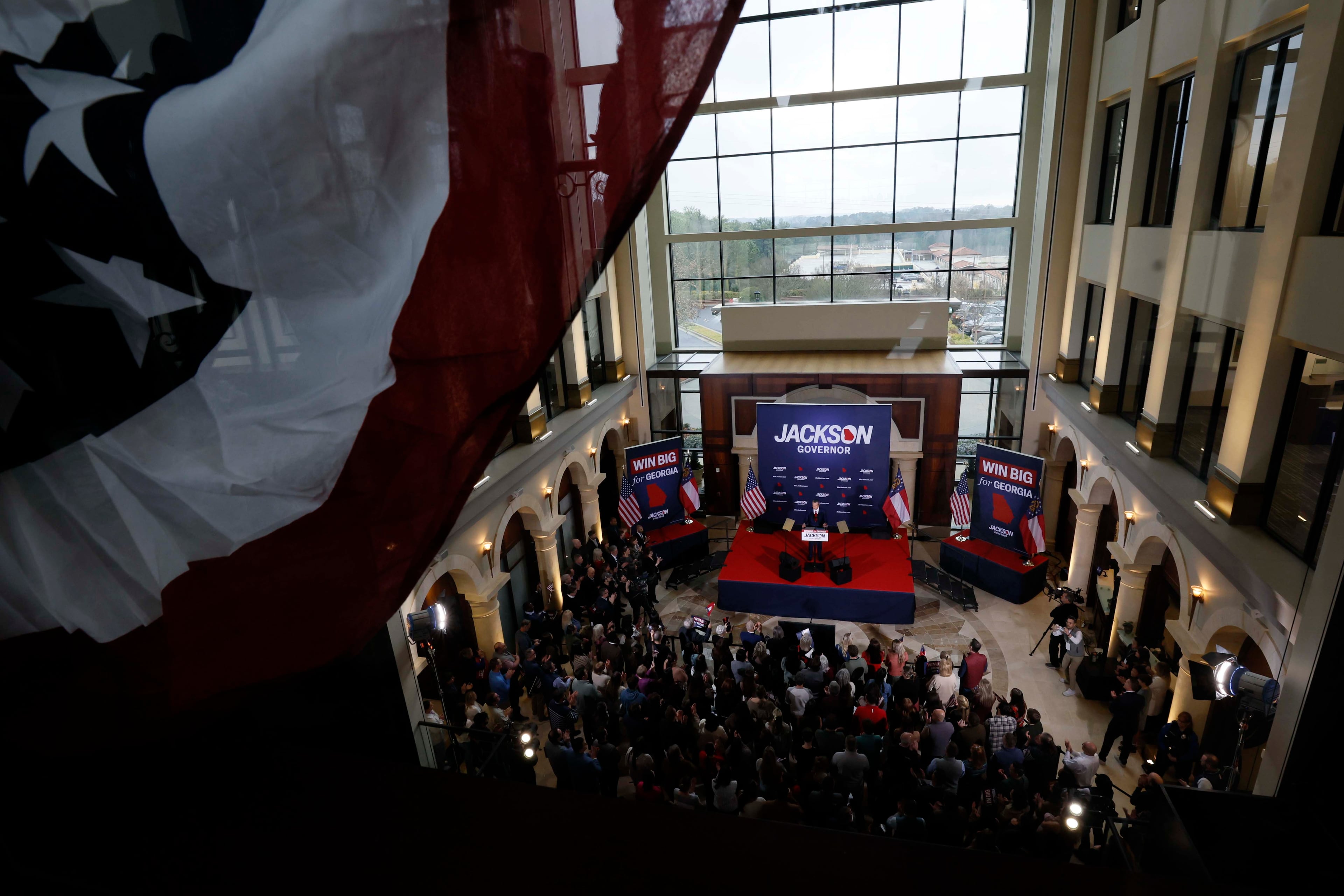
Both contend the other’s record makes tougher safeguards necessary, wading into decades-old battles that have faced bipartisan opposition under the Gold Dome.
“I’m thrilled that both sides are talking about it, since it needs bipartisan support to happen,” said McCracken Poston, a former Democratic legislator who helped lead the charge for ethics measures in the 1990s.
“I love to see both sides try to out-ethics each other,” he added. “But actually getting there is another problem entirely. They have their work cut out for them.”
A Georgia tradition
Ethics reform has been a favorite battle cry in Georgia gubernatorial politics for decades, despite former House Speaker Tom Murphy’s quip that the only people interested in it were “the newspapers and those folks running for governor.”
The Legislature passed its first cap on campaign contributions in 1990, though it came with a reminder that powerful interests weren’t going anywhere: then-Lt. Gov. Zell Miller’s campaign for governor landed a $100,000 check from the Georgia Medical Association just before the new limits took effect.
Next came new disclosure requirements for lobbyists and other modest improvements. But even a tawdry revelation that lobbyists took five state lawmakers on a golf outing to Daufuskie Island in South Carolina that included strippers failed to spur more significant action.
In 2000, as Gov. Roy Barnes pushed changes to campaign finance law, lawmakers wound up doubling contribution limits. Barnes later raised about $20 million for his 2002 reelection campaign.
Republican Sonny Perdue defeated Barnes that year with a pledge to “change the culture” under the Gold Dome and swiftly issued an executive order banning many state workers from accepting gifts worth more than $25.
Perdue also created Georgia’s Office of Inspector General to investigate fraud, waste, abuse and corruption inside the executive branch.
Another major overhaul came in 2013, when Republican Gov. Nathan Deal signed a package imposing Georgia’s first limits on lobbyist gifts to public officials.

Deal also embraced a plan to bolster the State Ethics Commission after a Fulton County jury sided with its former director, who said she was forced out for pursuing a probe of his campaign too aggressively.
The push-and-pull over ethics rules continued under Gov. Brian Kemp, though not always in the direction of tighter limits.
His administration strengthened the state inspector general’s office, but he also enacted “leadership committees” in 2021, which let certain top officials and legislative leaders raise unlimited contributions and collect money during the legislative session while state officials are banned from fundraising.
These committees have reshaped Georgia campaigns and frequently landed in court, with top figures from both parties arguing they are unconstitutional.
The watchdog question
Now there’s talk of going further.
Bottoms’ campaign said she wants an enhanced watchdog modeled on the Office of Inspector General created during her time as mayor, part of a package that also included tighter rules on city credit cards and an “Open Checkbook” portal detailing city spending.
City officials adopted them to restore confidence after a sprawling federal corruption investigation that began under former Mayor Kasim Reed’s administration.
Some of those changes remain a source of friction. Mayor Andre Dickens, who succeeded Bottoms, has sparred over the watchdog’s authority, which ultimately led to the inspector general’s abrupt resignation.
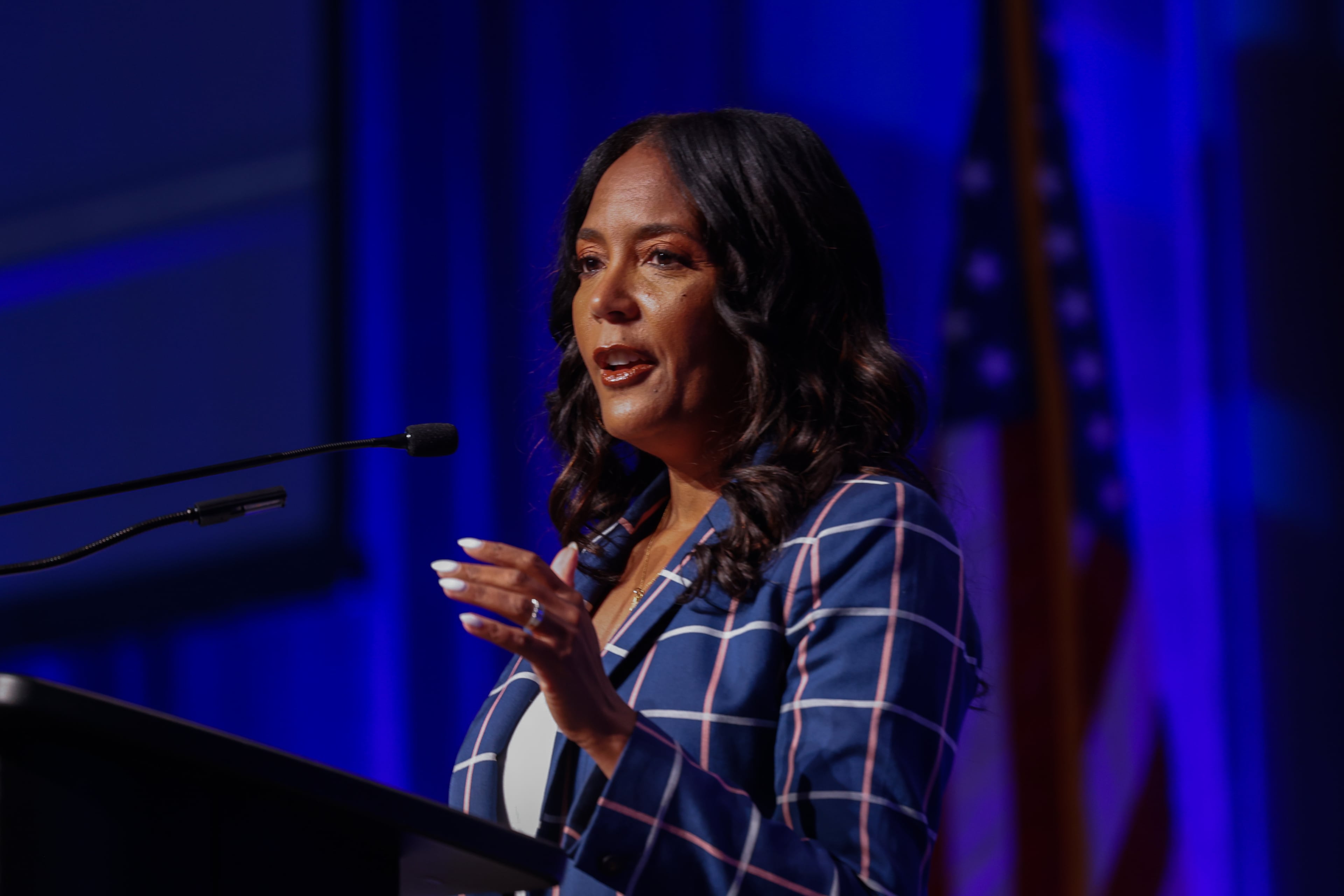
Other parts of Bottoms’ record have given Republicans material to challenge her ethics message.
Her 2017 campaign agreed to pay a $37,000 state ethics fine in 2021 stemming from campaign finance violations, some of which state officials described as “purely procedural,” such as improper paperwork.
Earlier this month, Bottoms’ campaign for governor missed a filing deadline by several hours that drew a sharp attack from Jackson. Her spokesperson blamed a technical problem.
Unwinding an unwind
Jackson’s ethics pitch is complicated by the extensive financial ties between his healthcare companies and state government — a connection rivals in both parties have made a defining line of attack.
A Jackson Healthcare subsidiary received a no-bid contract during the COVID-19 pandemic to provide medical workers to Georgia hospitals and nursing homes. Since then, subsidiaries have received roughly $1 billion in state payments.
Pressed about the potential conflicts, Jackson said he did not want even the “appearance that there’s an impropriety here.”
And he has pledged that his company will seek no new state contracts and will “unwind” existing agreements if he becomes governor, though he has not detailed precisely how or when each arrangement would end.
The recent extension of the LocumTenens.com contract that began in 2021 has put that pledge under a brighter spotlight. Bottoms seized on the extension to argue that Jackson should begin distancing his businesses from the state now rather than wait until taking office.
“Don’t just say it. Do it. Begin with, ‘to thine own self be true.’ He should start with ethics and transparency in his own dealings.”
Jackson, meanwhile, has framed his proposed overhaul as a broader attack on insider influence, pledging at a campaign stop in Columbus he “will root out public corruption and self-dealing.”
“Ethics and accountability comes first,” he said.