Rick Jackson, Burt Jones head to a runoff in GOP governor’s race
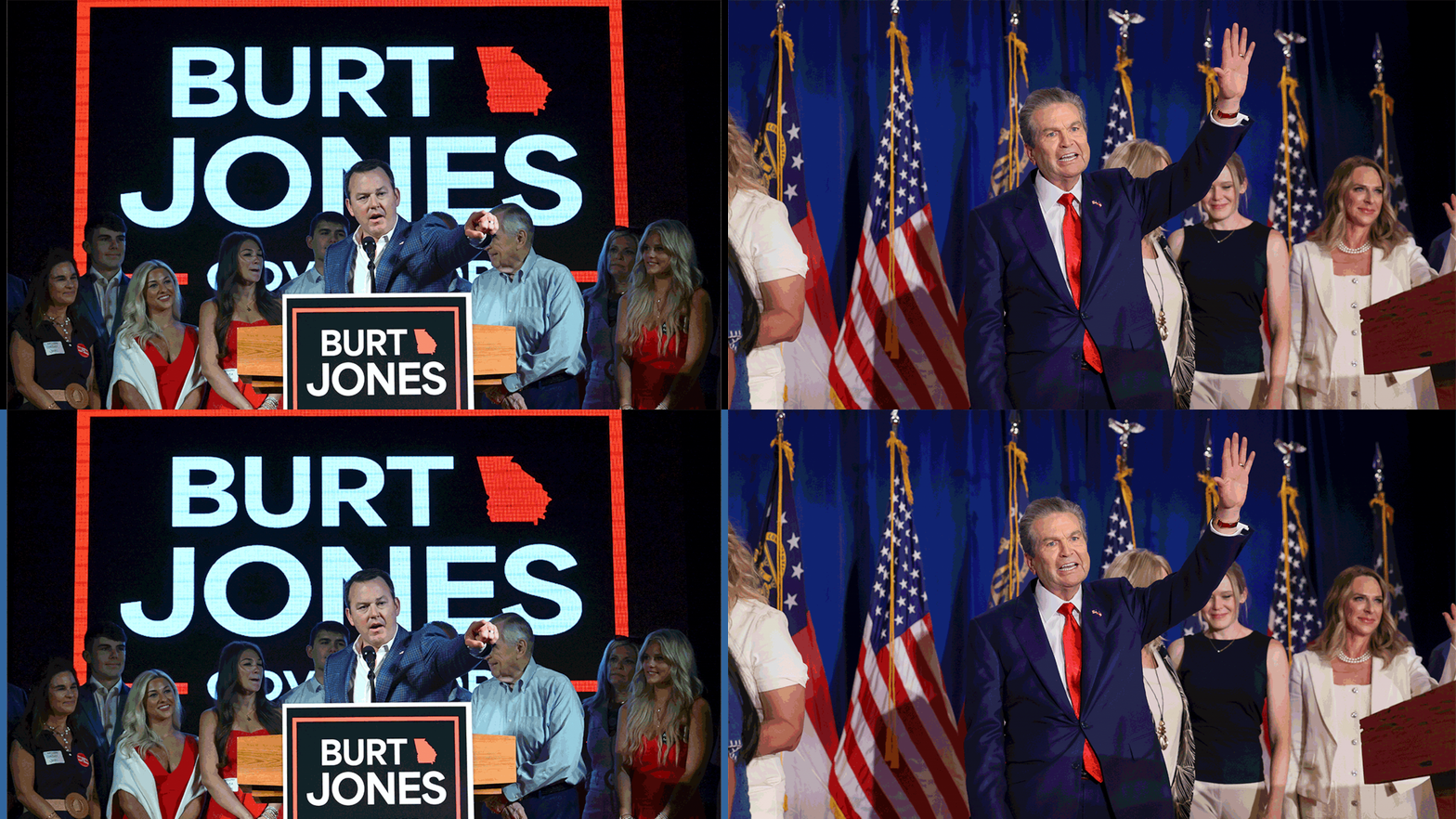

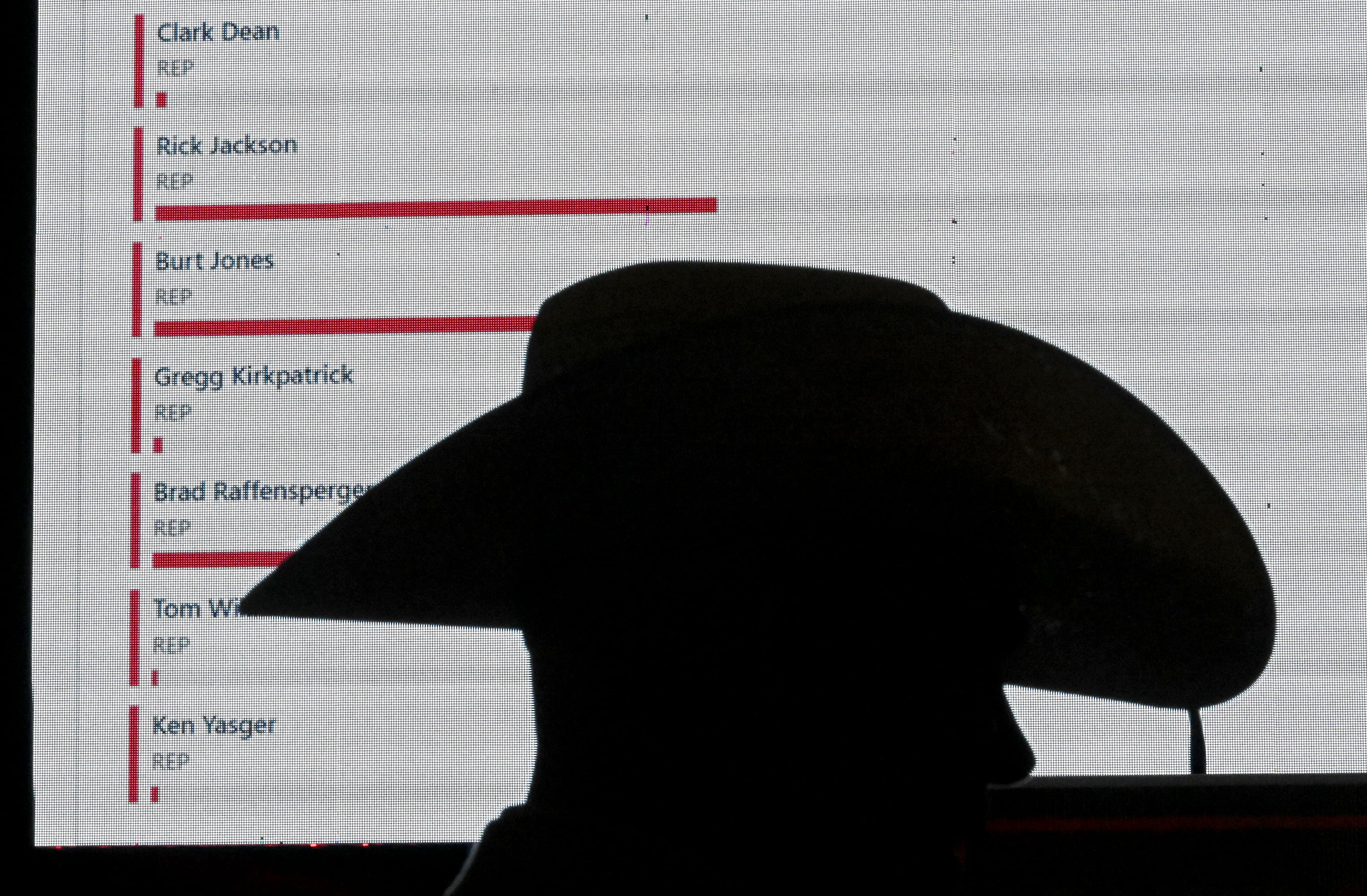
Billionaire Rick Jackson and Lt. Gov. Burt Jones will battle in a June runoff for the Republican nomination for governor of Georgia after neither could consolidate enough GOP support in Tuesday’s primary, despite an avalanche of attack ads fueled by a staggering nine-figure spending spree.
The two finished atop a crowded field that also featured Attorney General Chris Carr and Secretary of State Brad Raffensperger, who both struggled to break through in a GOP contest overshadowed by the feud between the two front-runners.
Now Jackson and Jones are bracing for an even thornier head-to-head matchup on June 16, centered on who can best cut taxes, pursue conservative policies and, perhaps most of all, carry out President Donald Trump’s agenda in Georgia.
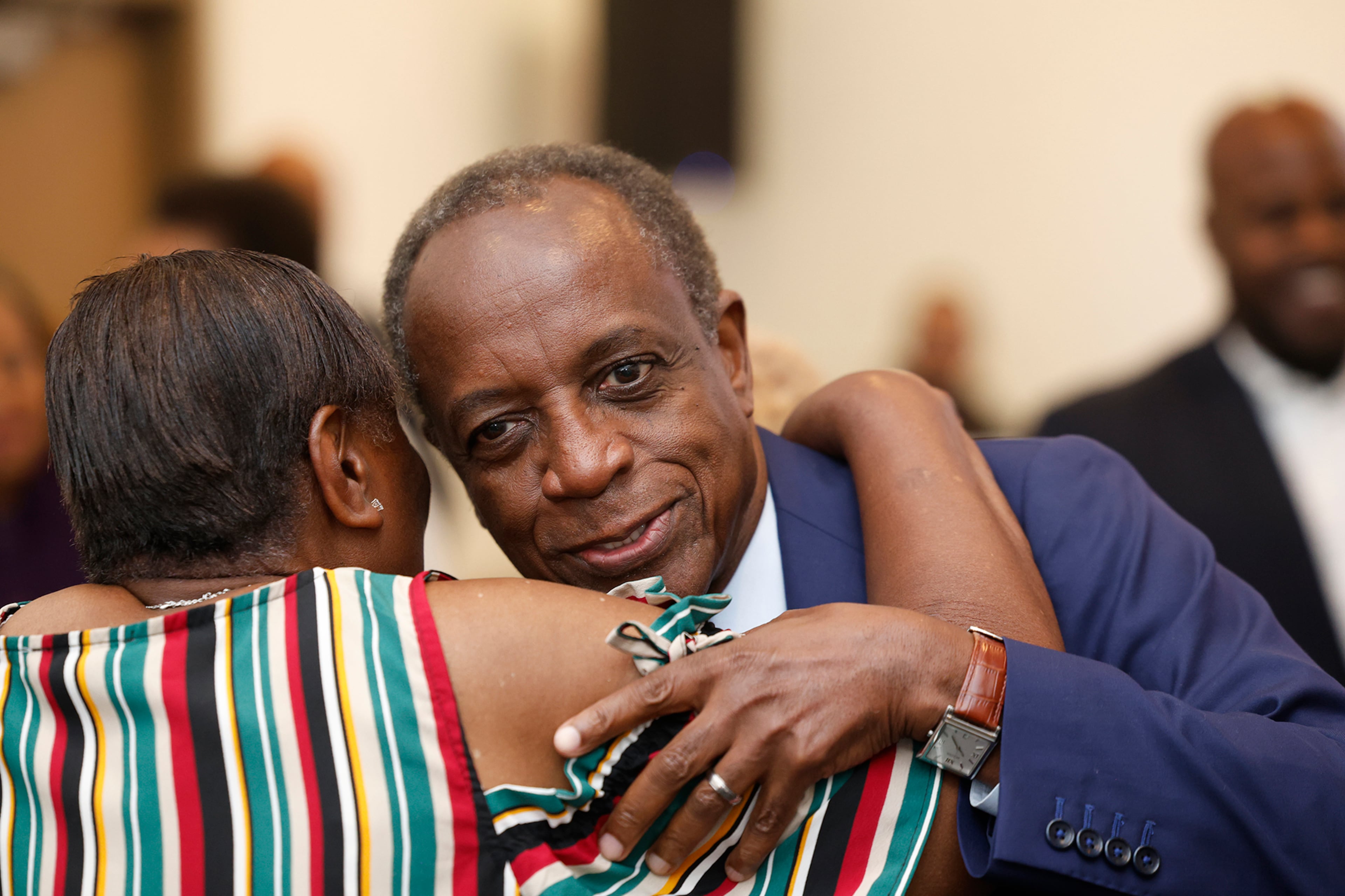
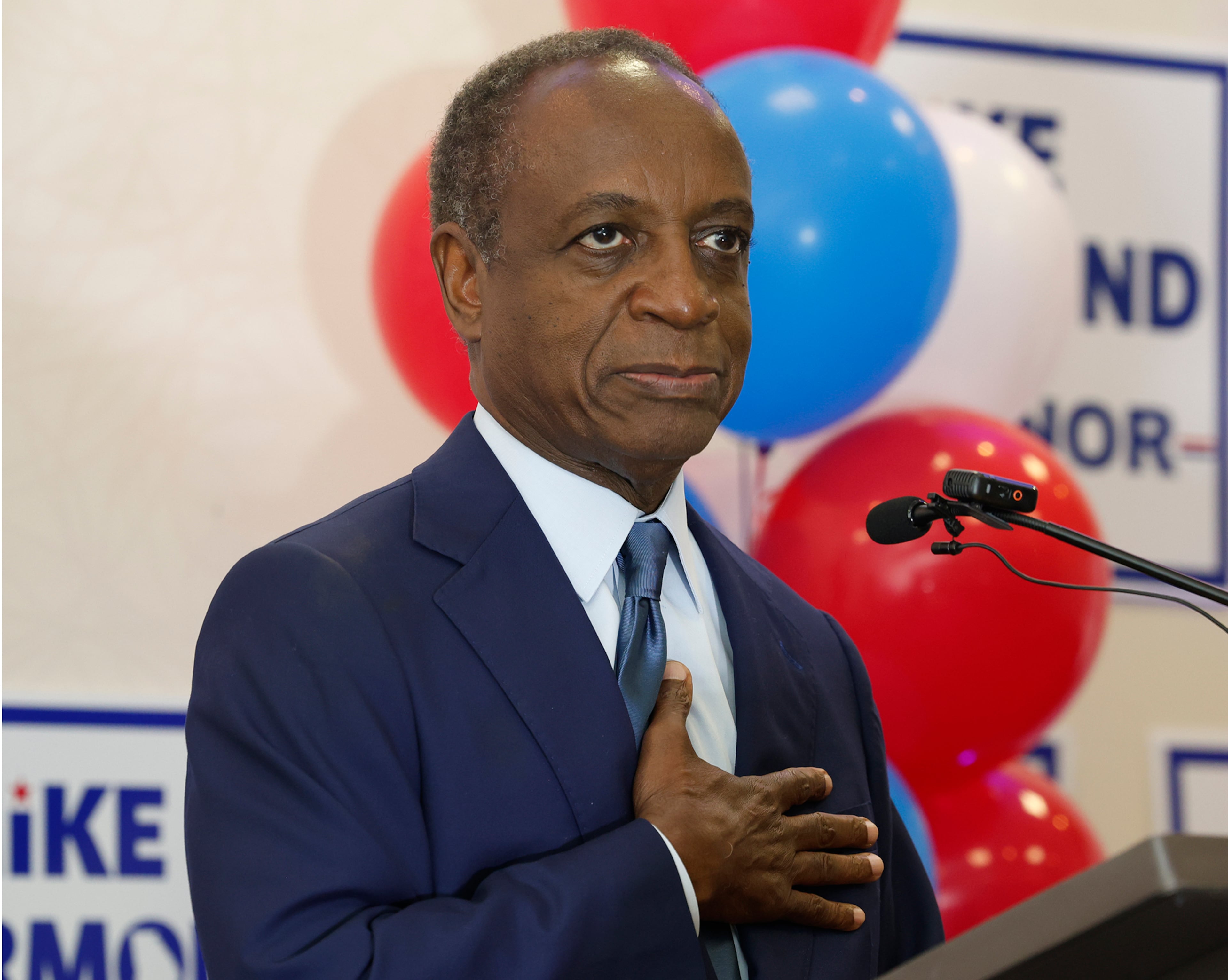
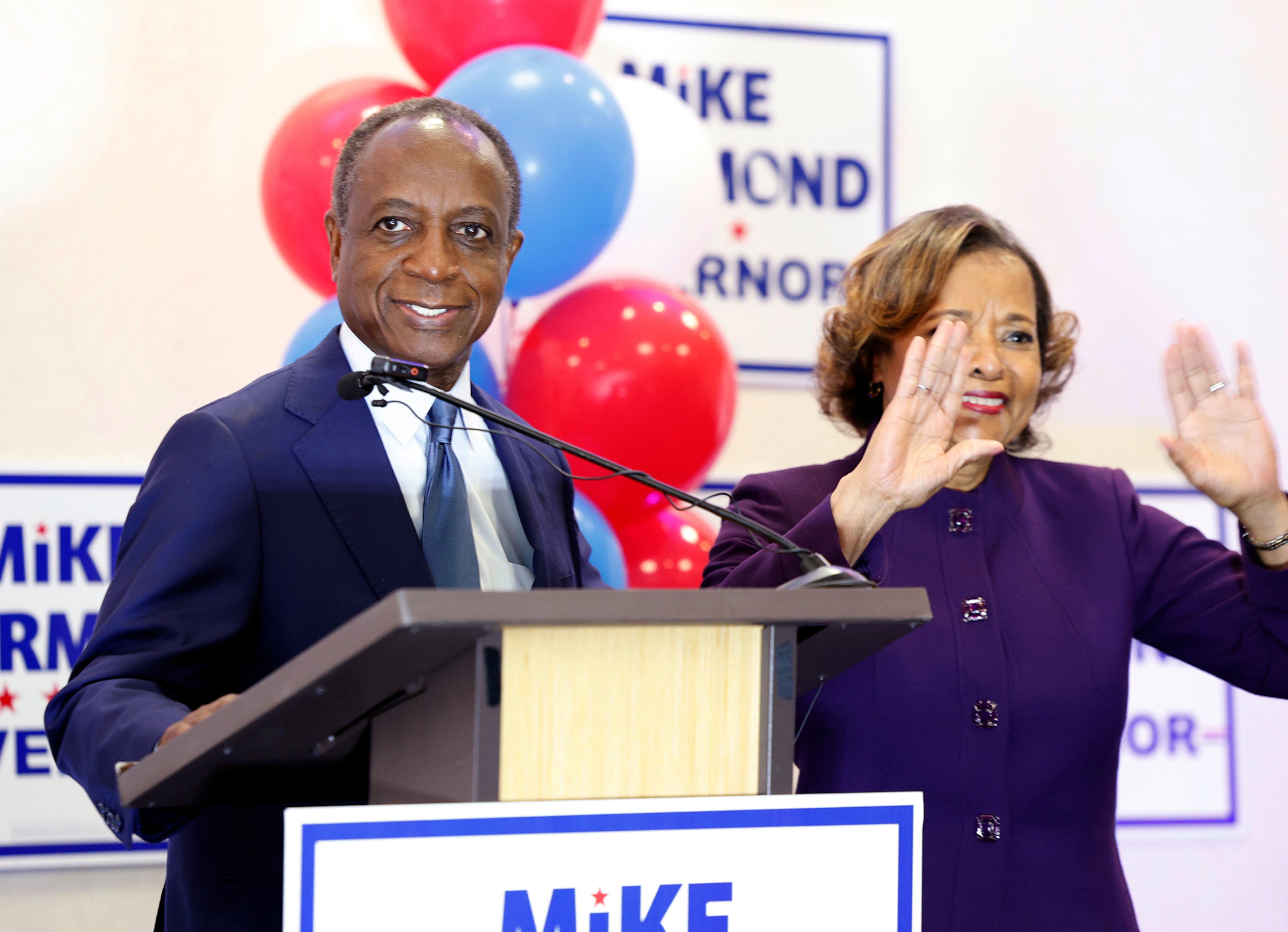
“We sent an earthquake through the political establishment,” Jackson told supporters at the Omni Hotel. “I think it’s safe to say we shook up the career politicians and the insiders.”
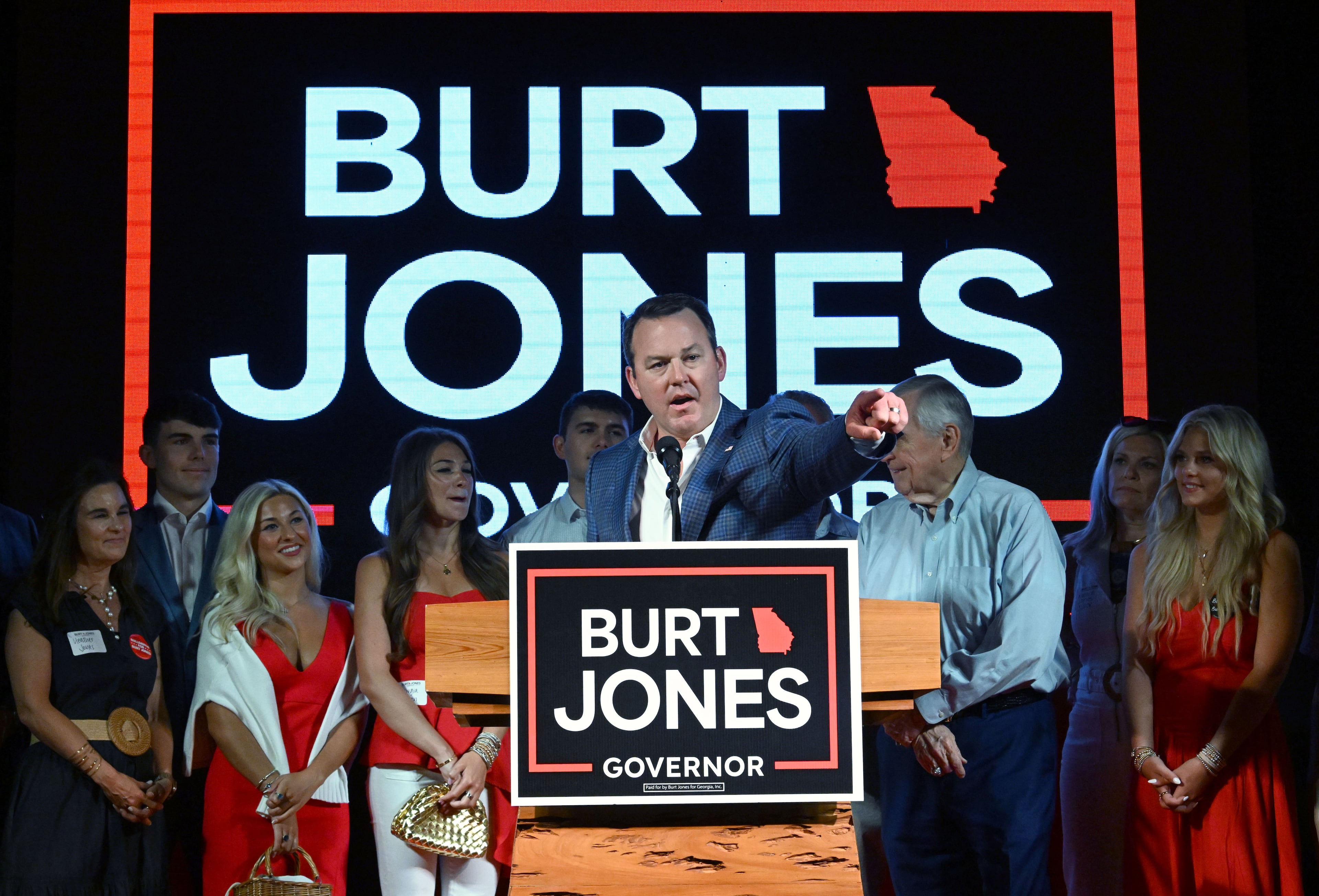
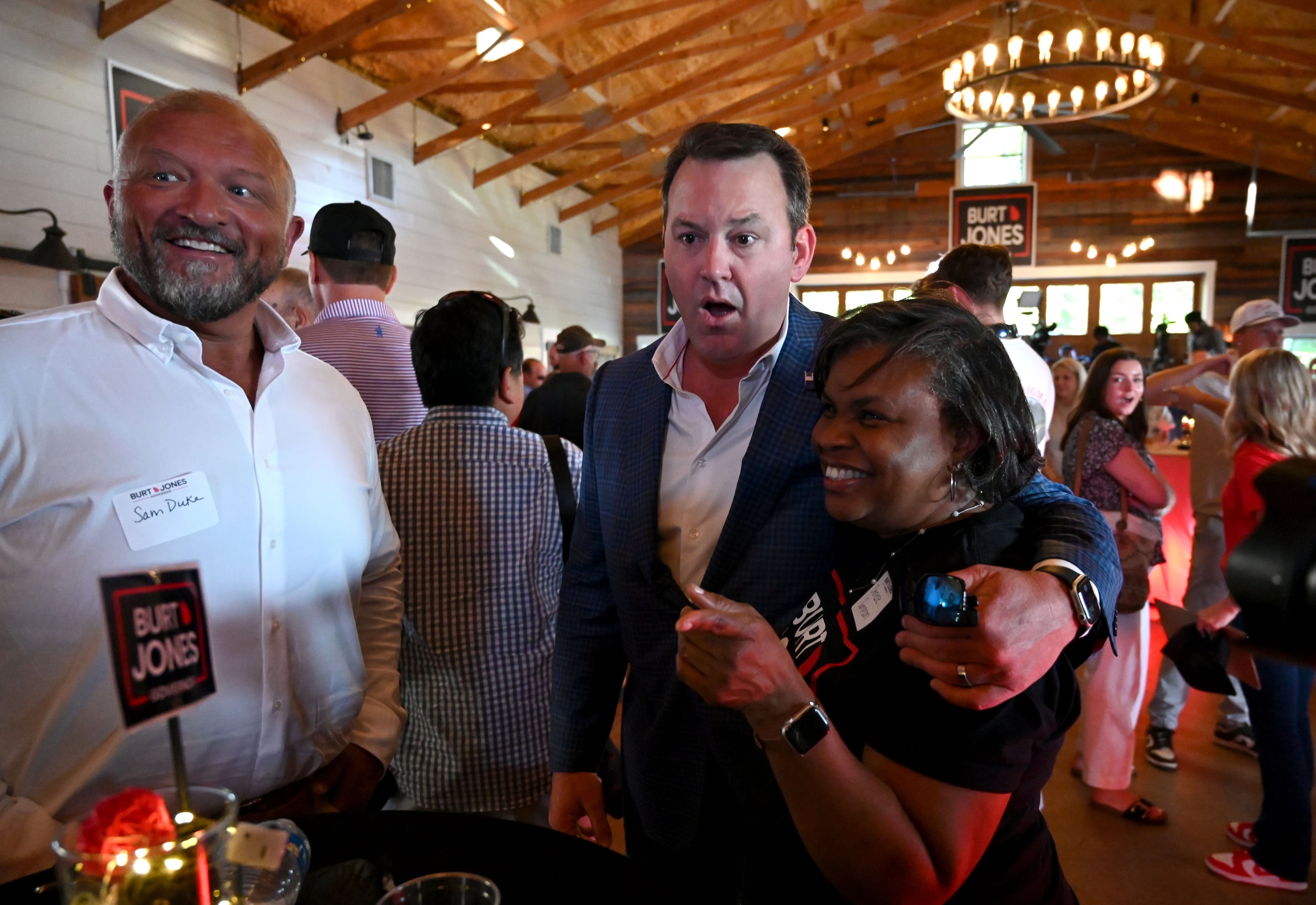
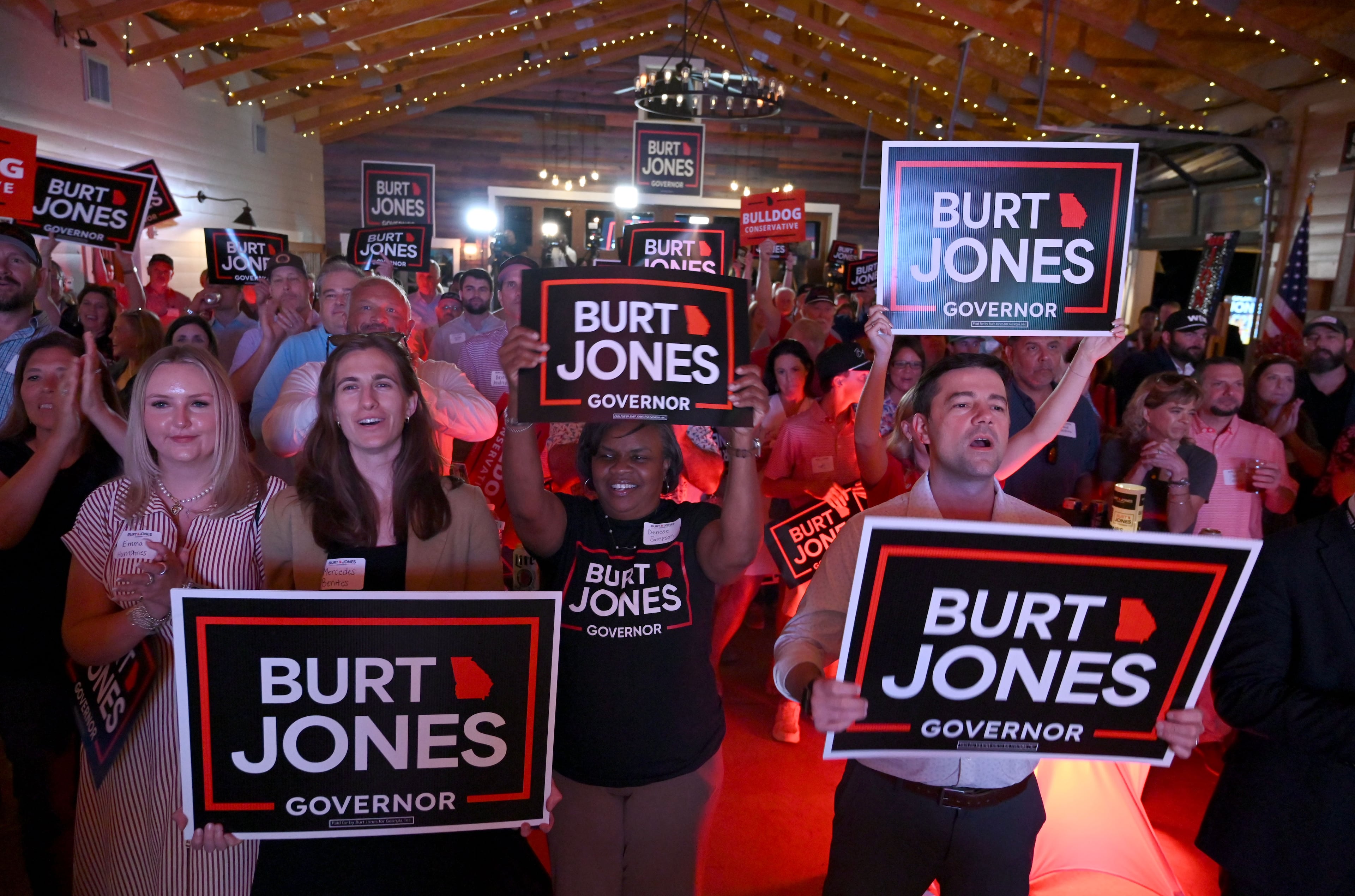
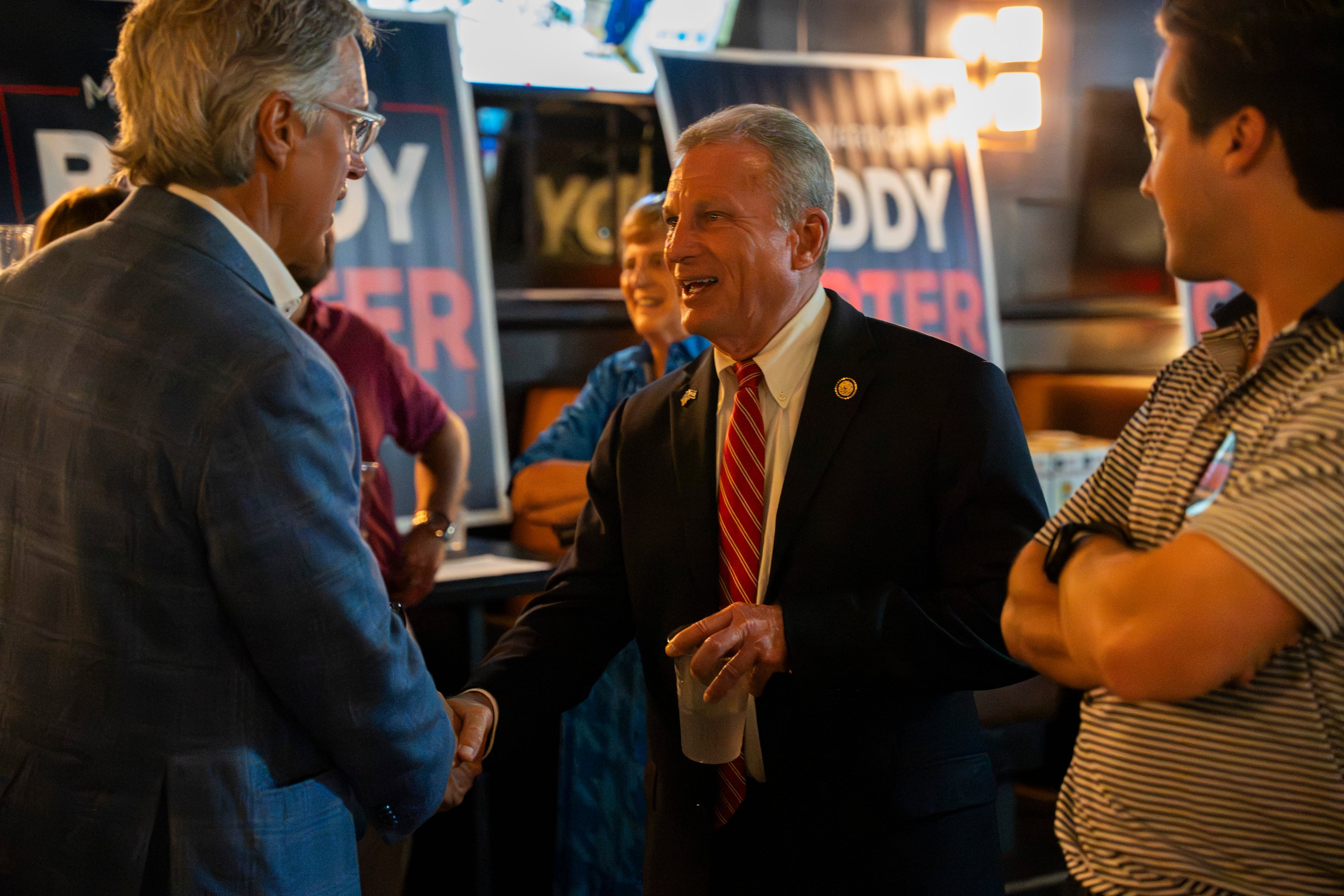
At a raucous hometown watch party in Jackson, Jones celebrated his first-place finish by casting Rick Jackson as a phony who spent unprecedented sums on his campaign only to place second.
“We’ve had more than $100 million spent against us — most of them attack ads against myself, my family,” Jones said.
The winner will face Democrat Keisha Lance Bottoms, the former Atlanta mayor who will get a head start on the general election campaign after winning her party’s nomination outright.
A runoff for Jones was never supposed to be part of the equation. Trump’s August endorsement seemed to put him on a glide path to the nomination against Carr and Raffensperger, two GOP rivals who had never fully won over the MAGA base.

Then Jackson detonated the race. The wealthy healthcare executive — whose $3 billion net worth is so large it could not fit on Georgia’s financial disclosure form — launched a surprise campaign in February with a promise to become Trump’s “favorite governor.” He has already poured at least $83 million of his own fortune into the contest, forcing Jones to spend at least $16 million of his family’s fortune to keep pace.
Jackson and Jones spent the campaign making many of the same promises: income tax cuts, property tax limits and a full-throated embrace of Trump’s agenda.
Georgia Votes: Primary elections
Democratic Governor: Keisha Lance Bottoms stuns rivals with outright primary win
Republican Governor: Rick Jackson, Burt Jones head to a runoff
Republican Senate: Collins, Dooley advance to runoff
Supreme Court: Justices defeat election challenges from attorneys
U.S. House: Jasmine Clark wins Democratic primary to succeed late U.S. Rep. David Scott
Election results: See who won and lost
Live updates: Reactions. analysis and key things to watch
Photos: Scenes from the 2026 Georgia Primary
Complete coverage: Georgia votes
But their styles could not be more different. Jackson, who grew up in foster care, cast Jones as a buffoonish insider who traded on his father’s wealth. Jones, meanwhile, has framed his rival as an untrustworthy closet liberal blowing his fortune on a political run.
Their feud grew so bitter that their rivals’ clearest lane became appealing to voters exhausted by the brawling.
The primary offered a revealing snapshot of a party that has held the Governor’s Mansion since 2003 but is still fighting over its future. The top contenders represented starkly different paths: a disruption-minded outsider, Trump’s chosen loyalist and a more traditional Republican brand that dominated Georgia politics a decade ago.
Bitter feud
Throughout the race, polls showed a base still torn over what kind of leader should come next. Many of those undecided voters broke toward the two front-runners in the final days of the race.
At the heart of the race was a personal rupture that turned into a political war. Jackson had once donated to Jones and publicly backed his bid before quietly preparing his own campaign launch.
With the ground softened by a mysterious $20 million ad blitz questioning Jones’ ethics, Jackson turned on his former ally with increasingly scathing attacks portraying him as a corrupt career politician propped up by his wealthy father’s business interests.
Jones responded by casting Jackson as an out-of-touch billionaire and closet Never Trumper with a history of donating to the president’s political rivals. Jackson countered that with a $1 million donation to Trump in December and a promise to make him proud.
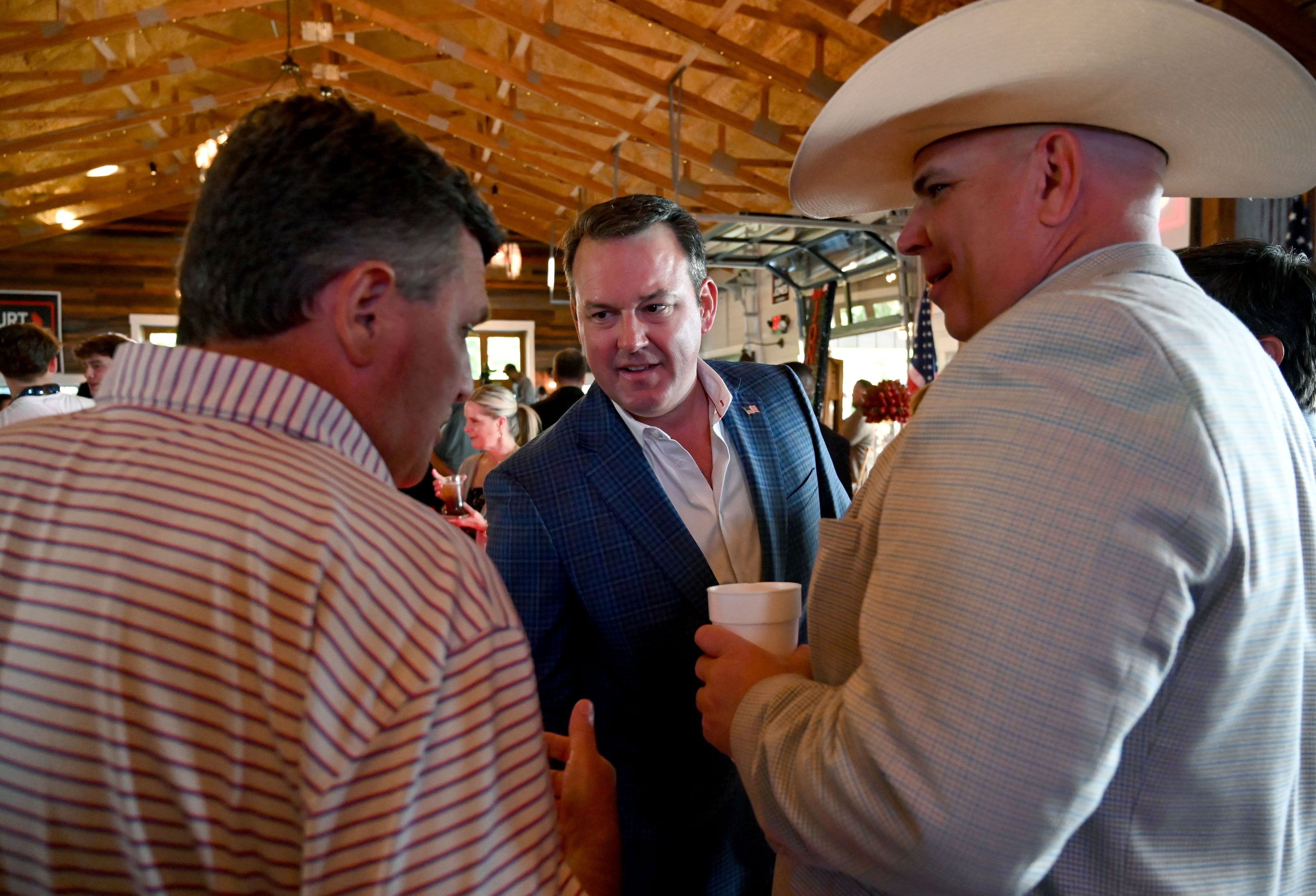
Their squabble spread from the airwaves to the Gold Dome, the courts and Trump’s orbit. Jackson challenged a state law that lets Jones raise unlimited campaign cash. Jones’ allies pushed legislation that would have made it harder for Jackson to run. And Jackson’s allies tried, without success, to undermine Trump’s embrace of Jones.
For some voters, Jackson’s promise of a Trump-like shake-up of state government was appealing.
“I like the way a businessman is running the country. I like the idea of trying that for the state of Georgia,” said George Meadows, 59, a recently retired Bibb County sheriff’s deputy in Macon.
‘Kidding ourselves’
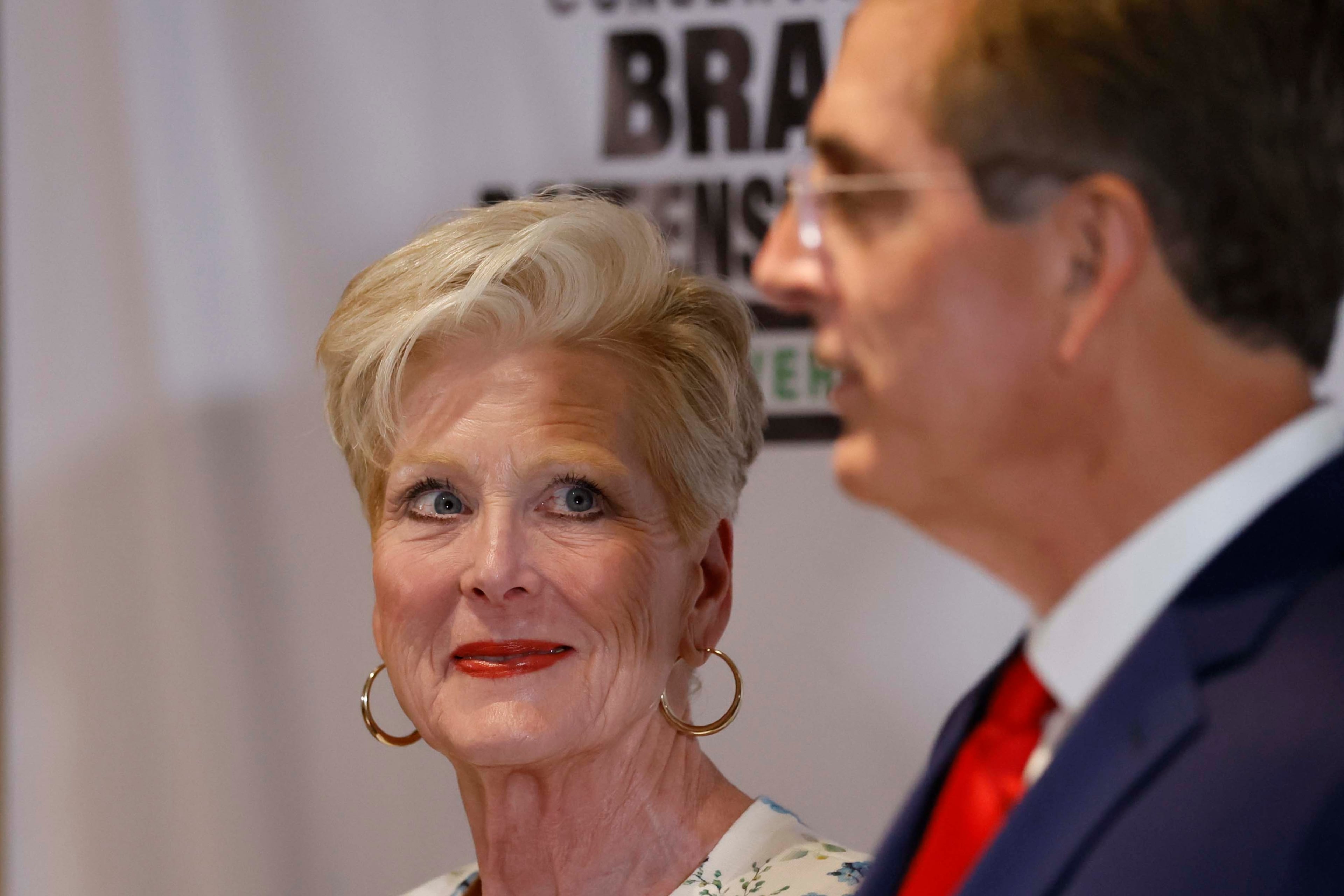
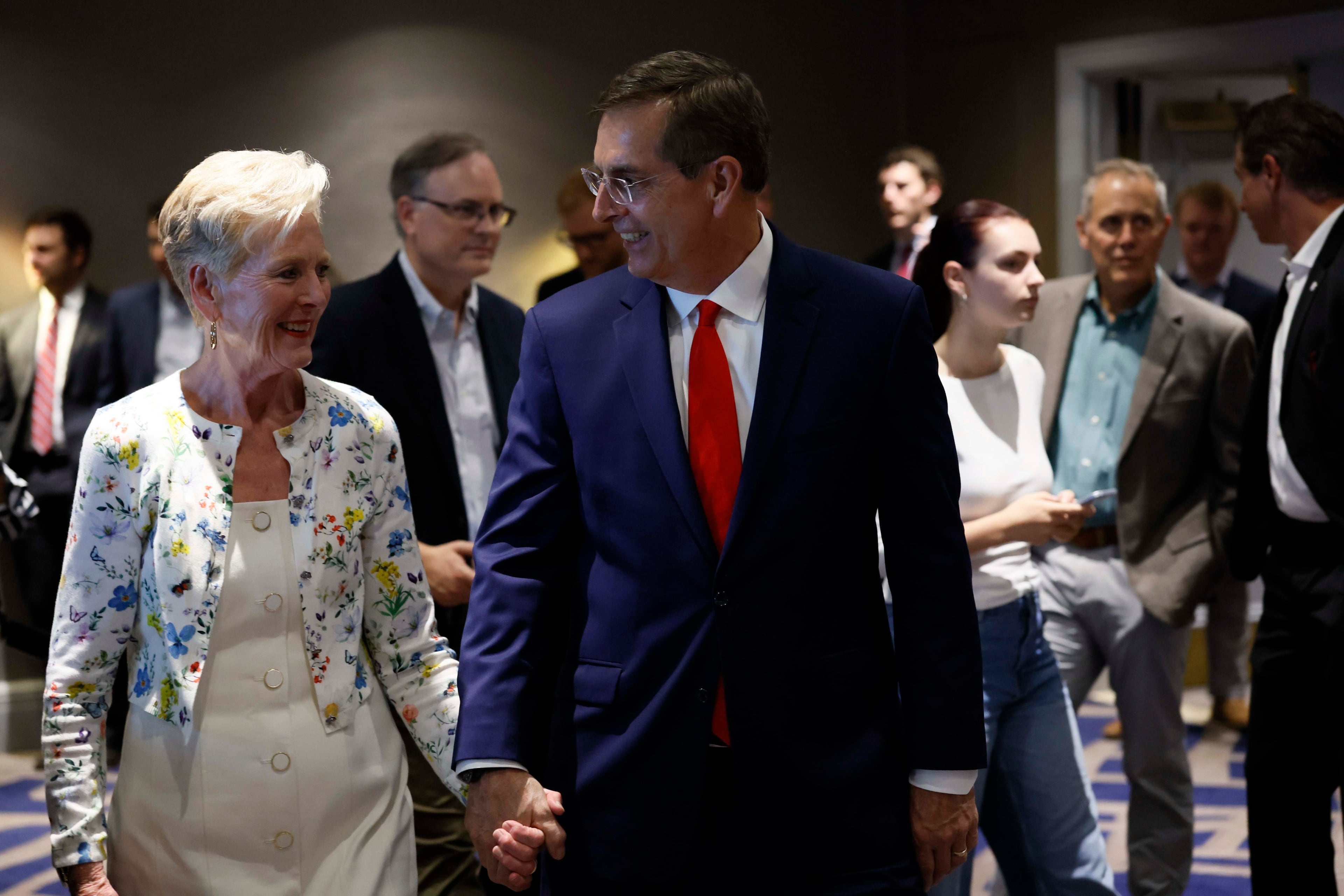
Raffensperger’s campaign was shaped by a different burden: the long shadow of 2020.
That past returned in the campaign’s final stretch when Raffensperger’s campaign received what it described a four-page handwritten “manifesto” threatening his life, reviving memories of death threats and harassments he faced after certifying former President Joe Biden’s victory six years ago.
Raffensperger tried to keep his campaign focused on the future, sticking largely to Rotary Club meetings and policy-heavy forums rather than purely partisan Republican gatherings.
But he was never far removed from the backlash that has followed him for years, including unsuccessful attempts by GOP activists to banish him from the party.

In a plan labeled “Groundhog Day Returns,” he urged lawmakers to adopt election security and transparency measures “instead of falling prey to recycled accusations.”
But the past kept finding him. He toured the state with an expanded security detail, fielding questions that pulled him back to 2020 even as he tried to keep his campaign fixed on affordability, public safety and jobs.
“Great quarterbacks like Tom Brady didn’t win every single game,” he told supporters, “and so sometimes it doesn’t go your way.”
Carr, meanwhile, struggled to find his footing since entering the race in November 2024. He closed his campaign with a warning of tough times ahead for the GOP.
“If we as Republicans don’t think we’re going to have headwinds in November, we are kidding ourselves,” Carr said in an interview after a final campaign stop Monday. “And if we Republicans think that the Democrats can nominate anybody, even Keisha Lance Bottoms, and we can win, we are kidding ourselves.”













1 / 45
‘Throw it all in’
Now the bitter Jackson-Jones slugfest continues.
The only debate featuring the two candidates offered a preview of the upcoming runoff, which somehow could be even more personal, expensive and bruising than the primary.
During that hourlong showdown, Jackson struggled to directly answer whether he or his company had employed workers living in the country illegally, a televised flub that quickly became grist for attacks.
Jones faced sharp accusations of his own, including claims from Jackson that he used his power to punish Republicans who backed his rivals and demanded campaign contributions for meetings.
Now, their war will continue for another month. Jones will likely add to the $16 million he’s already poured in the race, and he can tap a fundraising committee that is allowed to raise unlimited sums. His campaign has already lined up fundraisers for the weeks ahead.
Jackson could dig deeper into his seemingly bottomless coffers.
“I’ll do whatever it takes to do it,” he said in an interview of his decision to run. “Otherwise, I wouldn’t get into it. I don’t go into projects thinking, let’s try it out for a while and see how it’s going to work. I throw it all in.”
Staff writers Cassidy Alexander, Joe Kovac Jr. and David Wickert contributed to this report.