Facing more lawsuits, ex-Sheriff Victor Hill files for bankruptcy again

Former Clayton County Sheriff Victor Hill owes nearly $500,000 to a landscaper he arrested and strapped to a restraining chair, and he still faces a barrage of lawsuits over similar alleged behavior, according to documents filed in Georgia bankruptcy court this month.
The controversial ex-lawman, long accused of using his position of power to act on personal vendettas, filed for bankruptcy for the second time since 2008, seeking the court’s protection as he works through his outstanding debts. The filing puts an automatic pause on all other pending lawsuits against him.
Hill, who once hailed himself as “The Crime Fighter,” said he is still unemployed after serving 10 months in an Arkansas prison for violating the civil rights of jail detainees.
In the bankruptcy filings, he lists himself as the primary owner of two LLCs, including one bearing the name of a book he penned while in prison, “Vigilante Sheriff: The Truth About Corrupt Prosecutors Weaponizing the Legal System,” and another bearing the name of the publisher of that book.
In lawsuits and court testimony, several men, including landscaper Glenn Howell, said they were mistreated by Hill and his staff inside the Clayton County Jail, where they were strapped to restraint chairs for hours on end as punishment.
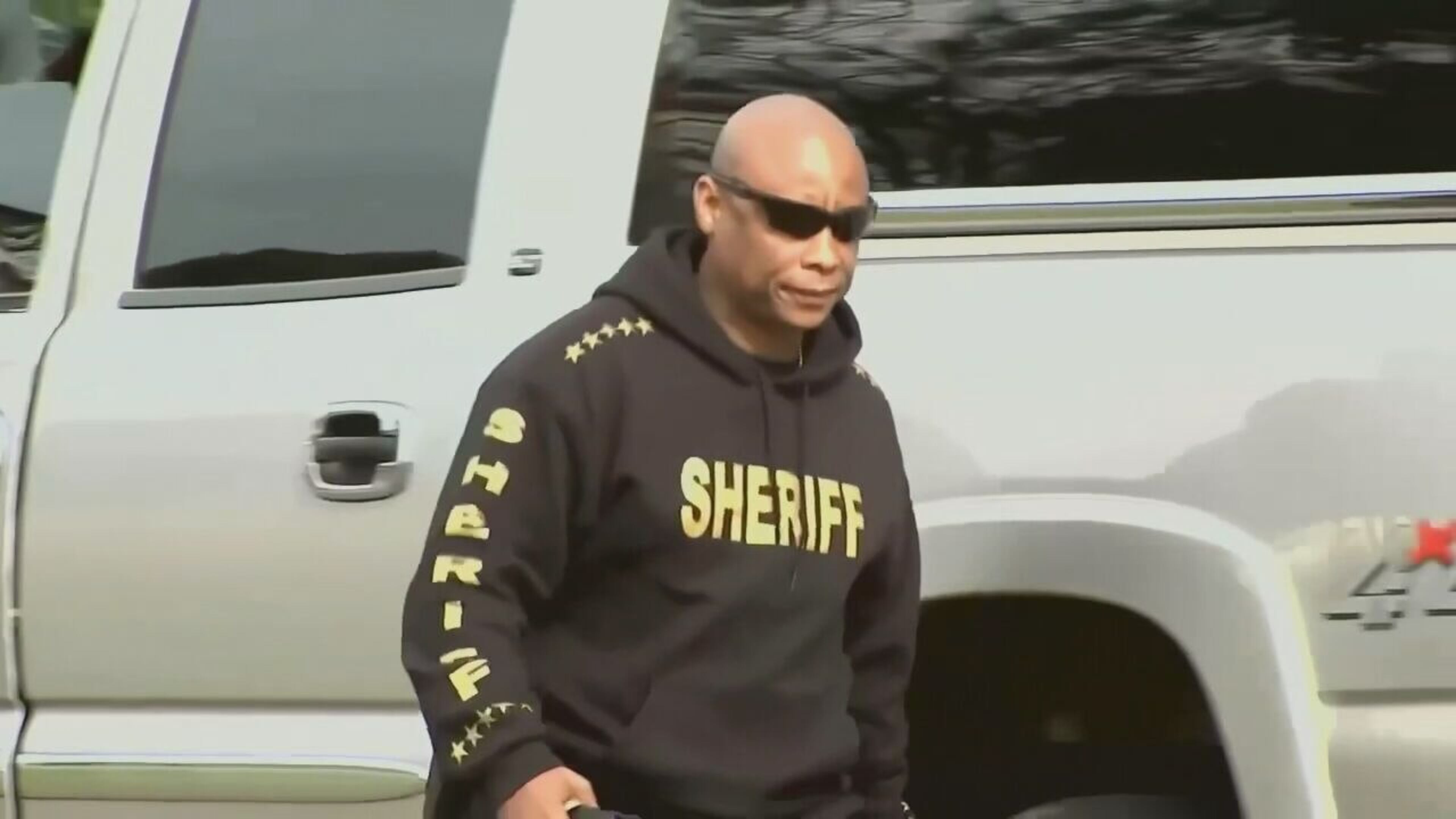
Hill estimates his combined personal assets are worth about $275,000, far less than he owes to Howell alone, records show. The former sheriff indicated he makes nearly $10,000 a month from his pension. He rents a home in Jonesboro and leases an Audi, he said in his Chapter 13 bankruptcy filing.
Chapter 13, which is reserved exclusively for individuals and not companies, would allow Hill to keep his personal property while disposing of his debts over three to five years.
Jack Williams, a bankruptcy expert who teaches at Georgia State University College of Law, told The Atlanta Journal-Constitution that Chapter 13 allows filers to use a set amount of their income to pay claims.
“It’s viewed as a good-faith attempt to at least pay some of your debts as opposed to just liquidating your assets and walking away,” he said.
Anything the former sheriff is unable to pay would likely get discharged, he said. On average, Williams said nearly half of Chapter 13 bankruptcies fail and end up being converted to Chapter 7, in which the filer’s assets are liquidated to pay back creditors.
In May 2024, about two months after his release from federal prison, records indicate Hill transferred more than $400,000 worth of property to the two LLCs. Accounts associated with those companies are now worth about $150,000, Hill said in his filing.
Neither Hill nor his attorney responded to questions about the bankruptcy filing, which comes amid the former sheriff’s plans to challenge U.S. Rep. Nikema Williams in the upcoming Democratic primary.
Hill announced his campaign for Georgia’s 5th congressional seat last year, saying he was urged to run by his fellow inmates at Forrest City Federal Correctional Institution in Arkansas.
But that was before he was ordered to pay a partial judgment of nearly $600,000 in compensatory damages to Howell.
He testified in the filing he paid Howell a combined $103,000 last month, but said he still owes $497,000. The presiding judge administratively closed the civil case last week, saying the parties could move to reopen it at the conclusion of the bankruptcy proceedings.
Hill previously filed for bankruptcy in 2008, a day before he left office following his first stint as Clayton’s sheriff.
Hill first took office in January 2005, beginning his tenure by firing 27 deputies who were stripped of their guns and badges and then escorted out as sheriff’s office snipers stood guard on the roof of the jail.
He lost reelection in 2008 and filed for bankruptcy at the end of his tumultuous term, saying in court filings that he couldn’t pay the $1.7 million in damages from several lawsuits racked up during his first four years as sheriff.
Clayton County voters reelected Hill in 2012. Then in 2013, he used $300,000 of the sheriff’s office budget to settle a false-arrest lawsuit against him that helped push him into personal bankruptcy the first time, the AJC reported.
Hill had his predecessor’s brother arrested following two brief but heated phone calls, resulting in a $665,000 civil judgment, according to his previous bankruptcy filing. That bankruptcy case was discharged in 2014.

Zack Greenamyre, an attorney representing another of Hill’s victims in one of the now-paused civil suits, argued the ex-sheriff’s current debt is non-dischargeable and said he should have to pay.
“I’m not sure exactly why he’s doing this, but I think it’s because he’s frustrated that Clayton County is not currently indemnifying him like they generally do,” said Greenamyre, who represents Raheem Peterkin.
He said his client, like others, was placed in a restraint chair inside the jail and “left to rot.”
Clayton commissioners recently voted to settle another of Hill’s lawsuits for $70,000, said attorney Mark Begnaud, whose client, Timothy O’Neil, was also placed in a restraint chair for hours.
He said the sheriff was upset that he had to shut down I-75 during O’Neil’s arrest and took it out on him during his time in custody. O’Neil, he said, was kept in the jail’s mental health wing for weeks with nothing more than a paper gown to cover himself.
“This is part of an ongoing pattern from Sheriff Hill,” Begnaud said.
The civil case was scheduled to go to trial next month, but Begnaud said they agreed to settle with the county due to concerns over Hill’s ability to pay.
“Quite frankly, I would hope to get more for my client on a case like this, but we were worried about actually being able to collect,” he said.
Instead, they reached a settlement amount they felt was “the best we could do.”
About the Author