Atlanta banned data centers in most of the city. One is trying anyway.

Atlanta put data center developers on notice two years ago, effectively saying they aren’t welcome in much of the city.
The City Council banned new data centers within a half-mile of the Beltline and MARTA stops. Last summer, the city went even further to prohibit these facilities in several neighborhoods while requiring additional permits for everywhere else.
The policies meant the capital of the South — and the epicenter of the country’s hottest data center market since the artificial intelligence boom — became one of the largest cities to resist the industry’s rapid proliferation.
“Data centers don’t belong in intown Atlanta, full stop,” said Councilman Jason Dozier, one of the sponsors of those bans.
Those restrictions are facing their first test.
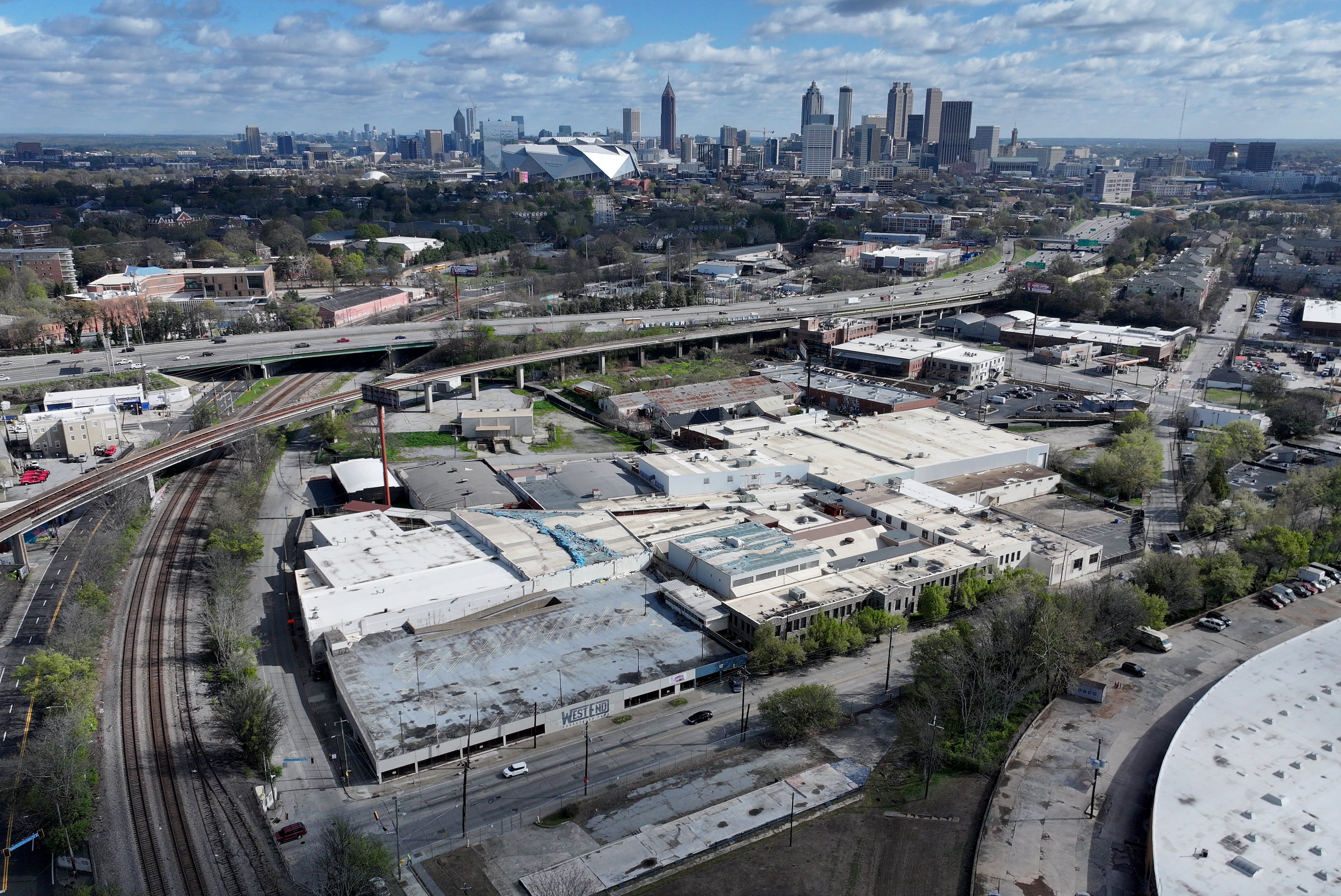
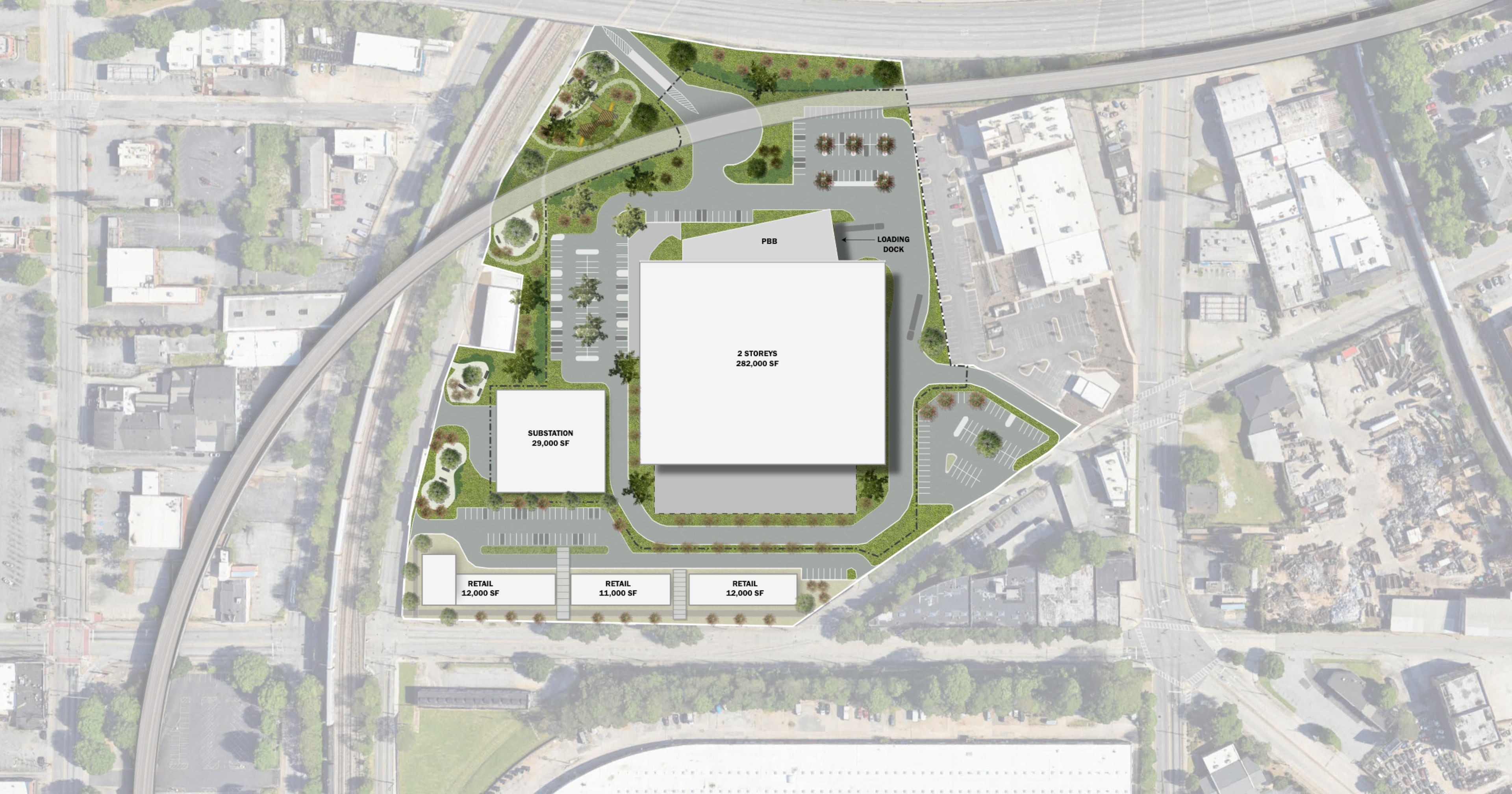
Texas-based real estate investment trust Digital Realty is proposing a $500 million plan to convert a polluted and vacant film production park into a data center near a MARTA station and the Beltline in Adair Park, roughly 2 miles southwest of downtown.
The proposal, which has sparked petitions, is working its way through neighborhood groups and will need the City Council’s blessing to gain an exemption from its recent bans, with a vote expected in June.
The project raises tensions over how to best use land near transit stops, the Beltline and Atlanta’s urban core. Many longtime residents yearn for housing and projects catered to pedestrians. But Digital Realty and its supporters say digital infrastructure isn’t something that can be ignored or entirely pushed out into the suburbs.
Data Surge: An AJC series
Data center development is surging in Georgia with metro Atlanta becoming the fastest growing market for server farms in the U.S. and one of the top locations in the world. But the data center boom has raised many questions about land use, the resources the complexes consume and the risk of costs being spread to other Georgia residents and businesses. The Atlanta Journal-Constitution “Data Surge” takes an in-depth look into the power and water demands of data centers and the deliberations of policymakers about this rising industry.
Part 1: Why mall-sized data centers are popping up across Georgia
Part 2: Data centers become new flashpoint for local controversy in Georgia
Part 3: Data Center Alley has lessons to teach. Is metro Atlanta listening?
Part 4: As data centers flock to Georgia, state lawmakers haven’t pumped the brakes
Part 5: Data centers’ thirst for power and water places Georgia on edge
Part 6: Why Big Tech sees Georgia farmland as ripe for data centers
Part 7: What data center companies are spending for Georgia land might shock you
Part 8: Data centers promise tax gains for Georgia. But are they delivering?
Part 9: Georgia’s sales tax breaks for data centers tally more than $2.5 billion
Part 10: Metro Atlanta cities question how many data centers are too many
Part 11: Atlanta banned data centers in most of the city. One is trying anyway.
Data centers have become controversial pretty much everywhere, raising concerns over their copious power consumption, water usage and imposing scale. They’ve been a hot topic in Georgia’s Legislature and utility regulation meetings for years.
Digital Realty operates large data centers like its peers, which are called hyperscalers, but its executives argue the Adair Park plan proposal is different. They say it can’t be built anywhere else because it needs to be close to downtown.
Specifically, they said it needs to be near the company’s facility at 56 Marietta St. called a carrier hotel, which acts as one of the country’s largest connection points for the exchange of online information.
“To put it simply, we need to be close to 56 Marietta and the fiber and physical wires that connect this facility back to 56 Marietta,” said Andrew Alves, Digital Realty’s senior vice president of acquisitions.
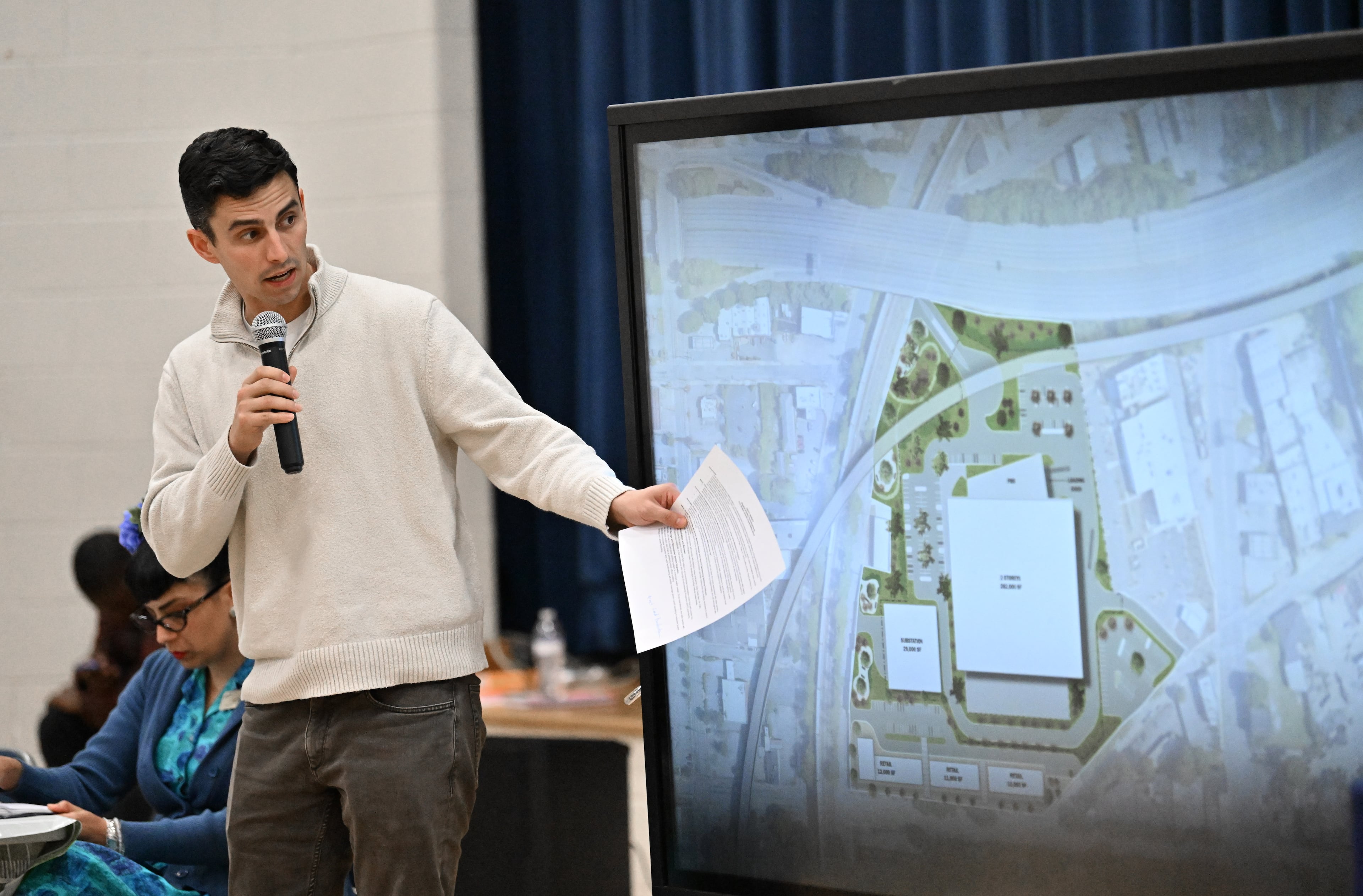
He said downtown’s carrier hotels have run out of space that supports hundreds of clients, ranging from local organizations to Fortune 500 companies.
“You can see the school board of Atlanta in there, the Georgia Aquarium, the Atlanta 911 call center,” Alves said of clients within the carrier hotels. “That’s helped a lot of folks sort of say, ‘Wait a minute, this is infrastructure, and we do need this.’”
In its effort to gain support, Digital Realty is reserving some of the property for retail shops and negotiating a community benefits agreement with the surrounding neighborhoods.
Another factor is latency concerns, which arise when the physical distance data has to travel through fiber lines causes a delayed response. Even a few miles can cause milliseconds of delay, which Alves said can be critical.
That proximity may serve the company’s customers and digital ecosystem, but several Adair Park neighbors argue it won’t serve them. Instead, it would take away a redevelopment site in a fast-changing corridor near the West End MARTA station.
The decision in Adair Park could also have far-reaching consequences.
“I’d imagine there’s other data center companies that have their sights on lucrative intown locations, whether it be along the Beltline or in downtown Atlanta,” Dozier said. “This entire process is going to inform their decision-makers going forward.”
Matt Garbett, an Adair Park resident, also questioned what message it would send for Atlanta leaders to buckle for the first data center proposal to come their way since touting their bans.
“Why do you pass these things if you’re not going to implement them?” he asked.
‘You shouldn’t know it exists’
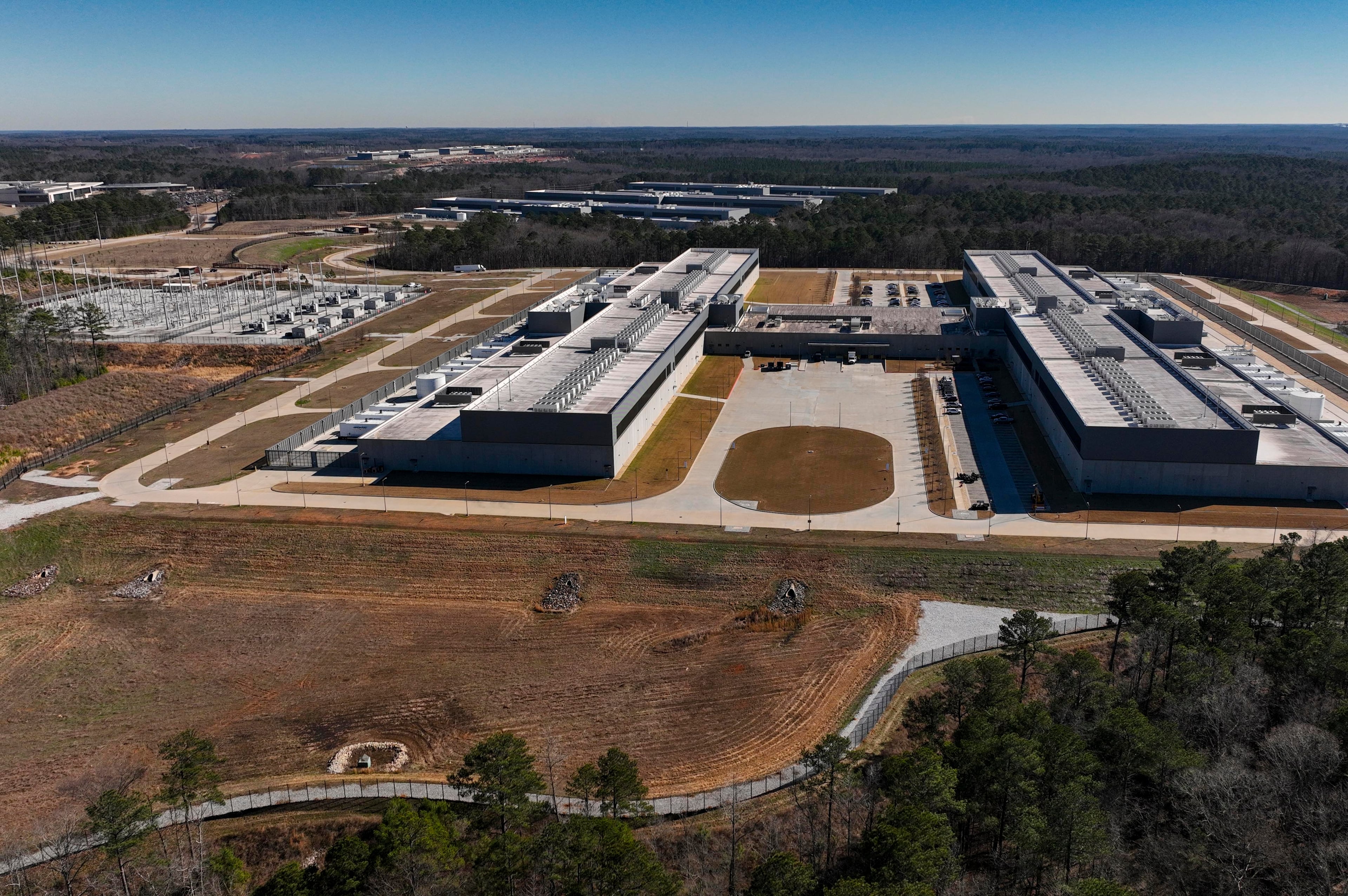
The data centers most people envision are hulking facilities the size of a regional mall. Often they comprise campuses surrounded by substations and gigantic transmission lines.
Those campuses are being built at lightning speed across the country and Georgia as part of the AI race. But carrier hotels and urban data centers serve a different purpose, acting as the nervous system for internet traffic.
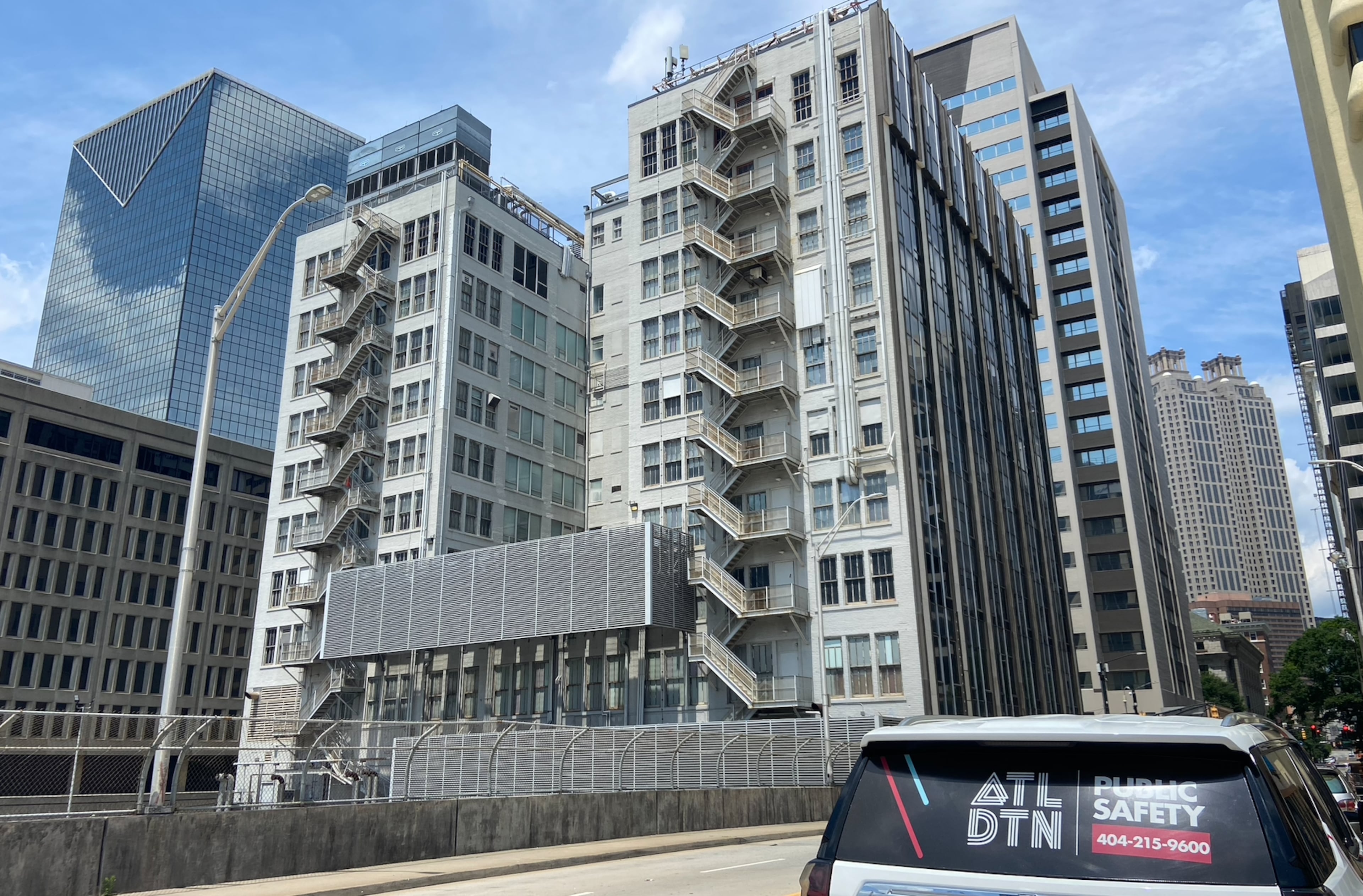
Jordan Sadler, another Digital Realty executive, said most Atlantans don’t even know these facilities are already downtown.
“Which is perfect. You shouldn’t know it exists,” he said. “But it supports everything you do every day on your phones, your business, your remote working and everything else that goes on.”
He and Alves argue the Adair Park site is close enough and has existing power infrastructure to amplify those online storage and connection needs.
Digital Realty’s proposal is to build a 282,000-square-foot facility it calls a data exchange to amplify the capabilities of 56 Marietta St. and its sister carrier hotel at 250 Williams St. It would have an electrical capacity of 30 megawatts — enough power for nearly 23,000 homes — and would be joined by about 35,000 square feet of retail space.
The City Council’s ban on data centers applies to all types, which Alves called “rash.” The council members who led the charge to expand that ban said it was designed to promote people-focused developments.
“Uses that run counter to housing or jobs or community amenities should be prohibited (in these transit corridors), and that continues to be my position,” Councilman Matt Westmoreland said.
Rezoning relevance
Digital Realty first proposed its project in 2024 just after the City Council implemented its ban. Councilman Antonio Lewis sponsored the legislation, but he withdrew it after garnering sharp pushback — including from Mayor Andre Dickens.
“The council was right then, and it would be beneficial for the communities we serve if you all stick with that judgement now,” Dickens wrote in a letter to the council members at the time.
Lewis, along with Councilwoman Eshe Collins, revived the proposal last fall. They said sponsoring the legislation is not an endorsement but rather opens up an avenue for public feedback.
“For me, this is not creating an open door or a floodgate for anyone,” Collins said. “This is a continuing consideration and conversation that is happening with the community around a proposed project.”
Parties connected to redeveloping this property — including its owner, Ali Katoot, and legal representation, Hakim Hilliard — have made campaign contributions to Collins and Lewis, as well as past contributions to Dickens. Collins said the contribution she received was not a factor in her co-sponsoring the legislation.
And behind the scenes, the debate was heating up.
In emails obtained by The Atlanta Journal-Constitution through an open records request, neighborhood leaders scrutinized Digital Realty’s plans and its distinction between data exchanges and data centers.
“It is obviously entirely up to your team if you choose to engage in a technical semantic argument of data vs colocation center,” Garbett wrote to Alves in October. “But it’s not relevant to the rezoning matter.”

Garbett’s feelings haven’t shifted in the months since. He said Digital Realty is racing against the clock for approval because a pending zoning reform, called “ATL Zoning 2.0,” would codify that the Adair Park site isn’t suitable for a data center. It’s slated for City Council consideration this summer, and if it passes before Digital Realty gets its requested exception, it would be back to the drawing board.
“Zoning 2.0 does not allow for a data center there at all,” Garbett said. “It’d be 10 times more difficult.”
Neighborhood desires
Adair Park is a prominent streetcar suburb that emerged at the turn of the 20th century.
Its evolution since then mirrors many of Atlanta’s urban neighborhoods. It features century-old homes on tree-lined streets and has served as a middle-class enclave in industrial Southwest Atlanta. But the white flight of the mid-1900s and chronic disinvestment led the area to experience economic decline by the end of the century.
The building at 713 Ralph David Abernathy Blvd., which Digital Realty is looking to buy for its project, is a prime example of the area’s industrial decay.
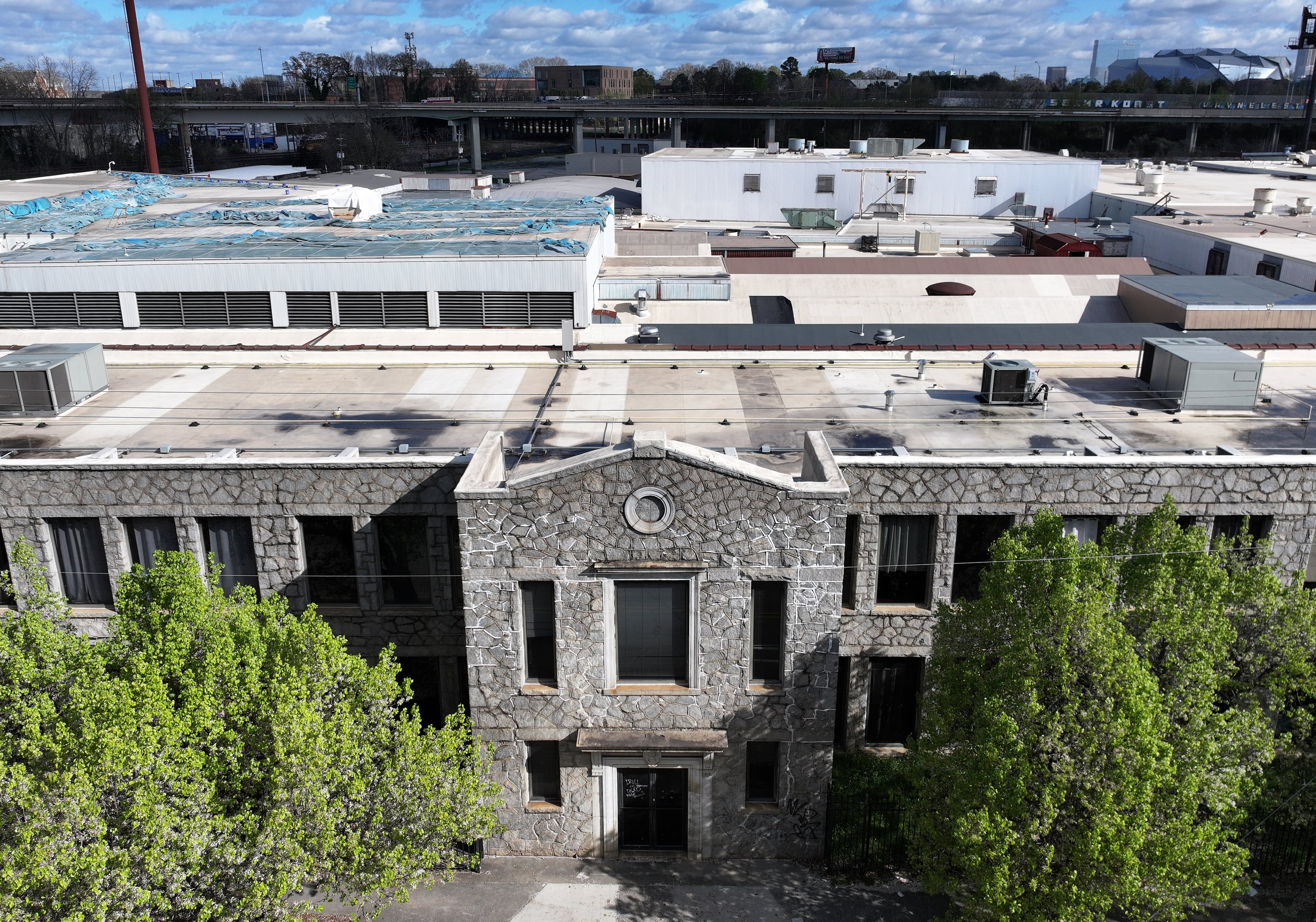
Built in the 1880s with a distinctive granite facade, the building and surrounding warehouses housed printing presses to support magazines for The Ruralist Press. It was eventually acquired by AT&T, which shut down all operations in 2009. Since then, the property has been advertised as a filming location, but its long-term future was likely some form of redevelopment.
“This community has been studied for a long time‚” said Kimberly Scott, executive director of social justice group Georgia WAND. She said city studies have found neighbors want fresh food, retail and housing, “and we haven’t seen it.”
A 2019 study by the Atlanta Regional Commission of the former Ruralist Press building identified it as a potential residential, commercial and light industrial site. Its status as a brownfield, polluted from industrial activity and ink-stained press work, also makes redevelopment of any kind a costly endeavor.
Digital Realty estimates it will cost $20 million to clean up the brownfield to commercial standards. It would be even more expensive to make safe for residential uses, which Lewis is skeptical can safely be done.
“If there’s lead in the ground, you will never hear about Councilman Antonio Lewis building housing there,” he said, referencing Michigan’s Flint River crisis as an example of unsafe brownfield management.
To news outlets, including 11 Alive, Lewis has said the remediation cost could be expensive at $40 million, but a study supporting that figure hasn’t been released. He said he’s “never seen a city councilperson pay for a study for a private developer with public funding.”
A letter written by a dozen leaders across the area’s neighborhood planning unit asked the City Council to better understand the remediation costs before approving Digital Realty’s plan.
“Are we choosing between a data center and an underused 12 acres for the indefinite future?” the letter on March 6 asked. “Or are we choosing between a data center and the mixed-use developments that have been recommended and proposed?”
Dickens in his 2024 letter criticized pushing data centers “into underserved, traditionally African-American areas that have been starved of equitable development and amenities.”
Community benefits
Digital Realty said it’s open to a community benefits agreement to win over neighborhood support.
Hilliard, the property owner’s attorney, said at a March 19 town hall that Digital Realty is prepared to deposit $5 million into a community trust. He also said the brownfield mitigation would leave the site “demonstrably better” than it is today.
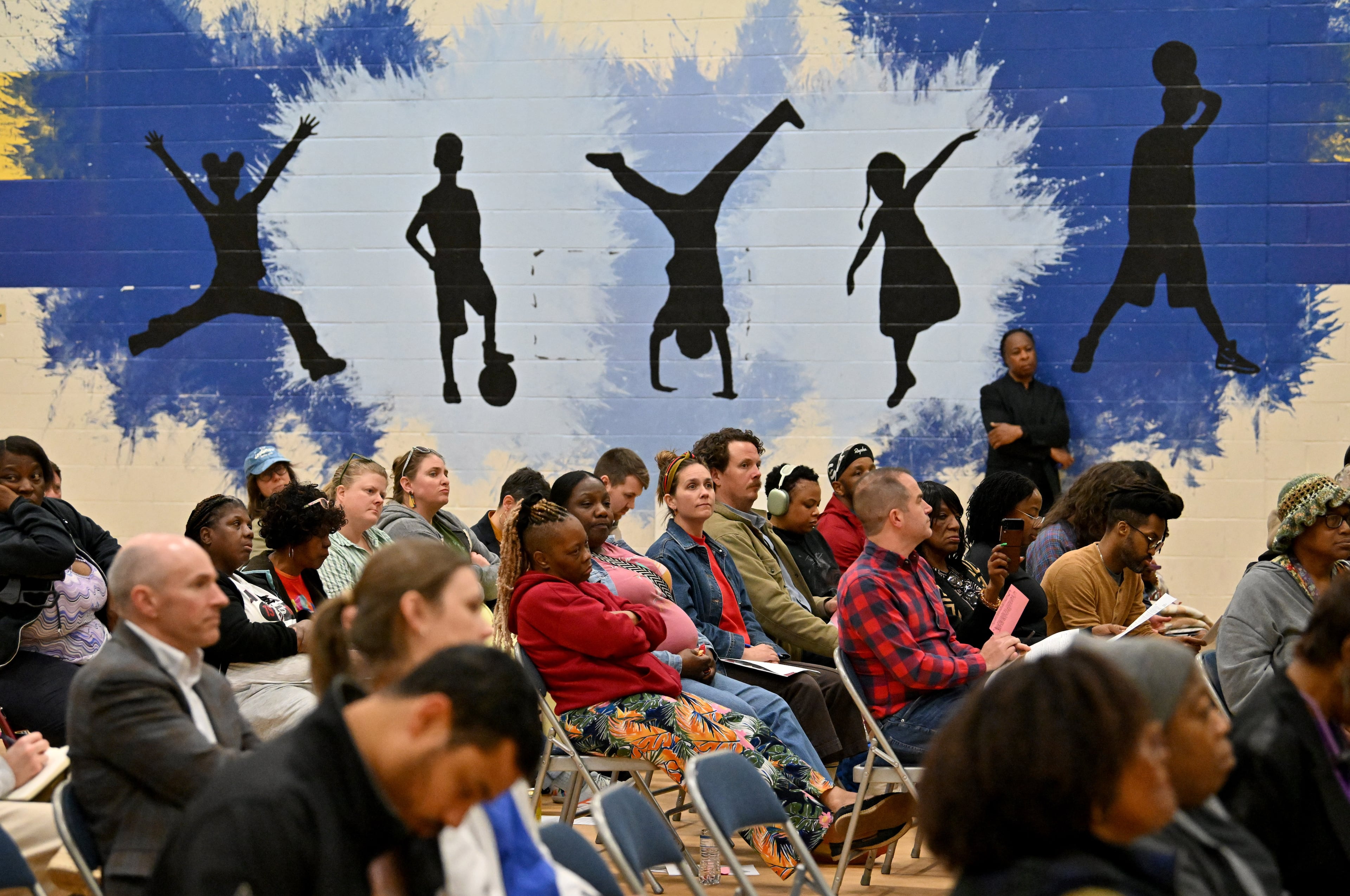
Alex Dileo, a resident in nearby Oakland City, said a community’s best leverage is its zoning. Community benefits agreements also don’t typically transfer if the property ownership changes in the future, while rezoned land will carry over.
“So what happens if the neighbors vote to support your rezoning, the AI bubble pops or Digital Realty decides to withdraw?” she said. “We will have just set up this prime real estate for some future data center where they’re going to owe nothing to us.”
Lewis said it’s a positive sign that Digital Realty has been meeting with neighborhood groups and trying to adapt their plan to local concerns. He said other data center hot spots can’t say the same.
“They just throw them up, and you don’t know what’s going to happen,” Lewis said of data centers elsewhere. “But (Digital Realty) is actually doing communication.”
Neighborhood Planning Unit V will vote Monday on whether to support the exception for Digital Realty’s proposal. It will then go before the city’s zoning review board in May and is expected to go to the City Council for a final vote in June.
“If the community doesn’t want it, I’m not going to push this,” Collins, the councilwoman, said. “If the community wants it, I’m going to make sure they hold me accountable for making sure their interests are protected and that this project becomes what was promised to them.”
Alves said if Digital Realty gets approval, construction could begin in mid-2027, and the project could be finished by early 2029.
If the city endorses Digital Realty’s plan over something with housing or that complements the nearby transit corridors, Garbett said it’ll only undercut an area that could become a transit hub.
“People say MARTA doesn’t go anywhere. Well yeah … if we continue to allow non-places to exist there,” Garbett said.
About the Author

Zachary Hansen, a Georgia native, covers economic development and commercial real estate for the AJC. He's been with the newspaper since 2018 and enjoys diving into complex stories that affect people's lives.