As Georgians push back on data centers, Microsoft pitches local benefits

It was only a few years ago when data centers garnered little public attention outside of techies and industry insiders.
But now in Georgia and across much of the country, protest signs against potential projects dot lawns, petitions amass thousands of signatures and voters cite data centers as a top-of-mind topic.
It seems Big Tech has taken notice of the growing opposition against the hulking and power-hungry facilities. The pushback has prompted new promises from one of the industry’s biggest players, highlighting how public relations has become central to the artificial intelligence revolution.
“There have been growing questions and even concerns in many communities about what the presence of a data center means for the people who live there,” Brad Smith, vice chair and president of Microsoft, told The Atlanta Journal-Constitution. “So obviously it’s critical that we address these issues.”
Several Georgia counties and cities have curtailed data center projects in the face of backlash, including Atlanta, which has prohibited the computing centers from being built near the Beltline, in certain neighborhoods and near transit stations.

Microsoft on Tuesday unveiled a list of community commitments it is making for its data center projects. The five central promises focus on preventing electricity prices from increasing for existing customers, limiting water usage, creating jobs, generating new tax revenue and installing new workforce training programs near their data centers.
Those five points are often core to debates over the benefits and drawbacks of data centers and whether communities should want them in their backyard.
“We’re not asking for a moment or expecting people to say, ‘Oh, great! We no longer have any questions,’” Smith said. “We want people to know we’re committed to addressing their questions and doing it in a collaborative way with the community.”
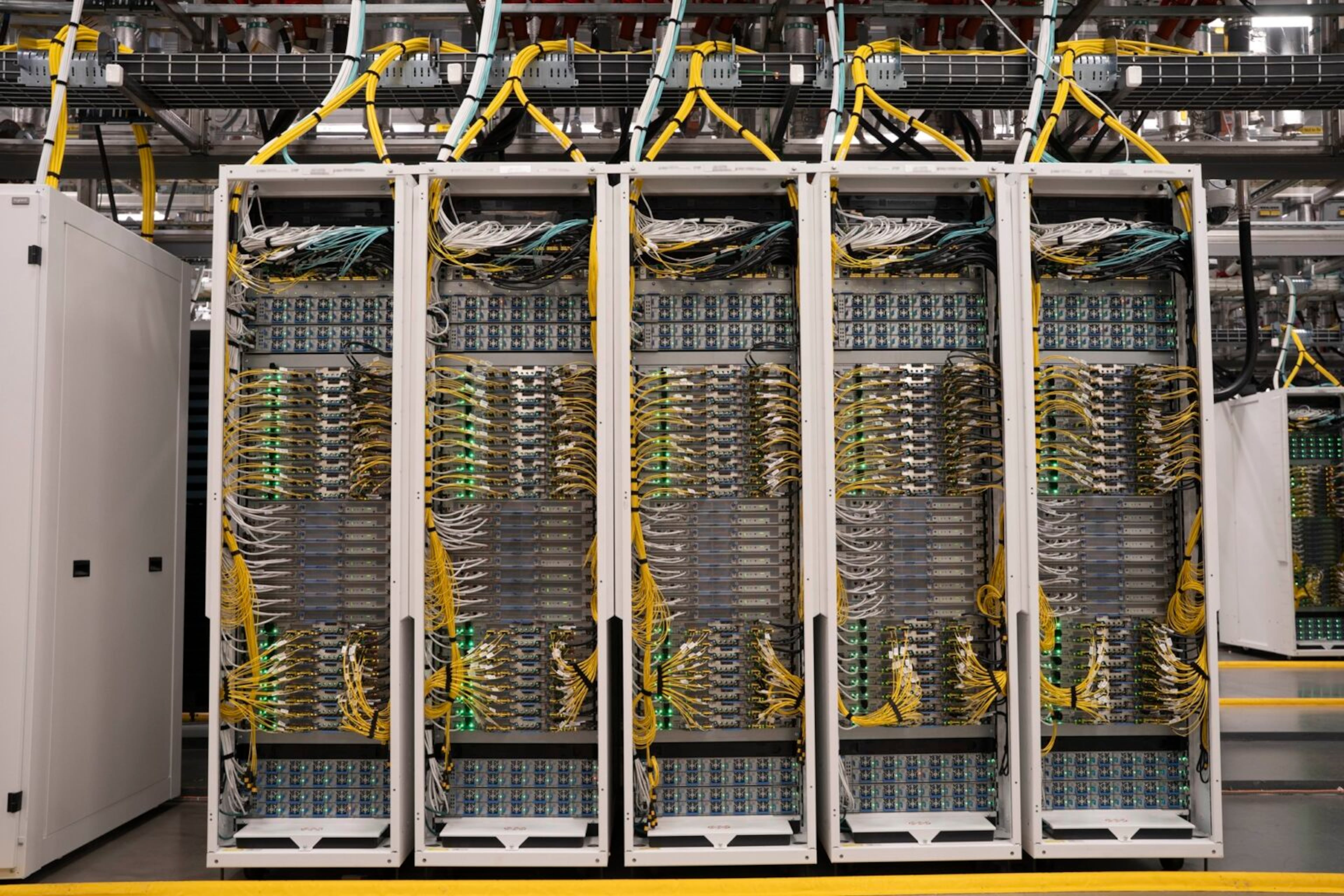
Redmond, Washington-based Microsoft is one of Georgia’s largest data center operators with projects on Atlanta’s Southside as well as Douglasville, Fayetteville and Rome. Microsoft said it is investing billions of dollars across those facilities, which house rows of expensive computer servers that power and train AI systems.
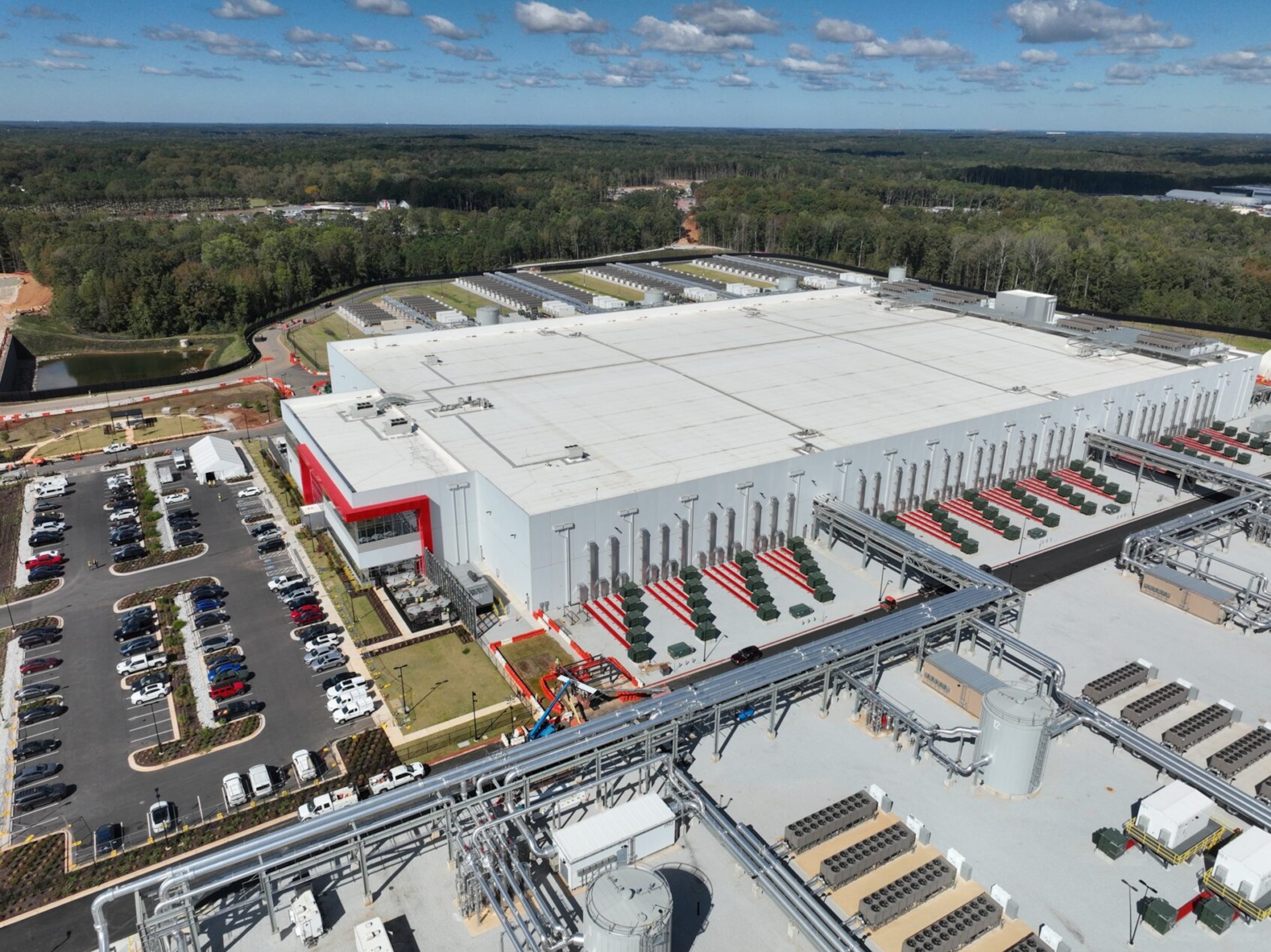
Other tech giants such as Amazon, Google and Meta operate data center projects in Georgia and have made similar environmental and economic pledges to Microsoft.
The tech industry and its lobbyists often compare the fast-developing network of data centers to other critical infrastructure build-outs, such as rail systems and the interstate highway system. Those networks spurred vast change and bolstered new economic possibilities but were also highly controversial and carried negative consequences, concentrating in lower-income areas and creating new dividing lines.
While the development effort may be similar, Smith said data centers offer many positives and can act as good neighbors.
President Donald Trump has said AI data centers and electricity infrastructure is a priority in his administration, aiming to accelerate federal permitting and halt state-level regulations. Trump posted on social media Monday he’s working with Microsoft to “ensure that Americans don’t ‘pick up the tab’ for their power consumption.”
Electricity and water usage are typically the first criticisms lobbed at data centers, and both have dominated discussions in Georgia.
Public Service Commission votes in recent years have raised rates six times, and in December the commission approved a $16 billion data center-driven expansion of Georgia Power’s energy fleet. The commission and utility have said new rules will protect customers from bearing costs from new data centers.
Microsoft pledges it will work with local utilities to pay for its own power infrastructure and electricity without impacting other customers’ rates. Microsoft said it is using what are called “closed-loop” systems to cool its computer servers and limit evaporation, drastically reducing water usage compared to other common systems. It also aims to replenish more water than it uses by helping identify and repair leaky infrastructure in the areas around its facilities.
Smith compared the water effort to a bank account.
“Make sure that the amount that we’re withdrawing is smaller than the amount that we’re adding,” he said.
Microsoft also said it will no longer pursue local tax breaks for its data centers, breaking a prior pattern it established in Georgia. The company in 2020 received a $14.5 million tax break for a Palmetto data center and was granted a $75 million tax break for a Union City project in 2024.
“As we go forward, our point of view is very clear,” Smith said on not pursuing new tax breaks for Microsoft’s projects.
Microsoft is not advocating for statewide change to sales tax exemptions and other incentive programs for data centers, which Smith said is a “smart economic growth strategy.” Audits of Georgia’s programs repeatedly show the state’s data center incentive programs result in steep tax revenue losses, totaling hundreds of millions of dollars.
Lastly, Microsoft said it will further its workforce training efforts to provide job opportunities to those who live near its data centers. This includes for skilled construction workers who build them and for permanent technical workers who manage the facilities once operational.
Though it often takes an army of skilled trades people to build a data center, those workers move on when the job is done. Completed data centers often employ only a few dozen workers despite their mammoth size, but they are high-paying jobs.
“We recognize that this is a long-term relationship with a community that needs to be grounded in dialogue and built on trust,” Smith said.
About the Author

Zachary Hansen, a Georgia native, covers economic development and commercial real estate for the AJC. He's been with the newspaper since 2018 and enjoys diving into complex stories that affect people's lives.