They thought they were too young for breast cancer. Then came the diagnosis.

Although breast cancer remains more common among women over 50, diagnoses for younger women are rising, with the rate increasing slightly faster than it is among older women, according to the American Cancer Society.
In 2024, the U.S. Preventive Services Task Force recognized the trend and lowered the recommended age for women to have mammogram screenings from 50 to 40, citing updated evidence on the benefits of screening.
Three Georgia women diagnosed with breast cancer before turning 40 faced the disease while building careers, raising young children and navigating relationships. Their stories reveal how a diagnosis at a young age can upend expectations, reshape family life and force women to find strength in the uncertainty.
Heather, 28
At 28, Heather Tucker was building a career as a state prosecuting attorney and enjoying life in Peachtree City. But after feeling ill, she went to a nearby urgent care facility. That’s when everything changed.
Her calcium levels were double the normal range, and the doctor asked if her back was sore.
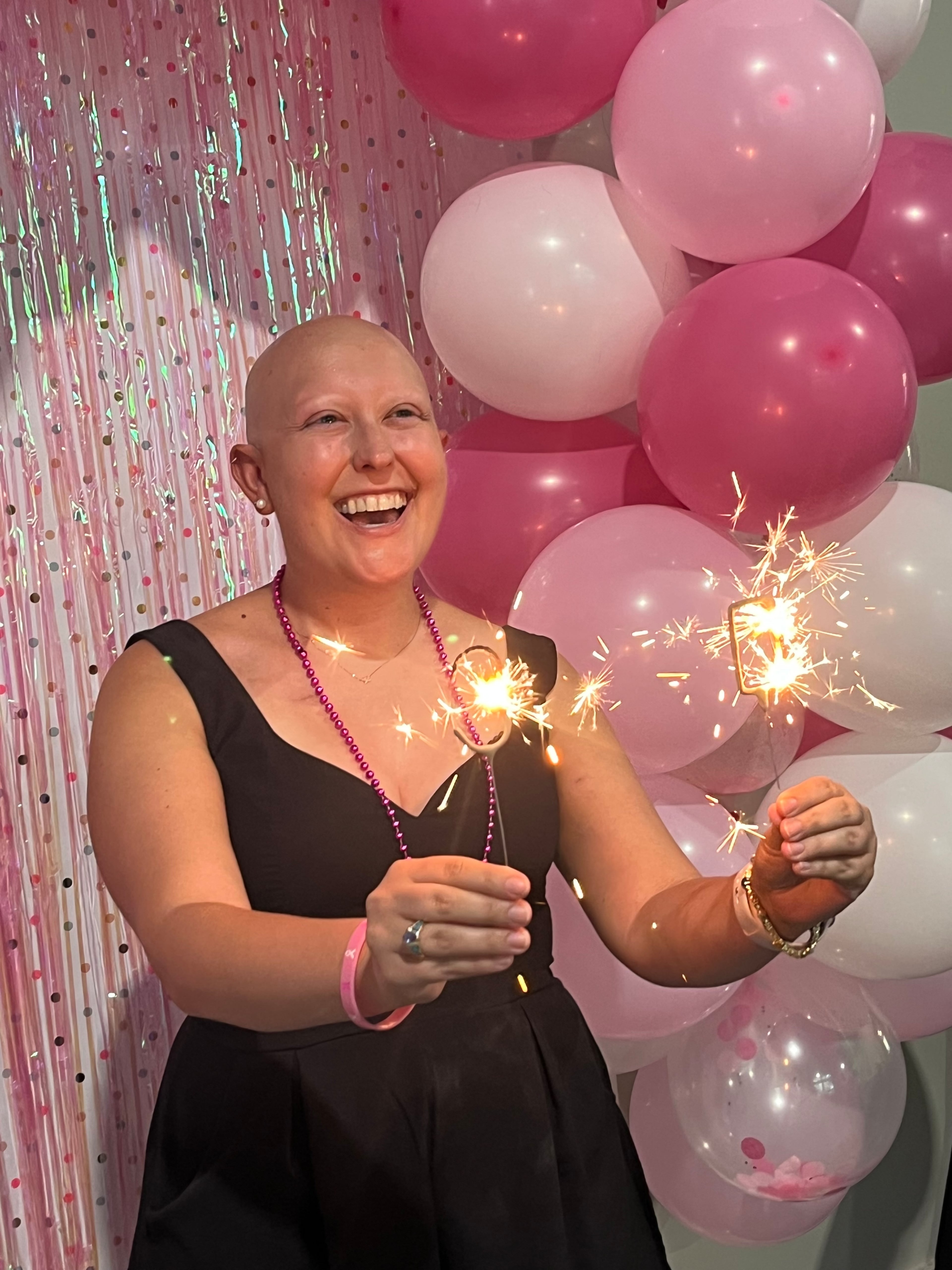
“It had been hurting really bad for about a month, but I just figured I’m old now. Everybody has back pain,” said Tucker.
Then came the words a young adult never expects to hear: “Cancer is eating your spine.”
Further testing at Winship at Emory Saint Joseph’s Hospital revealed Tucker had a very aggressive breast cancer at the most advanced level, stage 4. At stage 4, the cancer has spread to distant parts of the body, according to the American Cancer Society.
Her cancer is considered HER2-positive and de novo metastatic, a term that means the cancer had spread from the start, rather than after an earlier-stage diagnosis. When her cancer was discovered, it had already reached her bones and liver. She also had four collapsed vertebrae, along with a cracked rib and sternum.
Tucker, who recently turned 32, said cancer affected both her dating life and job advancement potential.
“I definitely feel like it derailed my career a little bit,” she said, recalling how she watched colleagues earn promotions while she was fighting for her life.
Tucker also jokingly recalled that she “catfished,” or masked her condition on dating sites, posting photos with hair where she had none. When cancer spread to her brain and affected her eyesight, she sometimes showed up to dates wearing an eye patch, another unexpected complication she learned to navigate with humor.
In terms of support, Tucker’s parents live nearby, and she has found community through First Descents, which offers outdoor adventures for young adults living with cancer and other serious health challenges. Last year, she went kayaking with the group on the Blackfoot River in Montana. And in 2024, she ran the Disney Marathon after completing a half-marathon in Hawaii the year before.
Tucker said she tries to keep her cancer in perspective with sights on her first major survival milestone: five years of survival.
She’s planning a celebration for next year to mark the occasion, saving hospital wristbands from every chemotherapy and medical scan appointment to link them into a paper chain to decorate the party.
Maria, 38
Mableton mom Maria Tolbert was 38 in 2016 when she found a lump in her breast. She had previously developed multiple cysts, or fluid-filled sacs, that were benign.
“But this one particular time, the knot that I found was not behaving like what I normally would get,” she said.
Still, Tolbert recalls her initial denial about the possibility of cancer.
“I had no reason to think that I’d have it. I’m married. I have an 8-year-old, a 4-year-old. I’m a career woman,” said Tolbert, a senior compliance adviser at CarMax.
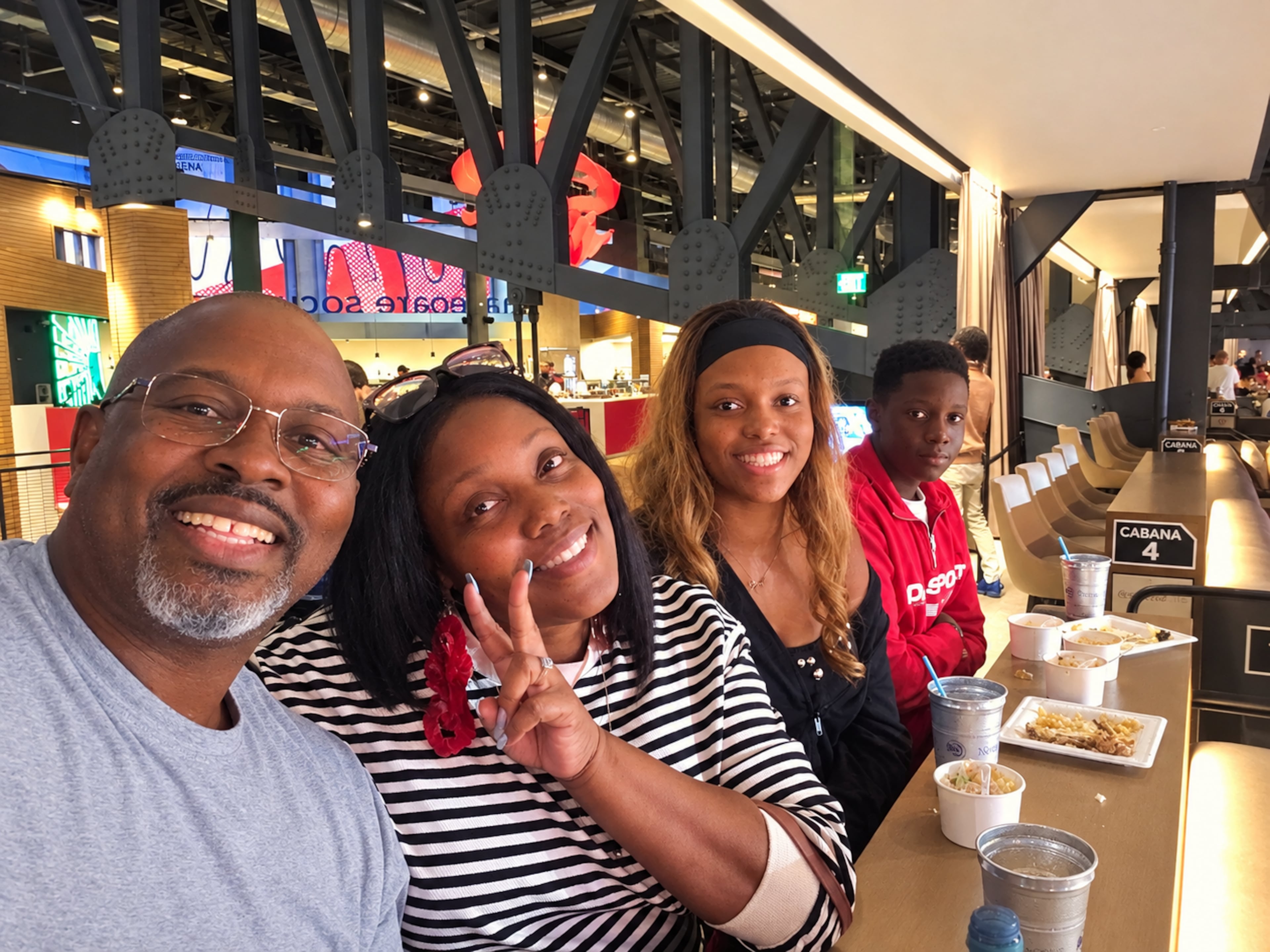
A radiologist at Piedmont Atlanta performed a biopsy, a procedure to remove cells, tissue or fluid for further study. The results confirmed stage 2 triple-negative breast cancer.
She underwent chemotherapy to kill cancer cells, followed by a double mastectomy. She later had reconstructive surgery using silicone implants.
A year later, Tolbert received her second diagnosis of breast cancer after experiencing a new symptom.
“I had stabbing pain across my chest where I was diagnosed,” she said.
As a cancer survivor, Tolbert knew the disease could return. But she attributed the discomfort to other causes, such as a pulled muscle.
Her breast surgeon performed an ultrasound and another biopsy. Based on the results, the surgeon recommended radiation in addition to chemo and surgery.
“It ended up being only one cell that was in a lymph node that had gotten to the size of a softball, and the pain was because the tumor was pushing into the implant and muscle under it,” Tolbert said.
About three weeks into chemo, Tolbert was watching cartoons with her children when she began playing with the braids she had worn to a recent wedding. As she twirled them around her finger, one came loose.
“I was just rubbing them around my finger and then one of them pulled all the way out of my head,” she said. “I got hyper-fixated on pulling the hair out. It was to the point where I caused bald spots on both sides of my head.”
When she was diagnosed with cancer a second time, Tolbert took a different approach to the hair loss. She shaved her head rather than waiting for the chemotherapy to take its toll.
“I still have hair loss, so wearing wigs is part of my life now,” she said.
Tolbert credits her mother, who accompanied her to treatments, with helping her find the strength to survive.
“I would not have made it without her support,” she said. Her mother died of lung cancer in January after being diagnosed late last year. “I’m really sad because she’s always been my cheerleader.”
Shelly, 33
Like Tolbert, Shelly Melton initially mistook a lump in 2015 for a prior breast condition. Melton had previously experienced mastitis, an inflammation of the breast tissue typically caused by an obstruction or infection preventing milk flow during breastfeeding.
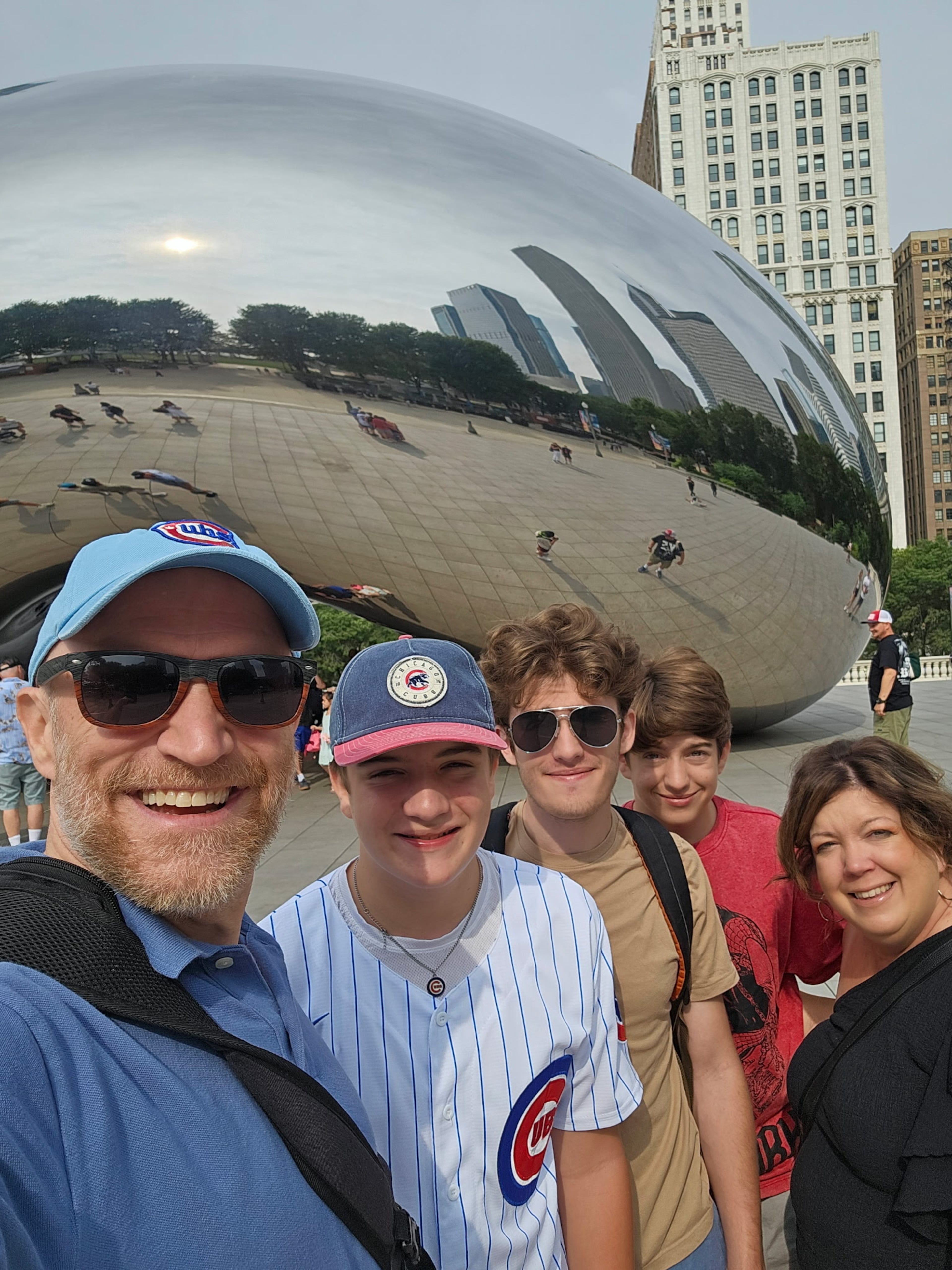
“I was nursing my third child,” said Melton, a school paraprofessional in Griffin, who was 33 when she was diagnosed with stage 3 HER2-positive metastatic breast cancer.
“I thought something was wrong with [my son] because he fell asleep and had some milk rolling out of his mouth, but with blood. Then I realized it was me that was leaking the blood, and he was taking it in through my breast.”
Melton soon underwent a double mastectomy. But a scan after surgery revealed the cancer had spread to her spine, advancing her diagnosis to stage 4.
For several years, her cancer remained stable. Then, about five years ago, Melton began experiencing what she thought was vertigo, a sensation of spinning or dizziness. When the symptoms persisted, her oncologist advised a brain scan.
“And that was when the fear kicked in because I knew what he was insinuating,” said Melton.
Later that day, her husband rushed her to Northside Hospital, nearly an hour from their home, to have emergency surgery for two brain tumors, including one blocking the cerebral fluid flowing to her brain.
“Within days, my body was going to be shutting down,” Melton said. Because hospitals were still following COVID-19 restrictions, her husband couldn’t stay with her, so he remained home with their children while she was under treatment.
Raising three children while managing cancer has required Melton to keep moving forward, even when the circumstances feel overwhelming.
“As far as raising children, especially boys that don’t understand breasts and women’s health, I guess my mentality has been I don’t have a choice because what do I do? Just crawl in a corner and fall into depression?”
Melton said she’s had to accept the hand she’s been dealt.
“This isn’t fair that I had to raise my children and do this at the same time.”
Over time, however, she has reframed that perspective, changing a few words to focus on what she still gets to experience.
“I get to raise my children and do this, because there’s not a lot of women that get to still raise their children and fight cancer. I get to teach mine how to drive. I get to look at colleges with my kids. I get to watch them grow up, and I have friends that didn’t get to.”
Roni Robbins has been a journalist for nearly four decades. This is her second stint as a freelance reporter for the AJC. She was formerly a freelance reporter and editor for Medscape. Her writing has appeared in WebMD, HuffPost, Forbes, the New York Daily News, BioPharma Dive, MNN, Adweek, Healthline and others. She’s also the author of the award-winning novel, “Hands of Gold: One Man’s Quest to Find the Silver Lining in Misfortune.”