No family history of breast cancer? Most women with disease didn’t either.

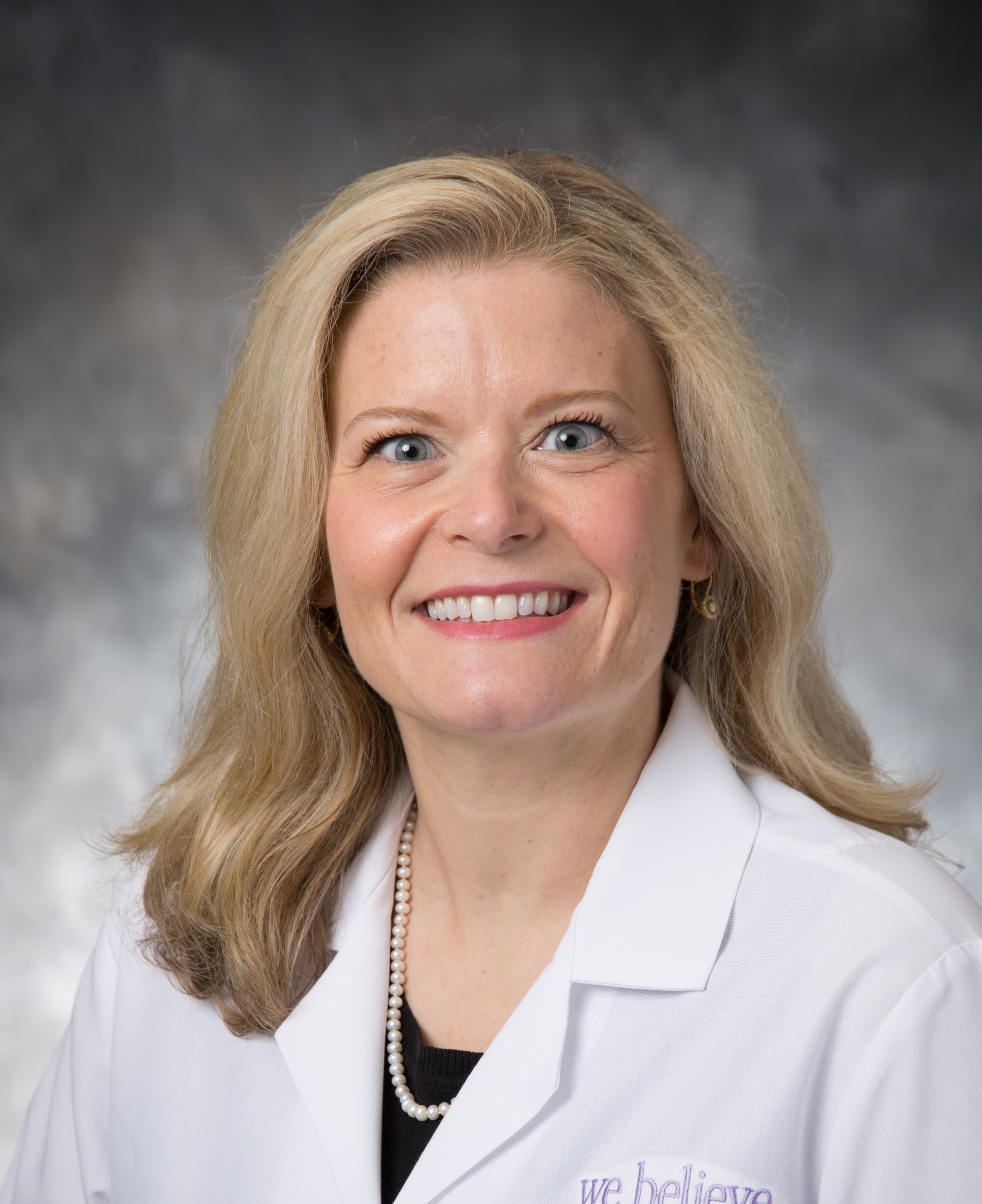
Breast surgeon Laura Pearson wants more Georgia women to understand something important about breast cancer: Your screening schedule may need to be different from someone else’s.
For women at average risk, the U.S. Preventive Services Task Force recommends starting mammograms at age 40 and getting screened every other year through age 74. But those guidelines don’t necessarily apply to women with factors that increase their risk, Pearson said.
“Generally speaking, it’s starting at 40 unless you’re high risk for some reason or have an issue,” said Pearson, medical director of Wellstar Comprehensive Breast Health Program.
“A lot of the recommendations are based on strictly average risk patients and it’s unfortunate because that gets lost. If you have dense breast tissue, which is pretty common, any sort of family history or had a biopsy, that all puts you at higher risk of developing breast cancer and so those every other year recommendations really don’t apply.”
A family history of breast cancer can increase a woman’s risk, but most women who develop breast cancer don’t have a known family history of the disease. About 80% of breast cancers develop in women with no breast cancer risk factors other than being female and over 40, according to the World Health Organization.
In Georgia, breast cancer is the most commonly diagnosed cancer among women and the second-leading cause of cancer death among women, after lung cancer, according to the Georgia Department of Public Health.
With October marking Breast Cancer Awareness Month, it’s a good time for Georgia women to review their breast cancer screening schedule and learn more about what to expect from a mammogram.
Pay attention to changes
Mammograms are an important tool for detecting breast cancer, but women should also pay attention to changes in their breasts between screenings, Pearson said.
The most common sign of breast cancer is a lump in the breast or under the arm. Pearson recommends that women check their breasts with a self-exam once a month so they become familiar with how they normally look and feel.
“I tell my patients if they’re premenopausal to pick a day in their cycle, because not everybody is very regular, so it’s sort of at the same day in your cycle every month.”
Breast Cancer Awareness Month events
October is Breast Cancer Awareness Month. Here are some metro Atlanta events where you can walk, run and show your support.
Georgia 2-Day Walk for Breast Cancer
Georgia Alliance for Breast Cancer’s annual fundraising walk challenges participants to cover 30 miles across Cobb County over two days.
Saturday, Oct. 3, 7 a.m. and Sunday, Oct. 4, noon. Renaissance Atlanta Waverly Hotel & Convention Center, 2450 Galleria Parkway, Atlanta. gaabc.org/event
Making Strides Against Breast Cancer of Atlanta
The American Cancer Society’s annual Making Strides Against Breast Cancer Walk brings participants together for a 2.3-mile walk to raise funds and awareness.
Saturday, Oct. 10. Welcome tent opens at 7:30 a.m., the walk begins at 9 a.m. Atlantic Station Pinnacle Lot, 241 20th St. NW, Atlanta. acsevents.org
Susan G. Komen 2026 Greater Atlanta Race for the Cure
The Greater Atlanta Race for the Cure returns for its 44th year with a 5K run and walk bringing together breast cancer survivors, families and supporters.
Saturday, Oct. 17. Event site opens 7 a.m., opening ceremony at 8:30 a.m., race begins at 8:45 a.m. Lenox Square, 3393 Peachtree Road, Atlanta. secure.info-komen.org
2026 Paint Gwinnett Pink 5K Walk/Run for Breast Cancer and Survivor Celebration
The 11th annual Paint Gwinnett Pink 5K brings the community together to support breast cancer survivors and raise funds for the Northside Hospital Cancer Institute.
Saturday, Oct. 17. Registration opens at 7:30 a.m., race begins at 9 a.m. Gas South District, 6400 Sugarloaf Parkway, Duluth. support.paintgwinnettpink.com
A lump isn’t the only change to watch for. Changes in the shape or size of a breast, a difference in breast contour, or skin changes such as redness, flaking or inflammation around the nipple can also be signs of breast cancer.
“There’s a very common way that we find breast cancer,” Pearson said. “It can either be asymmetry where the breast contour is just different or one breast is a different shape or size from the other. That’s not usual.”
Worried about a mammogram? Here’s what to know
Pearson understands why some women dread mammograms, particularly the breast compression. But she said the feeling is brief.
“It’s definitely less than a minute of discomfort,” she said.
Women who tend to have breast tenderness may want to avoid scheduling a mammogram just before their menstrual cycle, when breast tissue can be more swollen and sensitive, she suggested.
She said some patients may find relief from taking an over-the-counter anti-inflammatory medication, such as ibuprofen, a couple of hours before their appointment, if they can safely take it.
Radiation exposure is another concern. But Pearson said the amount used in a mammogram is low, and the potential benefit of finding breast cancer early is significant.
“The risks of the radiation almost never outweigh the benefits of early detection.”
Understanding your options
For some, a mammogram alone may not be enough information to assess their breast cancer risk. Those with dense breast tissue or other factors that increase their risk of breast cancer may benefit from additional screening, such as magnetic resonance imaging, or MRI.
Three-dimensional mammography, also called digital breast tomosynthesis, has become increasingly common and can provide radiologists with more detailed images of breast tissue.
“A huge advance in the world is the adoption of 3D mammograms,” Pearson said.
MRI uses a magnetic field and radio waves to create detailed images of the breast. Pearson said it may be covered by insurance when a patient meets certain criteria, although it can be more complex and time-consuming than a mammogram.
Some doctors recommend screening every year
Dr. Amelia Zelnak, a medical oncologist with Northside Hospital Cancer Institute and managing partner of Atlanta Cancer Care, said she’s concerned about the vast majority of women having mammograms every other year instead of annually.
About 60% of women ages 40 to 49 and 80% of women 50 to 74 had a mammogram within the past two years, according to the Centers for Disease Control and Prevention. That means about 40% of women ages 40 to 49 and 20% of women ages 50 to 74 had not had one during that period, according to the CDC data.
While some organizations recommends a screening every two years for women at average risk, Zelnak recommends a yearly exam.
“There’s really a need to emphasize the importance of annual screening because you’re more likely to come in with a small, highly curable cancer if it’s detected super early as opposed to when you come in with a palpable mass,” Zelnak told The Atlanta Journal-Constitution.
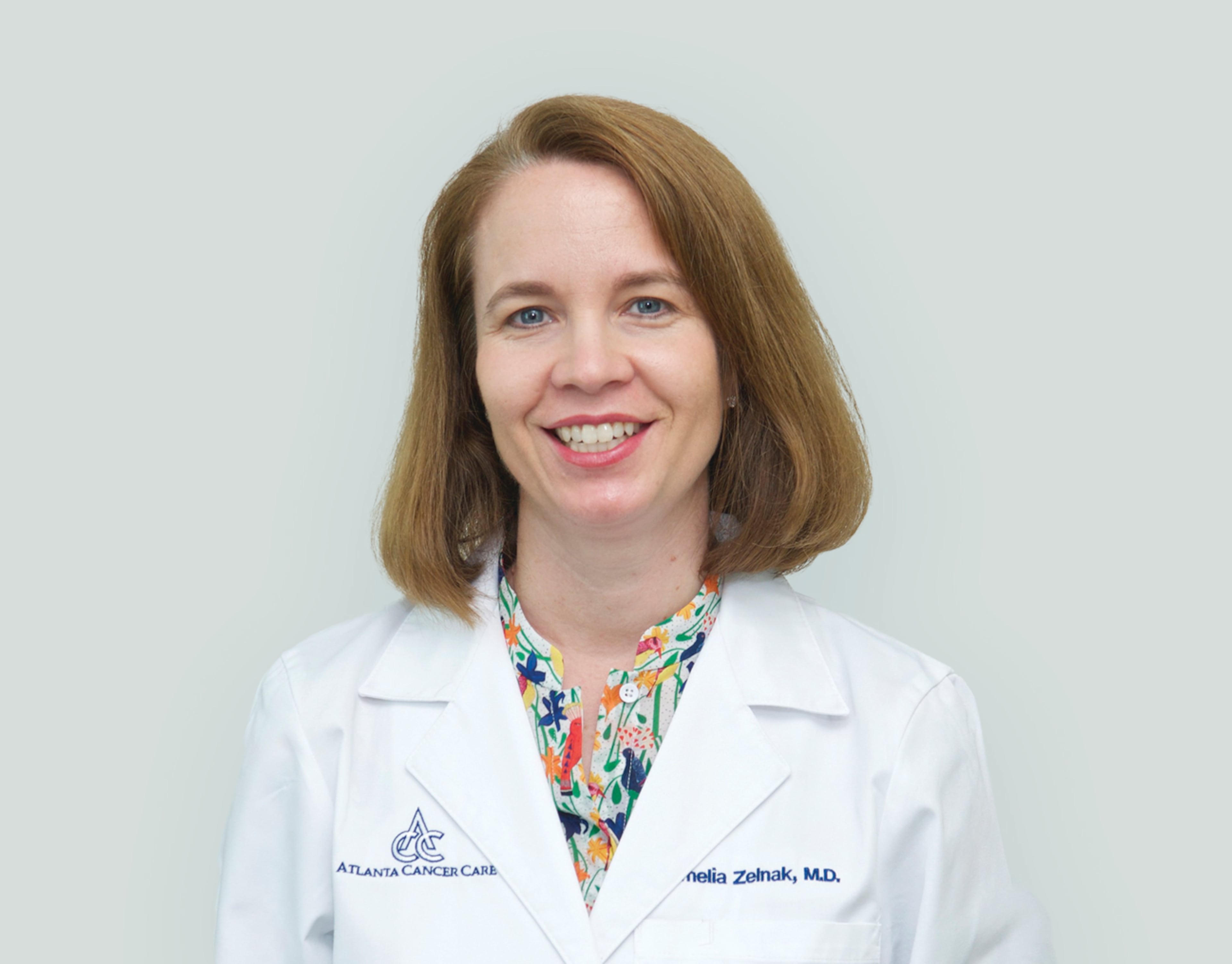
When breast cancer is found as a palpable mass, she said, it is more likely to be at a higher stage and require more treatment.
Even patients who faithfully get annual mammograms can develop a fast-growing breast cancer between screenings, Zelnak said. That’s why she also encourages women to pay attention to changes in their breasts.
She recalled a patient who had an annual mammogram and discovered a lump several months later during a self-exam. In that case, the mammogram hadn’t missed the cancer; it simply wasn’t there yet.
“I think the importance is just to do your screenings and then also be aware of your own breasts because the mammograms aren’t perfect.”
Roni Robbins has been a journalist for nearly four decades. This is her second stint as a freelance reporter for the AJC. She was formerly a freelance reporter and editor for Medscape. Her writing has appeared in WebMD, HuffPost, Forbes, the New York Daily News, BioPharma Dive, MNN, Adweek, Healthline and others. She’s also the author of the award-winning novel, “Hands of Gold: One Man’s Quest to Find the Silver Lining in Misfortune.”