Georgia breast cancer care: How mobile mammography expands access

For breast cancer survivors like Faridah Thomas of Conyers, beating the disease is only part of the battle. Getting a diagnosis, navigating treatment and paying for care can present obstacles of their own, particularly for patients who face gaps in access to healthcare.
Thomas was 38 when she discovered a lump in her breast. During the COVID-19 pandemic, it took more than a year, multiple tests and visits to five doctors across three health systems before she was diagnosed with stage 2 triple-negative breast cancer, she told The Atlanta Journal-Constitution.
“I had difficult experiences that were unreal getting a cancer diagnosis,’’ said Thomas, now 43.
She underwent a lumpectomy and had 21 lymph nodes removed, including two with cancer cells, followed by 31 doses of radiation.

The financial toll has lasted far longer. Thomas, a single mother, estimates she has about $200,000 in debt from medical bills, diabetes medication and helping put her three children through college. Her high-deductible health insurance covered only a portion of her medical expenses.
“All my savings were spread out to make sure everyone had what they needed,” said Thomas, a longtime customer service agent and cargo sales representative for Delta Air Lines. “My phone rings day and night from bill collectors.”
“It’s just expensive to fight for your life.”
Barriers behind the diagnosis
Thomas’ experience reflects a broader problem in Georgia, where barriers can shape how easily patients access breast cancer care.
Those barriers can be steep for patients living in rural or underserved communities, where fewer specialists, limited medical resources and transportation or insurance challenges can make it harder to get timely diagnosis and treatment.
Only half of Georgia’s 159 counties have a full-time doctor certified in obstetrics and gynecology, according to the Georgia Medical Composite Board, which licenses healthcare professionals.
For rural women, the lack of nearby medical providers can make every step of breast cancer care more difficult.
“Rural women commonly face greater barriers to screening, treatment, and follow-up care, including geographic distance, transportation challenges and limited access to specialists, increasing the risk of later-stage diagnosis and poorer outcomes,” said Nancy Nydam Shirek, communications director for the Georgia Department of Public Health.
Other barriers can be financial. Last year, the Susan G. Komen Closing the Gap report identified financial insecurity and lack of adequate insurance as factors contributing to disparities in breast cancer care, said Theru Ross, the senior program manager for community outreach.
The report also examined disparities in breast cancer mortality between Black and white women in the U.S.
In Atlanta, the disparity is particularly stark.
“When we’re looking at major metropolitan cities, Black women in the Atlanta area are about 34% more likely to die from breast cancer than their white counterparts, and that number is unacceptable,” Ross said.
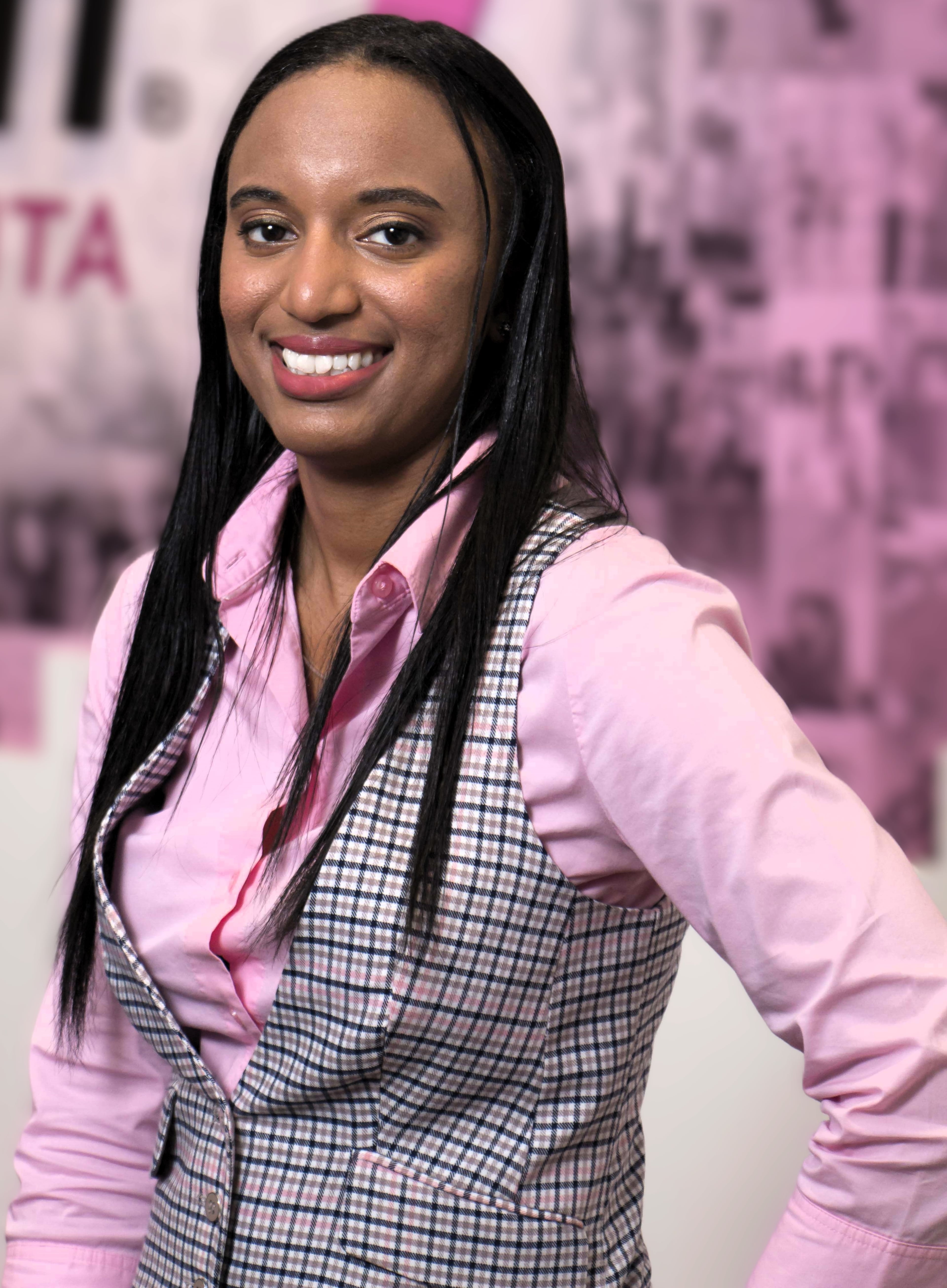
As part of its research, Komen conducted focus groups in which participants described delays in screening and diagnosis. Those delays can include waiting to see a provider or gaps between diagnosis and treatment, which could deter future care, Ross explained. The report also confirmed that Black women believed their concerns were dismissed by healthcare providers.
“You can imagine those delays could lead to higher late-stage diagnosis rates,” she said. “They talk about financial strains and the lack of compassion at the hands of healthcare providers, and so those are some of the factors that they see contribute to the disparity.”
A bright spot in the report was that the mortality rate for Black patients decreased by 13% between 2013 and 2024. Komen attributed the improvement to collaborations within the breast cancer community in Georgia, which pooled education, screening, skills and resources to help close the gap.
“The number is still staggering, but progress is being made,” Ross said.
Bringing care closer to home
For women who face barriers to breast cancer care, bringing screenings into their communities can eliminate one of the biggest obstacles: getting to a provider.
That has been the mission of Dr. Rogsbert Phillips-Reed, a longtime Atlanta breast cancer surgeon who has provided free mammograms to uninsured women in Georgia for decades through her nonprofit Sisters by Choice. The organization provides breast cancer education, resources and support to women and communities affected by the disease.
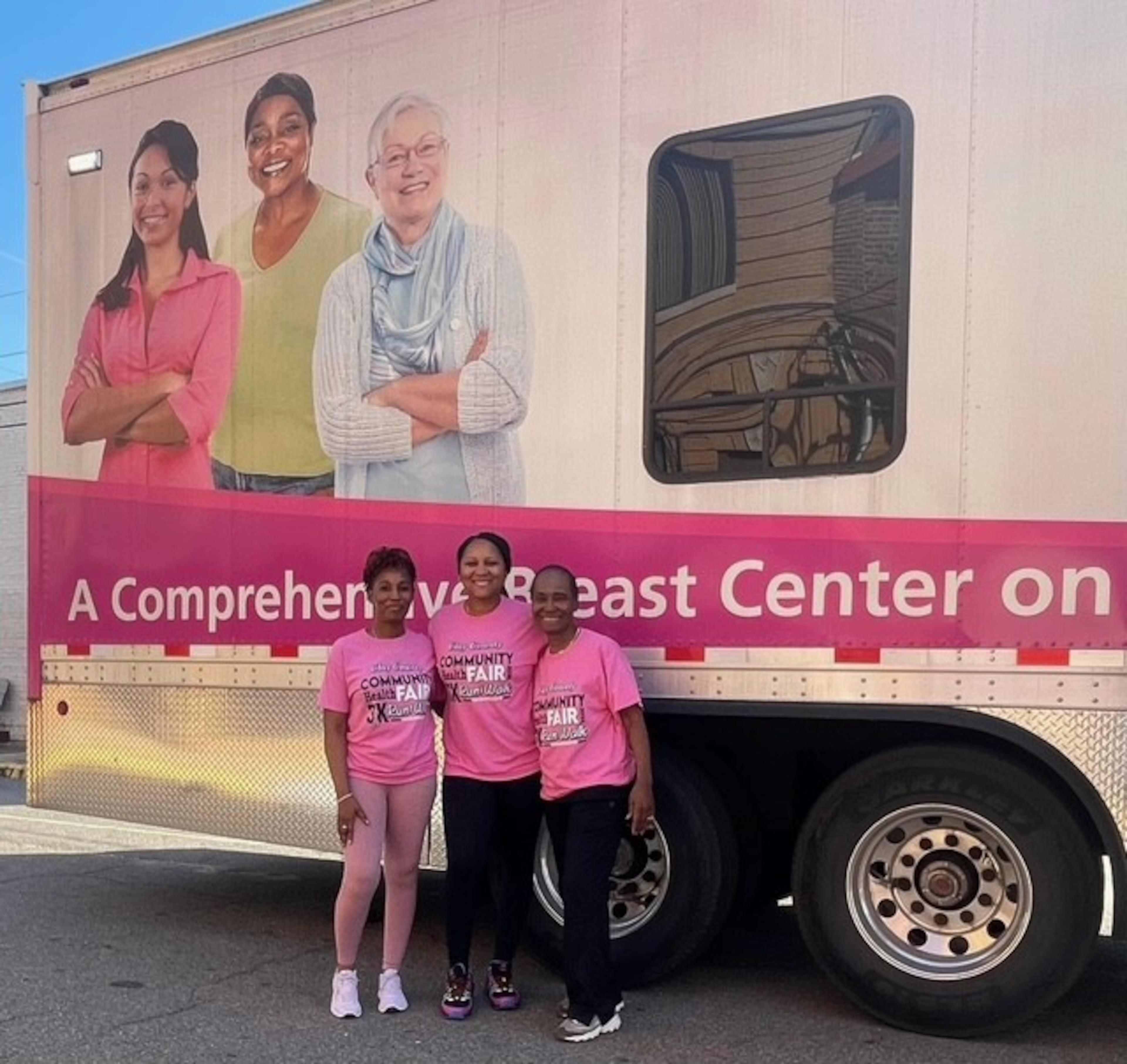
In 2000, Sisters by Choice began partnering with MARTA to bring 25 uninsured women to Phillips-Reed’s DeKalb County office every six to eight weeks for free mammograms and breast cancer education, she said. She has since expanded her practice to Emory Hillandale Hospital.
The experience made Phillips-Reed realize she could reach more women by bringing the screenings directly to their communities.
“I got an idea that I could reach more people if I had my own mobile unit,” she said.
Mobile mammography services in Georgia
For women who face transportation or distance barriers to breast cancer screenings, several hospitals and community organizations across Georgia offer mobile mammography services throughout the year.
- Atrium Health Navicent Mobile Mammography Coach
- Atrium Health Floyd Mobile Mammography Coach
- Grady’s Mobile Mammography Bus
- Georgia’s Breast and Cervical Cancer Program
- Peeples Cancer Institute’s ‘Mammography on the go’
- Piedmont Augusta’s Mobile Mammography
- ScreenAtlanta Mobile Mammography by Northside Hospital
- Sisters by Choice Mobile Breast Clinic
- Southeast Georgia Health System Wellness on Wheels
- St. Joseph’s/Candler Mobile Mammography
- Tanner Breast Health’s Mammography on the Move
Find a screening facility near you: Emory Winship Cancer Institute’s interactive map can help you locate breast cancer screening facilities near you.
Sisters by Choice began raising money for the effort through an annual fundraising race at Piedmont Park in 2004. The organization launched its mobile breast clinic in 2015, and it now provides at least 1,000 free breast cancer screenings each year in the metro Atlanta area.
Phillips-Reed partners with local health departments, women’s groups, the YMCA and churches to bring the screenings and education to communities where access can be limited.
“We know that mammograms have had a major impact on early detection, and so that’s number one when we talk about breast cancer: trying to make sure that all communities have access to early mammograms,” said Phillips-Reed.
For the past two Octobers, that has included traveling about 200 miles south of Atlanta to Fort Gaines in Clay County, where Sisters by Choice provides free mammograms to women in one of Georgia’s rural communities.
For Phillips-Reed, bringing care directly to women is about more than convenience. It is about removing barriers before they become missed screenings, delayed diagnoses or untreated disease.
“I’m just one person, but it starts with one person.”
Roni Robbins has been a journalist for nearly four decades. This is her second stint as a freelance reporter for the AJC. She was formerly a freelance reporter and editor for Medscape. Her writing has appeared in WebMD, HuffPost, Forbes, the New York Daily News, BioPharma Dive, MNN, Adweek, Healthline and others. She’s also the author of the award-winning novel, “Hands of Gold: One Man’s Quest to Find the Silver Lining in Misfortune.”