
5 ways to reduce stress at home right now
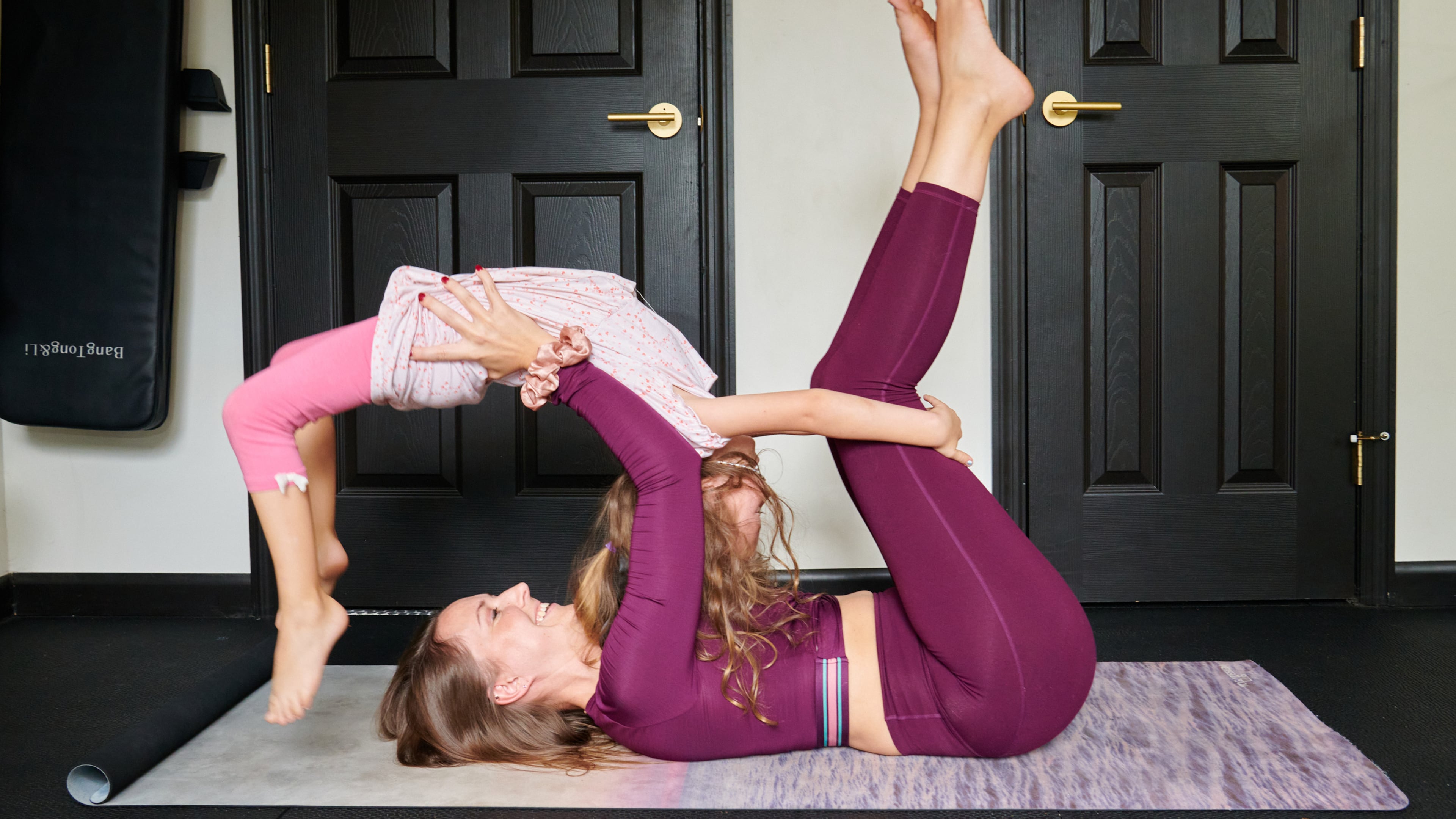
It starts small. A tight chest, a racing mind, a to-do list that looks impossible to complete. For many people, stress doesn’t arrive all at once. It builds quietly in everyday life, until it begins to shape how you think, feel and move.
April marks Stress Awareness Month, an important reminder to take inventory of how stress is showing up in your life and what you can do to manage it.
“Over time, stress can get in the way of what’s most meaningful and valuable in your life,” Carly Yasinski, Ph.D., clinical psychologist and assistant professor at Emory University School of Medicine, tells The Atlanta Journal-Constitution.
Bringing down stress levels doesn’t require a big commitment. There are several quick, simple activities you can do at home to slow a busy mind, release tension and add more calm into your daily life.
1. Move your body
You don’t need a full workout plan or a trip to the gym to start lowering stress. Gentle movement, like going for a walk, can steady your breathing and signal your body that’s it safe to relax.
“Exercise burns stress hormones and lets you sweat out toxins, regulating you biologically,” says Dr. Josh Spitalnick, a licensed psychologist and owner of Anxiety Specialists of Atlanta. Hormones like cortisol and adrenaline are released whenever your body perceives stress, whether it’s a natural fight-or-flight reaction or not.
“Our brain is doing what it should, but it’s misinterpreting what’s actually danger,” he explained. Something as simple as a short walk can help interrupt that cycle.
Emma Uvena, a yoga instructor and owner of At Heart Yoga, suggests adding a simple focus to your movement, like passing a tennis ball from one hand to the other as you walk. The small, repetitive action helps redirect your attention, making it easier to disconnect from a busy mind.
Stretching can also be an effective way to de-stress. Consider turning it into a whole body experience rather than focusing on one area.
“Start with the head and go top down. Shoulders, back — all the parts of the body can benefit,” Uvena says.
2. Practice mindfulness
Mindfulness, according to Yasinski, is an umbrella term for a variety of practices that can help lower stress. Intentional breathing, meditation and yoga are all ways to practice mindfulness.
“Generally, using mindfulness can be really helpful. It’s paying attention, on purpose, to the present moment nonjudgmentally,” she explains.
For breathwork, Yasinksi recommends inhaling for four seconds, pausing for four seconds at the top, and then exhaling slowly.
“It’s OK to have thoughts while breathing,” says Uvena, “When this happens, observe them, but don’t participate in them. Concentrate instead on your breathing.”
Meditation can take your breathwork a step further, helping people build the skill of staying present over time. Yoga, meanwhile, bridges the gap between exercise and mindfulness.
“Yoga is a lifestyle. It’s how you talk to yourself. It’s an everyday thing. It’s a way to be good to yourself,” Uvena says. Certain poses like trikonasana, or triangle pose, allow you to stretch out your body and breathe intentionally — and the complexity of the pose keeps your mind occupied.
3. Step outside
Being in natural light and fresh air can help shift your body out of a constant stress response. Even brief time outdoors can offer a mental reset, especially stepping away from screens.
“Spending time outside is a significant de-stressor,” says Yasinski.
Gardening is a great example of a restorative activity. Tending to plants, whether working in the yard or simply rearranging potted plants outside, gives your mind something low-pressure to focus on. This can help lower stress levels and beautify your home, creating a calming environment.
4. Listen to soothing sounds
Music can be a powerful way to quiet a noisy mind.
The National Center for Complementary and Integrative Health notes that some studies show that certain types of music are more effective for relaxation and reducing stress. These tend to include instrumental pieces, soft piano, ambient tracks, classical music and other slower tempo melodies.
The research also notes that recordings of nature sounds, such as rainfall or ocean waves, can support similar effects to help create stress-free moments.
5. Try focused activities
Activities you might not immediately consider stress-reducing can actually help. If something requires your attention and has a clear beginning and end, it can give your mind a chance to step away and recharge.
“Activities that make you feel good about yourself are as de-stressing as working out,” Spitalnick says.
Crafting, puzzles, cleaning out your closet, organizing your pantry, or reading a book all fall into this category. Even activities like playing video games and watching TV, according to Yasinski, can be helpful if done in short bursts.
No matter the activity, experts agree you’ll have the most success when you choose something you enjoy. Over time, these small daily practices can have a lasting effect, allowing you to approach life with a bit more ease.
“When you’re grounded and regulated as a human being,” Uvena says, “you may start worrying less and trusting more, loving more.”