How data centers are rattling a Georgia Senate special election

FORSYTH — A proposed multibillion-dollar data center complex along I-75 could reshape more than the skyline of this Middle Georgia community.
It’s rapidly become a defining issue in the six-candidate Jan. 20 special election that Democrats hope will upend a seat long drawn for Republicans — and an early warning of a political fight headed statewide.
The race to replace former state Sen. John Kennedy, a Senate GOP leader who stepped down to run for lieutenant governor, has been reshaped by a debate over the rapid expansion of energy-hungry data centers.
Once a niche policy concern, data centers have become an increasingly potent issue in Middle Georgia, where residents, environmental advocates and rival politicians are clashing over the costs and benefits of the massive facilities.
“I’ve worked in environmental advocacy for over a decade, and I’ve never seen the groundswell of organic local opposition that we are seeing now with data centers,” said Fletcher Sams, the Altamaha Riverkeeper and a critic of the projects.
“I don’t think you can run for anything in Middle Georgia without taking a stance on them.”
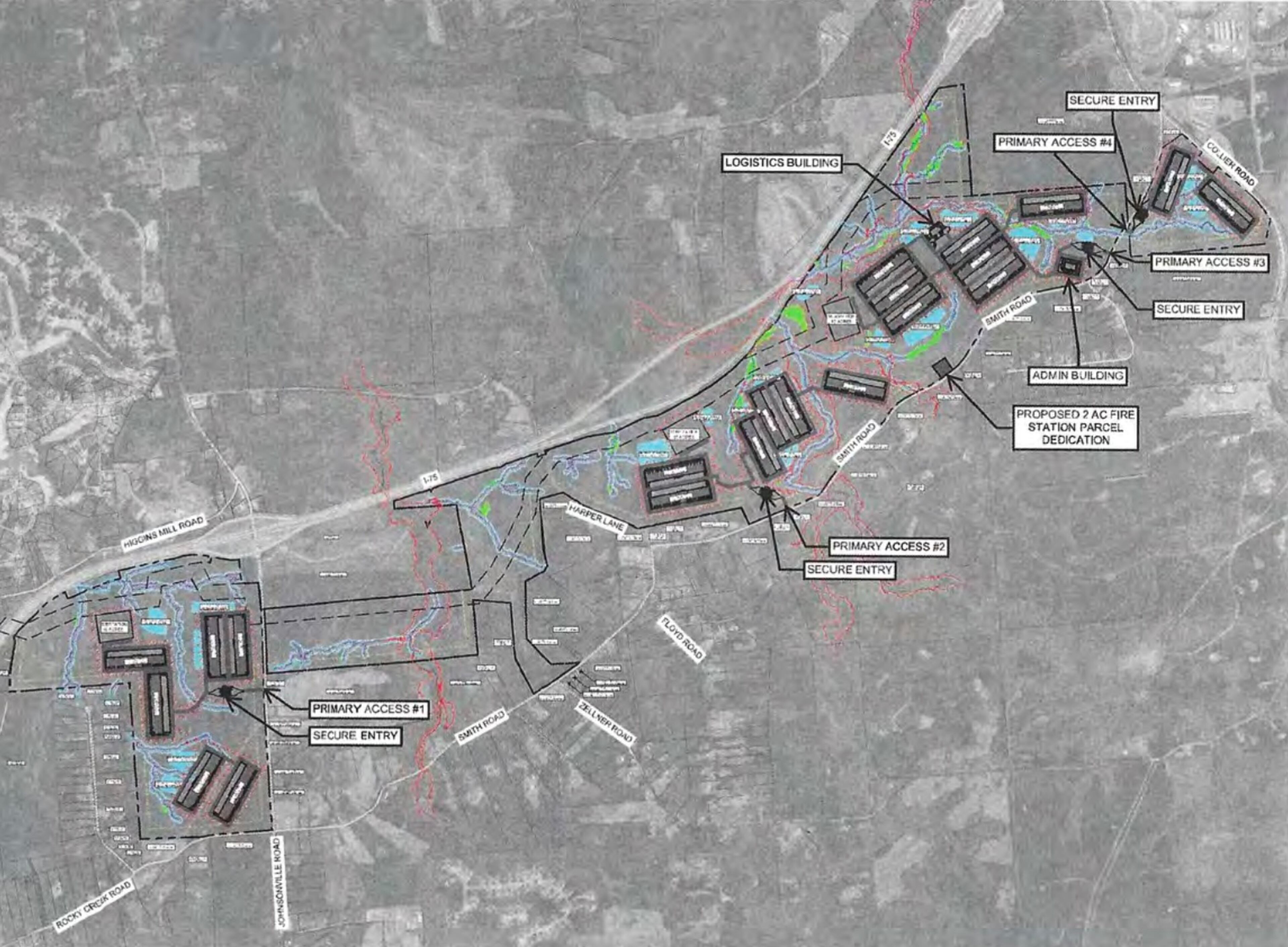
Developer Trammell Crow Co.’s plan to build a $21 billion technology campus on a roughly 1,600-acre site near Forsyth is a focus of the debate.
But other proposals nearby have fueled anxiety about land use, water consumption and power demands — concerns that have spilled directly into the Senate race that Democrats aim to flip.
Their party’s only candidate, LeMario Brown, has staked his campaign on limiting the projects, casting them as a threat to rural life and local resources.
“I’m not opposed to economic development, and I’m not saying Georgia doesn’t need data centers at all,” Brown said. “But they belong in industrial parks, not next to farms, neighborhoods or communities already struggling with infrastructure.”
Local leaders from both parties see Brown as a shoo-in for a spot in a likely runoff, with an outside shot of winning outright.
Democrats are pressing their advantage in search of a knockout blow: U.S. Sen. Mark Kelly of Arizona, one of the party’s most recognizable figures, is set to campaign for Brown on Saturday.

Democratic mailers have leaned hard into the message. One features a smiling, older couple seated on rocking chairs alongside images of smokestacks belching pollution with the text, “Republicans: Building data centers and wasting resources.”
‘On their own two feet’
But the politics are more complicated than a simple partisan divide.
Former Forsyth Mayor Eric Wilson, one of the leading GOP contenders, has framed the projects as both inevitable and necessary, arguing they reflect Georgia’s growing role in the technology economy.
As mayor, Wilson said he remained neutral on the Forsyth Technology Campus, a sprawling proposal that could include up to 12 million square feet of buildings spread across 21 data center warehouses.
The project helped spur Monroe County to impose a moratorium halting new data center applications until it can adopt new zoning rules. And a deadlocked vote by the Forsyth Planning and Zoning Commission on Wednesday left the project’s fate unresolved.
Wilson said lawmakers must ensure the industry safeguards natural resources and delivers tax relief for residents, but insisted the ultimate decisions should remain in local hands.
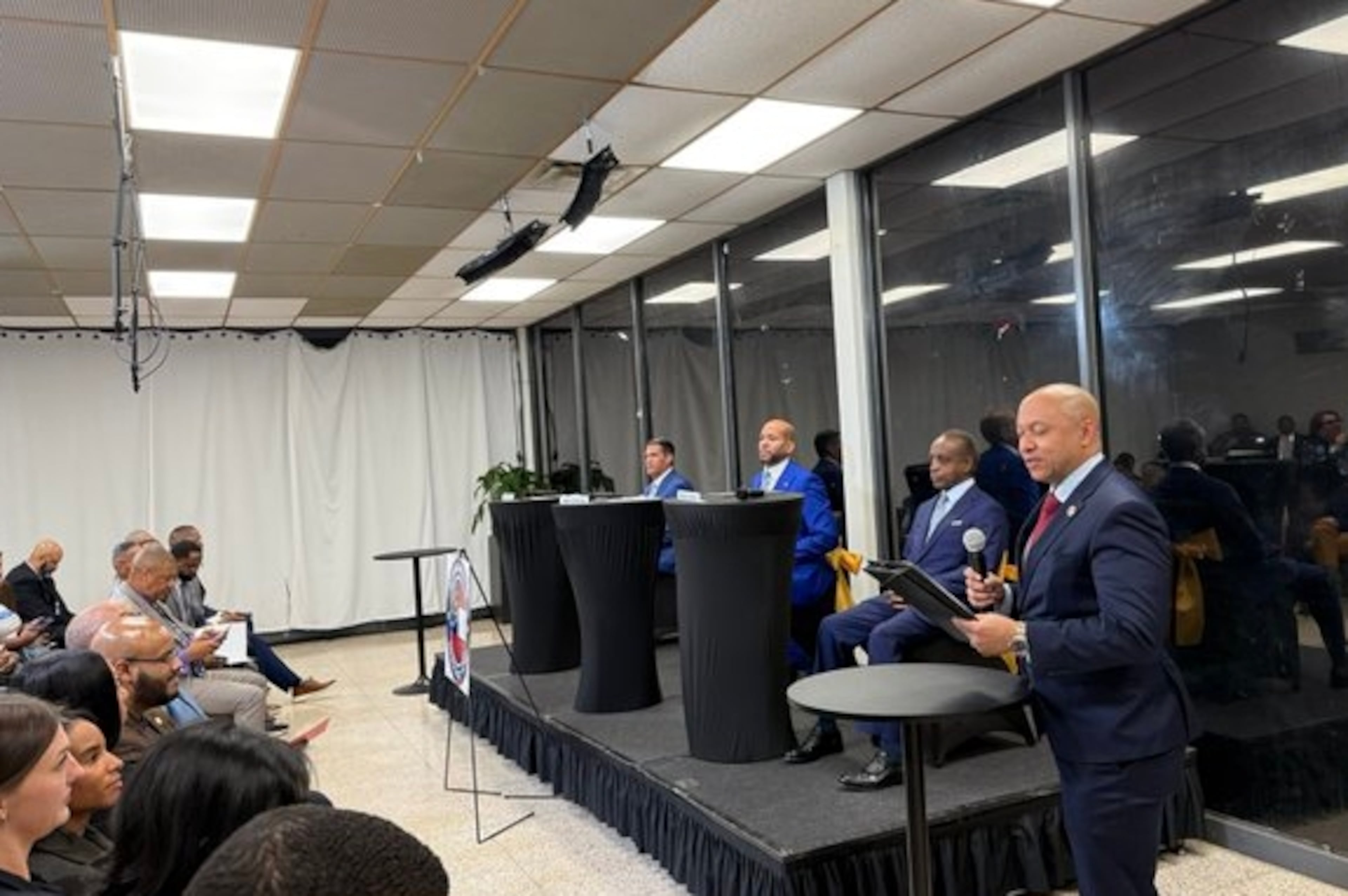
“The fact that we’re going to have data centers is here,” Wilson said at a recent forum. “President Donald Trump signed an executive order saying that the U.S. is going to win the war for AI against China. And to do that we’re going to need data centers.”
His top GOP rival is Steven McNeel, a Republican trial lawyer from Bibb County backed by many in the legal circles still angry over last year’s litigation overhaul. McNeel has taken a hard line against the tax breaks flowing to data centers, arguing they are an unnecessary subsidy for a powerful industry.
“We don’t need to be subsidizing this billion-dollar industry. They have the ability to stand on their own two feet without us giving them tax handouts,” he said, calling for stiffer leasing requirements.

A third leading GOP contender is former state Rep. Lauren Daniel, who has taken one of the most aggressive stances on data centers touting her past votes against tax credits for the industry.
“I’m the only one who has a proven record of voting against these things,” Daniel said. “But we have to be innovative on our solutions. If these data centers are going to come into our communities, then the best thing we can do is put regulations around them.”
‘Our plight’
Similar debates are playing out from metro Atlanta to rural counties eager for tax revenue but wary of long-term consequences. In Covington, for instance, the mayor recently proposed eliminating local property taxes with the revenue from a massive Amazon complex under development.
And Gov. Brian Kemp is emphasizing a recent Public Service Commission vote to approve a $16 billion data center-driven expansion of Georgia Power’s energy fleet. The commission and utility have said new rules will protect customers from bearing costs from new data centers.

“Georgia’s growth has enabled us to freeze utility rates for three years and make sure large energy users pay more so hardworking Georgians pay less,” Kemp said.
Back in Middle Georgia, environmental advocates say the backlash is unlike anything they’ve seen. And Democrats are quietly optimistic about Brown’s chances to pull off an upset after off-year election year gains that rattled Republicans.
“When we get people like LeMario in office in the state Senate, we’re not going to have to deal with these Republicans that want to build these data centers that pull all the water out of our rivers and make our power bills go up,” said Charlie Bailey, chair of the state Democrats.
But it’s hard to predict how the backlash will translate at the ballot box.
Bo Drinkard, a self-described political independent who lives near the proposed center, has raised concerns about water capacity, air quality and other strains of natural resources at local review meetings. He said local officials seem focused on the promise of tax revenue, but he’s skeptical residents will ever see relief.
“I think I have a better chance of dunking a basketball than that happening,” he said. “I imagine they sit around making a Christmas list like we did as kids with the Sears catalog.”
He’s already cast his ballot for Daniel, he said, “because she’s the only one who has shown any interest in our plight.”
About the Author

Greg Bluestein is the Atlanta Journal Constitution's chief political reporter. He is also an author, TV analyst and co-host of the Politically Georgia podcast.