Everyday habits that can help women protect their brain health
Women often spend years putting everyone else first, caring for children, managing careers, supporting aging parents, nurturing relationships and running households, while their own health falls to the bottom of the priority list.
That can come at a significant cost. According to the Alzheimer’s Association, nearly two-thirds of Americans living with Alzheimer’s are women. Women also make up the majority of Alzheimer’s and dementia caregivers. This dual burden places women at unique emotional, physical and cognitive risk, often long before symptoms of memory loss appear.
During National Women’s Health Week, Joyce Mahoney, the regional vice president of Memory Care at Belmont Village Senior Living, says women should start thinking about brain health much earlier than they might expect.
“Women’s brain health is shaped over a lifetime, not just in later years,” she said. “Changes can start in your 30s and 40s.”
Experts increasingly stress prevention and long-term cognitive resilience rather than waiting until memory problems become severe. “Prevention is more effective than intervention,” Mahoney explained. “Small changes today can shape cognitive outcomes decades later.”
One of the biggest misconceptions about cognitive wellness, experts say, is that protecting the brain requires major lifestyle overhauls. Instead, small, consistent habits matter most.
“Movement is non-negotiable,” Mahoney shared. “Physical activity improves blood flow to the brain and supports memory and executive function.”
The CDC has similarly linked staying active to improved cognitive health and reduced cognitive decline. “We need to exercise our brains just like we exercise our physical body,” Mahoney added.
🧠 Read more: The reasons women are disproportionately affected are complex.
From calling to career: The AJC honors 2026’s top nurses

For the 21st consecutive year, The Atlanta Journal-Constitution is celebrating 10 of the region’s best nurses and one outstanding nurse leader.
Most of these nurses knew from an early age that they had a burning desire to give back and have parlayed that passion into exemplary careers in a field that requires extraordinary skill, compassion and hard work.
The AJC announced this year’s Celebrating Nurses award winners at a luncheon on May 7 at Curate Event Space in west Midtown. About 600 people attended the event, which is held annually in conjunction with National Nurses Month and the anniversary of the birth of Florence Nightingale, considered the founder of modern nursing.
Bosses, colleagues, friends and patients are invited annually to nominate nurses who exemplify the best in their profession. Ten of the nominees receive an AJC Nurse Excellence Award, and one is presented with an AJC Nurse Leader Award, presented by Kaiser Permanente.
This year, the AJC received 955 nominations for the Nurse Excellence Awards — nearly 200 more than last year. Another 134 individuals were nominated for the Nurse Leader Award.
The nominees include nurses who fell in love with the profession while caring for a hospitalized loved one or during their own treatment. One nurse waited until her seven children were grown before entering the profession in her 50s. Another recently helped two patients in heart failure find housing and food so they could focus on their health rather than daily hardship.
🩺 Read more: What leadership at the AJC had to say about the 2026 nominees
Pain you can’t explain? It might be your jaw.
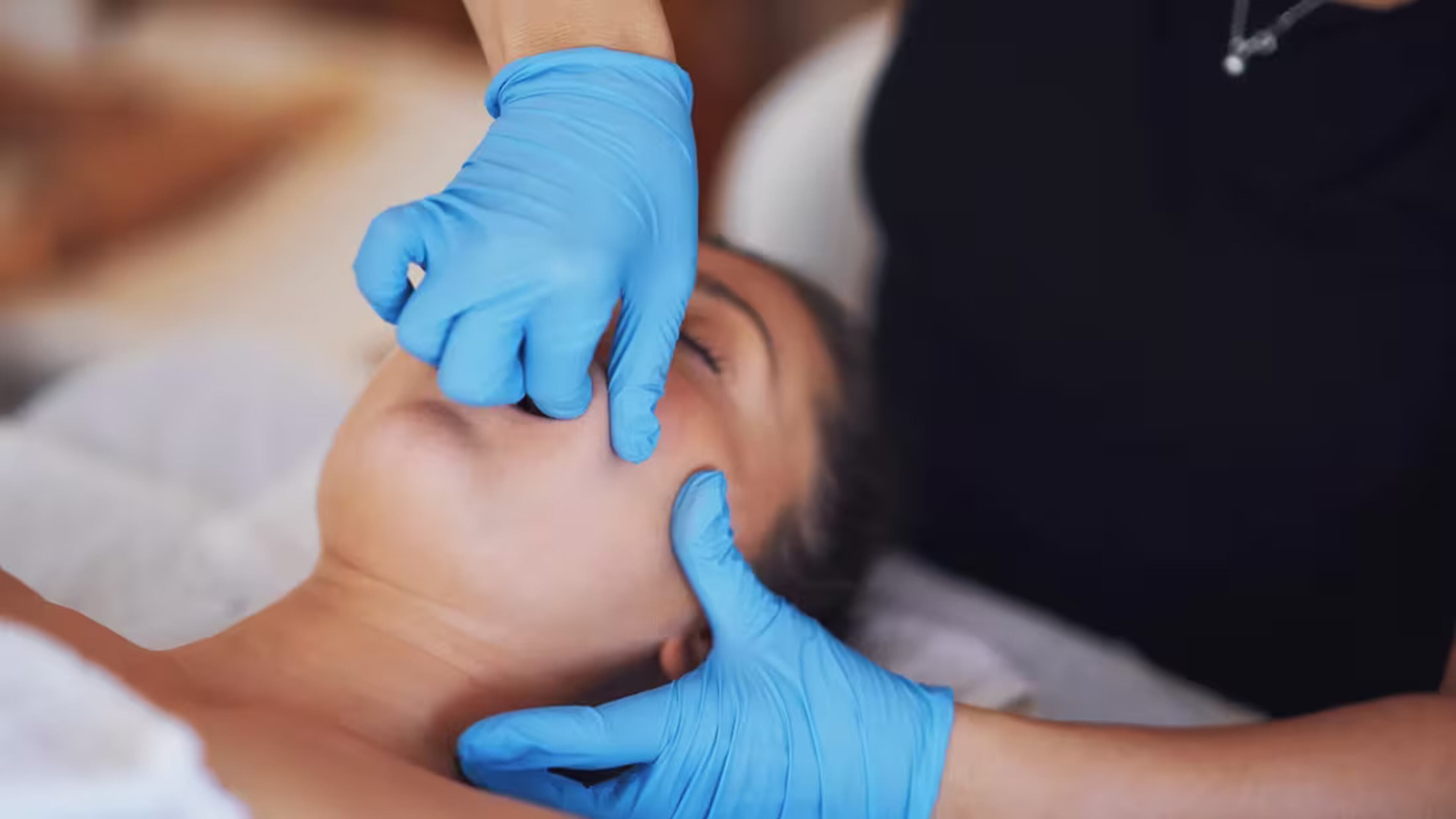
When country music artist LeAnn Rimes broke down in tears during a viral “deep jaw release” therapy session, the reaction was immediate. For many viewers, it raised the question of how much stress we’re actually holding in our bodies without realizing it.
In the now widely shared video, the singer undergoes an intense intra-oral treatment known as TMJ therapy — or temporomandibular joint therapy — in which a practitioner works inside the mouth to release jaw tension. Moments later, she sobs, then laughs, describing a sudden sense of relief.
Some therapists believe releasing tight connective tissue in the jaw can shift the nervous system out of a stress response, which may explain the emotional reaction seen in Rimes’ video. And, while dramatic, it isn’t as unusual as it might seem.
“It doesn’t happen for everyone, every time,” says Amber Roberts, a massage therapist in Atlanta. “It seems like the body is ready to release these emotions that are kept in our musculature. People are genuinely surprised and shocked. They’re either like, ‘Why am I weeping right now,’ or they’re shuddering or have goose bumps, and no one’s ever expecting it.”
While stress and clenching are common triggers, Atlanta-area advocates and patients say TMJ issues can often come from physical or even emotional trauma.
Common symptoms include jaw pain, clicking or popping sounds when opening your mouth, headaches, earaches, difficulty chewing and ringing in the ears. Recognizing these signs can help people understand whether they might benefit from therapy.
😮💨 Read more: Why health experts say the jaw is one of the most overworked and underrecognized pain centers
A Better You

Small habits that can strengthen your self-esteem every day
Confidence doesn’t come from one big moment, Barton Goldsmith — psychotherapist and AJC contributor — writes. It grows with you through small, everyday choices shaped by your habits.
So, how do you show up for yourself? Here are practical ways to help you shift your mindset and build your self-esteem.
- Organize your desk. While Albert Einstein is often quoted as saying that a clean desk is the sign of a sick mind, having some order can make a real difference. A tidy workspace reduces stress — like when you need to find something quickly — and gives you a satisfying sense of control and accomplishment.
- Learn a new computer program. Gaining even a basic understanding of a new tool can be surprisingly empowering. It builds confidence, keeps your mind active and increases feelings of positivity.
- Fix something around the house. DIY projects have become a go-to way to save a few dollars, but there’s another benefit too. Tackling a small repair or project yourself leaves you feeling more capable. Give it a try. You might be surprised.
- Organize your photos. Whether on your phone, computer or in physical albums, reviewing your history is a great way of revisiting where you’ve been and how you’ve evolved over the years.
- Keep a gratitude journal. The process is elegant in its simplicity: write down five things that you feel grateful about. Doing this on a daily basis will change the way you think and feel. The best time is just before bed, when feelings of gratitude will flow into your subconscious as you sleep.
🌱 Read more: 5 other ways to build confidence and shift your perspective
The subtle red flags you may be overlooking in your relationship
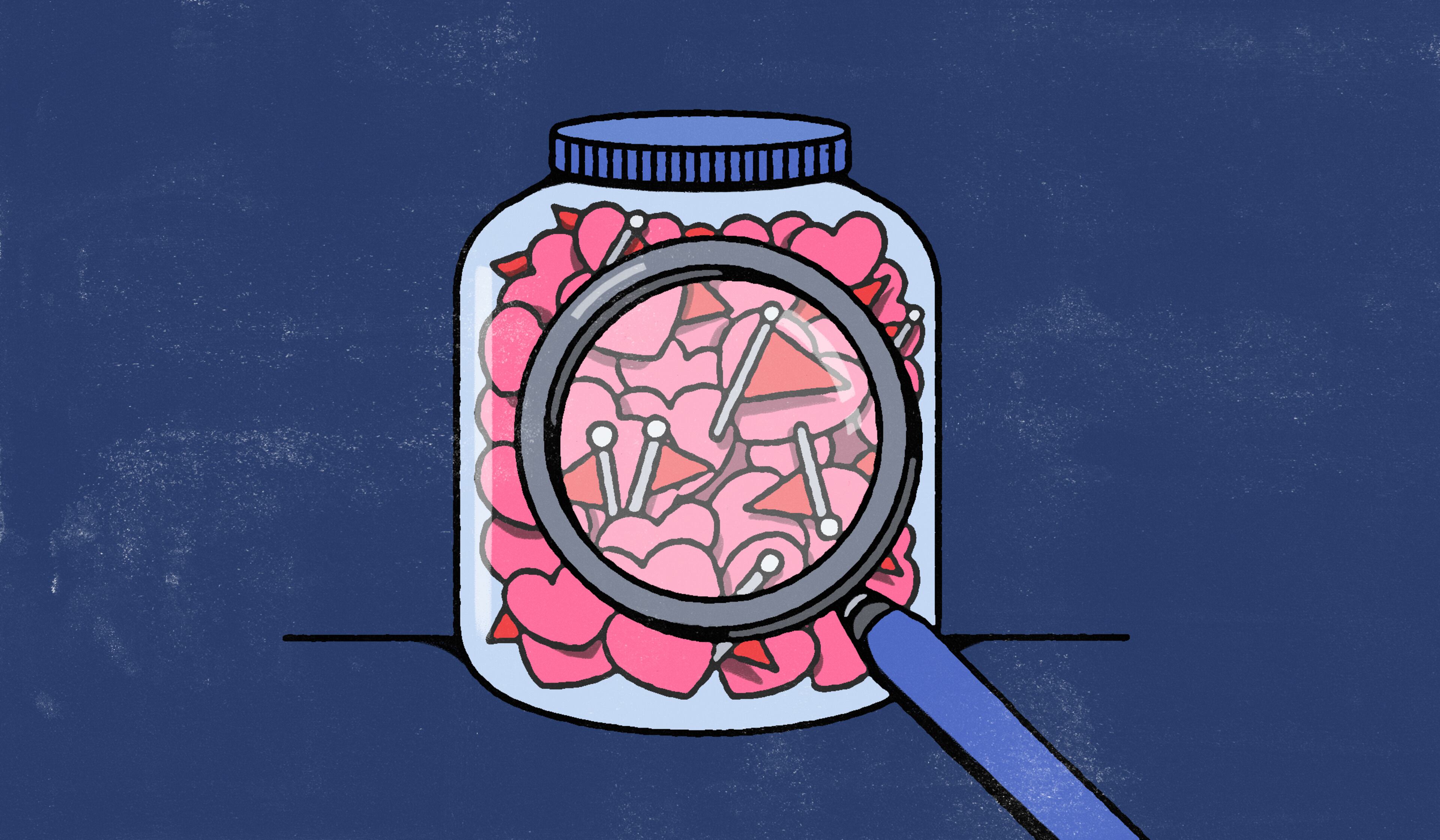
It’s likely that you’ve heard about the more obvious red flags that indicate a relationship may be unhealthy, like cheating, a pattern of lying or physical harm. But not all warning signs are easy to spot, Dr. Joy Harden Bradford, AJC wellness contributor, writes. Some are far more subtle and often go overlooked.
In some cases, we miss them because we’ve observed similar patterns in other relationships in our lives and believe this is just how things are supposed to be. Other times, we assume that the behavior is simply a challenge to work through.
However, it’s important to recognize the difference between random quirks that you can learn to live with (leaving the dishes in the sink or talking in their sleep) and behaviors that gradually erode trust and your self-esteem (being insulted or cursed at when you make a mistake).
1. Your accomplishments are consistently diminished.
If every time you get good news your partner can’t make time to celebrate or is dismissive, this may be an indication that your partner is more interested in exerting power over you vs. sharing power with you.
2. Your partner limits your access to finances or controls your ability to make money.
In any relationship, couples make a lot of decisions about finances, from whether to create joint accounts or keep them separate to how to approach paying off debt. These choices often involve ongoing negotiations and, at times, difficult conversations. The key to making this process healthy is ensuring that both partners feel heard and their feelings are validated.
3. Your partner limits your interactions with loved ones.
Mistreatment often thrives in silence. The more isolated you are from people who care about you, the easier it can be for someone to mistreat you.
🚩 Read more: Additional red flags that deserve some attention