Southern lawmakers are fueling a mental health crisis for LGBTQ+ youth

Editor’s Note: About 40% of U.S. students had persistent feelings of sadness or hopelessness and 9% attempted suicide, according to a report by the Atlanta-based U.S. Centers for Disease Control and Prevention. The number of adolescents reporting poor mental health is increasing, according to the CDC.
As part of Mental Health Awareness Month, The Atlanta Journal-Constitution is running a series of guest essays this week about mental health in schools.
This is the fourth of these essays:
There is one number that hasn’t left me since I first read it: 97.
That’s the percentage of LGBTQ+ young people who can still name at least one reason to be hopeful, according to new national research from Hopelab and Data for Progress.
I find this figure both extraordinary and gutting, that in the midst of one of the most hostile political climates queer youth have faced in decades, they are still looking for the light. The disconnect between the hope they’re clinging to and the future they are inheriting is not accidental. It is the result of deliberate decisions made by elected officials across the country.
This new research details a widening “hope gap.” Only 19% of LGBTQ+ young people feel optimistic about the country’s future, compared to 32% of their non-LGBTQ peers. On an individual level, just 52% feel optimistic about their own future—a 10-point break from the 62% of other youth. These statistics are the measurable consequence of living in a country actively legislating away your existence.
I know this all too well because I grew up in North Florida.
I came of age watching my state become a laboratory for anti-LGBTQ policy. I watched lawmakers pass the infamous “Don’t Say Gay or Trans” bill, stripping teachers of the ability to acknowledge that students like me exist. I watched them ban LGBTQ+ books en masse—going as far as to file criminal complaints against librarians in my hometown of Flagler County, Florida. I watched Tallahassee restrict healthcare access for transgender youth and gut crucial campus support structures.
From personal experience and years organizing for LGBTQ+ liberation, I understood instinctively what this research now confirms: These laws do not exist in a vacuum. They have very real-world implications on the bodies and minds of LGBTQ+ kids.
Unfortunately, Florida is not an outlier. Across the South, state legislatures have pursued robust campaigns to codify similar anti-LGBTQ legislation, often mirroring efforts first tested in my state. They are assisted by well-resourced conservative lobbying groups such as the Alliance Defending Freedom and American Legislative Exchange Council, which draft model bills to circulate among allied legislators. Georgia is not immune. Notably, in the 2022 session, legislators unsuccessfully tried to pass The Common Humanity in Private Education Act — a near direct copy of Florida’s “Don’t Say Gay” effort. This well-oiled political machinery sends a consistent reminder to queer youth that our purported “leaders” will send them down the river as an acceptable casualty of their political ambitions. The 61% of LGBTQ+ youth who characterize their mental health as “fair” or “poor” deserve better than to be treated as a political football.
Statehouses across the country are, at best, complicit and, at worst, manufacturing this public health emergency. When you pass laws that isolate queer kids from supportive teachers, restrict their access to life-saving healthcare, and flood their environment with state-sanctioned stigmatization, you do not get to wash your hands of blame.
Where does this leave us? We must be explicit and direct, and we must fight back. When Florida became the testing ground for these policies, young people like me didn’t just sit by and watch. We acted. I organized mass school walkouts, confronted the governor, organized campaigns to remove corrupted elected officials from office — anything I could to impede this coordinated attack on people like me.
That action can be a blueprint for young people everywhere. But it is just a start. Using these findings as a call to action, we must organize a diverse, authoritative movement to dismantle this systemic discrimination of LGBTQ+ young people and implement meaningful solutions to address this crisis. This must start with the restoration of funding for LGBTQ+ mental health programs and youth research that have been gutted at both the federal and state levels. We must invest in affirming curricula, school counselors, and dedicated community spaces.
School districts should expand sex ed curriculum to be inclusive of LGBTQ+ people, allow students to use their preferred name/pronouns in a school setting and offer resources to parents navigating their child coming out.
Finally, we have an imperative to pass nondiscrimination protections for queer youth to solidify a legal foundation for safety and dignity. The resilience of LGBTQ+ young people must be met with substantive organizing.
Ninety-seven percent of queer youth can still find a reason for hope in this world. They shouldn’t have to look this hard.
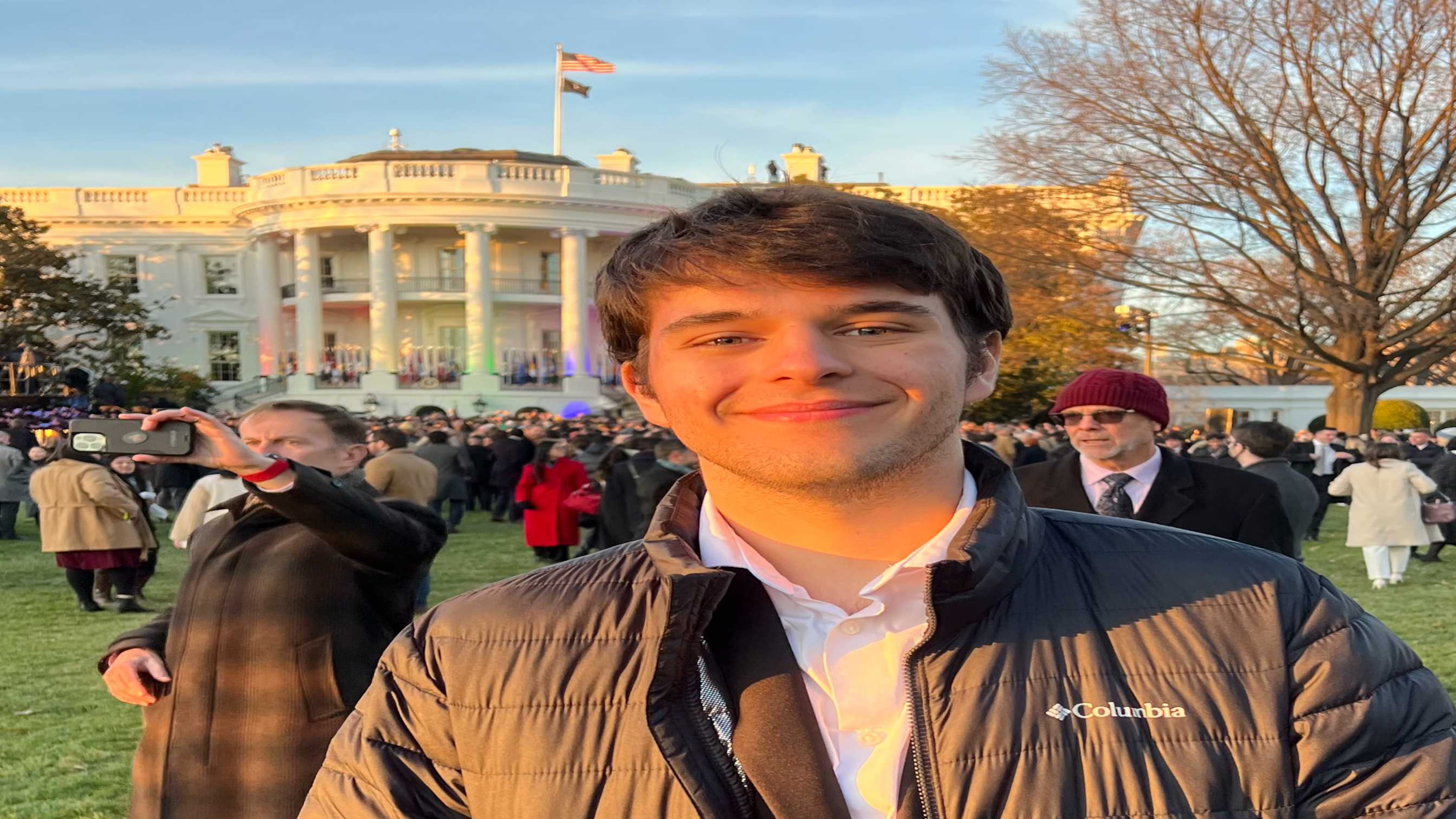
Jack Petocz, 21, is an openly gay organizer, student, and the director of partnerships at Gen-Z for Change —a Gen-Z led digital advocacy organization.
If you have any thoughts about this item, or if you’re interested in writing an op-ed for the AJC’s education page, drop us a note at education@ajc.com.