Why more school counselors are needed to address student mental wellness
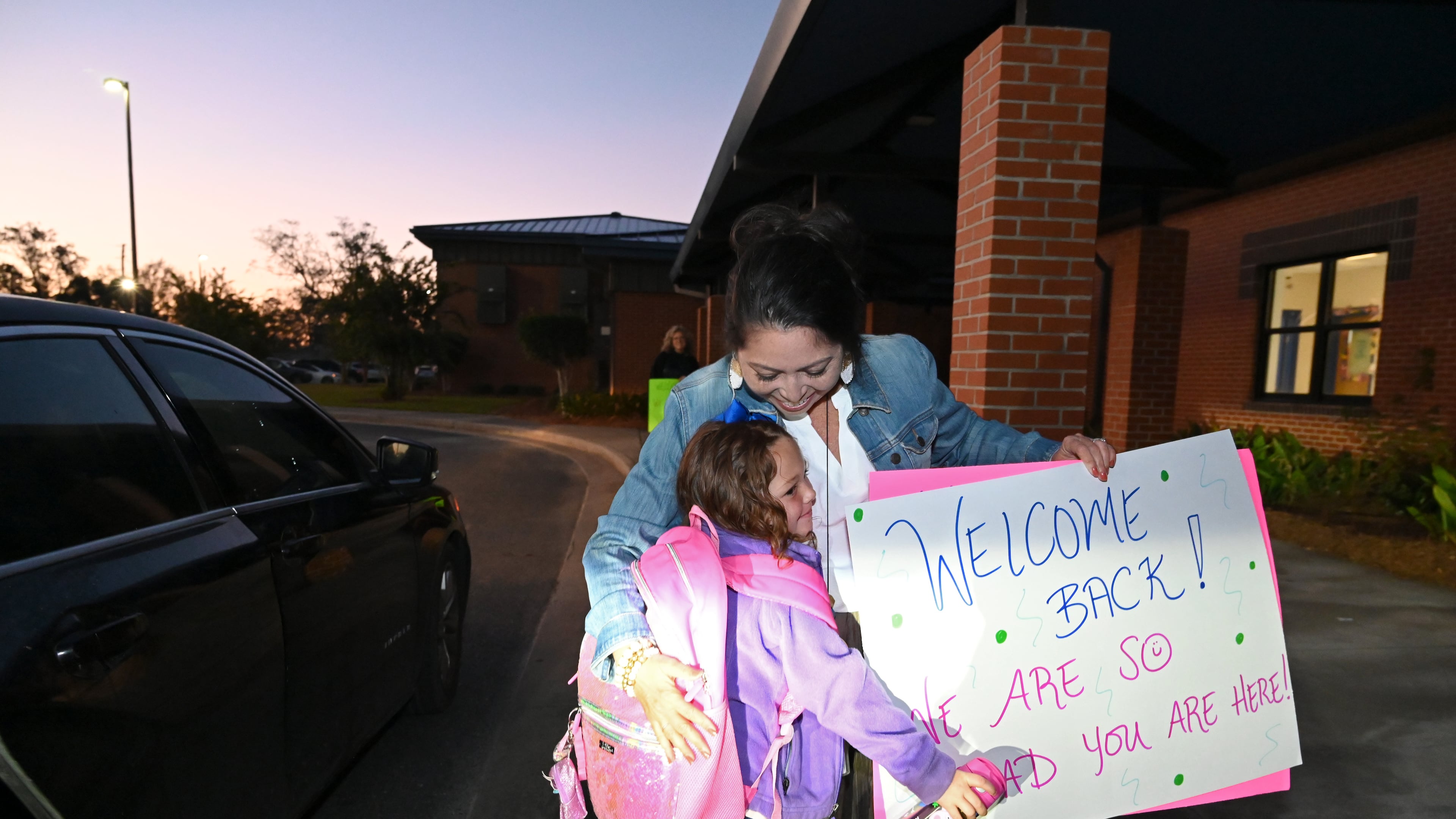
About 40% of U.S. students had persistent feelings of sadness or hopelessness and 9% attempted suicide, according to a report by the Atlanta-based Centers for Disease Control and Prevention. The number of adolescents reporting poor mental health is increasing, according to the CDC.
As part of Mental Health Awareness Month, The Atlanta Journal-Constitution is running a series of guest essays this week about mental health in schools.
Here is the first of these essays:
If you want a true picture of the mental health of today’s youth, visit a classroom.
More than 5.3 million adolescents ages 12-17 years, or one in five students, have a current, diagnosed mental or behavioral health condition (anxiety, depression or behavior/conduct problems), according to the Health Resources and Services Administration’s National Survey of Children’s Health. The CDC’s Youth Risk Behavior Survey Data Summary & Trends Report: 2013–2023 paints an equally troubling picture: In 2023, 40% of U.S. high school students reported persistent feelings of sadness or hopelessness, and 20% seriously considered attempting suicide.
While this phenomenon is not new, it is accelerating. Between 2016 and 2023, the prevalence of diagnosed mental or behavioral health conditions among adolescents climbed from 15% to 20%.
Students’ unmet mental health needs can be a significant obstacle to student academic achievement, career readiness and social/emotional development and, in some cases, can compromise school safety. School counselors are positioned at the heart of efforts to identify needs, intervene early and connect students with critical resources. By focusing on students’ mindsets and behaviors — the knowledge, attitudes and skills students need to achieve academic success, college and career readiness and social/emotional development — school counselors help promote positive mental health and create the conditions students need to thrive.
“Students can’t fully engage in learning if their mental health needs are unmet,” says Gabrielle Edmonds, school counselor at Myers Middle School in Savannah. “School counselors play a critical role in supporting students’ emotional well-being, removing barriers to learning and helping them build the skills and stability they need to succeed academically and beyond.”
Social/emotional development is not peripheral to learning; it is foundational to academic success. School counselors play a vital role in removing barriers to opportunity and access to rigorous education while helping students develop essential life skills such as coping, collaboration and problem solving
The connection between social/emotional development and learning is evident in classrooms every day.
“While a school’s primary mission is students’ academic development, learning is improbable if students can’t manage their emotions and their relationships with peers and adults,” says Cheryl Nahmias, student support program specialist at Midtown High School in Atlanta. “If we’re expecting students to learn without attending to their mental and emotional well-being, then we’re pursuing a hollow mission.”
Research and practice consistently reinforce this perspective. Schools that increase their use of social/emotional learning and restorative practices show significant decreases in student depression, anxiety and suicidal ideation, as well as improvements in attendance and achievement, according to the Learning Policy Institute.
“School counselors are vital personnel who support students’ mental health and wellness so they can focus on their academic performance,” says Kimberly Jones, district lead counselor for City Schools of Decatur. “As partners in a tiered support system, school counselors ensure that students’ mental health is an integral component of discussions about whole-child wellness.”
“Mental health and academic achievement are not two separate entities; they are two components intertwined, shaping the success of all students,” agrees Shayla Thompson, seventh-grade school counselor at Crews Middle School and 2025 Georgia School Counselor of the Year.
School counselors are trained to provide developmentally appropriate mental health support; provide early identification of students in distress; deliver prevention, intervention and responsive services; and address academic, career and social/emotional development in an integrated way. In fact, schools with fully implemented school counseling programs aligned with the ASCA National Model show improvements in academic achievement as well as in factors that contribute to achievement, including attendance and behavior.
Because of this specialized training, school counselors are well-positioned to teach and reinforce the skills students need to thrive. Although the national student-to-school counselor ratio has improved in recent years, (372:1 in 2024-25, a 23% improvement from 10 years prior) we know more work remains. Georgia’s ratio is 386:1. Today, about 17% of the nation’s high schools — serving approximately 643,700 students (4% of all students) — do not have a school counselor.
These shortages matter. Despite progress, high student-to-school-counselor ratios and staffing gaps nationwide signal an urgent need to expand access to these services. Research consistently shows lower student-to-school-counselor ratios are associated with stronger academic achievement, improved behavior and positive student outcomes.
School counselors are often the first trusted adult students turn to and the bridge between education, families and community mental health services. Schools can help protect the school counselor role by increasing hiring to meet the ASCA-recommended ratio of 250 students per school counselor; protecting school counselors’ time from non-school-counseling duties; and using data to guide prevention and early intervention.
Ultimately, schools cannot raise academic standards without supporting students’ mental health. School counselors are that bridge. Investing in school counselors is an investment in healthier students, stronger schools and more resilient communities.
Jill Cook is executive director of the American School Counselor Association.
If you have any thoughts about this item, or if you’re interested in writing an op-ed for the AJC’s education page, drop us a note at education@ajc.com.