Lil Jon, Atlanta’s crunk king, trades beats for book on career, son’s death
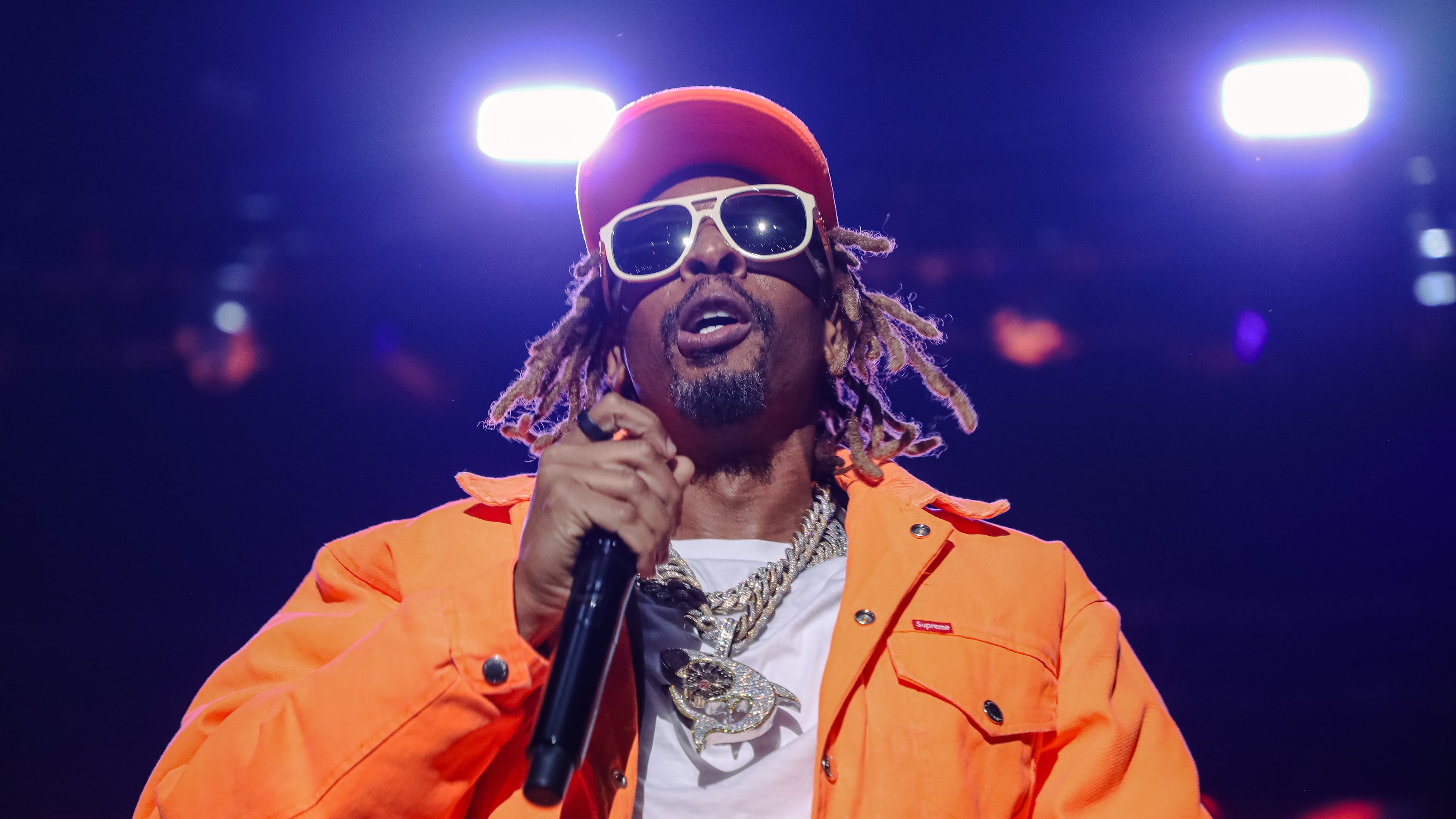

Lil Jon wanted to write a book about his life for the same reason many would: sharing his story and the lessons learned in hopes of inspiring others.
But getting comfortable with such a task took time. Fifty years, to be exact. The Atlanta rapper and producer, a pillar in crunk music, said turning 50 in 2022 made him prioritize his mental health, which made reckoning with the past a necessity.
Much of that journey — the southwest Atlanta upbringing, the pioneering hip-hop fame — is explored in the Grammy winner’s memoir “I Only Shout So You Can Hear Me.” Out today via Atria/Black Privilege Publishing, the book dives into the soul of an otherwise private artist whose loud chants shaped an entire subgenre. But in Lil Jon’s story, the quieter, secret moments steal the show.
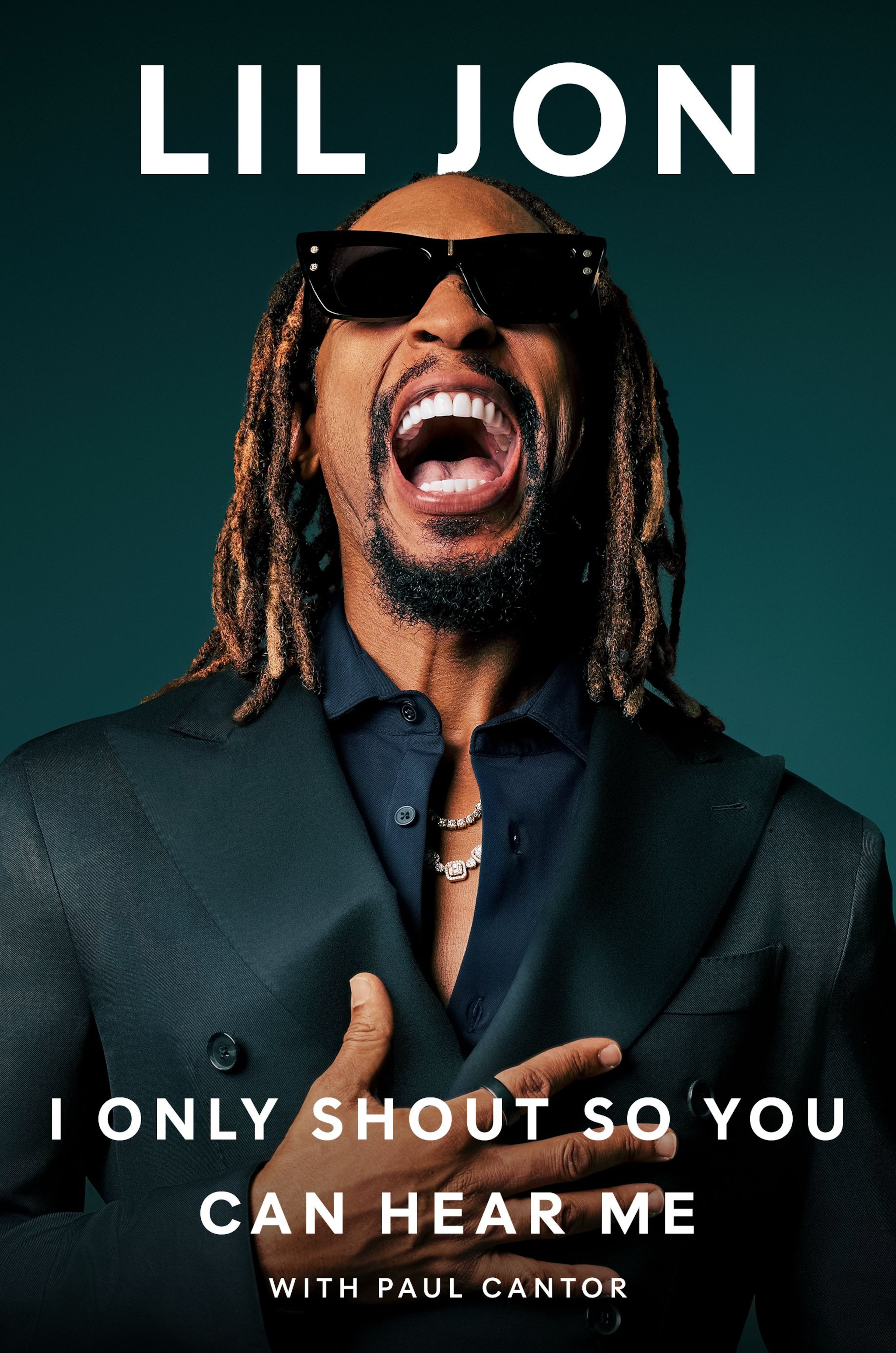
Case in point: He’s never been seen in public without sunglasses because, as a child, he accidentally poked himself in the eye with one of his mom’s diabetes syringes. A crush on a band teacher sparked his love affair with the drums while a student at Beecher Hill Elementary School. And he recently discovered his dad wasn’t his biological dad (after hearing the rumor for years, he got DNA testing to prove it).
Then, there’s his son and fellow producer Nathan “Slade” Smith, whose February death was ruled an accidental drowning while under the influence of psilocybin. He was 27. Last month, while on the North American leg of Pitbull’s tour, Lil Jon broke down on stage over the sudden loss.
“I didn’t realize how much I needed to be out and feel all that positivity from all those crowds from all over the world,” the 54-year-old told The Atlanta Journal-Constitution via Zoom. “I was able to smile again. I was able to laugh again.”
Paul Cantor, who co-wrote the book with Lil Jon, said he never had a conversation with the rapper where he didn’t mention his son.
“(Lil Jon’s) life is kind of like a DJ set,” the New Yorker, who also wrote “Most Dope: The Extraordinary Life of Mac Miller” said. “He’s sort of always in search of the next song, if you will, which really represents the next chapter of where he’s going.”
The AJC talked to Lil Jon about sharing his vulnerability in his new book, welcoming his wellness journey and grappling with his son’s death.
“If you ever party to my music but want to know who the man is behind all of that, just pick up the book,” Lil Jon said. “It’s a story of a young kid from Atlanta who grows up to be something he never would have dreamed he could have been as a kid.”
This Q&A has been edited and condensed for clarity
Q: You began writing this book in 2024. How did this book come to life? Was it something you’ve always wanted to do?
A: My team thought it would be a good idea for me to tell my story and that people would relish in it. They brought to me Paul Cantor, and my son had told me he read his book on Mac Miller. So I was like, “Huh, that’s interesting. Maybe I’m supposed to do it with him.”
Turning 50, that’s when my life started to change. I started to slow down. I was going through a divorce. I slowed down drinking. It was God getting me ready for all of these different phases and things that were coming. I don’t think I could have dealt with the loss of my son and other things if I was myself 10 or 15 years ago. I’m not in the same mindset. All that slowed me down, matured me, and helped me to elevate spiritually, so I can be able to share that with the world.
Q: Did turning 50 also inspire your wellness journey? Last year, you placed third in a fitness competition.
A: Yea, that’s when I started getting into meditation. I started to go through the divorce process. I turned 50, and I just realized I wasn’t happy. I looked at my life and said, “I’m not happy with my life. I don’t know how much time I have left, and I want to be happy.”
So every day I would make me some ginger tea, and I had a copper pyramid on my deck, and I would go sit in my copper pyramid, and I would say affirmations every single day and meditate. I ended up meeting my friend Kabir Sehgal, who is already in that space, and we decided to do the meditation albums. (Since 2024, he’s released four, including one that remixes his crunk hits).
When I got the call that Usher wanted me to not just be a part of the (2024 Super Bowl Halftime Show), but to perform in it, I wanted to look good on the stage. I went to a good friend of mine. He’s a bodybuilder. We used to party and drink till 5, 6 in the morning and eat pizza. He came to L.A., and he got ripped and turned into a bodybuilder and was competing. I was like, if he can do it, I know he can probably help me get in shape enough to look good for the Super Bowl.

Q: You begin the book by writing about your involvement in Usher’s 2024 Super Bowl halftime performance. Why was it important for you to start there, given it was technically Usher’s show?
A: I wasn’t just in it; I was a part of putting it together (as its musical director). Then, I performed. I had my own piece with “Turn Down for What?” Then, I was able to do “Yeah!” with Usher and Luda(cris). That’s the biggest song of my career. To be able to do it in front of million of people 20 years after we did the song, all of that is so special.
Q: In the book, you wrote about discovering that the man who raised you isn’t your biological dad. What mental toll did that take on you?
A: It was just shocking, and you just realize that your life ain’t what you thought your life was. I’ll never know what my (biological) dad’s favorite food is. I’ll never know his laugh. I’ll never know his voice. He probably don’t even know I’m his son. He’s passed away. I’ll never have a conversation with him. All of those feelings and emotions hit you, and it knocks you backwards.
Q: Several Atlanta rappers, including Jeezy, 2 Chainz, and Gucci Mane, have written memoirs in the past three years. What’s the importance of rappers being vulnerable in the book space in ways that you probably wouldn’t get from them in a typical song?
A: We’re all grown up now. I think that’s what it is. We’ve gotten to a level of maturity where we’re thankful that we made it out of the situations that we made it out of, and we’re hoping to inspire others to do the same.
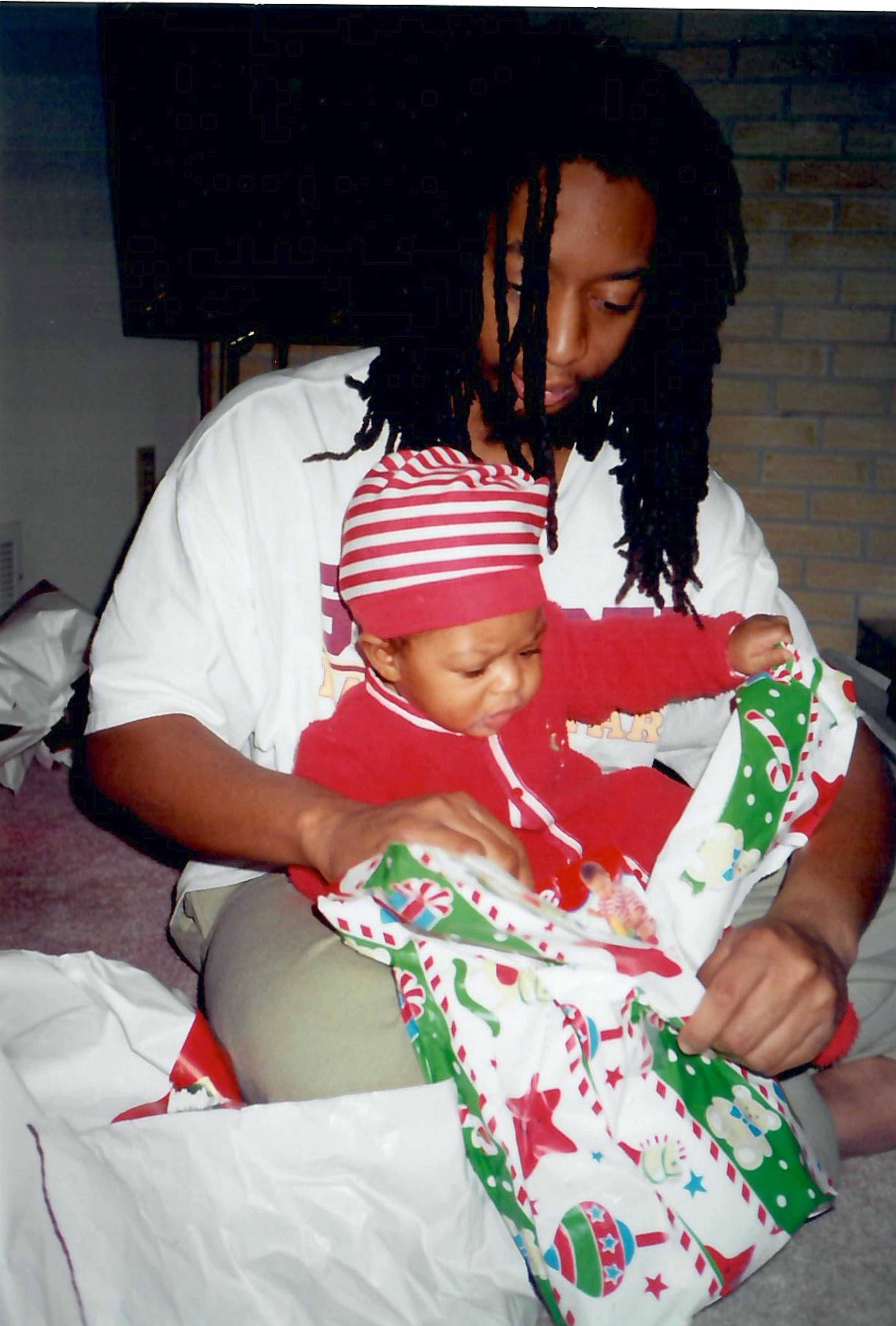
Q: The epilogue is about your son’s death. How are you dealing with that now?
A: I’m still mourning. I was in therapy two weeks ago, and I had a massive breakdown. I’m the oldest (child), so I’ve felt like I’ve always had to keep it together, so I didn’t realize that I was tucking some of that grief away to be able to survive and move. When I slowed down, I let it hit me, and I broke down. I was pushing it away so I could do what I had to do, but it finally came over me, and I felt a nice release. I felt more at ease and at peace after that happened. I didn’t even realize how I was tucking it away. Every day is another day, and it’s hard. It comes and goes. But we have to keep living for our loved ones.
Q: You wrote about wanting to release a posthumous project of his work. Is that still a plan?
A: Yeah, when I slow down, I want to go through all of his songs and see how to release his stuff. He took real pride in producing his songs and his music, and I think he was extremely talented. I don’t want that stuff to die on the hard drive. I want that to live, too.