Atlanta Opera creates its own ending for the 100-year puzzle of ‘Turandot’
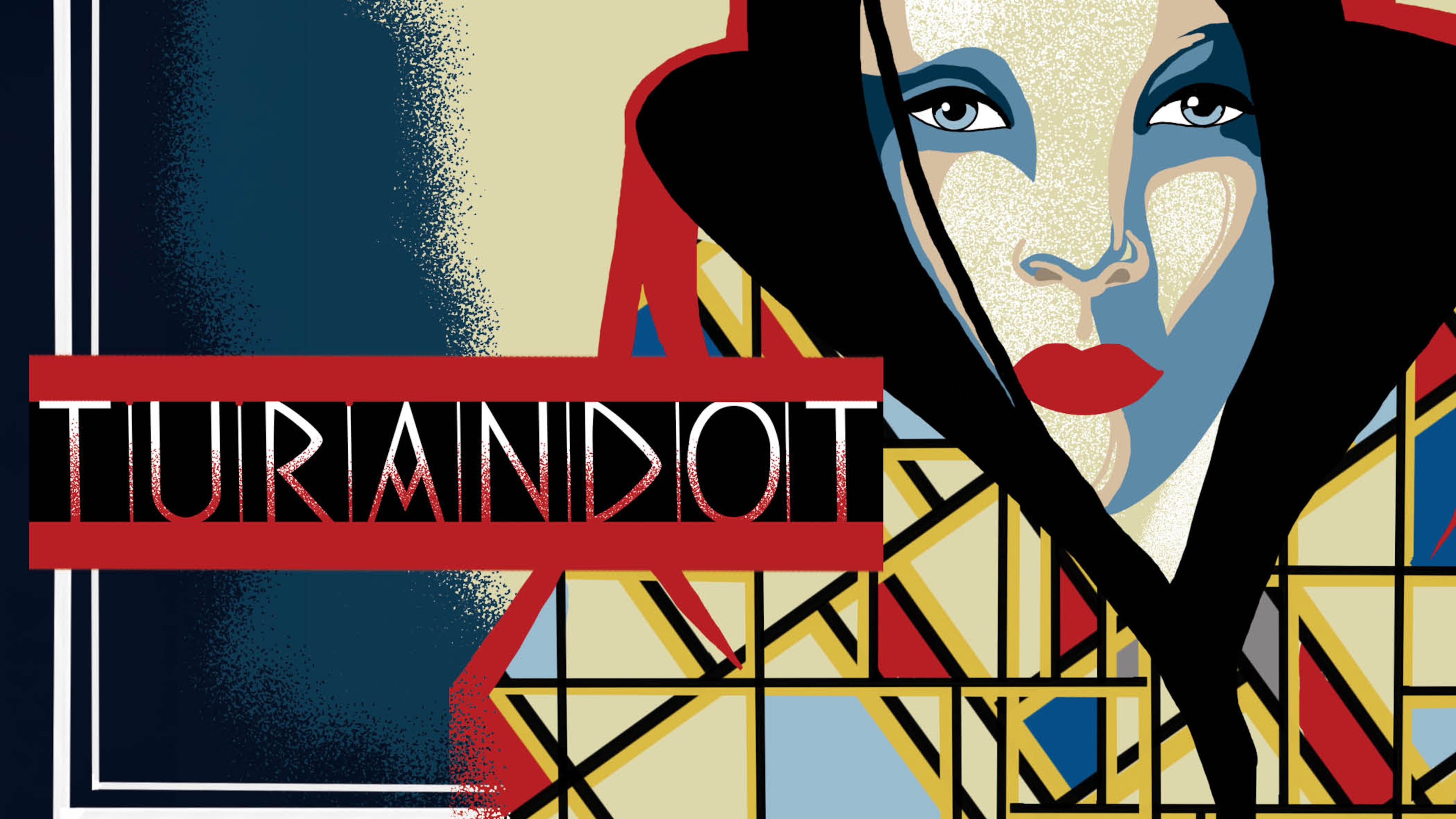

One hundred years since it premiered at La Scala opera house in Milan, there is still no consensus on how the opera “Turandot” should end.
After struggling with the ending to “Turandot” for years, composer Giacomo Puccini died before he could finish the third act. During the world premiere of the opera on April 25, 1926, conductor Arturo Toscanini ended the performance where Puccini stopped writing the opera. Ever since, opera houses around the world have offered their own endings in an attempt to rectify the performance of its unfinished conclusion.
The Atlanta Opera has decided to take its own stab at the finale. On Saturday, it will premiere “Turandot” with a conclusion first devised by Atlanta Opera set designer Erhard Rom. His suggestion was to use Puccini’s own material to end the piece.
Finding a new conclusion
Set in China, “Turandot” tells the story of an icy princess who rules with an iron fist. Turandot is infamous for asking potential suitors to solve three riddles to marry her, and when they inevitably answer incorrectly, she orders their execution. When Prince Calaf lays eyes on her, he falls in love and pursues her relentlessly.
Calaf answers her three riddles correctly, but he offers to admit defeat if she can discover his true name by dawn. When soldiers find Calaf’s father and Liù, his father’s maid, Liù is tortured in an effort to make her reveal his name. Instead of betraying him, she kills herself.
In the end, Liù’s sacrifice and Calaf’s persistence end up softening Turandot’s heart.
Puccini stopped working on the opera just after Liù’s death. Franco Alfano was commissioned to finish it, but some take issue with Alfano’s ending and have offered their own alternative finales.
Tomer Zvulun, the general and artistic director of the Atlanta Opera, said Rom approached him with the idea of restructuring the piece to remove all of Alfano’s work — except for five bars that connect to the ending — and replace it with Puccini’s own music.
Act II is interrupted by an aria that “is not really a part of the plot,” Zvulun said. In the middle of the riddle ceremony, Turandot launches an aria called “In Questa Reggia” in which she explains that she has been set on never taking a husband because her ancestor, princess Lou-Ling, was abused and killed by a conquering prince.
“In my mind, it’s always been a bit of a problem with Act II, that it stops the action in such a way,” Zvulun said.
He decided to take “In Questa Reggia” and move it to Act III so that Turandot sings it over Liù’s body just after she dies. The aria then ends with Turandot singing, “The riddles are three. Death is one,” with Calaf singing in response, “The riddles are three, life is one!”
After “In Questa Reggia,” the performance will move into the five bars from Alfano and the finale, Zvulun said.
“It’s incredible how ‘In Questa Reggia’ now has a very different dramatic meaning with this new position in the piece,” said Iván López Reynoso, the Atlanta Opera’s principal conductor. “Fortunately, the harmonies work perfectly together.”
The aria is also very challenging to sing, and in its traditional order it’s the first song Turandot performs. Moving it allows Angela Meade, who will perform the titular role of Turandot, to be prepared for that moment, Reynoso said.
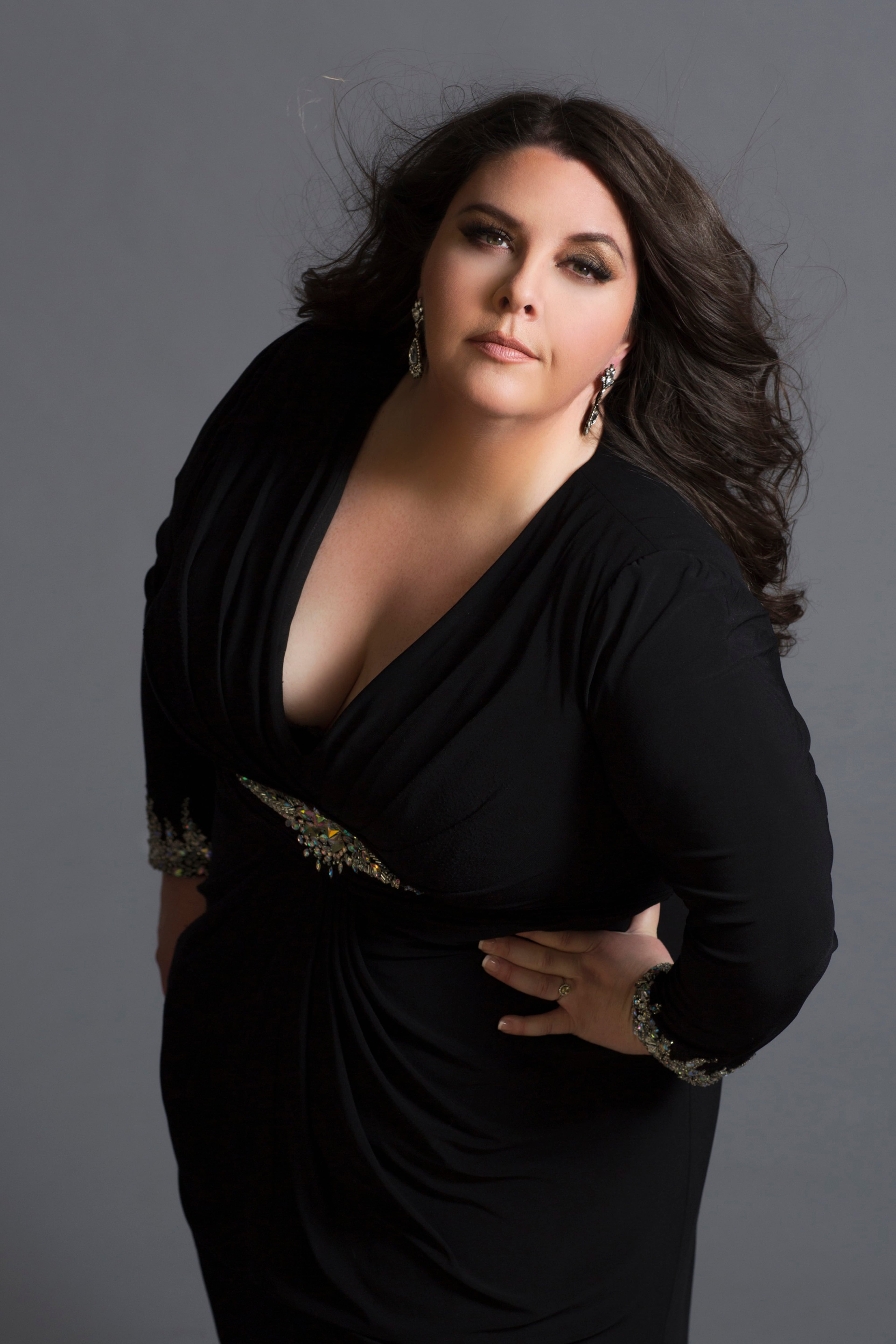
Dramatically, it also gives Meade something physical to connect the song to as she sings it over Liù’s dead body.
“All this stuff comes up psychologically, the history of all the other women in the palace that have also been abused by other men,” Zvulun said.
‘Break the boundaries of opera’
Zvulun recognizes that not everyone will like this ending.
“We welcome this discussion, because Turandot has always been this enigmatic, unfinished, literally, masterpiece. And instead of glossing over it, I think a part of what we’re trying to do at the Atlanta Opera is encourage those discussions about how to end this,” he said.
There’s always a chance that Puccini may have rearranged the structure of the opera anyway, Zvulun said, since operas often change after premiering. In fact, there are five versions of “Madama Butterfly,” another of Puccini’s operas.
Zvulun said he thinks “Turandot” depicts what happens when leaders ignore what their country needs, and what danger that type of totalitarian rule inflicts upon its people.
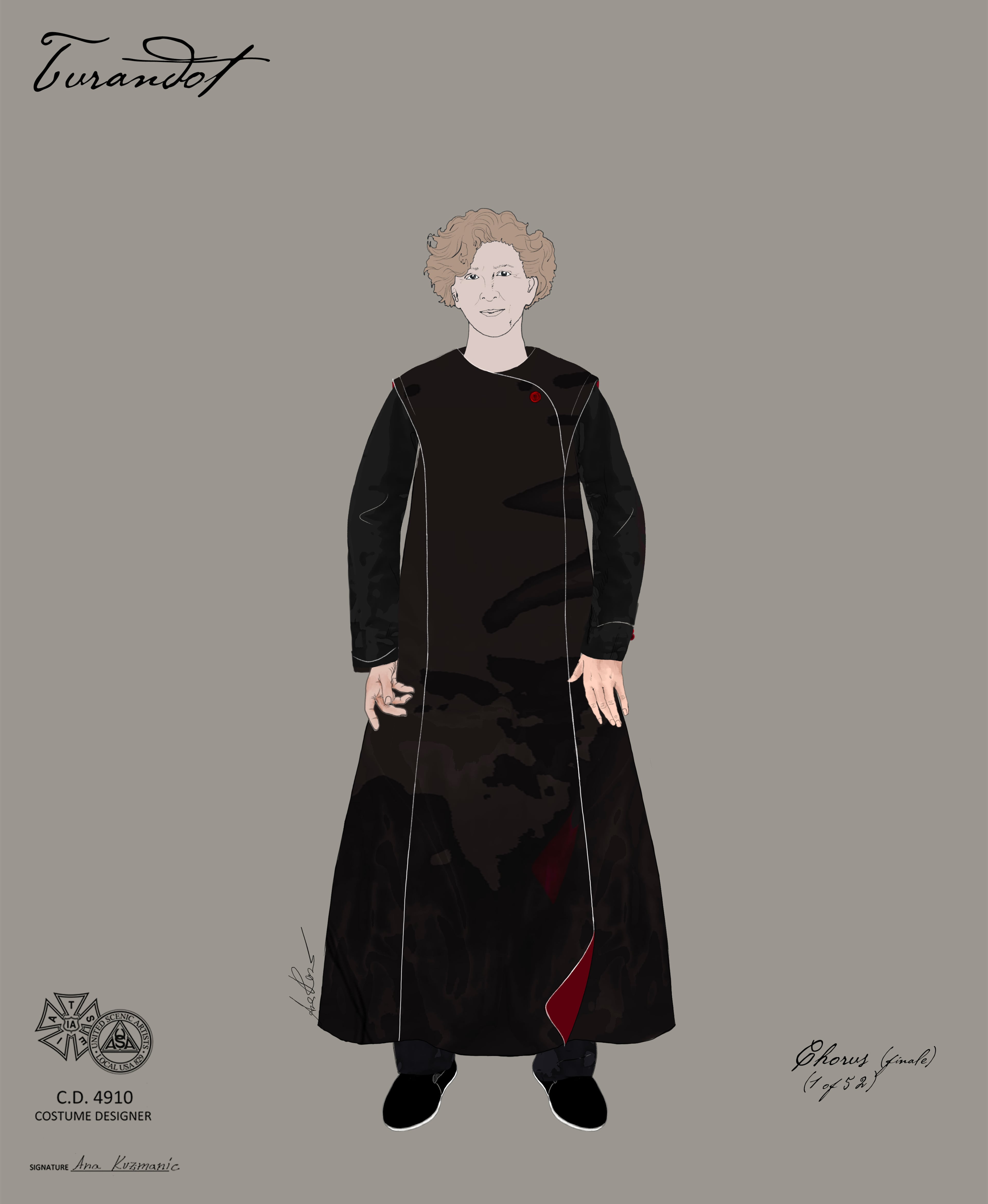
This motif of “power to freedom” will be reflected in the set design and costuming. Turandot is a challenging performance not only because of its unfinished nature, but also because it has elements of Orientalism, a patronizing and stereotyped way the Western world has portrayed the Eastern world, Zvulun said.
As a result, the Atlanta Opera decided not to “double down” on depicting China, but “rather approach the piece as a fairy tale,” Zvulun said. The focus will be on the opera’s power hierarchy and the notion that it’s ruled by “a ruthless leader that has no checks and balances.”
He was inspired by the idea of games such as chess, Rubik’s Cubes and even the Netflix show “Squid Games.”
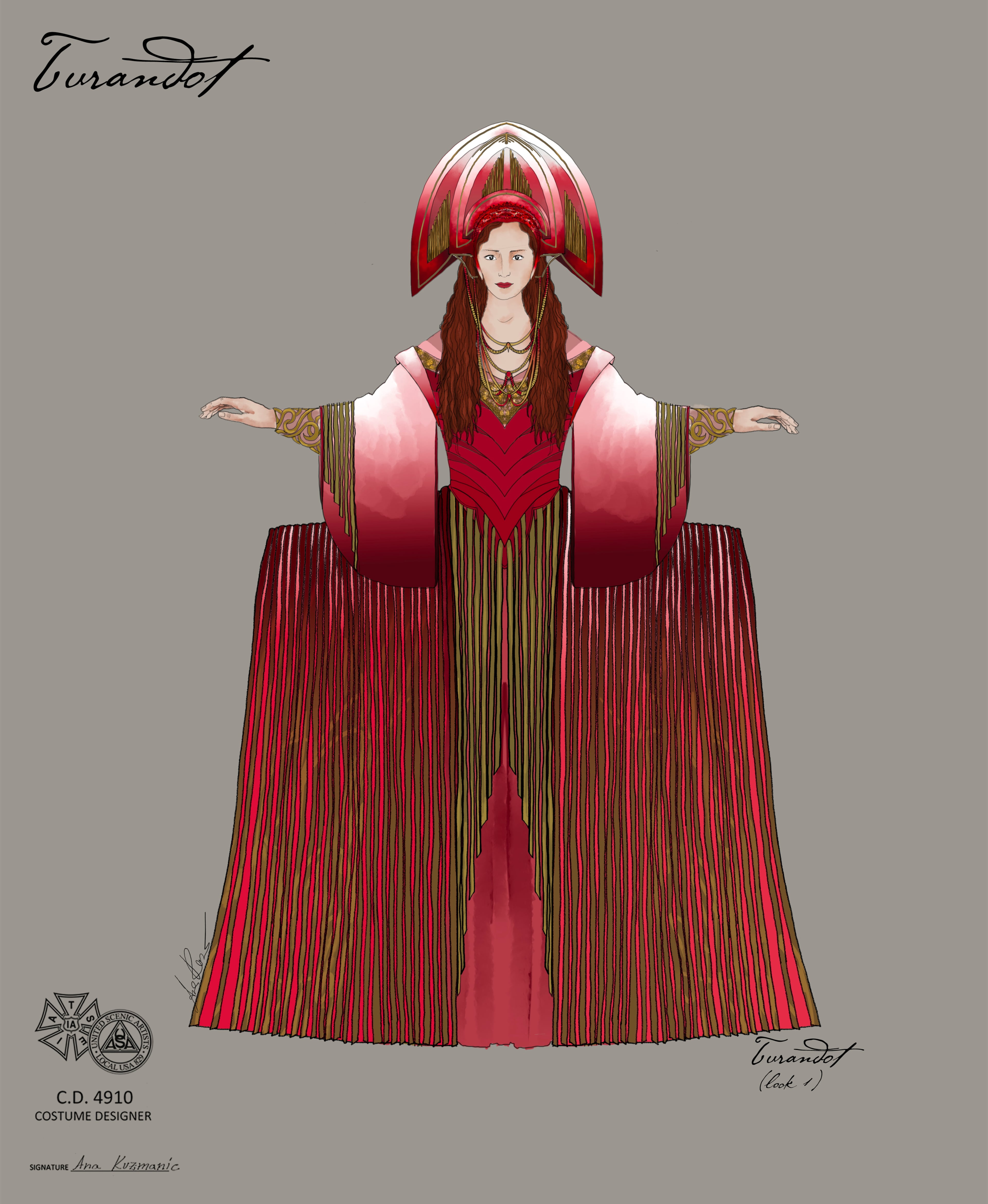
Chess pieces in particular were the inspiration for the set and costume design, along with the Bauhaus and Neoplasticism movements. The designers created a set filled with primary colors, squares and rectangles to envision a world “that has pristine order, seemingly.”
Presenting “Turandot” with its revised ending fits seamlessly into the Atlanta Opera’s vision to “break the boundaries of opera,” and show audiences the connections between opera and other art forms, Zvulun said.
“We don’t know if this is going to be the biggest success in the world and the way the piece is going to be done in the next century or not,” Zvulun said. “But what we do know is that it challenges folks to think and to question whether something that has always been the tradition deserves to always be the tradition.”
If you go
The Atlanta Opera presents “Turandot,” April 25-May 3. Cobb Energy Performing Arts Centre, 2800 Cobb Galleria Parkway, Atlanta. atlantaopera.org/production/turandot-2026.