How your thermostat can affect your health as you age
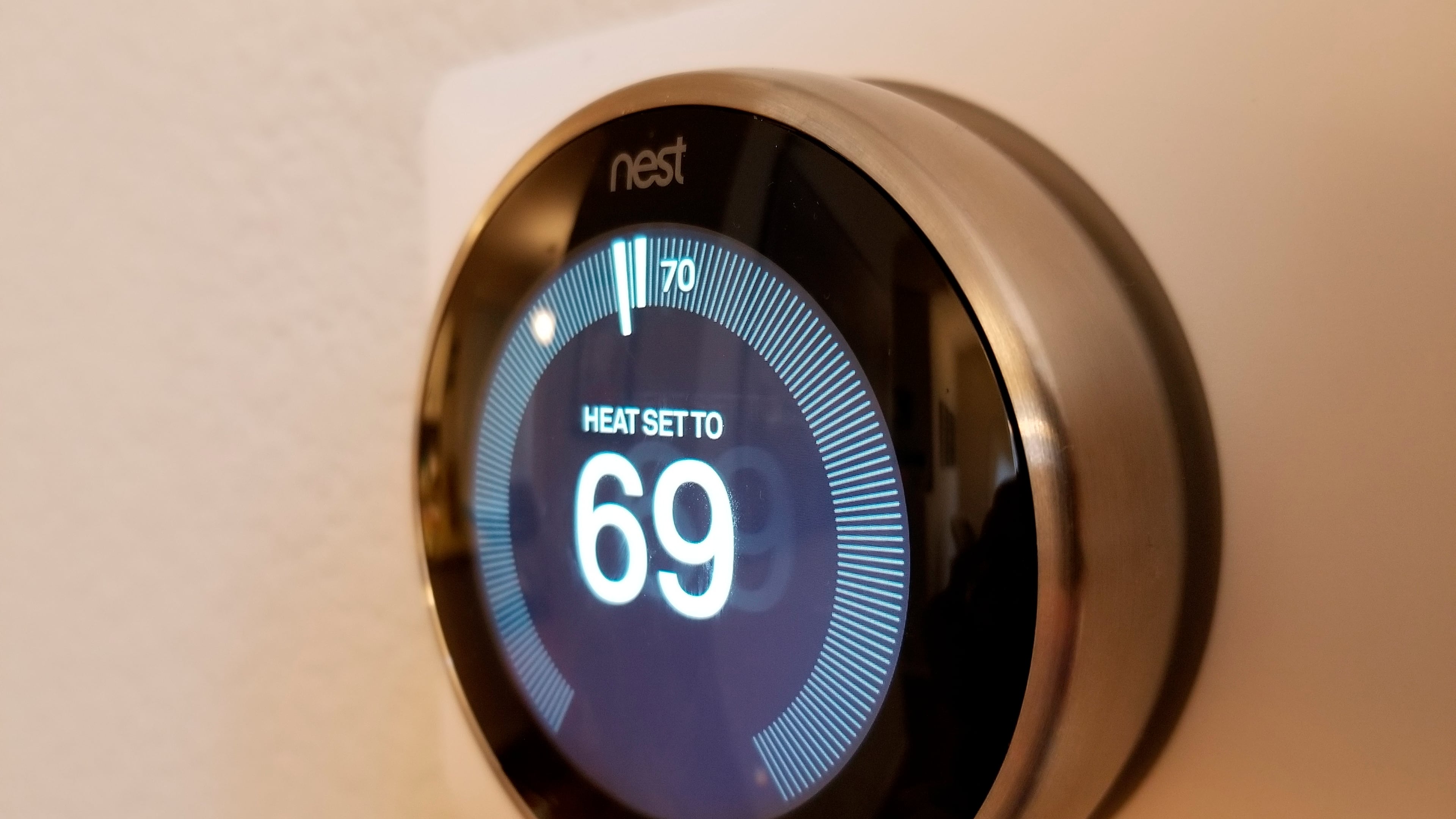
Your thermostat may seem like a small part of your home, but it can play a bigger role in your health as you age.
Older adults are more vulnerable to extreme temperatures because the body becomes less efficient at detecting and responding to changes in heat and cold. That means you may not always notice that your home has become too hot or too cold until your body is already feeling the effects.

Why temperature matters more as you age
Older adults can be more vulnerable to extreme temperatures because the body may not sense or respond to changes in temperature as effectively. The risks range from dehydration and heat-related illnesses to hypothermia and added strain on the cardiovascular system. Here are some of the more common concerns to be aware of:
When it’s cold:
- Hypothermia: Your body loses heat faster than it can produce it, causing your core temperature to drop. Older adults may not realize they’re getting dangerously cold.
- Cardiovascular strain: Cold temperatures can cause blood vessels to constrict, which can raise blood pressure and make the heart work harder. This can increase cardiovascular stress.
When it’s hot:
- Heatstroke: Prolonged exposure to high temperatures can cause the body’s temperature to rise to dangerous levels.
- Heat exhaustion: Excessive heat and humidity can cause the body to lose too much water and salt, leading to symptoms such as heavy sweating, weakness, dizziness and nausea.
- Dehydration: Older adults may be less aware of thirst, making it easier to become dehydrated.
That’s why the temperature inside your home matters. A thermostat can help maintain a consistent indoor temperature and reduce your exposure to potentially dangerous heat or cold, particularly during periods of extreme weather.
How your thermostat can affect sleep
The temperature in your bedroom may affect how well you sleep, especially as you age. Research from the Marcus Institute for Aging suggests that older adults may sleep best when their bedroom temperature is between 68 and 77 degrees.
Researchers found that sleep can be more difficult for older adults and that the sleeping environment may be one factor. Poor sleep can affect everything from mood and cognitive and physical function to how well you handle stress and manage certain health conditions.
The National Institute on Aging also notes that sleep is important for the brain, heart, lungs, mood and immune system. Getting enough quality sleep can help you stay alert, think clearly, make decisions and function better during the day.
That makes your thermostat more than a comfort setting. Adjusting the temperature in your bedroom may be one simple way to create a more comfortable environment for sleep.
Medication and circulation
Some medications can affect how your body responds to heat and cold. For older adults, medications such as antihistamines, beta blockers and diuretics may influence sweating, blood flow, hydration or the body’s ability to regulate temperature.
If you take medications regularly, including over-the-counter medicines, ask your doctor or pharmacist whether any could affect how you respond to extreme temperatures. Don’t stop or change a medication without talking with your healthcare provider.

Age-related changes in circulation can also make your hands and feet feel colder, particularly in cold weather.
“As I have gotten older, I have a harder time staying warm throughout the day, especially during winter months and in the evenings. It is rare that I leave my house without a hat, gloves, scarf, and coat because I am often cold,” said Mary Flynn, 67.
Staying active can help support circulation. Simple movement, such as walking or stretching, can be incorporated throughout the day.
Staying safe in changing temperatures
The National Institute on Aging recommends several steps to help older adults stay warm and regulate body temperature during cold weather:
- Keep moving. Regular movement can help you stay warm and support circulation.
- Stay hydrated. Drink fluids regularly, even when you don’t feel thirsty.
- Limit alcohol. Alcohol can increase heat loss and make it harder for your body to maintain its temperature.
Your thermostat can’t prevent every temperature-related health problem, but it can be one tool for creating a safer home environment. Pay attention to the temperature inside your home, particularly during periods of extreme heat or cold, and talk with your healthcare provider about medications, medical conditions or other factors that may affect how your body responds.