Don’t let a busy life get in the way of these health screenings

Many women often put their families’ health first, leaving their own checkups and screenings on the back burner. Busy schedules, financial concerns and insurance issues can make it harder to keep up with preventive care.
Women are also more likely than men to delay or skip medical care because they are too busy to see a provider, according to a 2022 report from the Centers for Disease Control and Prevention.
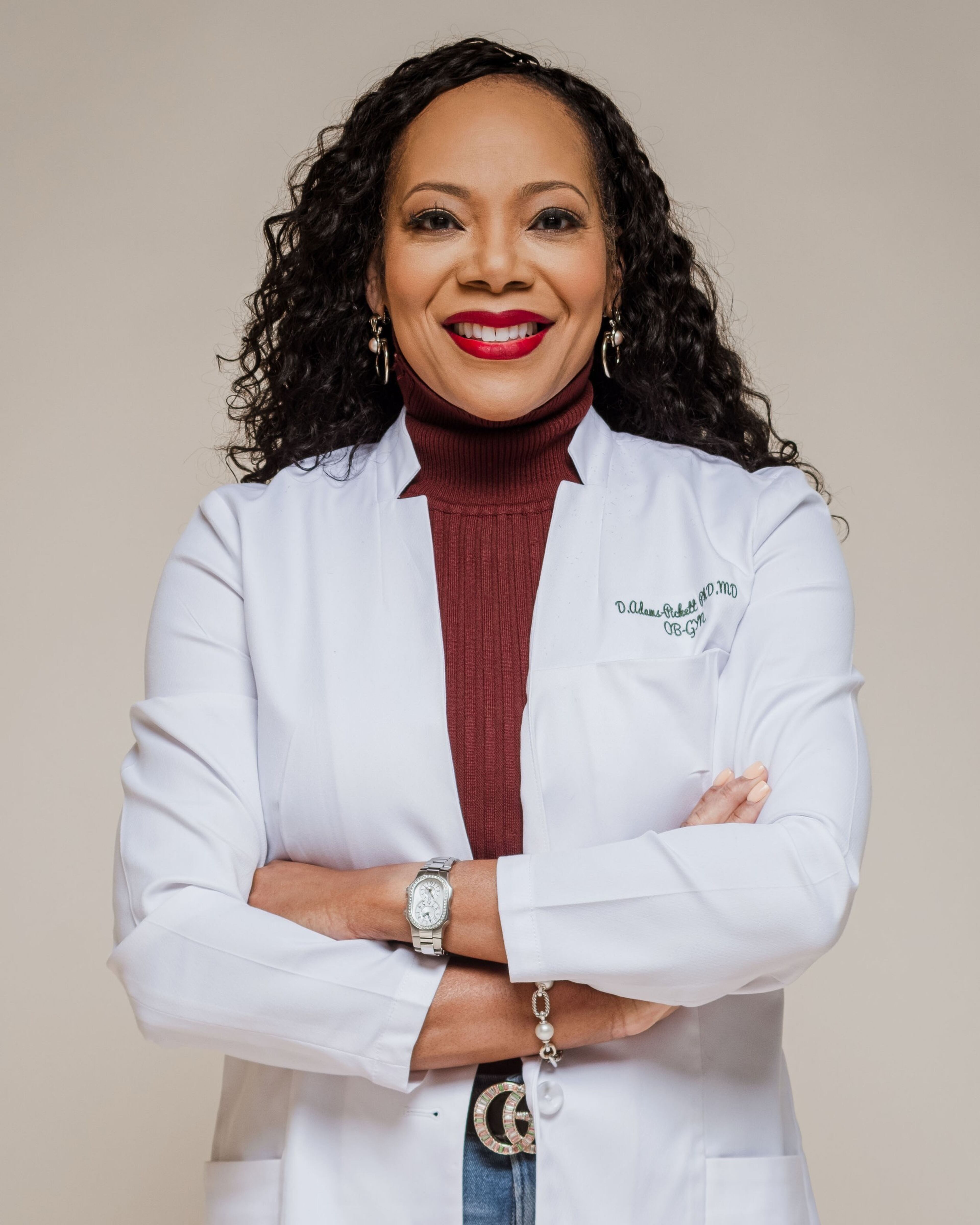
Dr. Donna Adams-Pickett, an Augusta-based OB-GYN with Augusta Women’s Health & Wellness Center, has spent 25 years caring for women. In recent years, she has shifted more of her focus to gynecological care after seeing it become a blind spot.
“The only time women consistently go to the doctor is when they are pregnant or trying to get pregnant,” she said. “After that, engagement with healthcare providers is spotty at best.”
That lack of regular care can have serious consequences. Heart disease and several cancers remain significant health threats for women, including conditions that may be preventable or caught earlier through routine care.
“We have women dying from very preventable causes,” Adams-Pickett said.

Here are the screenings and appointments she says women should discuss with their doctors through their 40s.
Ages 18 to 29
For women in their late teens and 20s, Adams-Pickett emphasizes the importance of staying current on sexual and reproductive healthcare. That includes:
- Screening for sexually transmitted infections
- Pap tests to screen for cervical cancer, beginning at age 21 for most women
Knowing your STI status is important, even if you aren’t sexually active frequently, Adams-Pickett explained. She encourages women to think about STI testing as a routine part of preventive care.
“They should look at an STD screening in the same way they would get their blood pressure checked. They need to know their status,” she said.

Adams-Pickett cautions women not to confuse the recommended interval for Pap tests with the need for regular gynecological care. Pap tests screen for cervical cancer, but routine visits also give women a chance to discuss symptoms, reproductive goals and other health concerns.
Depending on their medical history and individual needs, a gynecologist may also recommend a pelvic exam or clinical breast exam.
Ages 30 to 39
In addition to routine gynecological care, Adams-Pickett recommends that women in their 30s discuss fertility and breast health with their doctors, that may include:
- Fertility screenings and evaluations
- Clinical breast exams, as appropriate
For women who hope to have children, their 30s can be an important time to discuss reproductive goals and potential fertility concerns with a gynecologist.
“We’re increasingly finding a population of women over the age of 35 who are only now starting to think about it, and that’s exactly when it becomes a bit more problematic to become pregnant,” she said.
Discussing fertility before trying to conceive can help women better understand their options and plan for the future.

Breast health is another consideration. Although routine mammograms may not begin until later, Adams-Pickett encourages women in their 30s to discuss their individual risk and any breast changes with a provider.
“In the last 14 years, we’ve seen a steady increase in diagnosis of breast cancer in women under 40,” she said.
Women can also begin experiencing perimenopause symptoms in their 30s, sometimes as early as their mid-30s, Adams-Pickett said.
Ages 40 to 49
As women enter their 40s, preventive care takes on added importance, particularly when it comes to breast health, heart disease and changes associated with menopause. Adams-Pickett recommends discussing the following screenings and health checks with a medical provider:
- Mammograms, with additional imaging when appropriate
- Cholesterol screenings and cardiovascular risk assessments
- Bone density, heart disease and baseline lipid screenings
- Colorectal cancer screening
- Perimenopause and menopause symptom treatment options
Breast cancer screening becomes especially important during this decade. However, dense breast tissue can make abnormalities harder to detect on a mammogram. Depending on a woman’s breast density and overall risk, Adams-Pickett said additional imaging, such as an ultrasound, may be helpful. She also encourages women to understand their individual breast cancer risk. The Tyrer-Cuzick model, for example, estimates risk based on factors such as family and reproductive history.
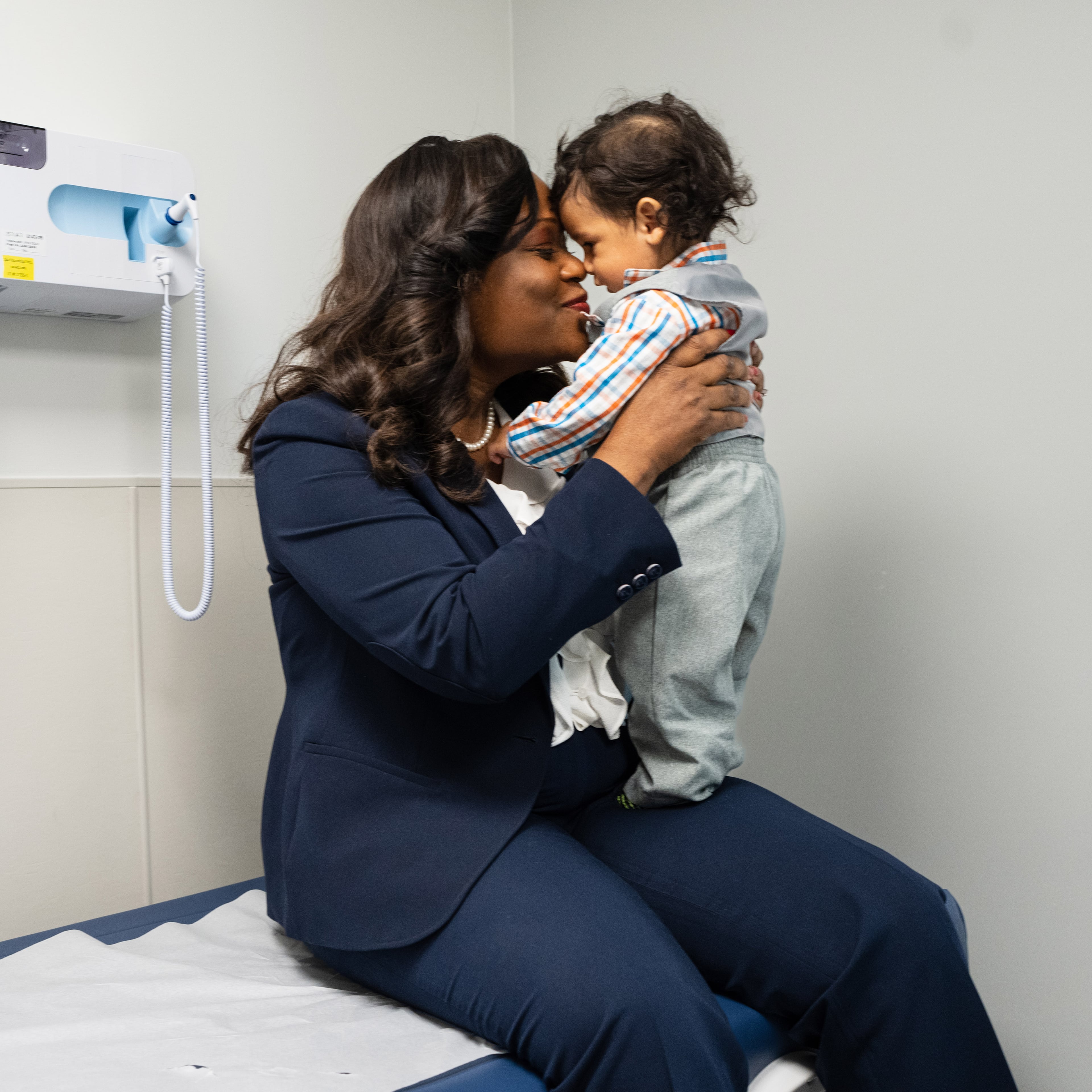
Heart health is another priority. Heart disease is the leading cause of death among women, but its symptoms can sometimes go unrecognized, Adams-Pickett said.
“We present (heart disease) so differently from men, and a lot of us might not recognize when we’re having symptoms,” she said.
She encourages women to discuss their cardiovascular risk with a doctor and consider a baseline lipid panel to check cholesterol levels and other fats in the blood.
“When we go into menopause, our body’s ability to metabolize those lipids is impacted significantly,” she said.
A coronary artery calcium score may provide another piece of the picture. The specialized CT scan can identify calcium buildup in the arteries and help assess heart disease risk. Adams-Pickett said doctors may recommend the test for certain patients, though it isn’t necessary for everyone.
As women approach 50, bone health also deserves attention. Adams-Pickett recommends discussing bone density testing to check for osteoporosis, as well as vitamin D levels, depending on individual risk.
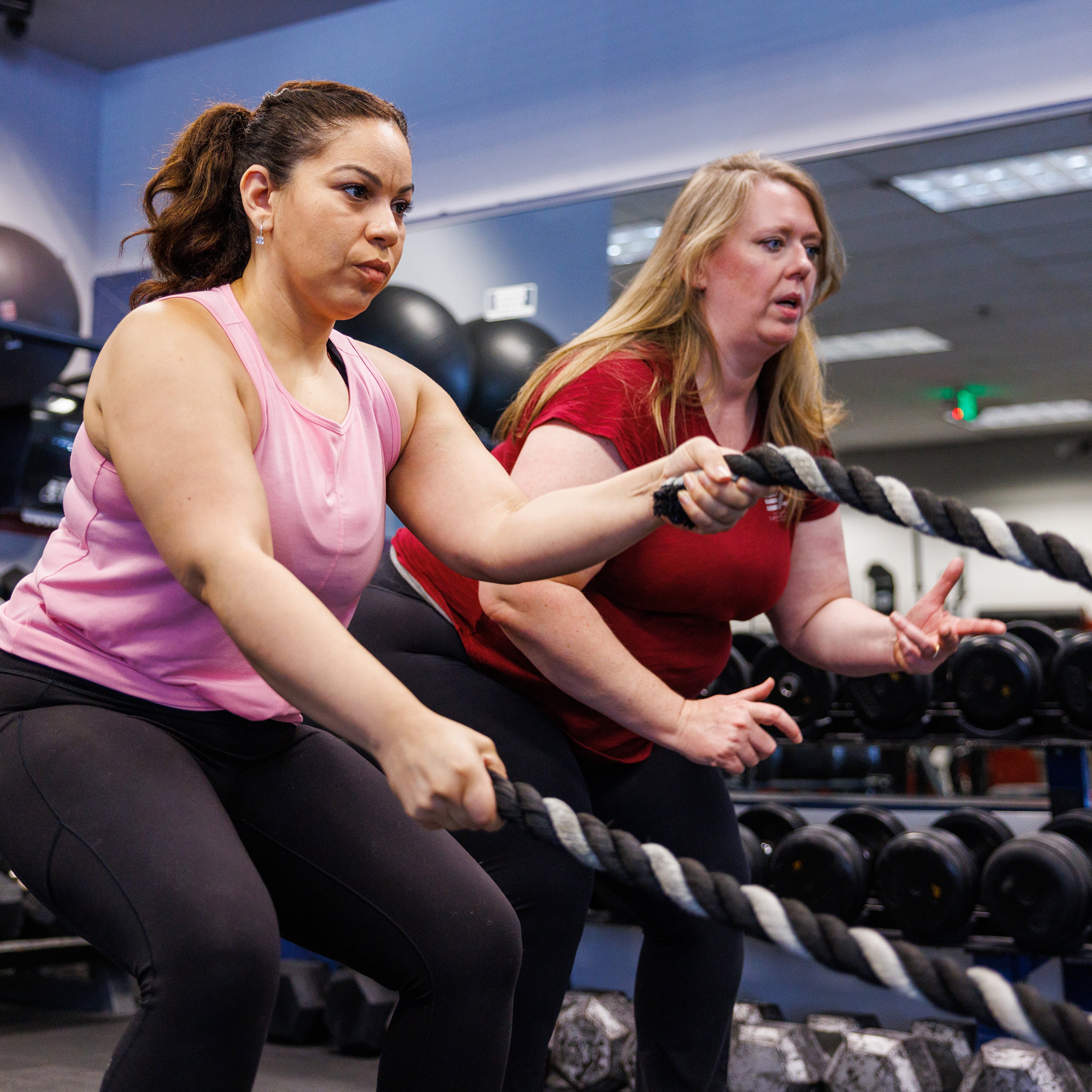
The hormonal changes that can affect bone health are also associated with perimenopause and menopause. Women should continue discussing symptoms with their gynecologists, especially if changes in sleep, mood or energy begin affecting daily life. Adams-Pickett said women shouldn’t assume they simply have to live with these symptoms.
Another screening milestone comes at age 45, when most adults should begin colorectal cancer screening. A colonoscopy is one option, though other screening tests are available.
Knowing your family’s medical history can also help doctors assess your risk. Adams-Pickett encourages women to use family gatherings as an opportunity to discuss health history.
“It makes a huge difference in terms of evaluating risk,” she said. “It really places us at a disadvantage if we don’t know what diseases are more prominent in our families. We should normalize having conversations about health histories with our families.”