After 40, many women find fitness feels different. Here’s why.
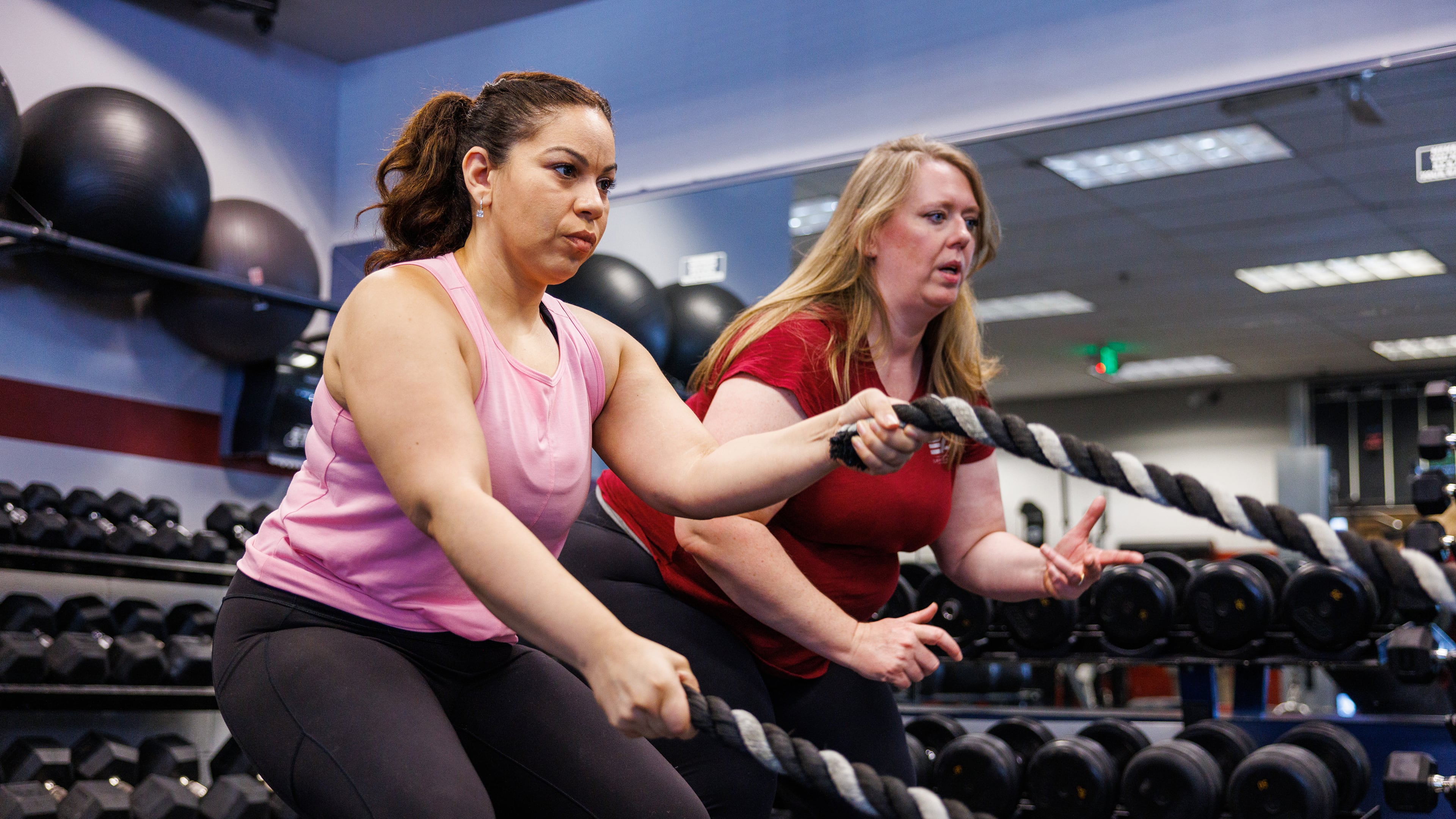
When Cher Small moved from Miami to Atlanta after a decade in the Air Force, she saw it as a chance for a fresh start. But within two years, the 40-year-old noticed another kind of change: Her body no longer responded the way it once had.
The fitness content she once shared regularly on social media slowed down. The workouts continued, but the number on the scale kept climbing.
“I moved here and I gained 60 pounds,” Small told The Atlanta Journal-Constitution. “I didn’t realize that until I was almost 200 pounds.”
Small’s experience reflects a challenge many women face in their 40s. Even with consistent exercise, changes in hormones, metabolism and muscle mass can make weight management and fitness feel different than it did in earlier decades.
Dr. Courtney Whittle, a board-certified pediatrician and obesity medicine physician who founded Atlanta-based Weight A Minute Clinic, sees this confusion play out with patients constantly.
“One of the biggest mistakes we make is expecting our 45-year-old body to respond the same way our 25-year-old body did,” Whittle said.
The reasons are layered, she explained. Hormonal changes during perimenopause can affect how the body stores fat, while declining muscle mass can make it harder to maintain strength and metabolism without regular resistance training.
Sleep can also deteriorate, disrupting hormones that help regulate hunger. A study from the Centers for Disease Control and Prevention’s National Center for Health Statistics shows perimenopausal women are more likely than women in any other stage of the transition to average less than seven hours of sleep a night.
“When we consistently get poor sleep, our hunger hormones can change,” Whittle said. “Ghrelin, the hormone that signals hunger, tends to increase, while leptin, the hormone that helps us feel full, decreases.”
According to the Mayo Clinic, weight gain often begins a few years before menopause during perimenopause — the transitional phase when hormone levels fluctuate as the body moves toward menopause. During this time, women may gain weight at a rate of about a pound and a half a year through their 50s.
As estrogen declines, fat storage tends to shift from the hips and thighs to the abdomen. But hormones are only part of the story; aging, lifestyle and genetics also play a role.
“What many women don’t realize is that the fat accumulating around the midsection is often different from the fat they carried in their younger years,” Whittle said.
The expert said the abdominal weight gain so many women notice in their 40s isn’t simply about willpower or vanity; it’s also a metabolic shift with real health stakes. As insulin sensitivity changes during perimenopause, the body has a harder time processing glucose efficiently, making it easier to store fat around the midsection. Combine that with elevated cortisol from stress and poor sleep, and the result is often an increase in visceral fat, which is the fat surrounding internal organs.
So what actually helps? For many women entering midlife, the answer isn’t pushing harder, but training smarter.

Keeli Brown, an Atlanta personal trainer who has spent the past seven years focused on postpartum and midlife fitness, said many women make the mistake of trying to re-create the routines that once worked for them — and that usually backfires.
“Things they could get away with in their 20s do not do the trick anymore,” Brown said. “Those intense HIIT workouts often lead to injury, keeping them out of the gym for weeks, even months at a time. Starving themselves with crazy diets have huge consequences, and they end up back at square one, or worse.”
Instead, Brown encourages women in perimenopause to prioritize strength training.
“Strength training is the fountain of youth,” she said. “It keeps everything moving. Builds strength, improves confidence, supports joint health and lowers your risk of osteoporosis.”
Brown also pushed back on a misconception she still hears often: that lifting weights will make women look bulky.
“Muscles on a woman are always sexy,” Brown said. “There’s a misconception that lifting weights will make you look like a man. Not sure where this came from, but it needs to go away. Lifting weights determine your shape, and nutrition determines your size.”

Whittle agreed strength training becomes more important with age, not less. As estrogen levels decline during perimenopause and menopause, women experience an acceleration of muscle loss, a process that can begin as early as their 30s.
“It’s about being able to carry groceries, travel, lift your grandchildren, get up off the floor and continue doing the things you enjoy as you age,” she said.
Both Whittle and Brown said the bigger danger is chasing fast results, especially when summer creates pressure to change your body by a certain date. Sustainable fitness, they said, comes from building habits that support strength, health and longevity.
“Your body is not a project that needs to be fixed before a vacation, wedding, reunion or summer,” Whittle said. She encourages patients to ask themselves a simpler question before starting any plan: “Could I realistically still be doing this a year from now?” If the answer is no, she said, it’s probably not the right plan.
But the changes women experience in their 40s aren’t limited to the mirror or the scale. The emotional impact of this transition can be significant, Meredith Sjoberg, a licensed psychologist certified in perimenopause, said.
“It’s not all in your head. It’s real emotional, psychological and physical changes,” Sjoberg told the AJC. She suggests women in this stage build tools for emotional regulation, become stronger advocates in their healthcare and take time to consider what they want their next chapter to look like.
“We’re not young and we’re not old, and we know we’re not done yet,” she said. “I want women to feel excited about this next chapter.”