Warmer days, safer workouts: Experts urge a slow return to fitness
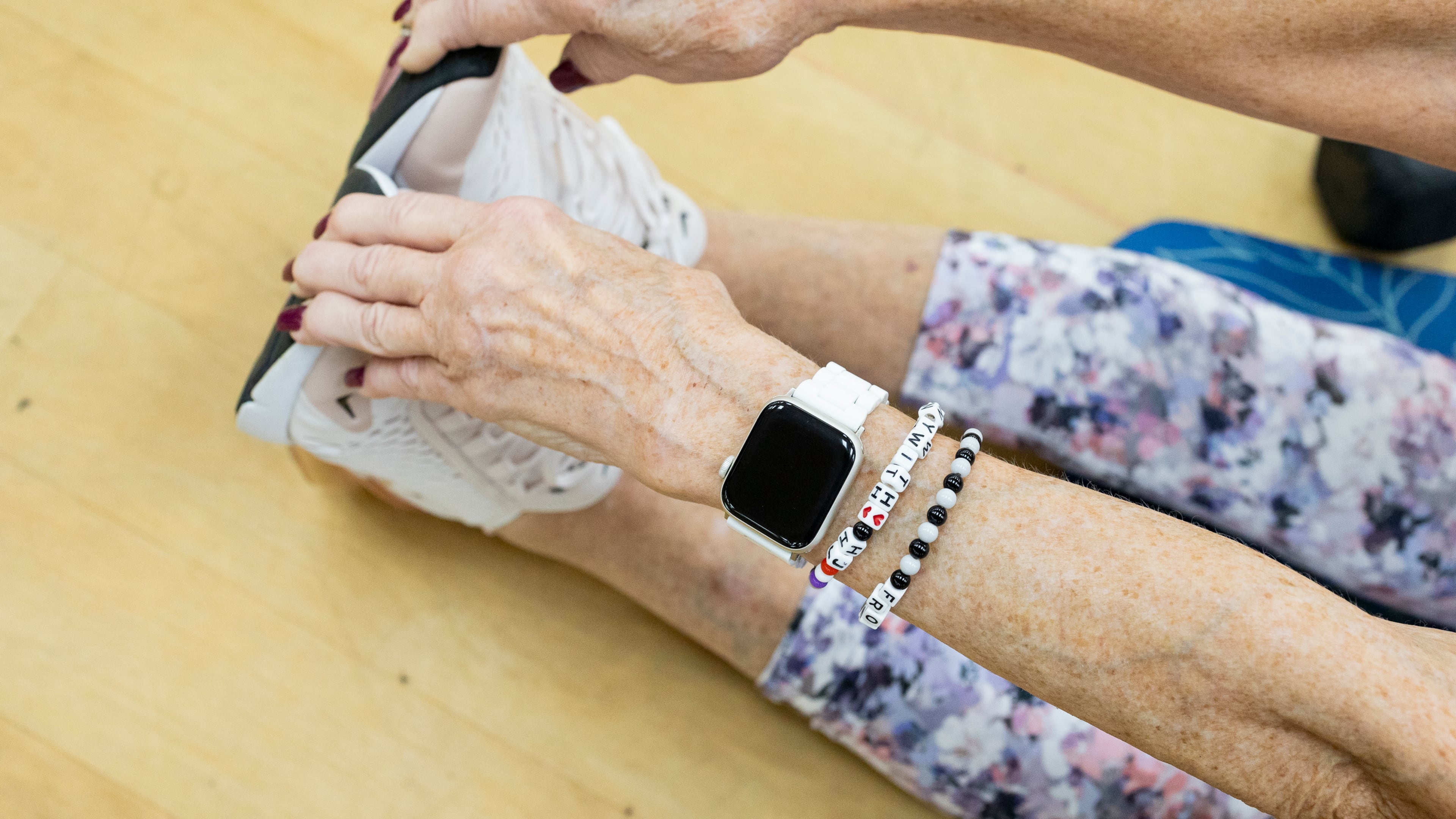
With longer days and warmer temperatures in metro Atlanta, more people are returning to outdoor exercise. But experts warn that picking up where they left off can strain joints and lead to injury, especially older adults.
“The best thing seniors can do in the spring is treat the first two weeks like a rehearsal, not a performance,” said Dr. Trevor Turner, a Buckhead physician specializing in nonsurgical and minimally invasive joint and spine care. “Your heart and lungs may be ready before your knees and spine are.”
Winter slowdowns — driven by cold weather, illness and shorter daylight — often lead to “deconditioning,” a loss of strength, flexibility and balance that can develop within weeks.
“Over time, especially during the winter, we see muscles and joints stiffen due to inactivity,” said Dr. Joel Caschette, a former emergency room physician and chief medical officer for United Healthcare’s Medicare Advantage plans. “That’s compounded by declines in balance, coordination and endurance.”
The effects often emerge in spring, when physicians see increases in muscle strains, joint pain, tendinitis and arthritis flare-ups tied to a rapid return to activity — particularly in the knees, shoulders and lower spine.

“A lot of people jump back in a little too fast, and they get springtime injuries very quickly,” Turner, founder of CartiNova and co-founder of Pravida Health in Buckhead, said. “Even if they’re in good cardiovascular shape, tendons and ligaments take much longer to adapt.”
While you may feel ready for longer walks or yard work, connective tissues can lag behind. Age-related changes, including slower healing and reduced balance, can add to the risk.
How to restart safely
Doctors emphasize a simple approach: start low and go slow.
Caschette recommends low-impact activities such as walking, swimming or cycling for 15 to 20 minutes, gradually increasing duration and intensity. A common guideline is the “10% rule,” increasing activity by no more than 10% per week.

“Many people aim for intensity,” Caschette said. “I would say aim for consistency. Even a short daily walk is a great place to start.”
Strength training also plays a key role in supporting joints and maintaining bone density. Turner recommends simple exercises using resistance bands or light weights.
“For knee health, strengthening your quads and glutes is critical,” he said. “For the spine, we often see weak core muscles, so exercises like pelvic tilts can make a big difference.”
Warm-ups and cool-downs can reduce injury risk. Mild soreness is normal, Caschette said, but persistent pain, swelling or instability should prompt a pause and the need for professional advice.
Despite the risks, both physicians say spring is an ideal time to restart activity.
“Even if there’s been some deconditioning, it’s always possible to get started again,” Caschette said. “Small, steady steps are what help people stay active, avoid injuries and maintain quality of life.”
At Gwinnett County’s Bethesda Park, seniors are already returning to group exercise, said program manager Holly Smith.
“It’s something we do see every year,” Smith said. “People start coming back in February and March, and they’re excited to get moving again.”
Staff encourage participants to ease in gradually.
“It’s exciting to see them coming back,” Smith said.