Feeling inspired by the Olympics? Ease into winter sports the smart way.
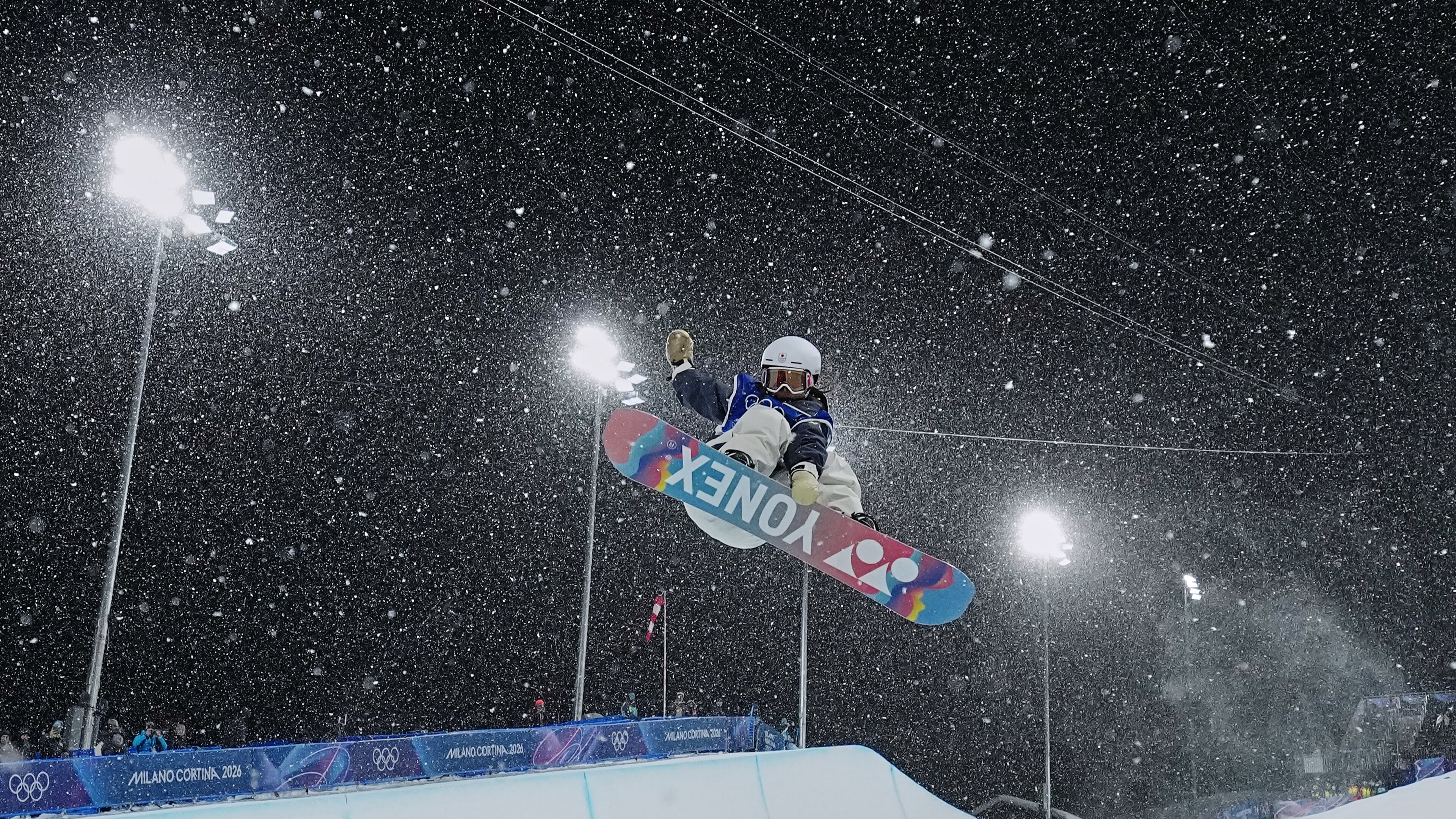
The Winter Olympics are underway, and even if you’re not heading to Milan, it’s hard to not feel the excitement build. With weeks of nonstop coverage, you may find yourself newly inspired — and possibly interested in picking up new hobbies.
“Obviously, we don’t get a ton of snow here, so a lot of the winter sports are just not possible,” Dr. Jonathan Kim told The Atlanta Journal-Constitution. “But it doesn’t mean that there aren’t ways to be active and even engage in some of those sports, at least that are part of the Winter Games.”
Kim, professor of medicine at the Emory School of Medicine and director of the school’s sports cardiology program, also serves as team cardiologist for many of Atlanta’s sports teams. He’s seen firsthand how high intensity workouts and training can affect the body.
If the Olympics have inspired you to try a winter sport — or simply get more active — there are smart steps you can take to do it safely and effectively.
Check in with your heart
Whenever you’re starting a new activity, especially one that is high-intensity, it’s important to check on your overall heart health.
“Exercise definitely decreases one’s risk for the development of heart disease or dying from heart disease,” Kim said. “But transiently and acutely, when one is engaged in a very intensive physical activity, there is actually a slight uptick risk of something more acute from a heart standpoint.”
Kim suggests reviewing all your cardiovascular risk factors, including blood pressure and cholesterol, while also checking in on social habits like alcohol and tobacco use and family history.
“For individuals who have significant risk factors, a referral for a cardiologist or a sports cardiologist can be appropriate in deciding if this individual requires any further assessments or testing before picking up more intensive exercise,” Kim explained.
For anybody, even those without cardiovascular risk factors, it is still important to build up in intensity, Kim says.
“If somebody wants to start running 50 miles a week, you don’t want to go from 0 miles to 100 miles all of a sudden,” Kim told the AJC. “You’re going to slowly build up endurance and pick up that intensity.”
Be mindful of the climate and the altitude
When picking up a new winter activity, there unique factors to consider — especially in the cold. Many people don’t realize that cold weather works as a stressor, much like extreme heat does.
“Focusing on getting acclimated to the weather conditions when you’re training for something is really important.,” Kim said. “Even with extreme cold, it’s definitely a stressor you want to take into consideration.”
Another potential challenge is adjusting to higher altitudes, which can trigger altitude sickness if you ascend too quickly.
“Any kind of activity that you’re doing at a high altitude can lead to that type of sickness,” said Dr. R Amadeus Mason, an Emory sports medicine physician and medical director for USA Track and Field. “If you’re doing something that’s strenuous, or if you go to altitude very quickly, just being at that altitude can precipitate that.”
Minor altitude sickness most commonly causes headache, fatigue and changes in appetite. People often describe feeling lightheaded or hungover.
More serious altitude sickness shows up as shortness of breath even with minimal exertion, along with swelling in the hands and face. If you or someone you’re with begins to experience those symptoms, you should stop the activity immediately.
“If they are skiing, they should get off the slope. If you’re going for a hike, you should start descending and get back to base camp,” Mason explained. “It’s the exertion that is driving the symptoms, so the sooner you can stop that exertion, the better.”
The best way to prevent altitude sickness is to give your self time to acclimate to the altitude before you exert yourself, which typically takes two to three days. Another way is to increase your cardiovascular fitness.
“If you are doing things where you are cardiovascularly fit, you tend to tolerate the change in altitude or that decrease in oxygenation in the air a little bit better,” explained Mason.


