Metro Atlanta survived the storm. Now what?
You probably spent the past week monitoring forecasts and preparing your home for the storm that swept through Georgia this weekend.
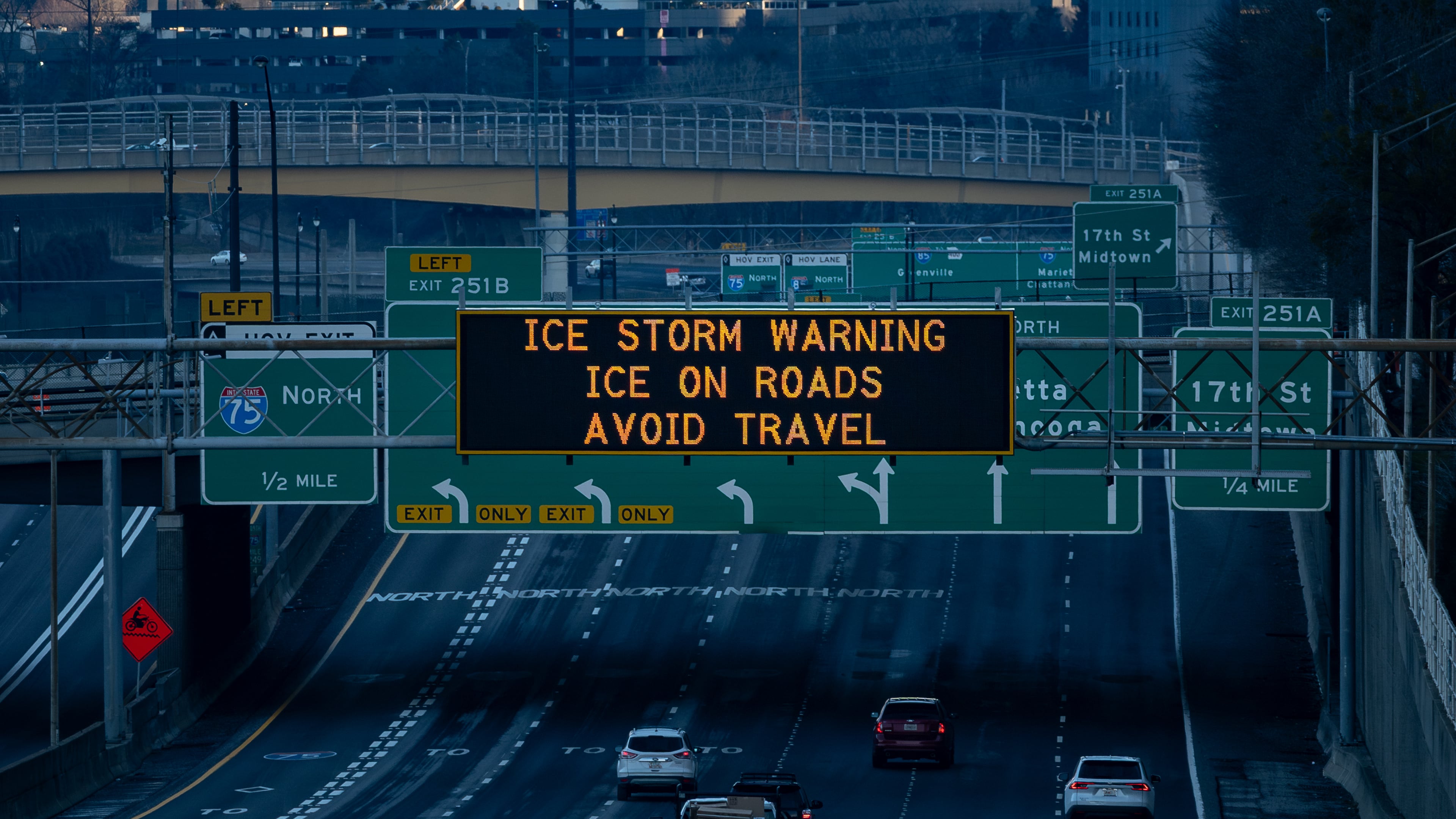
The storm, a wintry mix of cold rain, sleet and ice, led to road closures, downed poles and trees, and for many, over 24 hours of waiting it out.
Now that the storm has passed, it’s time to assess the damage and make sure it doesn’t disrupt the coming week.
Make sure your food is safe
If you lost power during the storm, now is a good time to check your refrigerator and freezer. Even brief thawing of perishable foods can lead to spoilage.
Inspect items carefully for changes in color and odor. When in doubt, throw it out — it’s always better to be safe than sorry.
Throughout the week, continue to keep an eye on your fridge and freezer, and discard anything that seems off to avoid further complications.
Check your portable heating devices
Space heaters are a great way to keep your home warm during storms like this weekend’s. While many people know that they can pose a fire risk, fewer are aware that they can also cause carbon monoxide poisoning.
According to the U.S. Department of Energy, if your space heater or other portable heating device are “improperly vented, unvented, blocked, separated, rusted, or corroded,” they can emit toxic levels of carbon monoxide.
Whether you’ve used space heaters this weekend or plan to in the days ahead, ensure your carbon monoxide detector is working and up to date to keep your family safe.
Trust your gut. Carbon monoxide has no smell, so if you, your family, or your pets start to show symptoms like headache, nausea and vomiting, confusion or shortness of breath, evacuate your home immediately.
Assess damage
With sleet, ice and some snow piling up on streets, trees and poles also came down in some areas. As you go back into your community, exercise caution around any damage.
Just because an object looks stable, doesn’t mean it’s safe. Don’t try to move large items or structures without help or unless you are a professional.
If your home sustained damage, prioritize your safety over property. If you are unsure how to safely remove or repair anything, call a professional — even if it feels like overkill.
Don’t forget to inspect your pipes. They could have frozen, causing leaks or breaks. Keep an eye out in the coming days and weeks for signs like reduced water pressure, odd noises, or water stains on your walls and ceilings.
If you notice any damage, take photos and video, and keep record of any repairs or temporary fixes. Contact your insurance provider as soon as possible.
Watch out for ice
Soon you’ll be back on the roads, headed to work, school and your usual routines. But because of the below-freezing temperatures, there may still be patches of ice lurking.
Walk carefully on sidewalks and in parking lots, watching for slippery spots. Even a small patch of ice can cause serious falls, so take caution everywhere you go.
On the roads, be on the lookout for black ice and pull over if you feel unsafe. If you do encounter any ice while driving, remain calm, gently take your foot off the gas, do not brake, and keep the steering wheel straight.