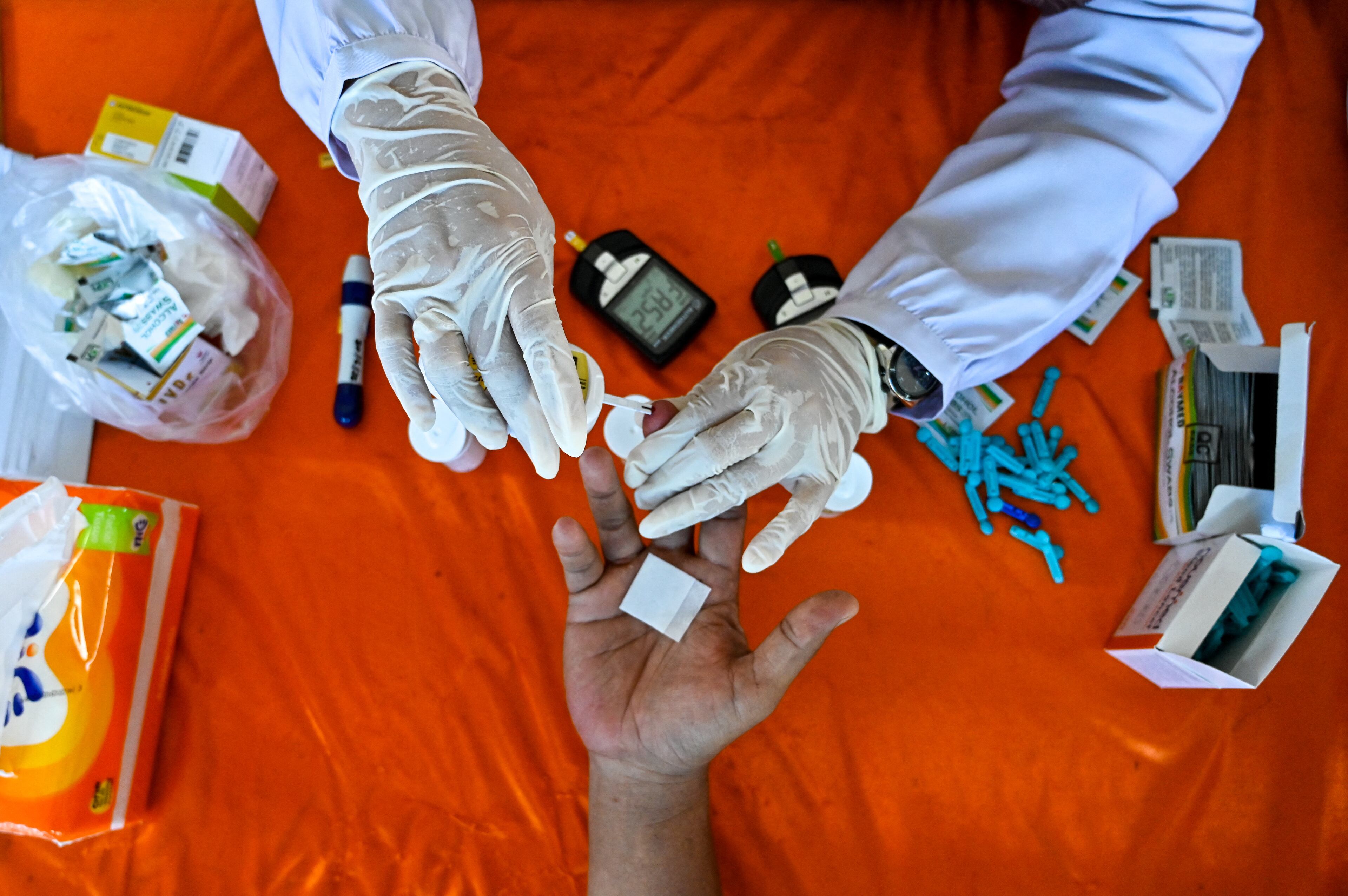
Georgia teen builds app to simplify diabetes care for young patients

Drew Mendelow was 13 when he learned he had Type 1 diabetes and almost immediately began thinking of a way to better manage the condition. At first, he relied on calculators or a handwritten map, using Excel spreadsheets to track the calculations of insulin doses.
“Right when you’re diagnosed, they throw all these math calculations at you,” he said. “There’s all this new terminology you’ve never heard of before and then, when you go home, you’re managing this whole thing by yourself pretty much.”
Feeling overwhelmed, Mendelow searched for a mobile app that could help. But when he couldn’t find one, he decided to build his own, called T1D1 — or Type 1 diabetes from Day 1.

Within six months of its release in 2020, T1D1 had 45,000 users in 74 countries. Now an 18-year-old Georgia Tech freshman, Mendelow is learning to navigate the nonprofit startup operations from his popular app.
‘I’ll just make my own app’
During the pandemic in 2020, a blood test that revealed extremely high blood sugar sent Mendelow to Children’s National Hospital in Washington, close to where he was living at the time. The diagnosis that followed required him to calculate and keep track of complex formulas for determining the amount of insulin he needed throughout the day.
Type 1 diabetes prevents the body from producing insulin, the hormone that helps regulate how the body converts sugars and carbohydrates into energy. Without the proper amount of insulin, people face severe and life-threatening complications, such as heart, kidney and eye disease.
“You have to give yourself five shots a day and constantly manage your blood glucose (sugar) numbers. It really is just a lot from the beginning,” he shared.
But Mendelow was determined to create a simple, accessible way to take control of his diabetes.
“I jokingly told the doctor in the hospital, I’ll just make my own app and then, when I went home, the next day I actually started working on it and I realized I could actually do this.”

Mendelow said existing diabetes-management apps capable of calculating and tracking multiple, varied insulin doses needed each day weren’t simple or free. They required a prescription, charged user fees, or were part of an expensive tech product.
“It obviously doesn’t feel great to have a disease and then also have someone profiting off of you,” he said.
Mendelow, who started learning basic computer science in middle school, said he taught himself how to code by watching YouTube videos and taking a few online classes. Through experimentation and consultations with his doctor, he launched the free app, designed specifically to help children with Type 1 diabetes who require multiple daily insulin injections.
Despite the app’s early success, Apple removed it from the App Store just six months after its launch, informing Mendelow that he would need U.S. Food and Drug Administration approval because the app posed potential health care risks.
In August, before Mendelow started his first semester as a computer science major at Georgia Tech, T1D1 received FDA approval and has since gained nearly 2,000 new downloads.

“He’s the phenotype of an excellent entrepreneur,” said Harold Solomon, a principal of Quadrant-i, which helps doctorate students at the tech school turn research into business startups.
Solomon said it’s unusual for teens — even those with strong tech backgrounds — to receive FDA approval for an app before they enter college.
“He figured this out on his own before he got here. That expertise generally doesn’t exist in most high schools, so he’s very resourceful,” Solomon said.
The result of that early expertise is an app designed for everyday use.
After downloading T1D1, users can enter customized settings provided by their doctor, including their target blood sugar range. The app then uses that information to calculate the appropriate insulin dose for every meal, Mendelow said. When users eat, they enter in the amount of carbs in the meal and their current blood sugar level to get their calculated insulin dose.
Doctors often modify the formula people with diabetes use to calculate their insulin dose, which factors in their blood sugar and the carbs they plan to eat, explained Dr. Michael Hughes, an endocrinologist and assistant professor at the Emory University School of Medicine.
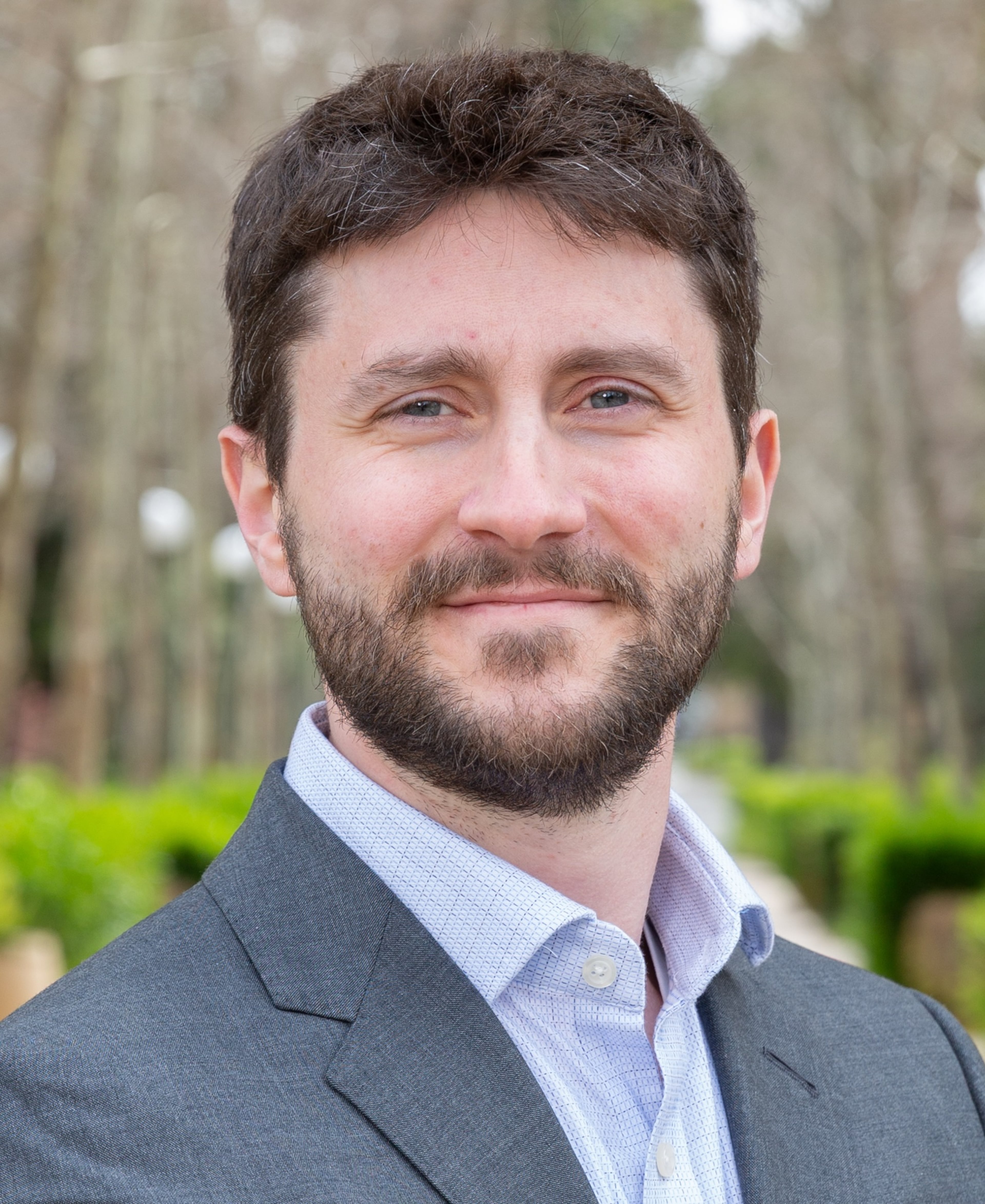
In terms of the app’s value, Hughes said it simplifies the process for people with diabetes calculating insulin doses every day.
“I think that this will continue to be an important tool to help people on multiple daily injections and I would anticipate that I will continue to tell patients to use this to that end.”
Path to market
When Apple pulled the app, Mendelow and his parents quickly realized they needed help completing the required FDA documentation. Over the next few years, Mendelow networked until he discovered an innovation competition sponsored by Diabetes Center Berne, a private Swiss foundation.
The winner of the contest for creators of technology to improve Type 1 diabetes receives $100,000, support to kick-start their business, and access to a network of industry experts, mentors and other innovators.
Although T1D1 didn’t win, the app was in the top 20, and as the youngest contestant, Mendelow attracted the attention of the center’s leadership.
“The CEO was super inspired by my story. He saw the huge need for this app, and he offered to fully fund the whole FDA process,” Mendelow said. “That’s how we got connected to Comerge, the software development company out in Switzerland.”
Mendelow said he worked over the next two years with the Comerge’s team to rebuild the app from scratch with professional security measures and a few new features.
Demonstrating the app was safe and user-friendly required a human-factors study or clinical trial. With limited funding, he turned to crowdfunding and raised about $31,500. He also contacted Dexcom, the maker of widely used Continuous Glucose Monitoring devices that track sugar levels over time. The company offered to run the human factors study without charge, Mendelow said.
With the app back online now, Mendelow continues his studies at Georgia Tech with plans to expand his nonprofit and seek approval to bring the app to other countries. He’s also working with hospitals around the country to encourage them to recommend the app to their patients.
Mendelow is also looking forward to developing apps with other Georgia Tech students and a spring internship with Abbott, a medical device and health care company that also develops diabetes products.
“It’s been really cool at Georgia Tech to see other students have the same mindset as me and can be real innovators, and that I can work alongside them to create some other new technologies.”
Roni Robbins has been a journalist for nearly four decades. This is her second stint as a freelance reporter for the AJC. She also freelances for Medscape, where she was an editor. Her writing has appeared in WebMD, HuffPost, Forbes, the New York Daily News, BioPharma Dive, MNN, Adweek, Healthline and others. She’s also the author of the award-winning novel, “Hands of Gold: One Man’s Quest to Find the Silver Lining in Misfortune.”