As FBI rekindles 2020 fight, Raffensperger urges Georgians to look forward

Secretary of State Brad Raffensperger is responding to the Justice Department’s raid of a Fulton County elections site with a familiar refrain: The 2020 election is over and Georgians deserve better than a “rerun” of the same election fight.
Except now Raffensperger isn’t just a beleaguered Republican official under fire from President Donald Trump and his allies. He’s a leading GOP contender for governor who has to peel off a significant number of Trump supporters to win his party’s nomination.
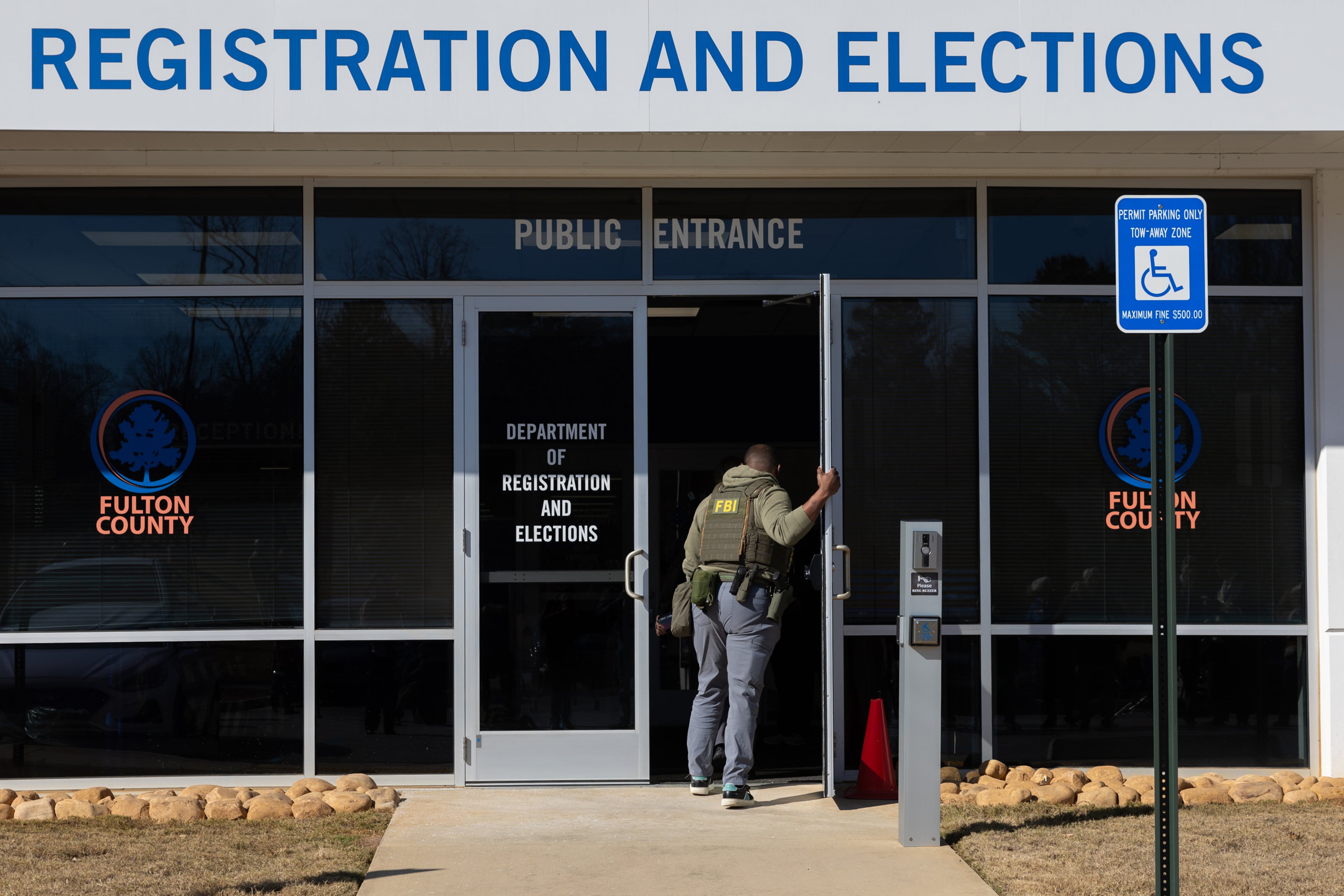
Raffensperger outlined his response to the raid to the Atlanta Journal-Constitution for the first time Monday, days after federal agents scoured a massive Union City warehouse and removed 656 boxes filled with 2020 ballots and other election records.
He repeated his confidence in the outcome of the vote and urged lawmakers to focus on measures he said would strengthen election security and transparency “instead of falling prey to recycled accusations.”
In a plan labeled “Groundhog Day Returns,” Raffensperger is effectively doing what he has for the last six years: urging Georgians to look ahead instead of rehashing the bruising fight over the 2020 election.
“The path forward is through national reform, not repetition of old arguments that don’t add up,” said Raffensperger. “I urge lawmakers to focus on strengthening state administration of elections rather than rehashing the same outdated claims or worse — moving to federalize a core function of state government.”
FBI raids Fulton election office
Search warrants showed agents were seeking ballots from the 2020 election that Donald Trump has claimed was filled with fraud. Past recounts and court challenges have not backed up those assertions. Read more
2026 Midterms: Georgia activists working with Trump administration to influence elections
Political battle: Former Georgia chief justice appointed to mediate Fulton FBI raid dispute
Court filing: Bipartisan group of former prosecutors denounce FBI seizure
The case: Election skeptics eagerly await criminal charges in Fulton election case
Interview: State Election Board chair dismisses calls for Fulton County takeover
Allegations: Skeptics of 2020 election look for answers
Reaction: FBI affidavit for Fulton’s 2020 records fuels GOP calls for state takeover
Affidavit explained: The AJC breaks down key details in the document used to seize the ballots
The affidavit: Unsealed documents in Fulton County raid show FBI relied on election skeptics
Watch: Police body cam footage shows confusion at FBI raid
Trump: Fulton FBI raid will show 2020 election was stolen
Timeline: How we got here
Opinion: The FBI raid isn’t about the 2020 elections. It’s about 2026 and 2028.
Listen to the AJC’s Breakdown podcast: Fulton County vs. Donald Trump
Special report: Inside the campaign to undermine Georgia’s election
It’s a well-worn message from Raffensperger, who faced withering criticism from Trump and his supporters after refusing the president’s demand to “find” exactly enough votes to overturn his narrow 2020 defeat in Georgia.
That criticism is flaring again after the raid — which Justice Department officials described as a pending criminal investigation — refocused MAGA world’s attention on Georgia’s vote.
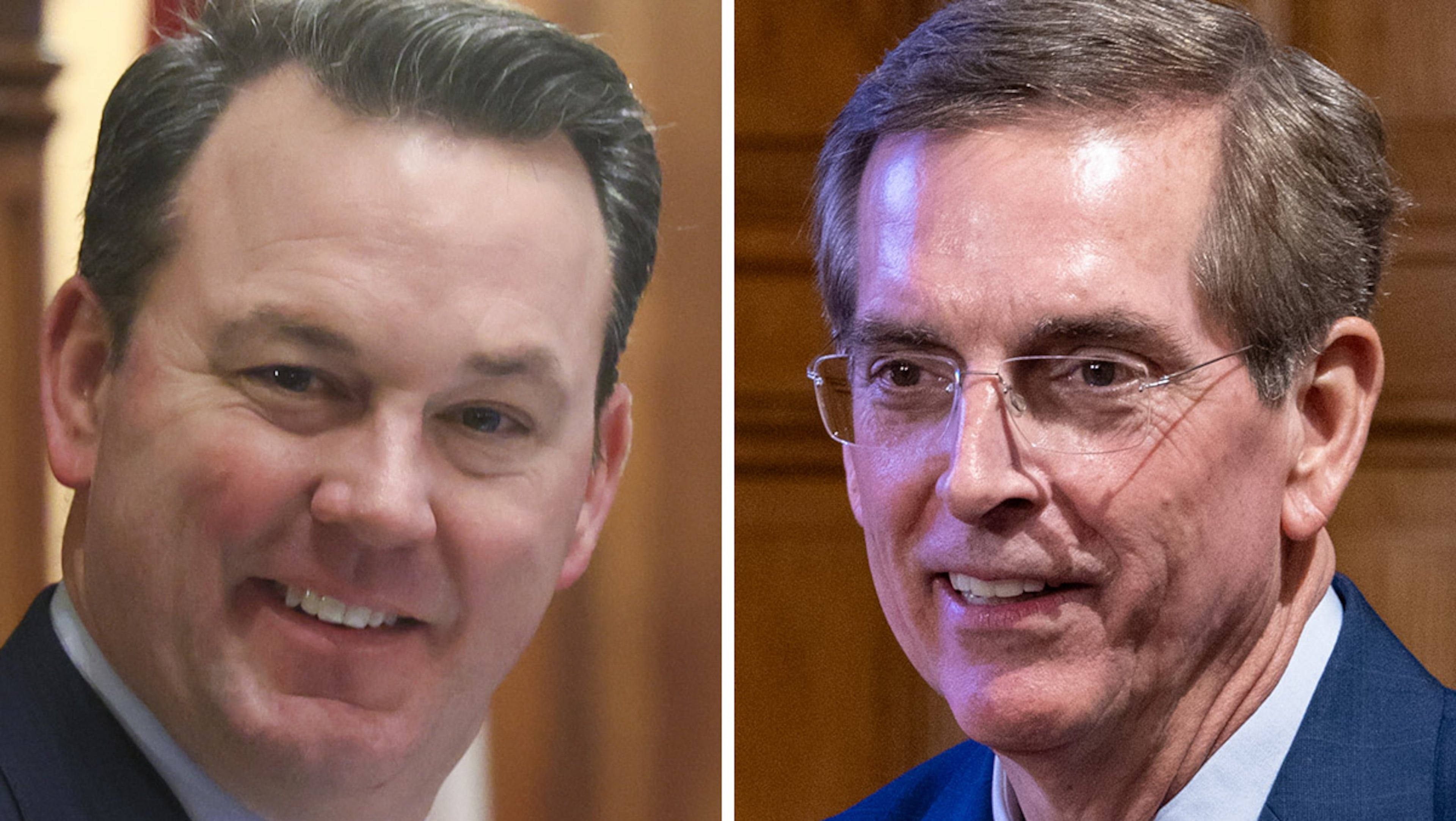
Lt. Gov. Burt Jones — the Trump-backed GOP front-runner in the race for governor — calls Raffensperger a “disgrace” and the “Left’s favorite Republican.” And he reminds voters he pushed for a special session to invalidate the results of the 2020 election and served as a Trump elector after Democrat Joe Biden was certified as the victor.
There has been no evidence of widespread fraud, and three tallies — an Election Day machine count, a hand-count audit and a machine recount — upheld Biden’s narrow victory in Georgia. Nothing in the public record suggests a crime was committed during the counting of Georgia’s vote.
The renewed focus comes as recent polls show that after years of mounting doubts about the elections, Republicans are more confident in the integrity of the vote.
An Atlanta Journal-Constitution poll in October showed 80% of likely GOP primary voters say they have faith in the integrity of the 2026 vote, and only 6% say they’re not confident at all. It’s almost the inverse of where the parties stood ahead of the 2024 election, when as many as two-thirds of GOP voters expressed doubts about Georgia’s elections.
But the raid has reopened a divide in Georgia’s electorate that stretches beyond partisan lines, splitting even Trump supporters between those eager to move on and others who continue to echo his false claims of widespread fraud.
The question is whether Raffensperger’s refusal to relitigate 2020 is an asset or an albatross in a GOP primary influenced by Trump’s grievances.
Raffensperger said his “Georgia Plan,” much of which he’s outlined before, reflects lessons from his two terms as the state’s top elections official.
It calls for expanding Georgia’s Real ID requirements nationwide, urges Congress to create a citizenship verification system for federal elections modeled after Georgia’s approach, and backs a constitutional amendment to prohibit noncitizens from voting in federal contests.
The plan also seeks a nationwide ban on the collection of multiple absentee ballots — a practice critics deride as ballot harvesting — which is already illegal in Georgia, except for narrow exceptions involving family members or caregivers of disabled voters.
Raffensperger also called for faster election-night reporting paired with uniform postelection audits, arguing that ballots should be received by Election Day and results verified through consistent national standards. His plan carves out an exception for military and overseas voters.
And he urged updates to the National Voter Registration Act to give states more flexibility to maintain accurate voter rolls closer to Election Day using what he described as high-quality data.
“Every election brings the same questions,” Raffensperger said. “Our answer shouldn’t change — follow the law, verify the voters, audit the results and improve the system where we can.”
About the Author

Greg Bluestein is the Atlanta Journal Constitution's chief political reporter. He is also an author, TV analyst and co-host of the Politically Georgia podcast.


