College Park officials conducted ‘shakedown’ of apartment owner, suit says
College Park employees and officials conspired with others to destroy the value of Chelsea Gardens apartments and “steal” the property for their own financial gain, according to a lawsuit brought by the property’s former owners.
The complaint in Fulton County Superior Court describes a corrupt plot in which Jerry Silver, a former code enforcement supervisor for the city, identified phony code violations on the property in a warning notice.
The “shakedown” continued when the former property owners were told they would have to place $3 million in a city-controlled account and use one of the city’s “preferred vendors to fix the alleged violations,” the lawsuit says.
After the scheme forced Chelsea Gardens into foreclosure, the new owner shut off its water supply and then-City Manager Emmanuel Adediran condemned the property, according to the lawsuit.
“He then illegally ordered all residents to vacate the premises within 30 days,” the complaint says, referring to Adediran. “This was done so that the new owners could hire other co-conspirators to renovate the property without having to worry about code issues.”
The lawsuit serves as a kind of prequel to a saga that has been playing out in public view for months, and it offers a version of the events leading up to the firing of another city manager, Lindell Miller.
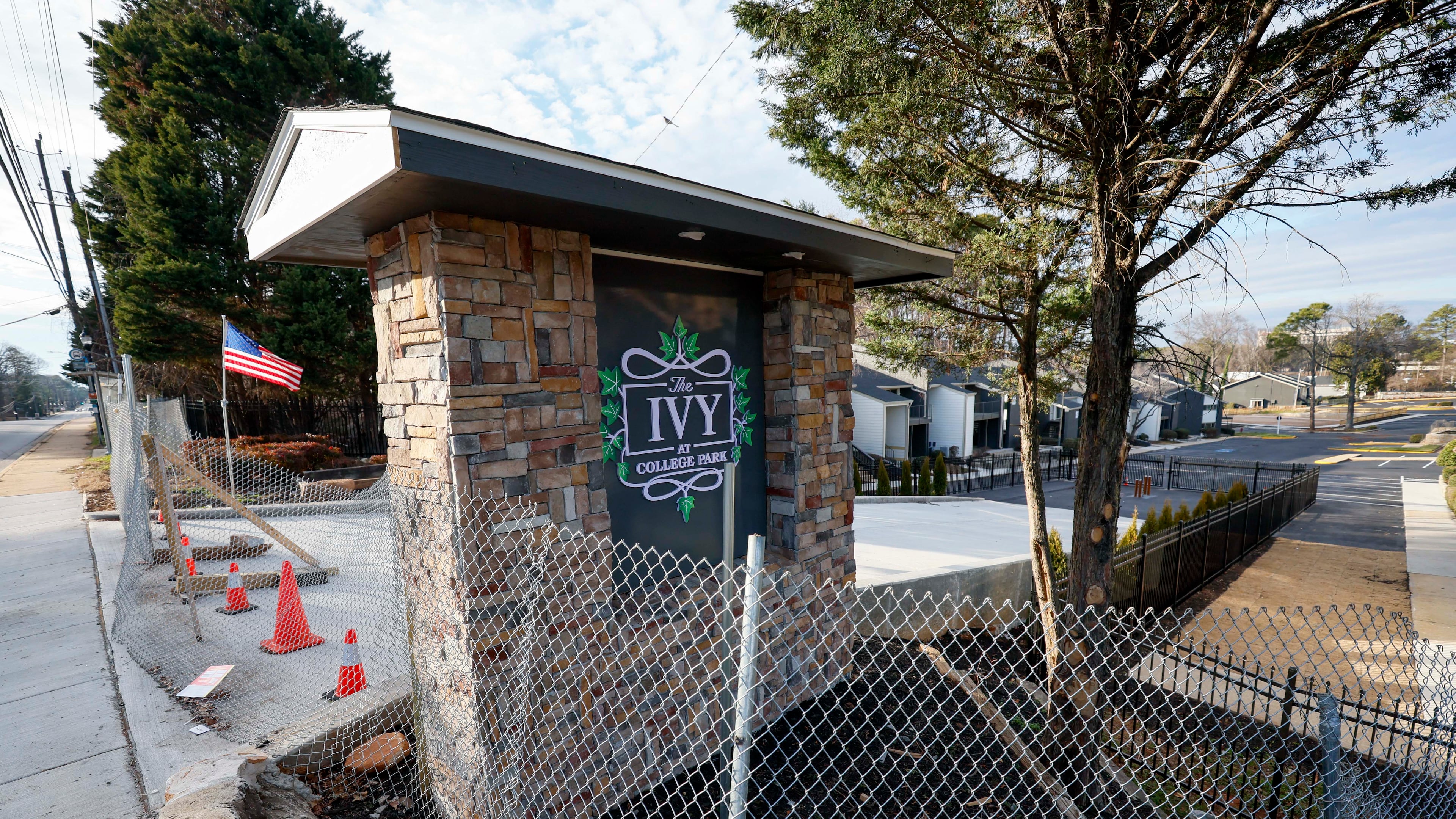
Miller has said the City Council ousted her in November because members Joe Carn and Tracie Arnold were unhappy with her for refusing to allow the new owner to redevelop the property without proper permits. The facility is now owned by Contour Cos. and is called the Ivy at College Park.
Then in January, the council unanimously approved Carn’s controversial proposal for a citywide suspension of certain construction and planning fees through the end of March. Carn’s resolution prompted Mayor Bianca Motley Broom to speculate that the legislation was intended to benefit Contour.
The lawsuit was filed in December and alleges violations of Georgia’s Racketeer Influenced and Corrupt Organizations Act, or RICO, through a pattern in which city officials ordered Silver to use his code-enforcement authority as a cudgel by issuing phony violations against properties — for the financial benefit of officials or to carry out vendettas.
The complaint notes that Silver filed a lawsuit of his own against the city in September, alleging City Council member Roderick Gay intimidated Silver and took him on “ride-alongs” to point out properties he wanted Silver to cite for fake code violations. Gay also identified properties Silver was to “leave alone” because they were owned or occupied by Gay’s friends, the September lawsuit alleges.
The more recent suit was brought by two limited liability companies identified as “Chelsea Propco TIC I” and “Chelsea Propco TIC II” against Silver and Adediran, along with other defendants who will be named when their identities are “revealed.”
Silver’s attorney, Matt Maguire, declined to comment on the lawsuit. Adediran, who was fired in May, did not respond to a request for comment.
Gay told The Atlanta Journal-Constitution on Wednesday he has neither pressured city staff to issue excessive citations nor acted to benefit any developers.
“Councilman Roderick Gay was not aware of Chelsea Gardens’ condemnation or evictions until the media and tenants came to the council meeting,” Gay said, referring to himself, and adding that the situation prompted him to make a motion to fire Adediran at the May 19 meeting.
Bryan M. Knight, an attorney for the former owners of Chelsea Gardens, did not return messages seeking comment.
City Attorney Winston Denmark, city spokesperson Gerald Walker and council members Arnold and Jamelle McKenzie all did not respond to requests for comment on the lawsuit. Council member Carn and Mayor Motley Broom declined to comment.
According to the lawsuit, the plaintiffs bought the property at 2135 Godby Road in February 2022. It has 474 apartments.
At the time, only about 60% of the complex was occupied, prompting the plaintiffs to spend more than $4 million to renovate it, the lawsuit says. By March 2024, Chelsea Gardens had an occupancy rate of about 90%, according to the suit.
As a result of these efforts, an appraisal by the plaintiffs’ lender in March 2024 showed the property’s value was more than $55.1 million, an increase of $10.1 million from the time the plaintiffs bought the property, according to the complaint.
The lawsuit adds that an engineering inspection, also conducted by the lender in spring 2024, found the property was in “great shape” and had “little to no material code violations or other issues. Any minor issues revealed by the engineering report were quickly corrected.”
Nonetheless, the city intentionally delayed or stopped inspecting units at the property, which meant new tenants could not move in, the lawsuit says. Building inspectors also had a practice of inspecting a vacant unit, finding issues and after those problems were fixed, finding new problems during another inspection months later.
This, the plaintiffs alleged, made it impossible to lease vacant apartments, causing occupancy numbers to plummet.
“Other vacant apartments in other complexes in the city owned by friends, partners or relatives of city employees and officials were not required to undergo inspections before being leased,” the complaint says.
Then in October 2024, Silver delivered a warning letter for the property that listed the same boilerplate violations for every one of the complex’s 44 buildings, the lawsuit says, calling the warning notice “an utter work of fiction” that references violations for buildings that do not exist and a swimming pool that had been gone for decades.
When the plaintiffs “met with the City and Defendants,” they were told that to resolve the violations, they would need to deposit $3 million in an escrow account controlled by the city and use one of the city’s three preferred vendors to fix the alleged violations, the suit alleges.
The plaintiffs then asked about the preferred vendors and were told none of them were available, which made it impossible for the plaintiffs to comply, the lawsuit says.
The lawsuit does not name the preferred vendors.
The plaintiffs further allege squatters began trespassing and taking over vacant units and that the defendants and their conspirators failed to address the problem.
The property’s sudden decline continued, leading the owners to try to sell it, but city officials scared off a prospective buyer with derogatory remarks about the property and its owners, the lawsuit says.
The complaint adds that the property’s lender foreclosed on it in February 2025 for the highest bid of $40.1 million. That was nearly $15 million less than the property’s appraised value in March 2024, which was just before the campaign began to destroy its value, according to the lawsuit.
The lawsuit seeks a judgment of at least $14.96 million against the defendants.
There was a grand opening for the Ivy at College Park in November. A news release about the event says Contour “invested $6.5 million in the ‘phase one’ efforts, which includes 132 redeveloped units.”
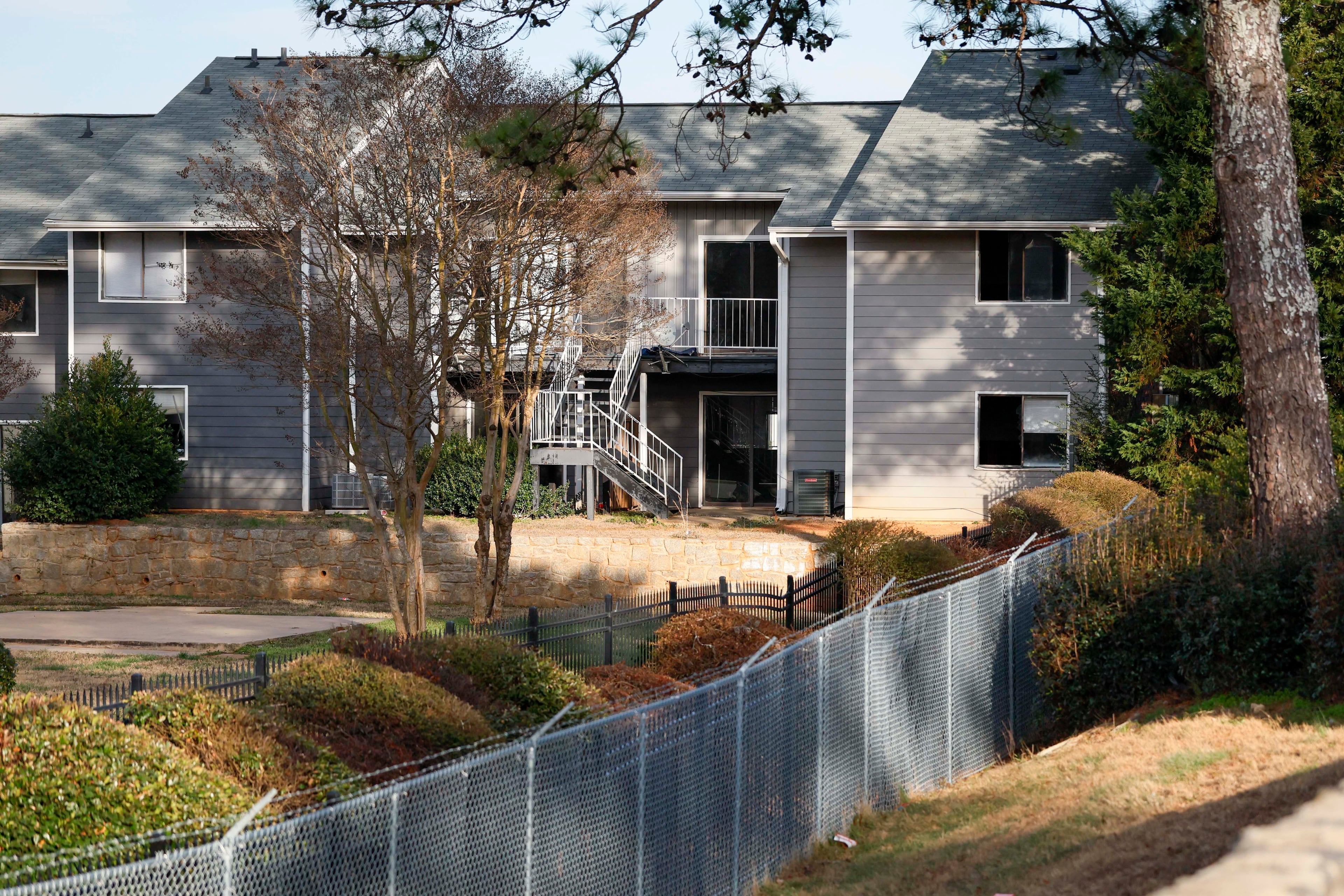
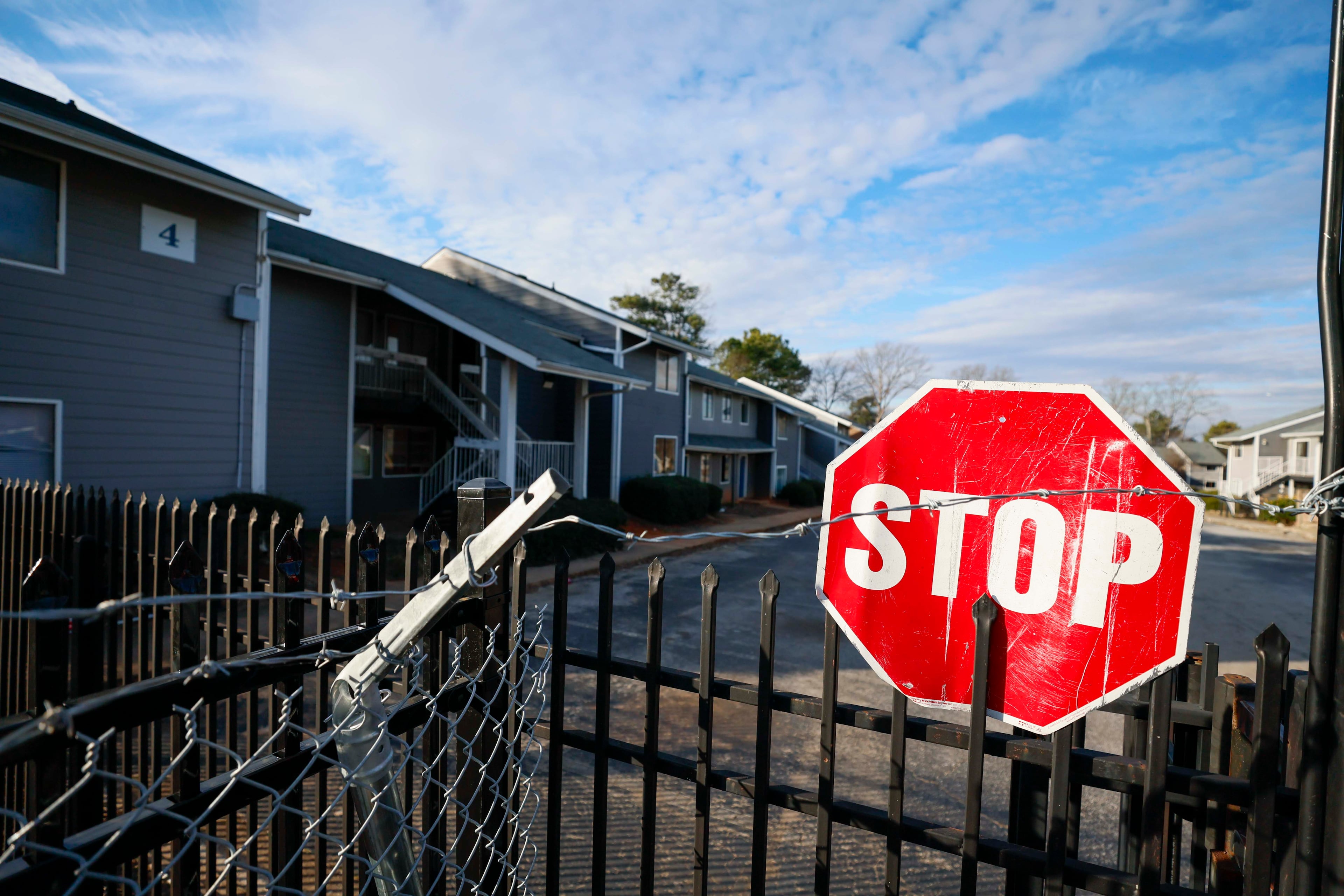
It is unclear when new tenants will move in. On Tuesday, the property was fenced off.
The primary owner of the Ivy at College Park did not respond to messages seeking comment.
Photojournalist Miguel Martinez contributed reporting for this article.
About the Author

Reed Williams is an enterprise reporter on the Local team at The Atlanta Journal-Constitution.