Spirit of the woods: Your next bottle of bourbon could plant a tree
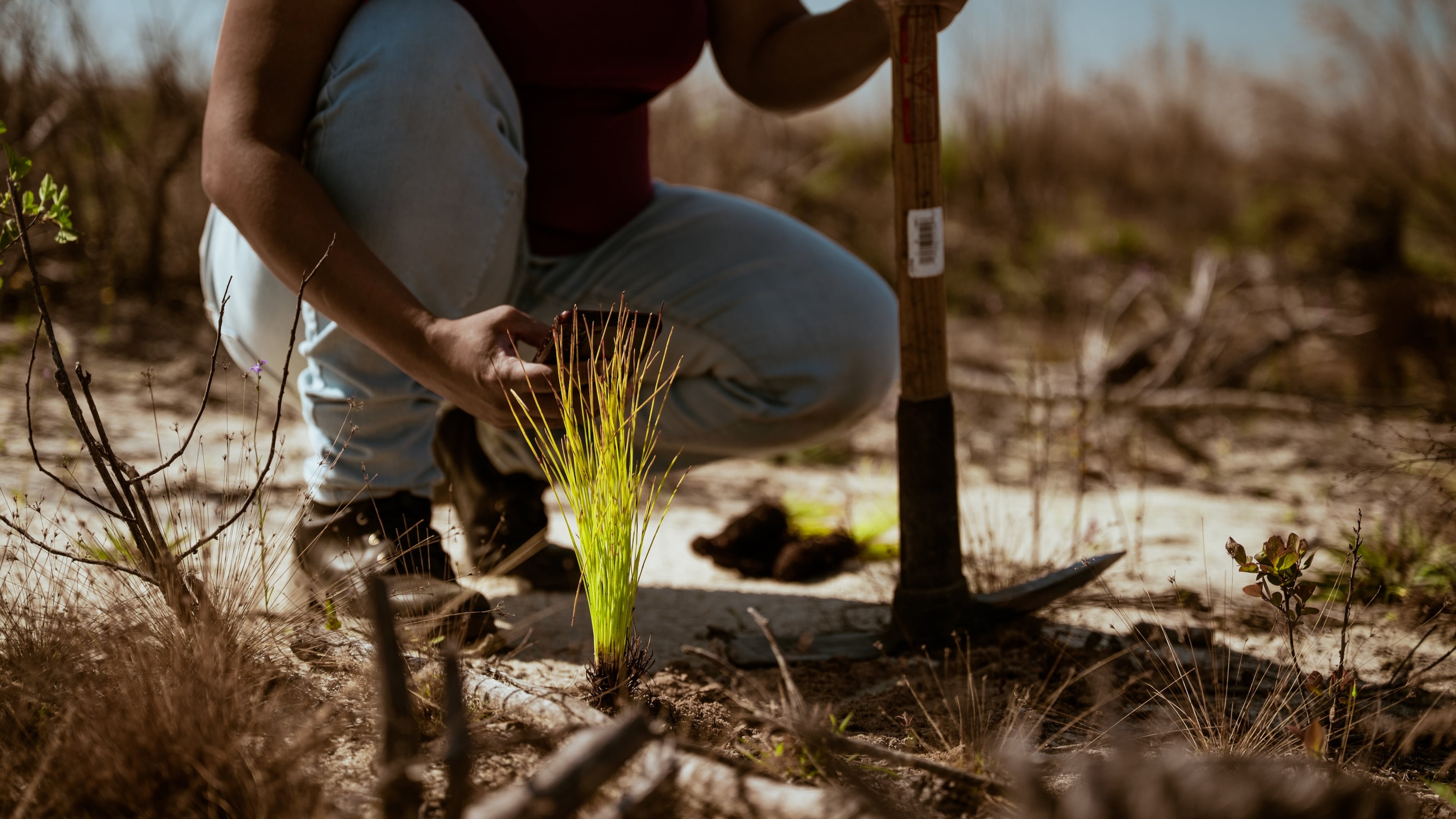
Buying a bottle of whiskey (or rye, or gin) can create more than cocktails; it is becoming an investment in the very soil that sustains the craft.
Across the country, distilleries are adding forest stewardship to their core business model, ensuring that the wood used to age their spirits is replaced tenfold. These three distilleries plant a sapling for every bottle they sell — not as a marketing footnote, but as an operating principle.
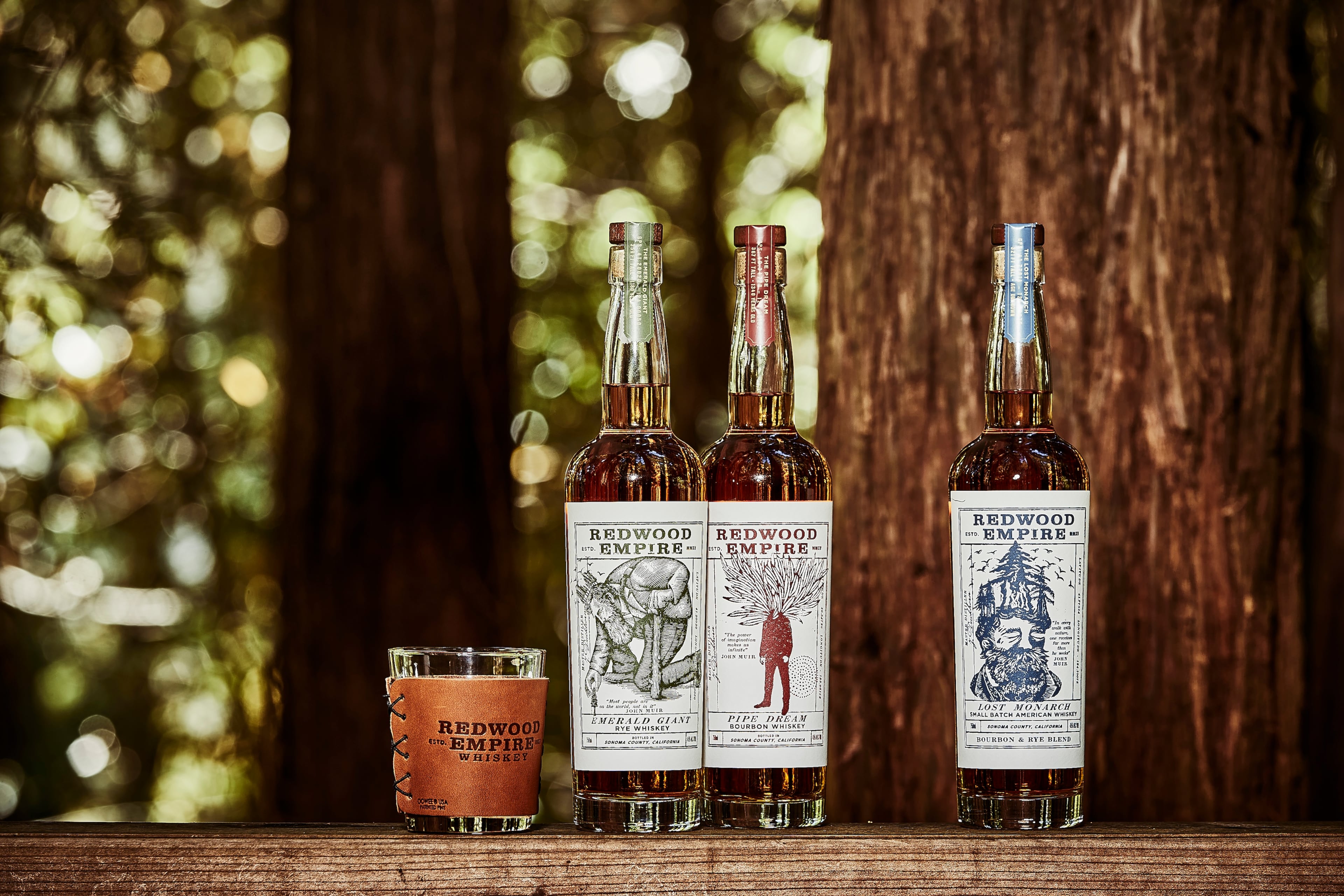
Redwood Empire Whiskey
Redwoods are among the oldest and tallest living organisms on earth, capable of growing to 350 feet in height, with some reaching more than 2,000 years old. They also are almost gone. Less than 5% of the original old-growth redwood forest that once stretched the length of California’s coast remains, a fact at the center of everything Redwood Empire Whiskey does.
Founded in 2014 by Derek Benham, the brand launched its “Buy a Bottle, We’ll Plant a Tree” initiative in 2019, transforming each purchase into an act of conservation. Through a partnership with Save the Redwoods League and Trees for the Future, Redwood Empire has planted more than 1.8 million trees, a number that climbs daily on their website’s live counter.
The bottles themselves are dispatches from the forest. Every expression is named for a protected old-growth redwood. The flagship bourbon is named after Pipe Dream, the 14th-tallest tree on earth. Emerald Giant rye whiskey is named after the fastest growing redwood in the world. Each label carries a quote from John Muir, a late 19th and early 20th century environmentalist often called the “father of national parks.” The Lost Monarch blend, named for the world’s largest coastal redwood, carries his words: “In every walk with nature, one receives far more than he seeks.”
This past April, the distillery set a goal of planting 100,000 trees in a single month through its Shake, Pour & Plant initiative, converting every cocktail sold at participating bars into a tree in the ground.
Noble Oak
The American white oak may not inspire mythology the way a redwood does, but it is the essential tree of American whiskey. It’s the species used to make the barrels whose charred interior gives bourbon its color, and its staves provide the architecture of vanilla and caramel flavor notes. Since 2017, Noble Oak operated under a philosophy that is as sturdy as its namesake, taking on “a mission to revitalize the earth by planting trees, building communities and, of course, enjoy great whiskey.”
Noble Oak puts its money where its mulch is through a dedicated partnership with One Tree Planted, ensuring that every single bottle sold puts another sapling in the soil. Together they have planted 58 different tree species across 30 different regions, representing at least 10 unique forest ecosystems. Their approach focuses on species native to each specific habitat. On their website, an interactive map allows enthusiasts to track their impact; a click on Atlanta, for instance, reveals a flourish of 7,500 dogwood and swamp white oak seedlings.
The liquid inside the bottle pays homage to this arboreal obsession through a Double Oak maturation process, resulting in their signature Double Oak bourbon and rye. By marrying their double oak maturation process with a relentless drive for reforestation, Noble Oak ensures that a forest gets a new sapling as you sip your old-fashioned.
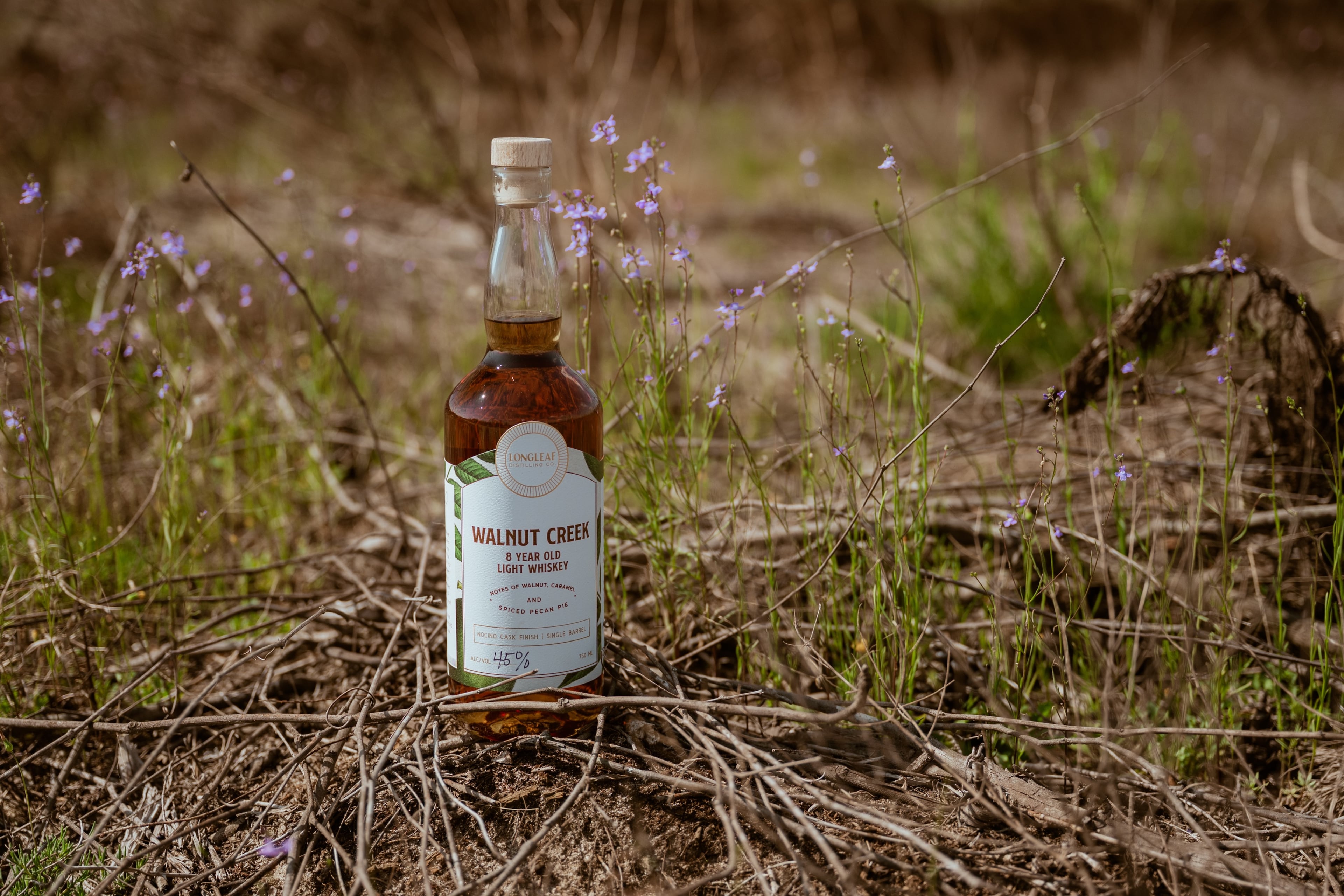
Longleaf Distilling Co.
The longleaf pine once defined the American South, so dominant it covered 90 million acres. They are remarkable trees — more resilient to hurricanes, drought, fire and pests than other Southeastern pines. They commonly live 200 to 400 years, with reports of a few approaching 700 years. Centuries of aggressive logging for heart pine timber and naval stores (the turpentine and tar that once helped build warships) decimated these forests, leaving behind a mere 3% of their original range.
Longleaf Distillery founders Will Robinson and David Thompson are on a mission to restore longleaf pine forests and the ecosystem they nurture.
In 2023, Longleaf Distilling Co. opened on Second Street in downtown Macon with a straightforward promise of one bottle sold, one longleaf pine in the ground. This past February, the distillery helped plant 85,000 longleaf pines on 150 acres of Mercer University land in Crawford County, in collaboration with the Longleaf Alliance. The site, which already houses endangered gopher tortoises, will be maintained through prescribed burns and the repatriation of native species, forming a living teaching forest for Mercer students to study the longleaf ecosystem.
The distillery’s portfolio reflects the diverse flora of the region. Their spirits range from the award-winning Southland American gin, crafted with 10 Georgia-grown botanicals, to more adventurous offerings like Evergreen Alpine liqueur and Alba Thistle liqueur. For Robinson and Thompson, the goal is simple: ensure that the story of the longleaf pine is no longer defined by what was lost, but by what is currently being replanted … one sapling at a time.