Spring 2nd Branch is a loving tribute to everyday Korean food in Marietta

Well before the restaurant opened, chef Brian So explained that his new venture near Marietta Square would follow a traditional Korean naming convention. Spring 2nd Branch sprouted from the formidable success of Spring, the pinpoint-focused fine dining restaurant now closed for renovations.
Other than sharing the same name and chef, the two restaurants could not be more different. The original Spring took a minimalistic approach to fine dining, using precision and finesse to highlight high-quality ingredients across a tightly edited menu. Dining at Spring felt like witnessing a high-wire act — there was no margin for error. The calm, austere dining room opened five nights a week, only for dinner.
So’s approach at Spring 2nd Branch is diametrically opposed; the restaurant is open for lunch and dinner seven days a week, with a huge menu of popular Korean classics. The dining room is busy and sometimes loud, with TVs playing K-pop music videos and neon signs that cast competing, multicolored glows through the room. Many of the dishes arrive still sizzling in hot earthenware vessels, not artfully plated on white china.
The idea for Spring 2nd Branch grew out of a moment of profound homesickness, So told The Atlanta Journal-Constitution. After a difficult shift one night, he wandered Marietta Square and wished for the comfort of the Korean restaurants run by first-generation immigrants around the San Francisco Bay Area, where he grew up.

Spring 2nd Branch mimics those humble restaurants with a purposefully obscure facade on Church Street and an interior design that favors function over form. Diners enter through a front hallway that looks more like a Korean grocery aisle before sitting in a dining room dominated by exposed brick, structural columns and warm light. When a freight train roars by on the nearby tracks, it seems to rattle the silverware, while repeated blasts of the horn render conversation impossible.
Though the restaurant looks like an enclave of Korean culture, So has deftly designed the menu and service to be accessible to non-Koreans without adulterating the food. The large menu includes brief but helpful dish descriptions under their proper Korean names. Every diner gets a paper menu that doubles as a place mat, and there’s a QR code that shows photos and additional details for every dish. For those like me, who might not be able to pronounce words like myeongnanjeot gyeran jjim (eggs steamed with anchovy broth and topped with salted pollack roe), each dish also has an alpha-numeric label — in this case, E2.

I was glad nothing discouraged me from ordering E2, because the dish turned out to be a surprise hit at our table. The tender, fluffy eggs, like a scrambled-egg cloud, are shot through with umami flavor from the anchovy broth, which is further enhanced by the cool, briny pollack roe. The hearty dish, equivalent to a three- or four-egg omelet, could be an entree on its own.

As one would expect from a kitchen helmed by a fine dining chef like So, the execution of each dish was nearly flawless. The buchujeon, a chive pancake with vegetables, was addictively crispy and identical both times I ordered it. Kimchi bokkeumbap, Korean fried rice with spam and a fried egg, was held together by a beautifully crunchy, crusty bottom layer — a difficult trick to pull off without burning the rice.
In some of its offerings, Spring 2nd Branch intentionally limits itself but shines nonetheless. Its beverage program relies heavily on local soju maker Minhwa Spirits — a smart decision given their soju was named best in class at the 2025 San Francisco World Spirits Competition. And the restaurant offers only one dessert, but it’s a showstopper. Kaesogeum bingsu is a sesame showcase, featuring a layer of salted sesame ice cream topped with a spectacular haystack of sesame shaved ice. The dish is finished at the table, where diners can pour a tiny carafe of sesame milk over the towering dessert; it’s a wild adventure through several textures and a deep exploration of a single flavor.

The restaurant’s unintentional limitations are mostly found in the service, though it’s solid overall. So said some staffers are still getting up to speed on the large menu and finding the right balance with the casual style.
A touch of inexperience showed when I ordered Minwha Spirits’ award-winning Yong soju, an 80-proof spirit suitable for mixing into cocktails. I asked how it was served and was told it came in a shot glass; So said it should have also been offered over ice with a lemon wedge, an option I would have preferred.
On another visit, we ordered the beautiful bossam plate, a two-person dish featuring rich, fork-tender pork belly and a variety of condiments meant to be eaten like lettuce wraps (though other vegetables than lettuce are provided). One of the main condiments is a mixture of raw oysters and kimchi, and the imported Korean oysters have much stronger, brinier sea flavor than the American and Canadian oysters typically served around Atlanta. I was grateful for So’s explanation after the fact, but wished our server could have helped adjust my expectations; I may have enjoyed the oysters more if not for the element of surprise.
Even with a few growing pains, Spring 2nd Branch is a triumph that wholeheartedly delivers on So’s vision. If there’s one more thread that connects the new restaurant to its big sister, Spring, it’s So’s fearlessness. If Spring is a high-wire act, Spring 2nd Branch is more like an ultramarathon; both are acts of bravery, and So is proving he has it.
Spring 2nd Branch
2 out of 4 stars (very good)
Food: Korean
Service: solid, but tinged with inexperience
Noise level: moderate to loud
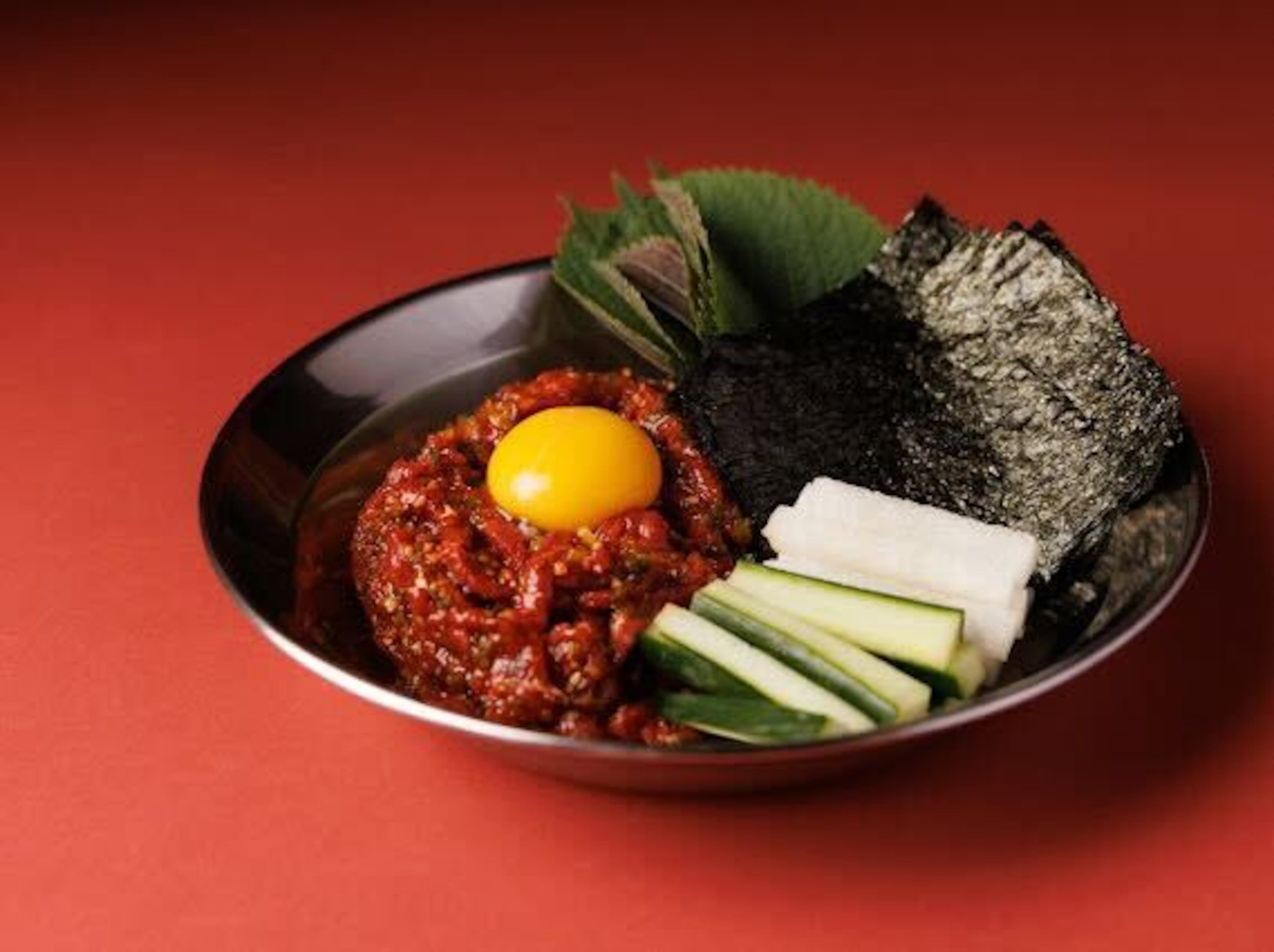
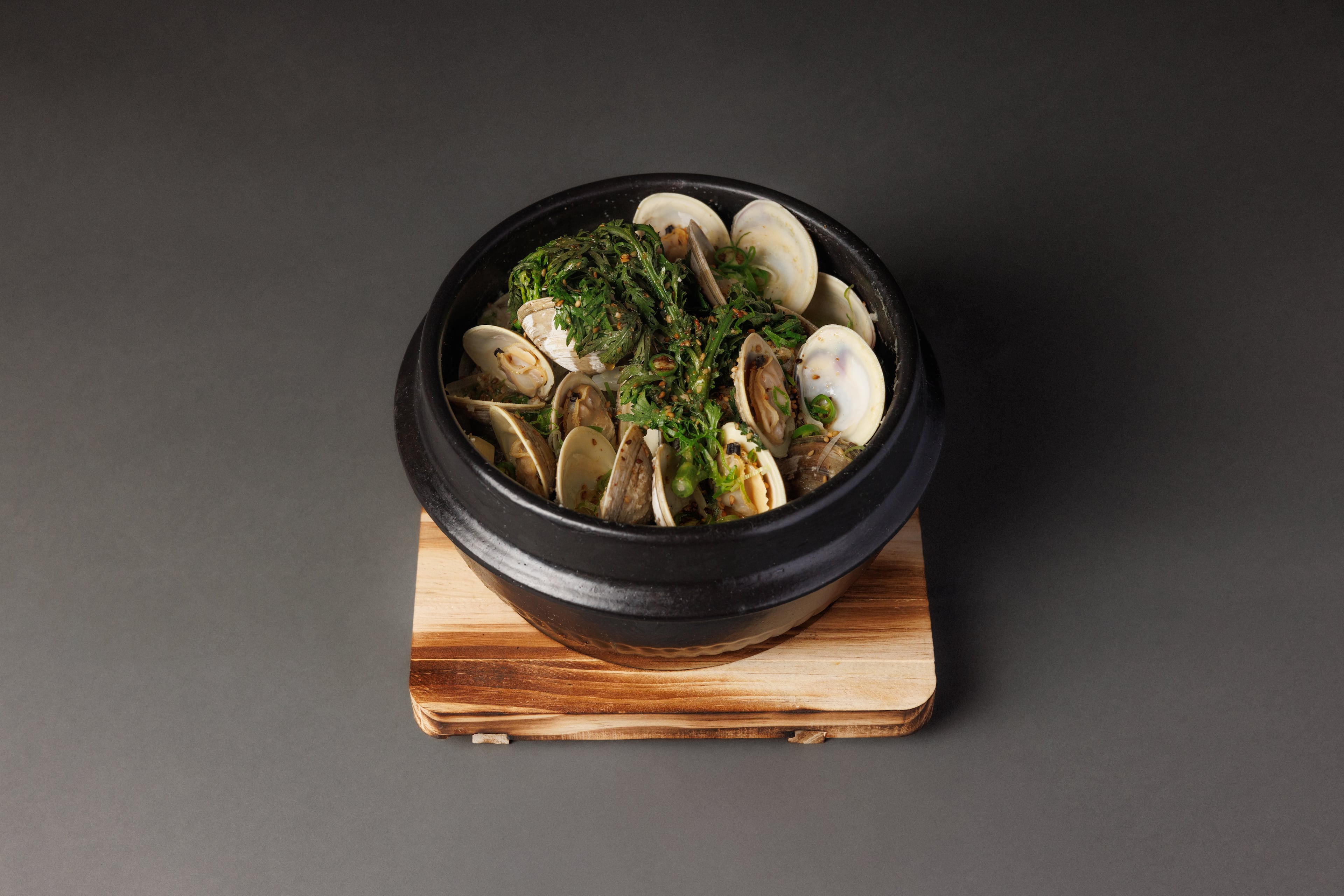
Recommended dishes: kimchi mandu (beef, pork and kimchi dumplings), buchujeon (chive pancake with vegetables), gochujang yukhoe (beef tartare), jogaetang (steamed clams), bossam, bulgogi dolsot bibimbap, myeongnanjeot gyeran jjim (steamed eggs with salted pollack roe), sogal tteok kimchi mandu guk (soup of dumplings and rice cakes in white ox bone broth), yangnyeom chicken wings, kimchi bokkeumbap (kimchi fried rice with spam), kaesogeum bingsu (salted sesame ice cream with sesame shaved ice)
Vegetarian dishes: buchujeon, beoseos sundubu jjigae (spicy silken tofu stew with mushrooms)
Alcohol: beer, wine and Korean spirits like makgeolli and sochu, as well as a couple of whiskeys
Price range: less than $25 - $75 per person, excluding drinks
Hours: 11 a.m. - 10 p.m., seven days a week
Accessibility: fully ADA accessible
Parking: paid street and deck parking nearby
Nearest MARTA station: none
Reservations: no
Outdoor dining: no
Takeout: not yet, but a takeout-only menu is planned
Address, phone: 113 Church St., Marietta. 770-575-3454
Website: spring2ndbranch.com
The Atlanta Journal-Constitution’s dining critics conduct reviews anonymously. Reservations are not made in their name, nor do they provide restaurants with advance notice about their visits. Our critics always make multiple visits, sample the full range of the menu and pay for all of their meals. AJC dining critics wait at least one month after a new restaurant has opened before visiting.
About the Author

Henri Hollis is a restaurant critic and food reporter for The Atlanta Journal-Constitution, where he covers Atlanta’s restaurants, chefs and dining culture. As part of the AJC’s Food & Dining team, he reviews new restaurants, reports on industry trends and explores metro Atlanta’s culinary scene through the neighborhoods and people that shape it.


