Avoiding controversy, Georgia schools select athletes for commencement speeches




Friday night at the University of Georgia will be a blast from the past and a look toward the future.
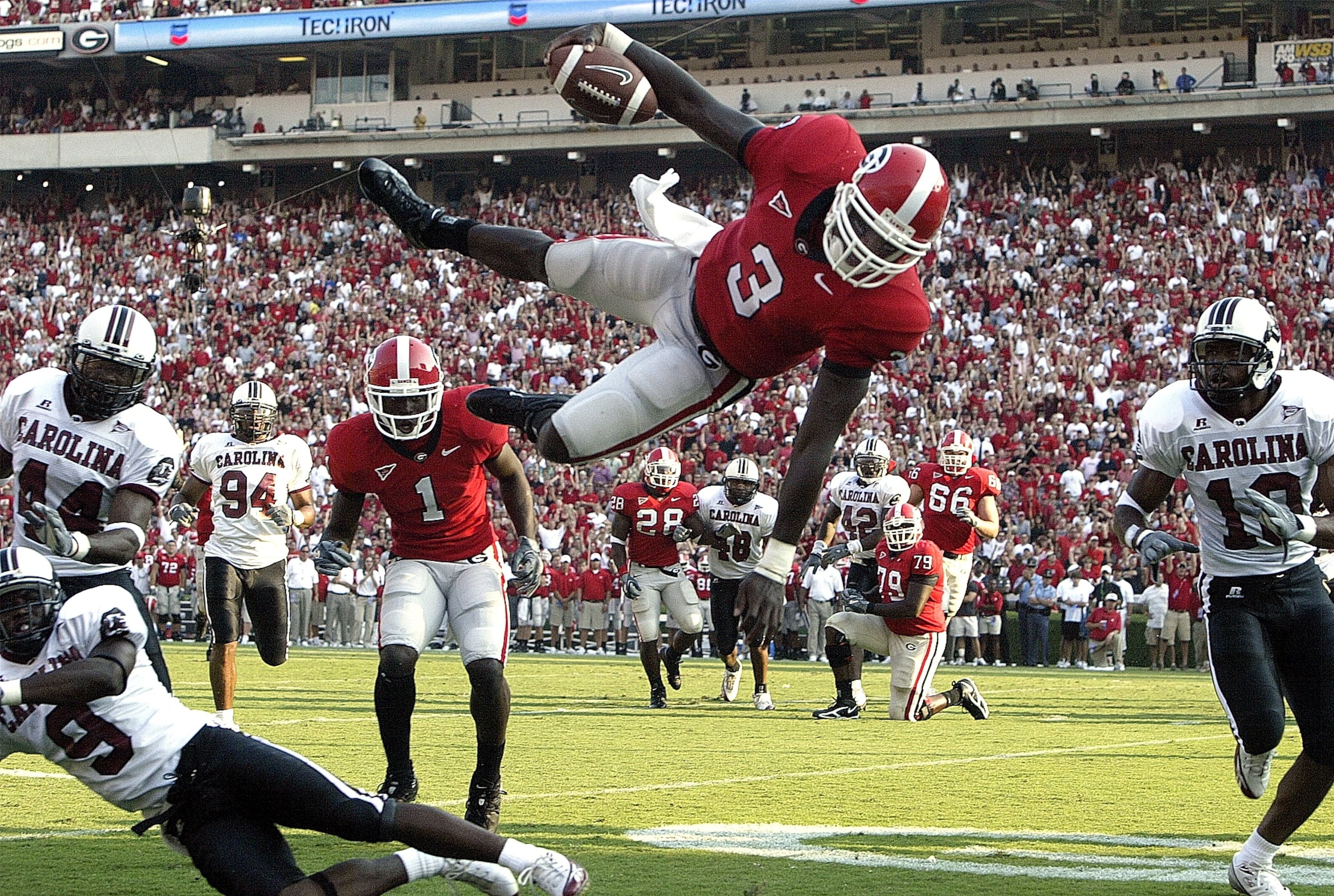
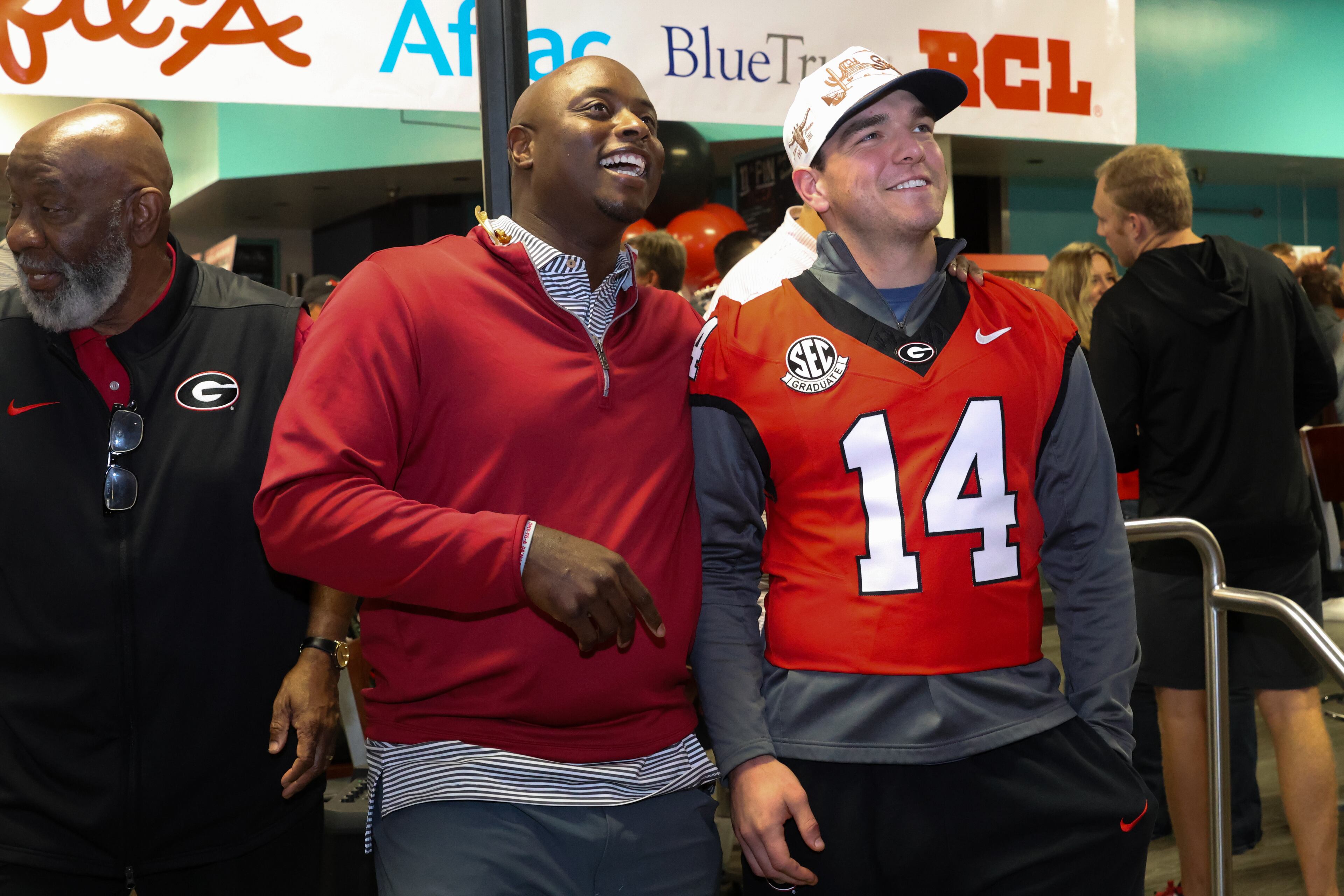
Reminiscent of the early 2000s when the former UGA quarterback entertained thousands at Sanford Stadium, D.J. Shockley has been called back to the field. But instead of a helmet and shoulder pads, Shockley will be adorned in a cap and gown, and instead of scoring touchdowns, he’s tasked with delivering a commencement speech to the Class of 2026.
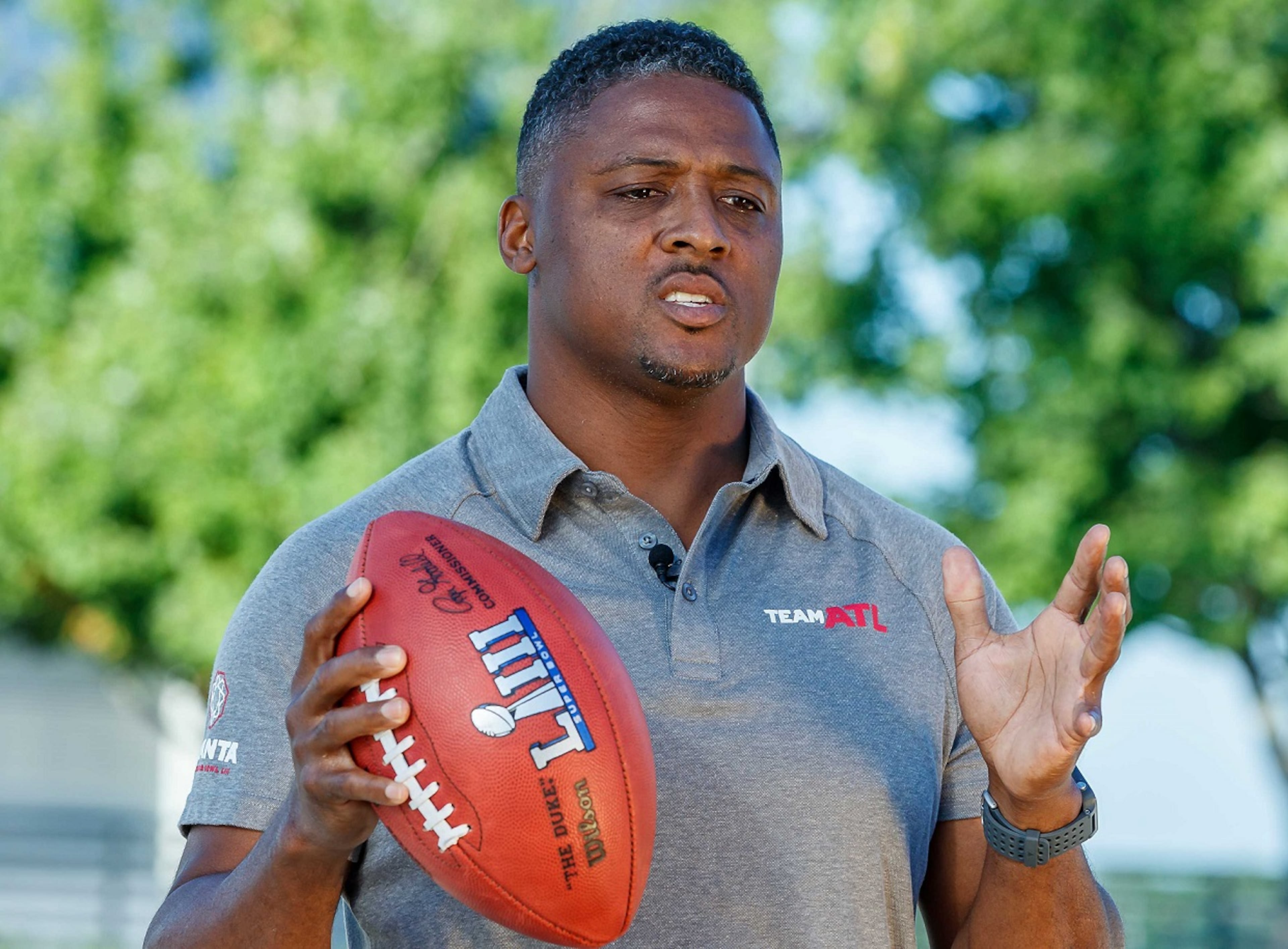
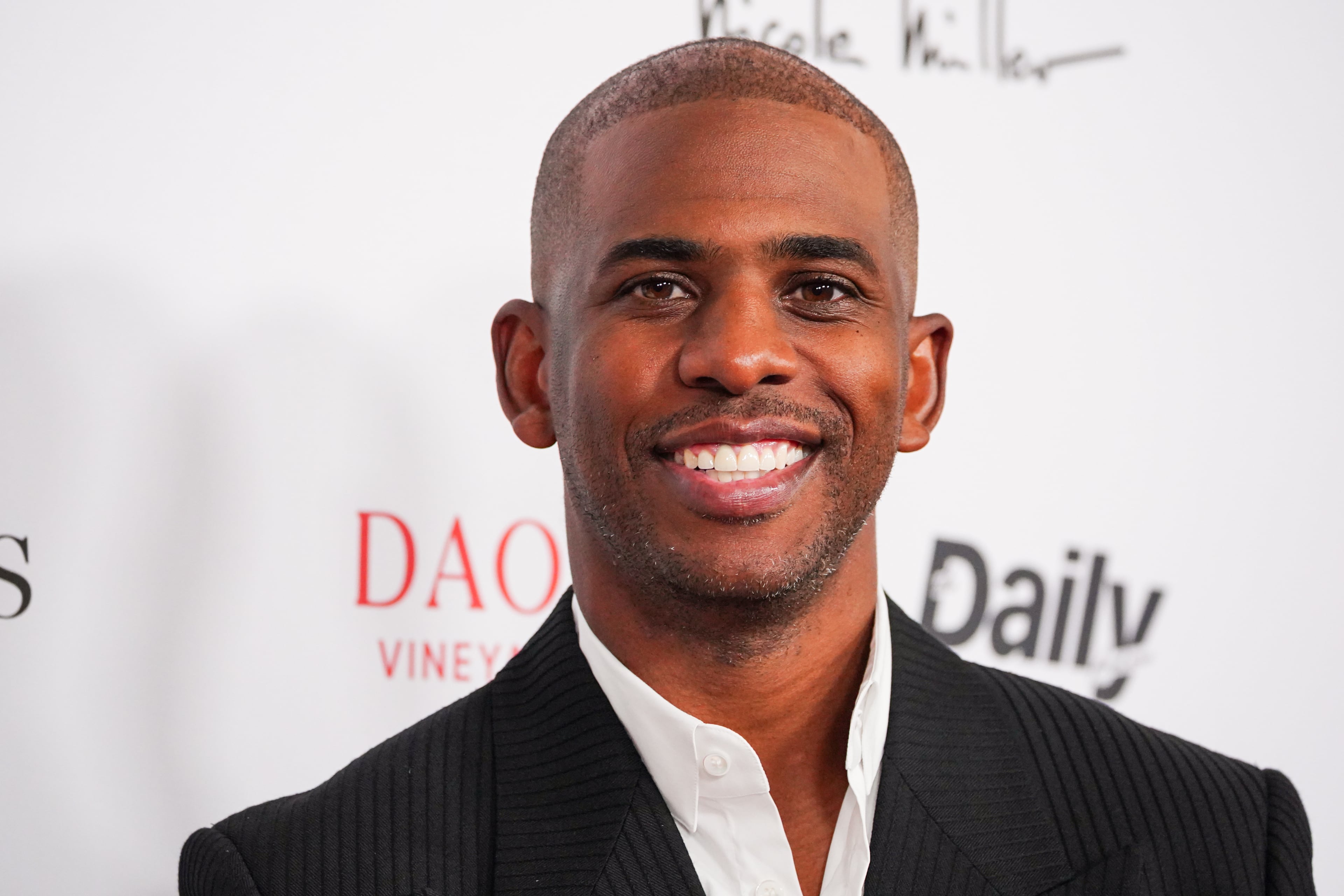
Now a local sports anchor, Shockley is one of many former athletes selected to give commencement addresses at colleges and universities this year. He’s one of three in Georgia alone: former Atlanta Falcons Pro Bowler Warrick Dunn will give the address at Morris Brown College, and Morehouse College will welcome 12-time NBA All-Star Chris Paul.
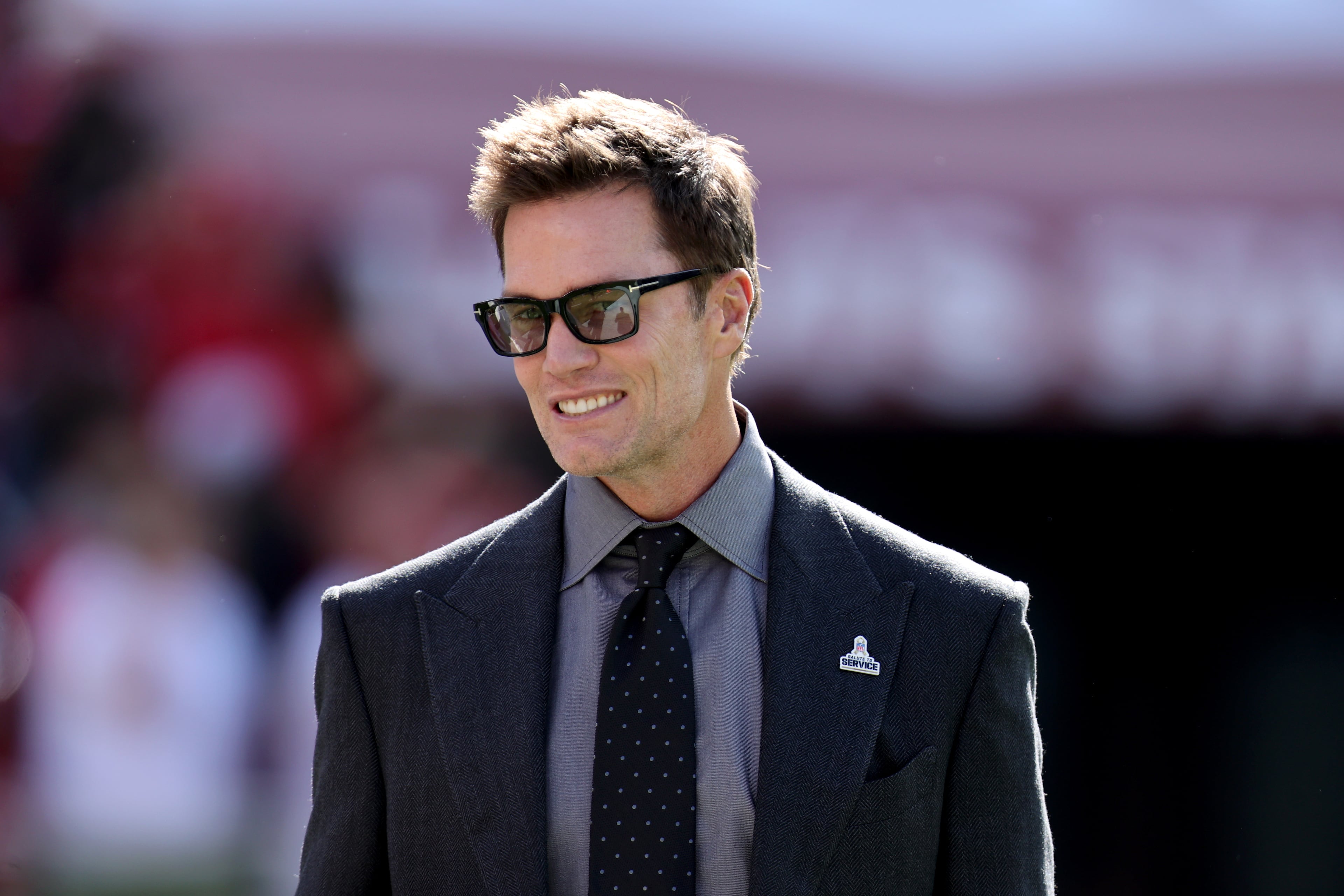
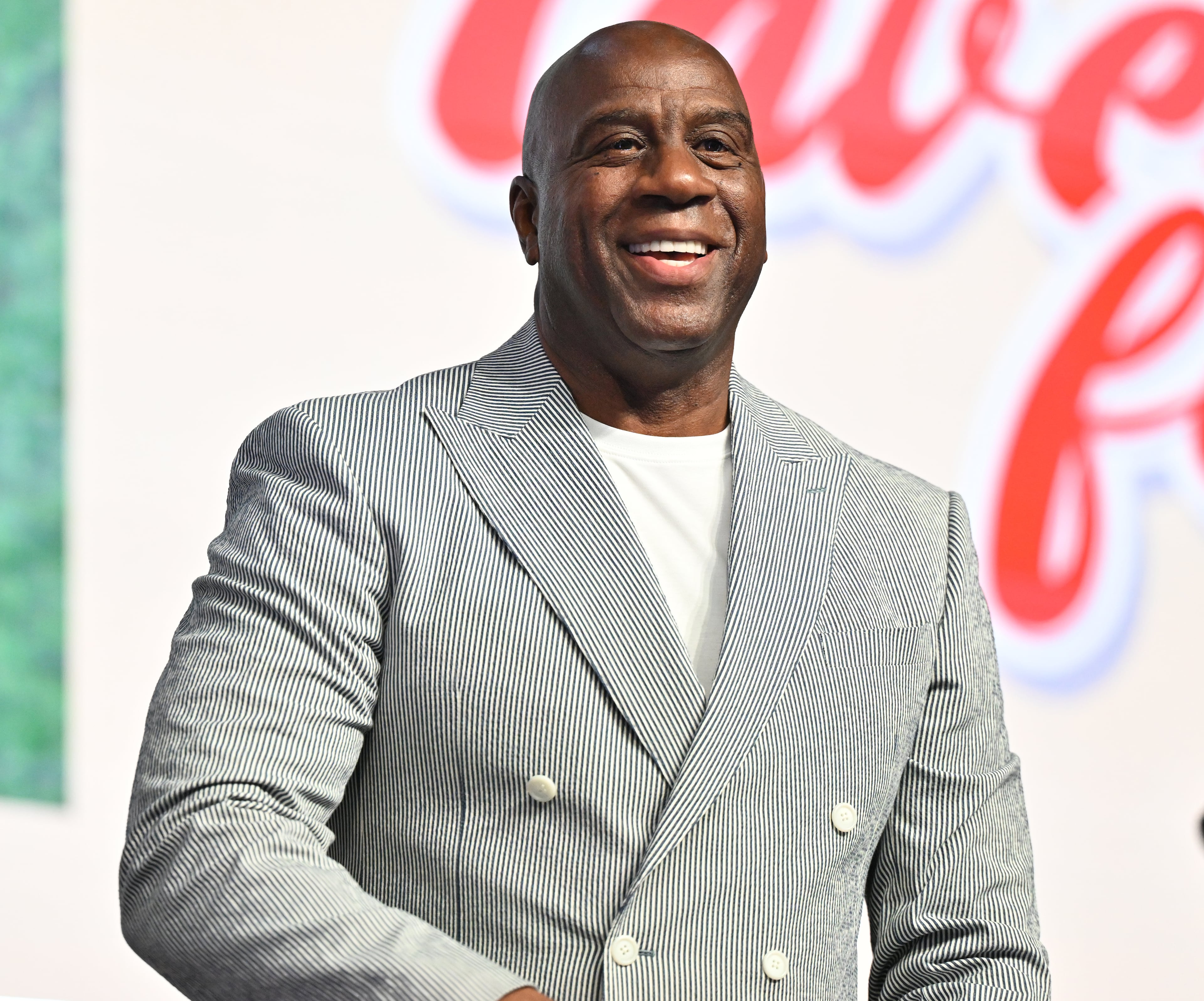
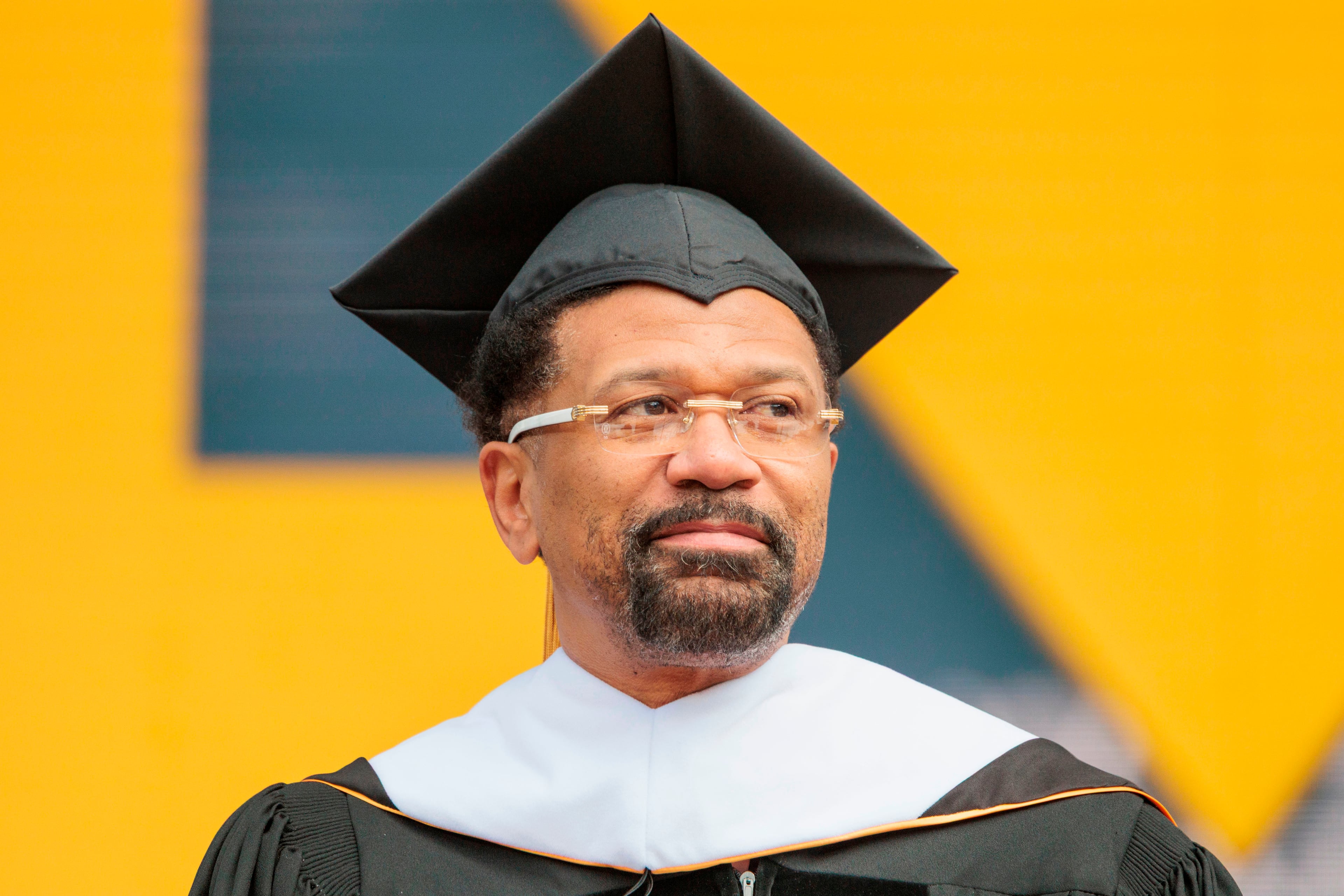
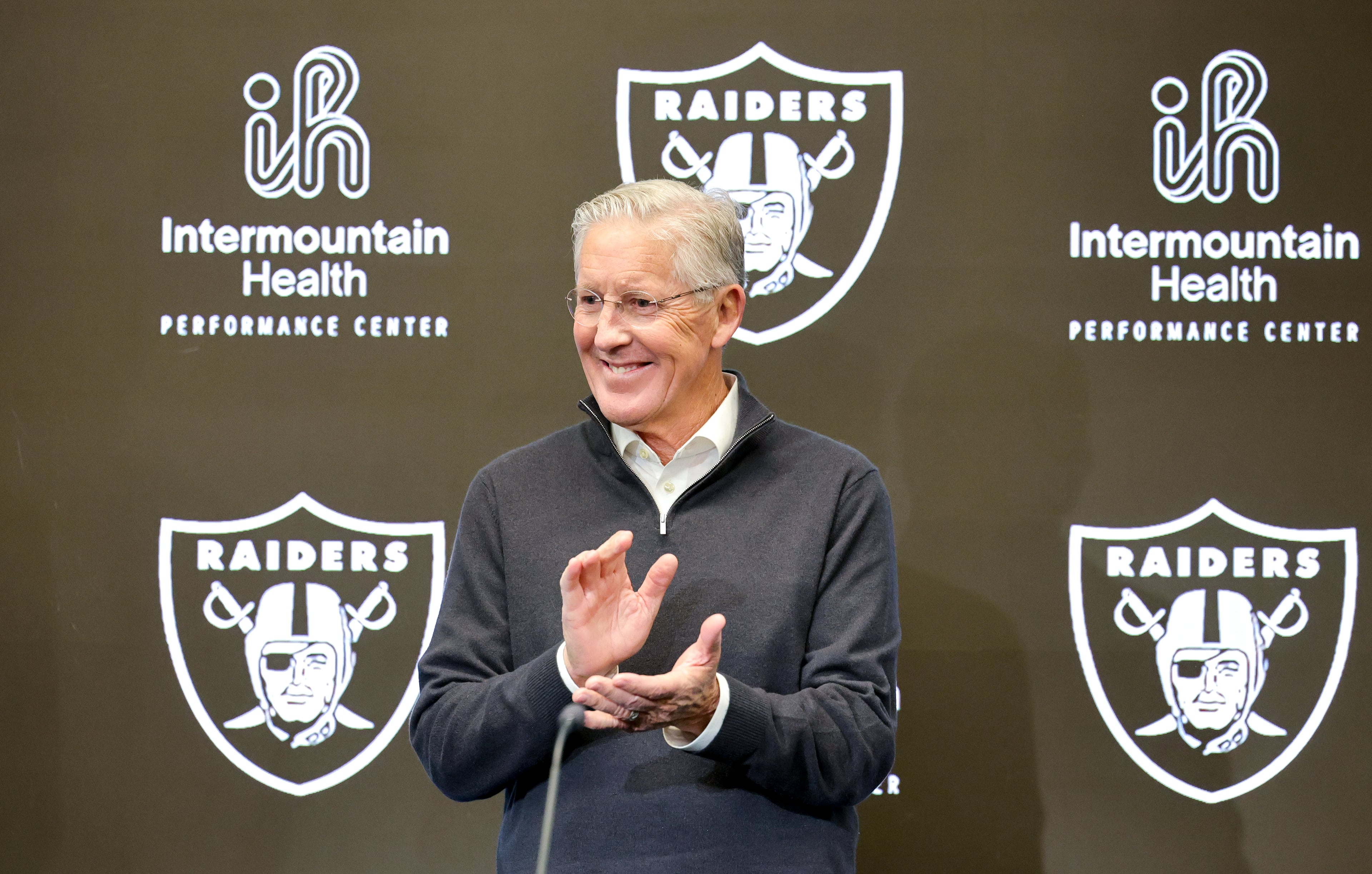
Nationally, the list goes on. Georgetown University’s school of business selected NFL legend Tom Brady. (Hopefully, he won’t bring up 28-3 in his speech.) Magic Johnson will give the speech at Tuskegee University as well as Stillman College. Former NBA star and University of Michigan alum Jalen Rose was chosen by his alma mater. The University of Southern California will welcome former football coach Pete Carroll to its business school, while its journalism school will host Olympic gold medal skier Lindsey Vonn.
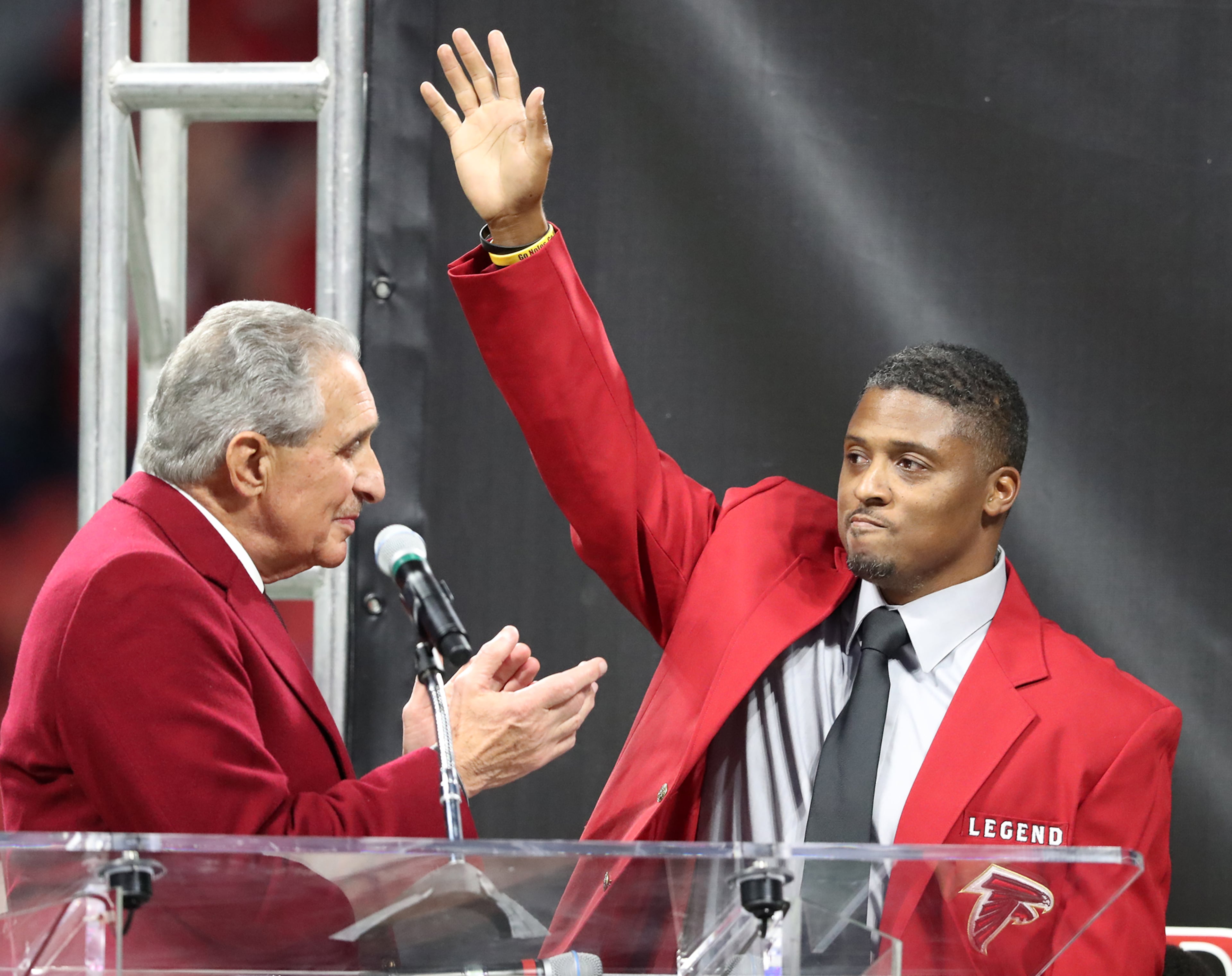
Other schools with athlete commencement speakers include the University of California, Los Angeles, Utah State University and Whittier College.
It’s not unusual for athletes to give commencement speeches at Georgia schools; just last year, UGA welcomed four-time Paralympian Jarryd Wallace. But three in one year is notable, with other local universities opting for corporate executives and political figures.
Walter Kimbrough struggles to see any disadvantages of an athlete speaker. As the former president of two universities, the Atlanta native, who has worked at several Georgia universities, said commencement is an opportunity for schools.
“That is one of your biggest days of the year in terms of marketing, where people actually pay attention to what’s going on,” said Kimbrough, now an executive vice president at the UNCF. “What an institution has to do is leverage a celebrity that an athlete might bring with them to that event.”


Once they have that extra attention, schools can show off their accomplishments, sharing stories of their graduates and their post-graduation plans.
“Then people can understand the value of what we do as an institution, and that becomes very powerful,” said Kimbrough.
One benefit of an athlete speaker is that they are largely noncontroversial. Commencement is a time to celebrate students, said Kimbrough, and a controversial speaker can distract from their special day.
That’s what happened at Morehouse College in 2024, when its invitation to then-President Joe Biden spurred protest over his support for Israel amid its war in Gaza. This year, students at Morehouse School of Medicine petitioned to disinvite U.S. Rep. Rich McCormick, R-Ga., for his rhetoric and policies they say are antithetical to the school’s mission.
That’s not to say schools should never host controversial speakers, but Kimbrough said graduation is not the right time or format, noting that commencement speeches are monologues where listeners cannot challenge the speaker’s ideas.
“If you want to have that kind of conversation, you bring them for a lecture series, let them present, and then let the audience question them,” said Kimbrough. “You want people to leave (commencement), have a good feeling, to be excited about it. You’re cultivating your next group of alumni givers. So why make that controversial? It doesn’t make any sense.”