
NCAA changes could curb transfers as ‘five-for-five’ gains steam
Collegiate sports reform is heating up with summer approaching.
NCAA bylaws have been amended to allow schools to negotiate terms that could prevent athletes from entering the transfer portal.
The provision is somewhat similar to how NFL players who are under contract aren’t allowed to negotiate with other teams.
The NCAA is also expected to adopt a rule that would take age and athletes’ eligibility “clock” into consideration. The Division I Board of Directors has directed the Division I Cabinet to advance measures that would permit five years of eligibility beginning the academic year after athletes turn 19 or graduate from high school.
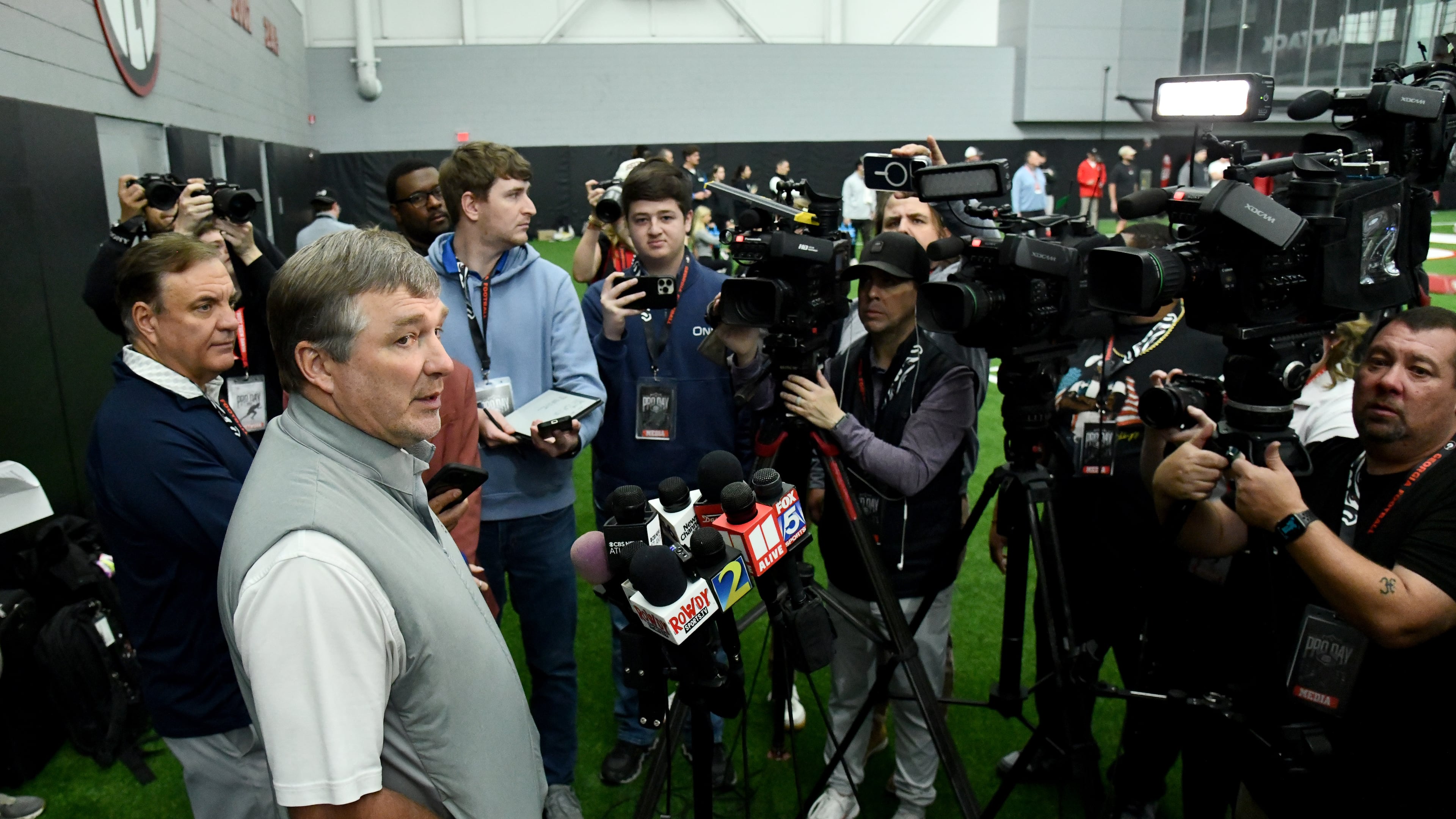
Georgia coach Kirby Smart has been an outspoken proponent of the so-called “five-for-five” rule, which would allow five playing seasons over those five years.
“I support the five-year plan, (and) I think it cleans it up for a lot of people,” Smart said on an SEC coaches teleconference last September, noting how redshirt rules make remaining eligibility cloudy.
The five-year rule was among items outlined in the sweeping executive order issued by President Donald Trump last month.
Collegiate sports are indeed a work in progress as the NCAA and its executive leadership committees strive to find workable solutions that protect athletes’ earning potential while stabilizing roster management and program efficiency.
Smart acknowledges the landscape is shifting quickly with collegiate leadership making adjustments amid the fluid and litigation-heavy era that’s accompanied name, image and likeness legislation and more liberal transfer rules.
“I’ll be honest with you, I try to worry about the play on the field because if you’re worried about rules and the rules changes, you’ll, No. 1, be disappointed because you can’t (and) I don’t control that,” Smart said Wednesday during his appearance at the Regions Tradition Pro-Am golf tournament in Birmingham, Alabama.
“We try to focus on the guys on our team and playing well and what we can do better, because I certainly can’t keep up with these rules changes.”
Smart echoed his earlier comments on the five-for-five rule Wednesday, however, providing more depth for his reasons for supporting it.
“My only concern is when guys are playing six, seven, eight years — I just don’t think that’s fair to high school kids,” Smart said. “We’ve taken so many opportunities away from high school kids for guys to remain eligible, and, you know, college is meant to be just that: college.”
The NCAA released a governance update Wednesday detailing the proposed eligibility change and the modified NCAA bylaw on notification of transfer procedures.
“The time is now to reform the period of eligibility rules to provide Division I student-athletes and our schools clear and consistent standards that align with current college athletes’ experiences,” Virginia Tech president and chair of the board of directors Tim Sands said in the update.
“The board fully supports student-athletes receiving the unprecedented financial benefits now available to them and emphasized these changes would protect opportunities for high school student-athletes to access the benefits only college sports can provide, while delivering predictable outcomes for student-athletes and our schools.”
Two key elements would be included in the eligibility modification, per the release:
• Maintaining the Division I guarantees that include funding the athletes’ degree completion for up to 10 years after their eligibly expires, and,
• Not adopting the new rules for five seasons of eligibility over five years for athletes who competed in the 2025-26 academic year.
“This makes a world of sense in football for coaches and players alike, especially in the context of roster limits, where coaches can now use their entire roster without worrying about ‘saving’ a subset of players for redshirts,” said Sam Edwards, a former football player at Michigan State who serves on the board.
“In a sport where many young players come in ready to contribute to varying degrees and in different phases of the game, this new eligibility landscape will be good for the game.”
The provision that would allow schools to negotiate with athletes to waive their right to transfer has the appearance of a win-win, as a potentially enhanced compensation package would be optional for the athlete.
The NCAA bylaw proposal to that effect has been adopted as “final,” per the “Notification of Transfer” provision in Amendment 13.114, which details proper procedures for undergraduate and graduate student-athletes looking to make contact with other schools while in the portal.
The stipulation adds to the procedure the phrase, “unless the student-athlete and the institution have entered into a valid settlement related benefits agreement that releases the institution from the obligations of the notification of transfer process.”