Georgia’s public school buildings belong to us — not the charter school industry
Georgia taxpayers have invested billions of dollars over decades to build, maintain and modernize our public school buildings. These facilities are community assets — paid for by the public, owned by the public and intended to serve the public. Now, House Bill 1308 would allow charter schools and the charter school industry to take over empty or underused public school buildings, often at little or no cost. That may sound harmless on the surface, but the reality is far more troubling.
This proposal is not about efficiency. It is about transferring public assets into private hands under the banner of “choice” while weakening the very public schools that anchor our communities.
Taxpayers paid for these buildings, and they should stay public
Public school buildings are funded through local property taxes, SPLOST dollars and state appropriations. Every brick, every roof repair, every HVAC upgrade was paid for by the people of Georgia. Handing these buildings over to charter operators — since many of these schools are run by private boards or national management companies — amounts to a taxpayer-funded giveaway.
Once a building is transferred, the public loses control. The community loses access. And taxpayers lose the ability to repurpose that building for public needs.
These buildings have public uses beyond schooling
Empty or underutilized public school buildings are not “wasted.” They can be, and often are, repurposed for:
- Early childhood centers
- Adult education programs
- Community meeting spaces
- Workforce training hubs
- Recreation centers
- Emergency shelters
- Expansion space for growing neighborhoods
Local school boards and communities should decide how to use their own buildings based on local needs — not have those decisions overridden by state law or charter industry pressure.
Charter schools are not held to the same standards as public schools
Charter schools often present themselves as “public,” but they operate under different rules:
- They are governed by boards not elected by the public.
- They can set their own admission processes and discipline policies. (State guidelines say charter schools do not have admissions requirements other than residing in the school’s designated attendance zone.)
- They are not required to admit all students, including those with greater needs.
- They can close abruptly, leaving families scrambling and buildings empty again.
Public schools must serve every child who walks through the door. Charter schools do not. Giving them priority access to public buildings rewards a system that plays by different rules.
Charter performance is not better — and often worse
Despite the marketing, charter schools in Georgia do not consistently outperform public schools. Many perform the same or worse. Some have been shut down for financial mismanagement or poor academic results.
So why should taxpayers hand over valuable public assets to schools that may not deliver better outcomes?
This bill confuses the public — and that is the point
The charter industry often frames this as “making use of empty buildings” or “expanding choice.” But the real effect is to:
- Undermine local control
- Drain resources from public schools
- Shift public assets into private hands
- Create the false impression that charters are inherently superior
This confusion is not accidental. It’s strategic. When the public believes charters are simply “another kind of public school,” it becomes easier to justify giving them public buildings, public dollars and public authority — without public accountability.
Georgia should strengthen public schools, not give away their assets
If lawmakers truly want to support students, they should invest in:
- Literacy instruction grounded in science
- Teacher recruitment and retention
- Early intervention for struggling readers
- Mental health supports
- Safe, modern school facilities
Giving away public buildings to charter operators does nothing to improve public education. It simply shifts resources away from the schools that serve the vast majority of Georgia’s children.
The bottom line
Georgia’s public school buildings belong to the people of Georgia. They are community assets, not bargaining chips for the charter school industry. This bill would weaken public schools, confuse the public and hand over taxpayer-funded property to private operators who are not held to the same standards and do not serve all students.
Lawmakers should reject this proposal and stand firmly for transparency, local control and the protection of public assets. Our communities deserve nothing less.
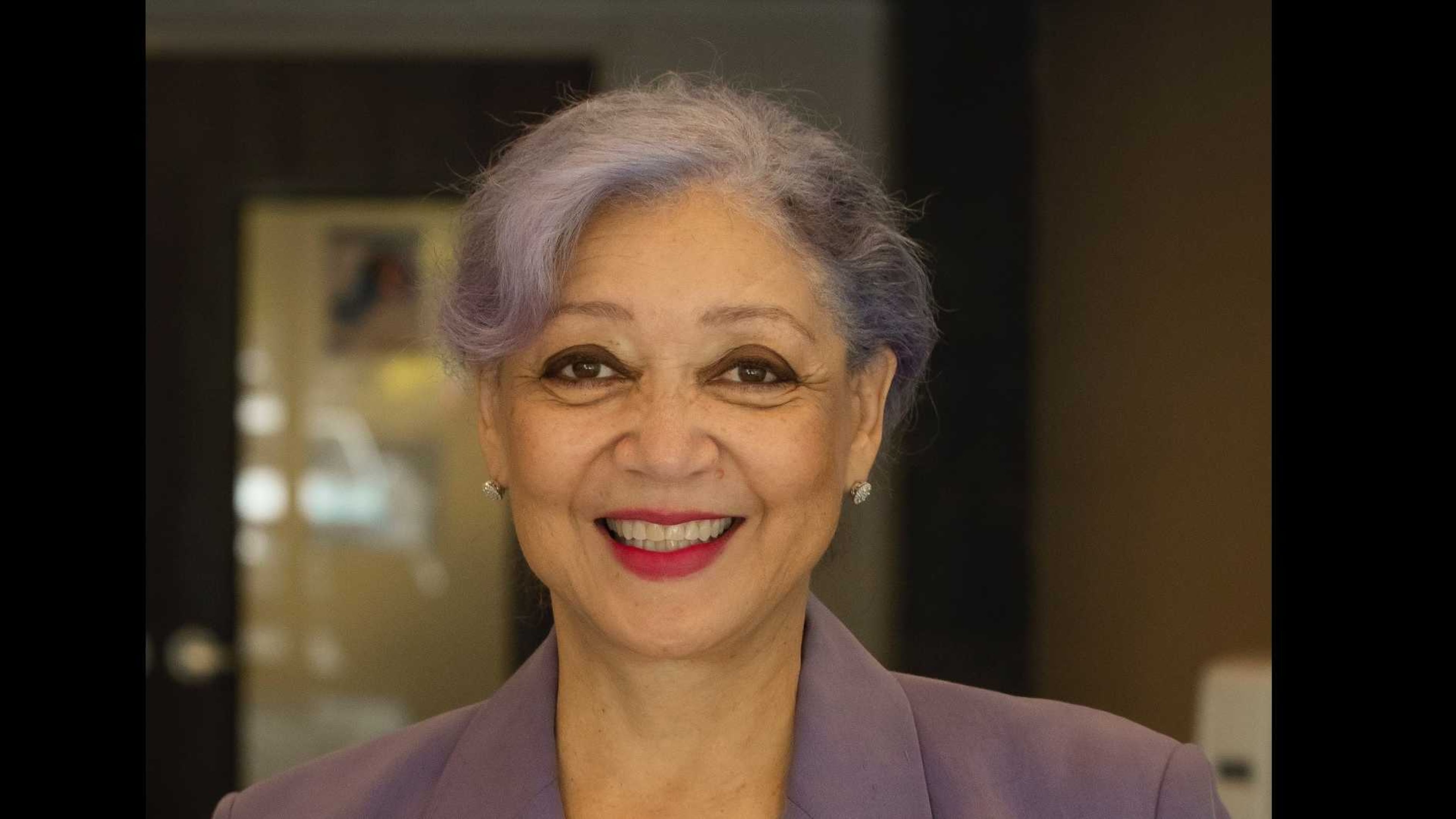
Verdaillia Turner is president of the Georgia Federation of Teachers.
If you have any thoughts about this item, or if you’re interested in writing an op-ed for the AJC’s education page, drop us a note at education@ajc.com.


