Georgia’s outdated school funding formula doesn’t add up

The process for funding Georgia’s public school classrooms has not changed since the mid-1980s. The state’s Quality Basic Education formula was created before the internet, before the Individuals with Disabilities Education Act was fully realized and before inclusion of students with intellectual and developmental disabilities became an expectation.
Forty years later, research has deepened our understanding of how students learn and develop. Educational practice has moved toward inclusion, higher expectations and instruction that reaches more students.
There is a good reason for that movement. A wide body of research shows outcomes for all students improve when students with and without intellectual and developmental disabilities are educated together.
Teachers now have far more inclusive tools at their disposal than they did 40 years ago, like collaborative teaching models, differentiated instruction and layered supports for students with intellectual and developmental disabilities. When inclusive education is implemented effectively and funded properly, there is no doubt that it produces the best results for all students.
However, the QBE formula that supports Georgia’s school funding has not kept pace with this knowledge.
At its core, QBE funds schools by counting students and assigning them to broad instructional categories. QBE was not designed for today’s classrooms, where inclusive education is the expectation. Students have more complex needs,and schools are asked to deliver results for every child.
Roughly 1 in 7 Georgia students receives special education services. These students may need specialized instruction, assistive technology, speech or occupational therapy, behavioral supports or smaller class sizes. These supports are essential to students’ ability to learn and participate in school.
There is a persistent misconception that special education and inclusive classrooms benefit only the students they formally serve. In reality, many of the instructional approaches now considered essential to high-quality general education were developed and refined through work with students with intellectual and developmental disabilities.
Assistive technology, differentiated instruction and evidence-based literacy practices grew out of efforts to ensure students who had long been excluded could access learning. Today, these practices strengthen classrooms for all students. The unfortunate reality is that Georgia’s current approach does not just shortchange students with intellectual and developmental disabilities, it also weakens education for everyone.
School funding formula fixes
Georgia Association of Educators President Lisa Morgan: Changes to Georgia’s school funding formula are long overdue
Georgia Partnership for Excellence in Education official Matt Smith: It’s time to fund excellent education in Georgia
Georgia Federation of Teachers President Verdaillia Turner: Why Georgia needs a modernized school funding formula
Georgia Budget and Policy Institute CEO Staci Fox: Opportunity is knocking and Georgia must answer
This is not a criticism of teachers or school systems. Countless devoted educators across our state spend considerable time finding ways around an outdated system. But when systems depend on workarounds, students with intellectual and developmental disabilities are often the first to face the consequences through inconsistent and inadequate supports, staffing trade-offs and unequal access to instruction.
This is how children quietly fall behind.
When children are left behind, it affects the future of our state and its workforce. Providing quality education for every child is a critical investment. Our state has increasingly recognized that Georgians with disabilities are an untapped talent pool.
In 2024, Georgia became a model employer for people with disabilities, giving state agencies the tools to recruit, retain and promote qualified employees with disabilities.
Last year, Georgia was the first Republican-led state to end the antiquated practice of paying people with disabilities less than minimum wage. Our state is recognized as a national leader in inclusive post-secondary education for young adults with intellectual disabilities.
In the private sector, an increasing number of employers have realized that it makes good business sense to include people with disabilities in their workforce. Those employers range from Georgia-based companies like Shaw Industries to international corporations like Walgreens. The largest business incubator in the country for entrepreneurs with disabilities, Synergies Work, is right here in Georgia, and has supported the launch of businesses across sectors ranging from tech to law to entertainment.
But students with intellectual and developmental disabilities will struggle to seize those opportunities if they don’t get what they need in our schools.
Georgia should modernize QBE by adding a tiered, needs-based special education weight that follows students receiving IDEA services and reflects the intensity of supports required, rather than disability labels or restrictive placements.
This would better align funding with inclusive practices like co-teaching, paraprofessional support and related services, directly addressing documented statewide gaps in staffing, service delivery and Individualized Education Program implementation reported by families and educators. Southern peers such as North Carolina show this approach can be implemented within an existing funding structure by pairing enrollment-based funding with guardrails that ensure placement decisions are driven by student need, not funding incentives.
This is not a partisan issue. It is a practical one. Lawmakers from both parties routinely express support for inclusive classrooms, strong schools and accountability. If Georgia aims to strengthen its schools, improve outcomes and honor its commitments to children, it must begin by valuing inclusive classrooms and their benefits for all students.
Ultimately, the question before our state leaders is not whether Georgia can afford to rethink how it funds education. It is whether Georgia can afford not to.
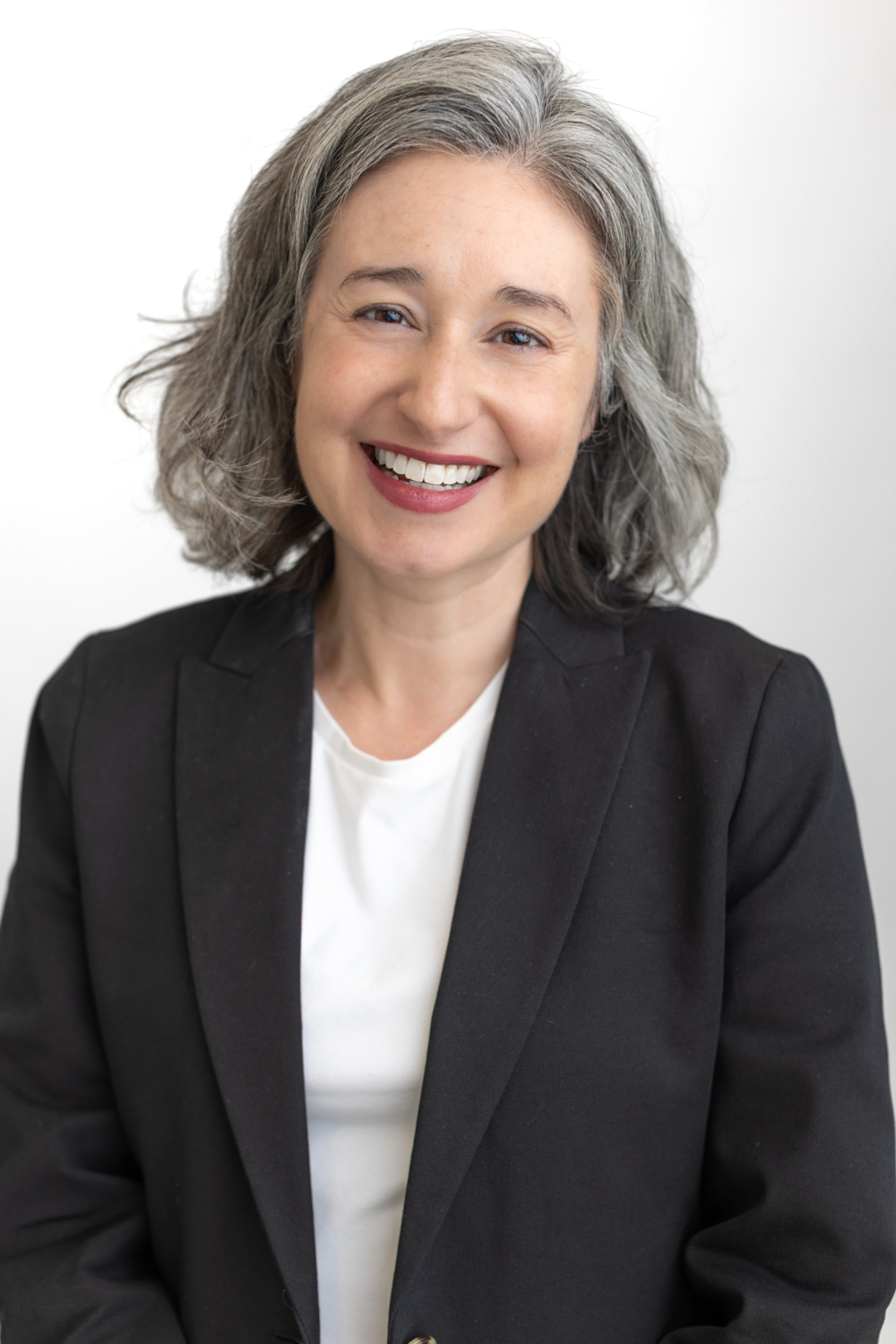
D’Arcy Robb is the executive director of the Georgia Council on Developmental Disabilities.
If you have any thoughts about this article, or if you’re interested in writing an op-ed for the AJC’s education page, drop us a note at education@ajc.com.


