Atlanta has to consider World Cup security risks. Does that list include ICE?

Editor’s note: This story has been updated to clarify an exchange between the head of the Metro Atlanta Chamber and the leader of a local World Cup watchdog group.
Atlanta government and business leaders want to present a welcoming environment for foreign dignitaries and international fans planning to descend upon the city this summer for the World Cup.
But a pair of fatal shootings in Minneapolis by federal immigration agents has raised new concerns among host cities like Atlanta about potential violence or tensions that could arise when World Cup travelers arrive in droves.
A World Cup watchdog Tuesday asked the head of the Metro Atlanta Chamber about those issues during a public event, expressing the importance of proactively trying to prevent immigration enforcement operations from devolving the summer gathering into controversy. The chamber leader’s response was to emphasize easing tensions.
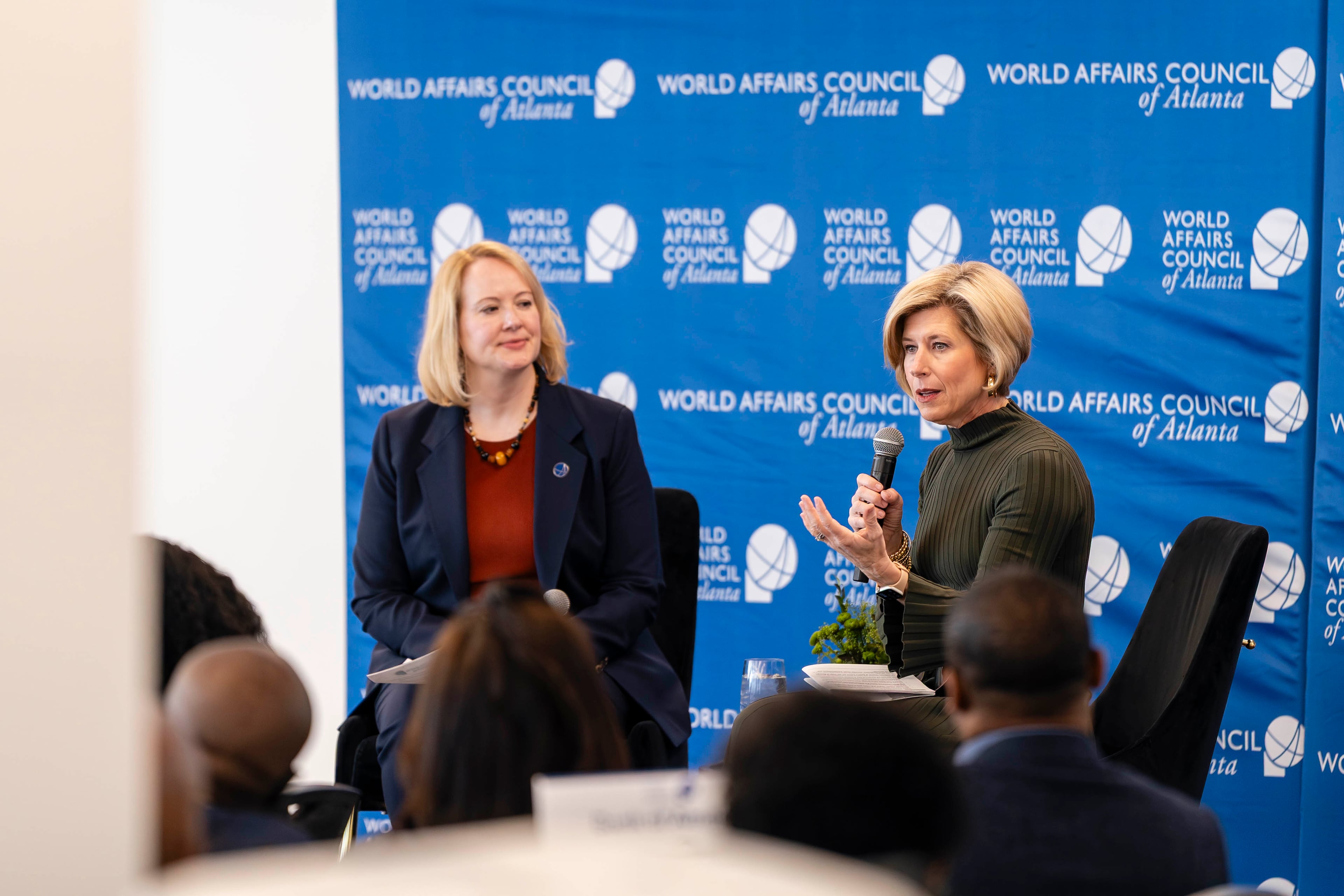
“Our priority is safety first, but (Atlanta will) also be inclusive and welcoming,” Katie Kirkpatrick, president and CEO of the Metro Atlanta Chamber, told a crowd of business and civic leaders Tuesday at an event by the World Affairs Council of Atlanta.
“We want an environment where people can be authentic to themselves,” she continued. “And we want to be authentic to Atlanta and have that experience translate back to those that come.”
Public safety is a paramount concern when hosting events like the World Cup, when hundreds of thousands of international soccer fans are expected to flock to Atlanta.
Security measures for large gatherings typically encompass everything from trying to stop drunken bar fights to terrorism prevention.
But a different domestic safety concern has joined the list as the country reels from the deadly shootings of Renee Good and Alex Pretti, both U.S. citizens, by immigration enforcement agents in Minneapolis.
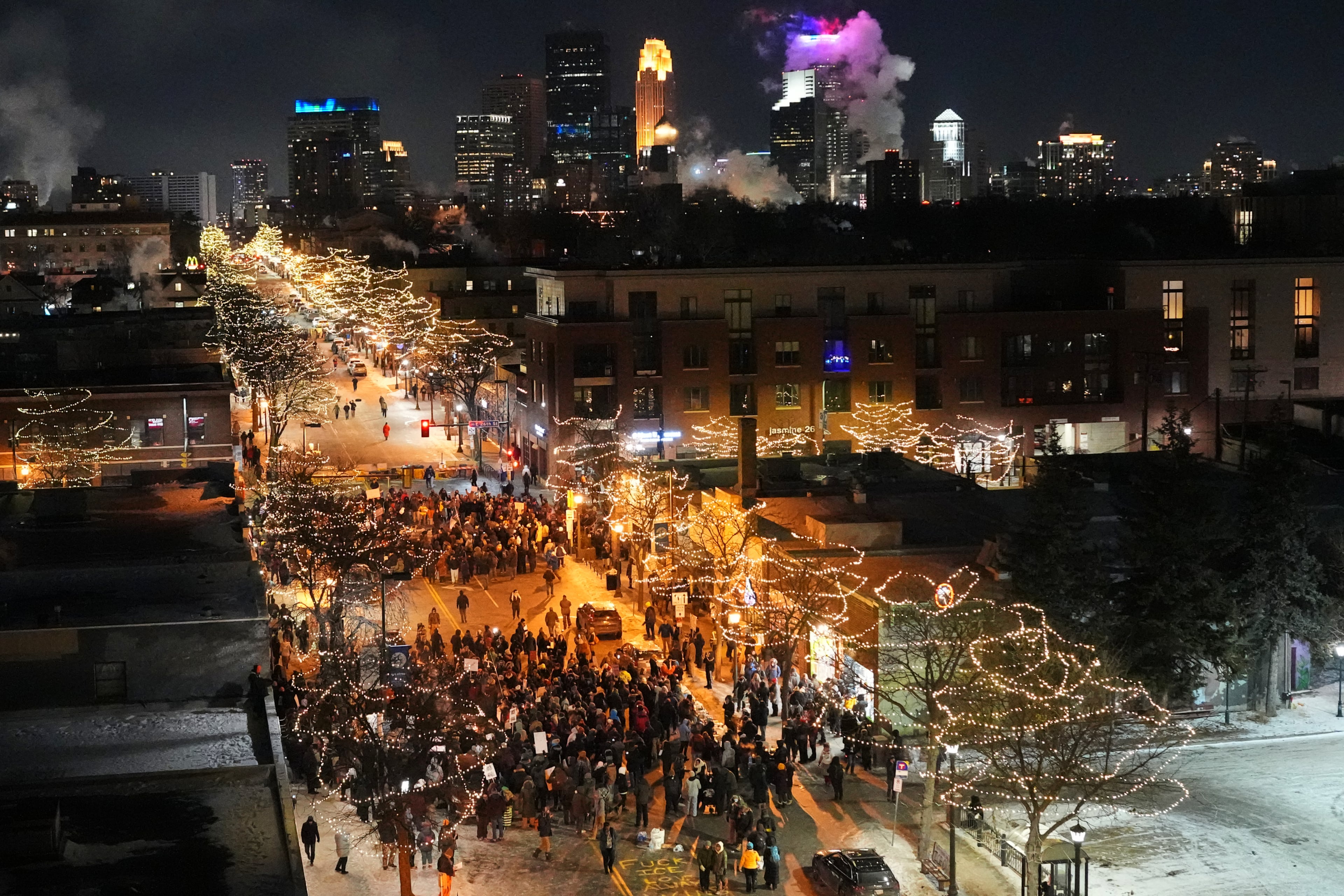
The influx of federal agents in Minneapolis has gripped — and further divided — the nation, especially after Good and Pretti were fatally shot this month. Questions are starting to swirl about the potential for operations by U.S. Immigration and Customs Enforcement and U.S. Customs and Border Protection that target large events, such as next month’s Super Bowl in California or the summer’s World Cup.
It places Atlanta leaders in a bind, especially those tasked with rolling out the red carpet for foreign business leaders and international dignitaries.
“This is a moment for calm, constructive dialogue and leadership,” Kirkpatrick told The Atlanta Journal-Constitution. “Like every other host city in the U.S., Atlanta is preparing to welcome the world this summer, and we remain focused on ensuring a safe and welcoming experience for all visitors during the FIFA World Cup.”
Atlanta will be on its biggest global stage since it played host to the Centennial Olympic Games in 1996 and plans to use the event to recruit corporate investment and stronger international business ties.
Between 300,000 and 800,000 visitors are projected to come to Atlanta during the World Cup festivities in June and July when the city hosts eight matches, including a semifinal. Exponentially more are likely to tune in on television.
Atlanta and 10 other World Cup host cities are also lobbying for $625 million in federal funds for the event’s public safety and security.
The countries guaranteed to play in Atlanta include Haiti and South Africa, both of which President Donald Trump has spoken about derisively.
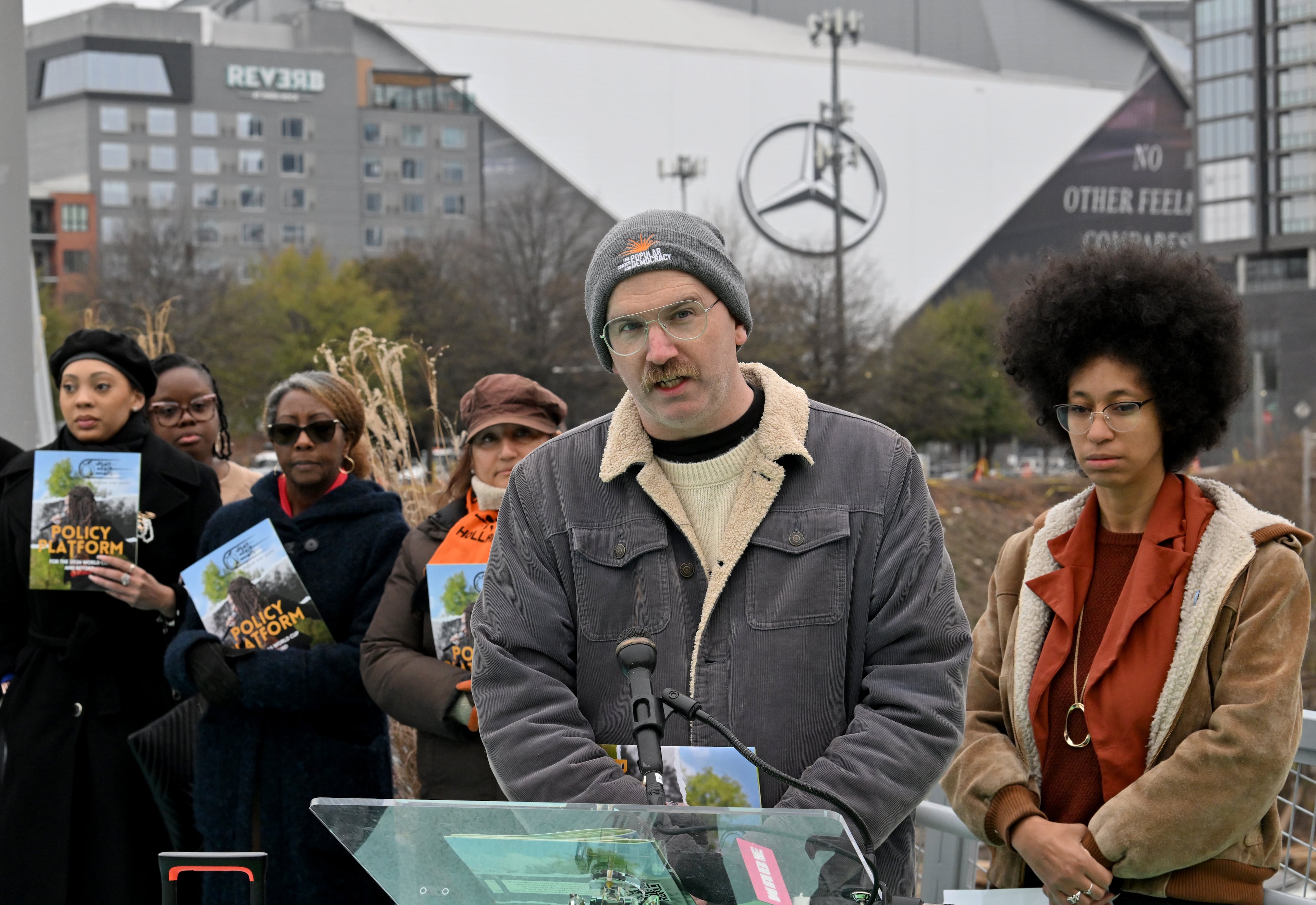
Michael Collins, who leads a coalition called Play Fair ATL that aims to watchdog Atlanta’s community-focused World Cup promises, said city leaders need to be proactive about the potential for immigration operations.
“We can’t put our head in the sand,” he told the AJC. “There will be a heavy ICE presence at the World Cup.”
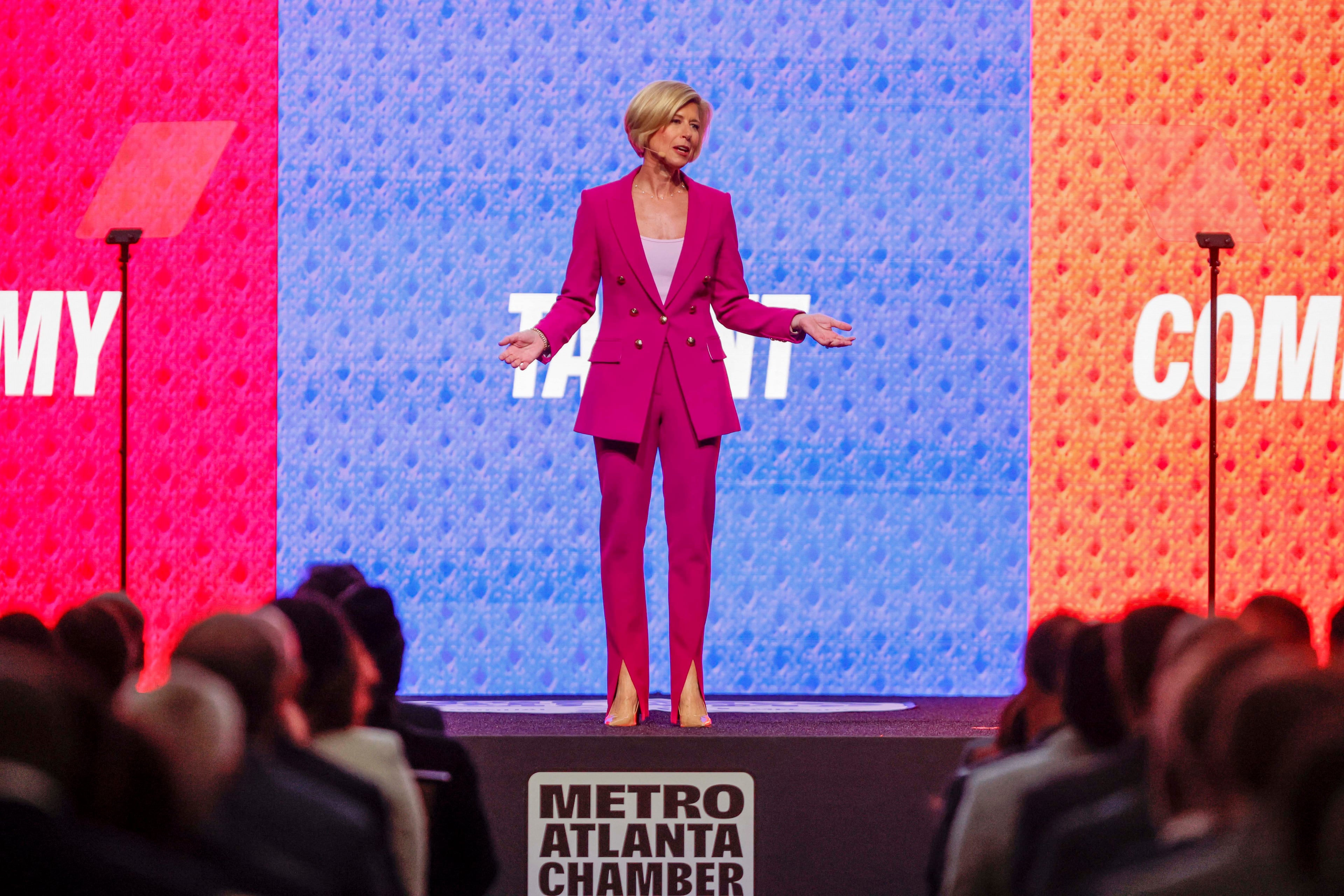
Kirkpatrick, who acts as the voice of metro Atlanta’s business community, said the scene in Minneapolis is “top of mind” for everyone. She decried the violence that has seized the Midwest city, reiterating the sentiments shared by more than 60 Minnesota-based CEOs who have called for an “immediate de-escalation of tensions.”
Kirkpatrick also emphasized that immigrants and foreign companies play large roles in the fabric of society and the successes of American and Atlanta businesses.
“We know that immigrants have driven our economy for 150 years, if not more,” Kirkpatrick said. “We’re about to celebrate the 250th anniversary of our country during the World Cup.”
That sentiment, along with “the values that we hold,” will be communicated with federal partners by the chamber as well as Atlanta and Georgia leaders, she said.
The deaths of Good and Pretti have prompted varying responses from Georgia politicians.
U.S. Rep. Buddy Carter, a Republican Senate candidate, called for more ICE operations in Atlanta in an AJC op-ed published after Good’s death and has stood by that call after Pretti’s killing. Others like U.S. Rep. Nikema Williams, D-Atlanta, have called for the agency to be banished from the state.
And U.S. Sens. Jon Ossoff and Raphael Warnock have pledged to vote against pending appropriations bills unless funding for immigration enforcement is removed or civil liberties protections are added.
Collins, the Play Fair ATL leader, said many cities, including Atlanta, appear to be trying to avoid decrying ICE operations too loudly for fear of drawing Trump’s ire or becoming a target. He said that’s likely a fruitless effort because immigrations operations could come regardless.
The Super Bowl in Santa Clara, California, on Feb. 8 could also become a flash point for immigration enforcement controversy. Puerto Rican artist and U.S. citizen Bad Bunny, a Trump critic, will perform the halftime show, and White House officials said ICE will be present for enforcement. Atlanta is scheduled to play host to the Super Bowl in February 2028.

Kirkpatrick and other Georgia economic development leaders have said the World Cup presents a generational business recruitment opportunity. Her message is to make sure the economic potential isn’t sullied or overshadowed by tragedy or controversy.
“What we would call for is calm, decompressing and allowing for constructive conversation to move forward and not have violence be the leading opportunity that we’re seeing right now,” she said.
“But make no bones about it,” Kirkpatrick emphasized. “The loss of life should never be something that we accept.”
— Staff writer Greg Bluestein contributed to this report.
About the Author

Zachary Hansen, a Georgia native, covers economic development and commercial real estate for the AJC. He's been with the newspaper since 2018 and enjoys diving into complex stories that affect people's lives.