Flannery O’Connor book probes how mother grew author’s legacy on family farm
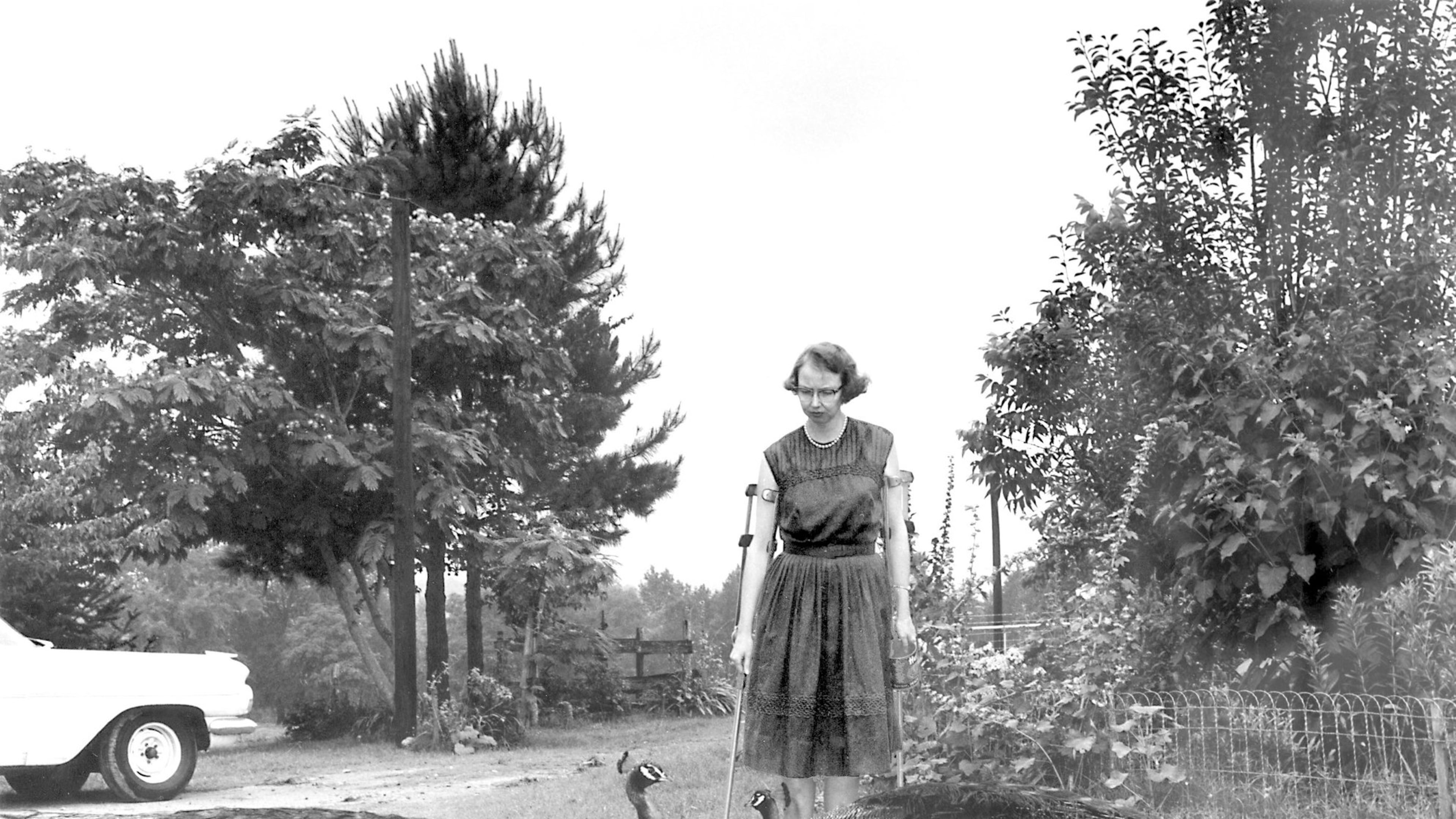
At age 25, Flannery O’Connor collapsed on a train platform in Macon, Georgia. She’d been on her way from Connecticut to visit her mother, Regina Cline O’Connor, at Andalusia, the family dairy farm outside Milledgeville.
Flannery was diagnosed with lupus, the same degenerative autoimmune disease that had killed her father when she was a teenager, and never returned to Connecticut. Instead, after a month in Atlanta’s Emory Hospital, Flannery finally arrived at Andalusia, where she lived her remaining 13 years under her mother’s exacting eye.
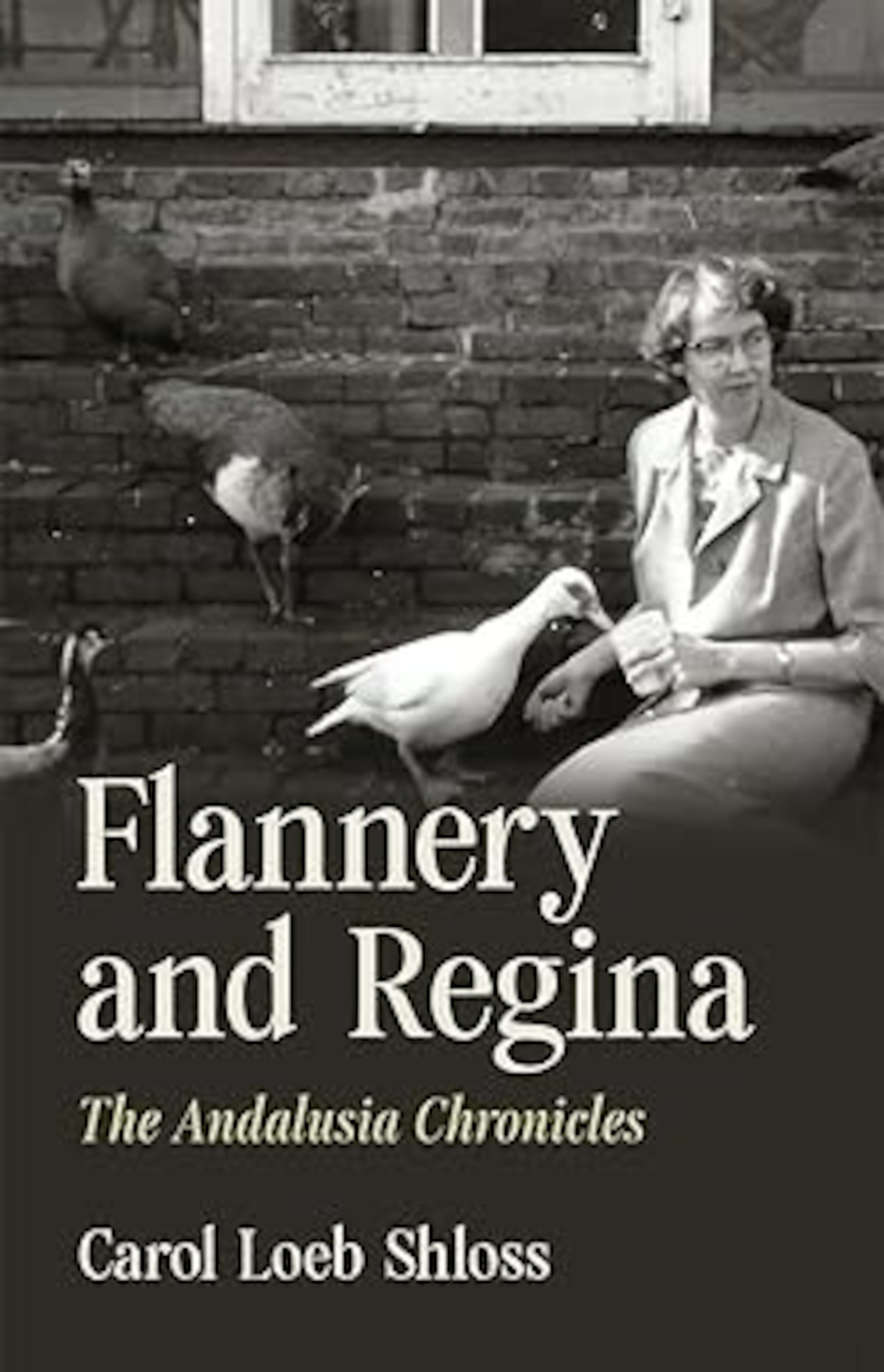
Those years — and Regina’s efforts to secure Flannery’s posthumous legacy — are the subject of literary scholar Carol Loeb Shloss’ new book, “Flannery and Regina: The Andalusia Chronicles.” This easy-to-read study delves into the mother and daughter’s relationships both with Andalusia and each other, exploring those dynamics’ effects on Flannery’s work and legacy for better or worse.
Flannery is a central figure in both Southern fiction and American creative writing instruction, and her work has been dissected a multitude of times, considering how her fiction reflects her Catholic faith, her chronic poor health, her Southern identity and her views on racial equality. But “Flannery and Regina’s” laser focus on the writer’s domestic life considers her significant body of work from a novel angle.
Given her diminished habitat, how did Flannery continue to explore big universal questions of faith, morality and self-determination? How did she balance the sometimes conflicting needs to express herself through her art and keep the peace in her conservative, agrarian home? How did a mother’s strengths and limitations affect a daughter’s reputation after her death?
Shloss wrestles with these questions through the lens of Flannery’s life with her mother, deepening and texturing our understanding of this talented and complicated figure.
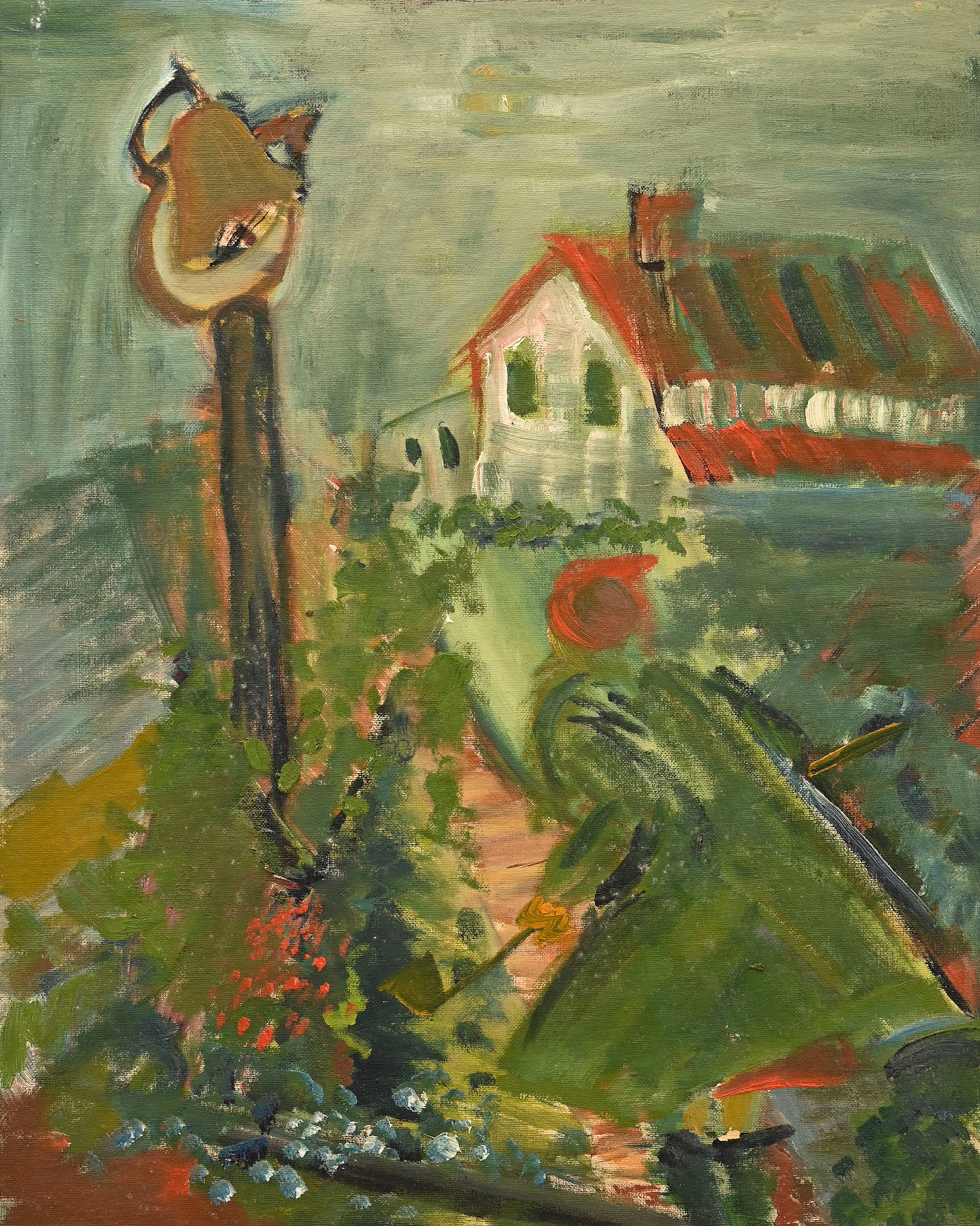
Shloss depicts their relationship as “giving the impression of unalloyed comradery.” But that comradery, she argues, camouflaged a deep underlying tension with many potential causes, the central of which was their conflicting approach to Andalusia. She observes that the elder O’Connor “enjoyed wielding the power of ownership and management,” while her daughter, a “lover of birds, defender of woods (and) visionary of the sacred dimensions of the natural world” watched Regina’s mercenary approach to nature with quiet disapproval.
However, Shloss contends, “the confrontation that (Flannery) avoided in person became, in fiction, a pointed critique, a reminder that ownership of property is not a guarantee of righteousness but only of power. And power bought, ultimately, at personal expense.”
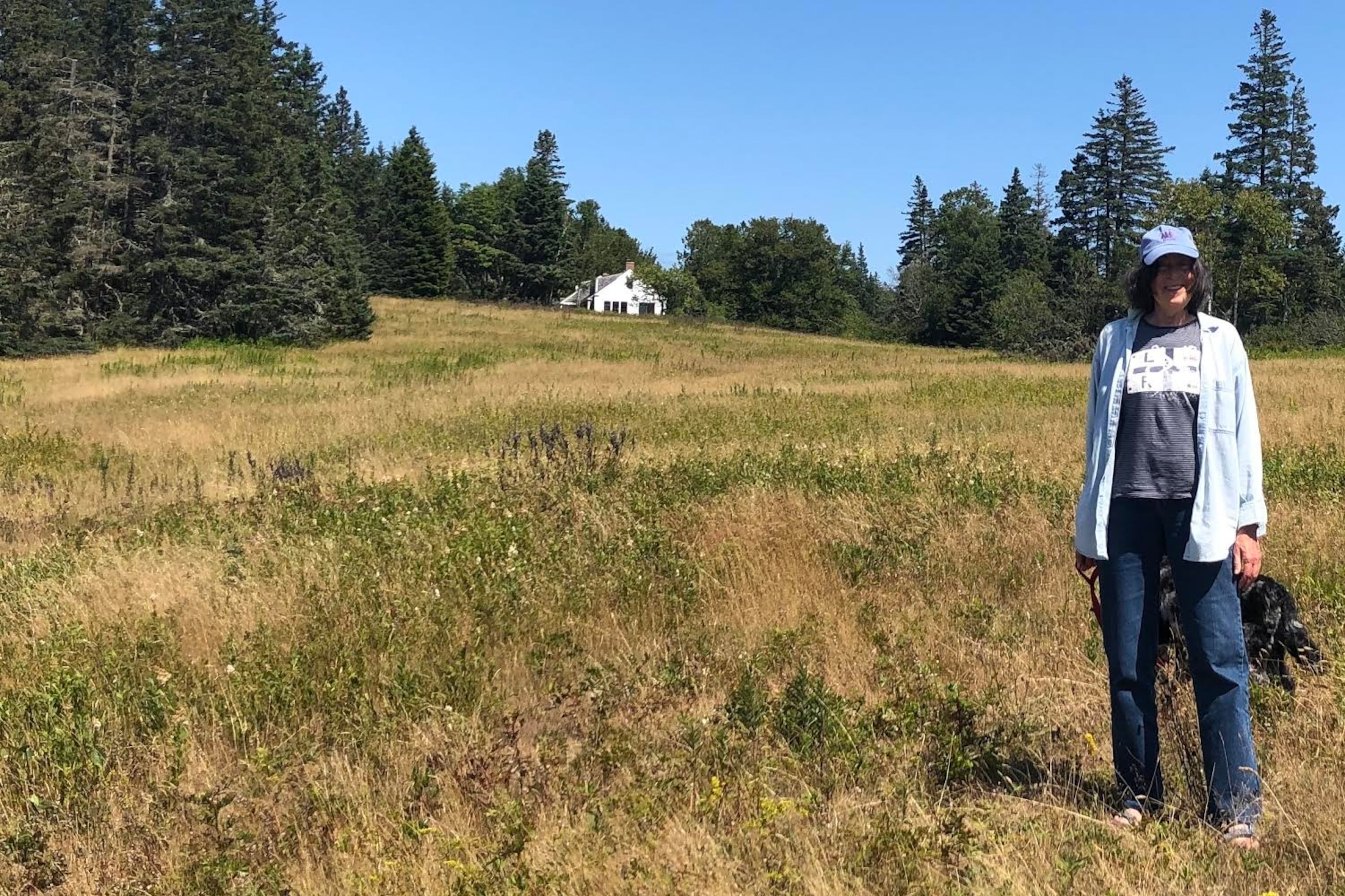
Supporting this thesis are the author’s close readings of works Flannery wrote throughout the Andalusia period and diligent archival research filling out the fiction’s domestic context. Early on, for example, Shloss connects Regina’s overbearing attitude toward her daughter, documented in letters between Flannery’s friends, to Asbury Fox’s thoughts on his mother in “The Enduring Chill”: “It was not that she had ever forced her way on him. That had never been necessary. Her way had simply been the air he breathed.”
Though Flannery’s death occurs about two-thirds in, the rest of the book keeps up the momentum by investigating the contested construction of her legacy, which led to feuds among her loved ones.
Regina inherited the publishing rights to all of her daughter’s writing, and in the final decades of her life, she jealously defended her daughter’s “nice” legacy, freely exerting her power to choose which parts of Flannery’s life to honor and which to discard — an approach that continues to reverberate today.
“Flannery and Regina” isn’t a long book, but Shloss’ conscientious scholarship explores a novel aspect of O’Connor’s life, work and much-debated legacy while illuminating the often overlooked woman who made it possible.
NONFICTION
“Flannery and Regina: The Andalusia Chronicles”
by Carol Loeb Shloss
NewSouth Books, 200 pages, $32.95.

MEET OUR PARTNER
ArtsATL (artsatl.org) is a nonprofit organization that plays a critical role in educating and informing audiences about metro Atlanta’s arts and culture. ArtsATL, founded in 2009, helps build a sustainable arts community contributing to the economic and cultural health of the city.