She lived life artfully, which is why she will be missed on Mother’s Day

Behind all the cheerful fanfare, holidays can be bitter pills to swallow, reminders of absence and lack and an inability to live up to all that happy hyperbole.
Mother’s Day may be the most bittersweet holiday of all for a large percentage of the population: those who had difficult relationships with their mothers, those who never knew their mothers and, of course, those who have lost theirs.
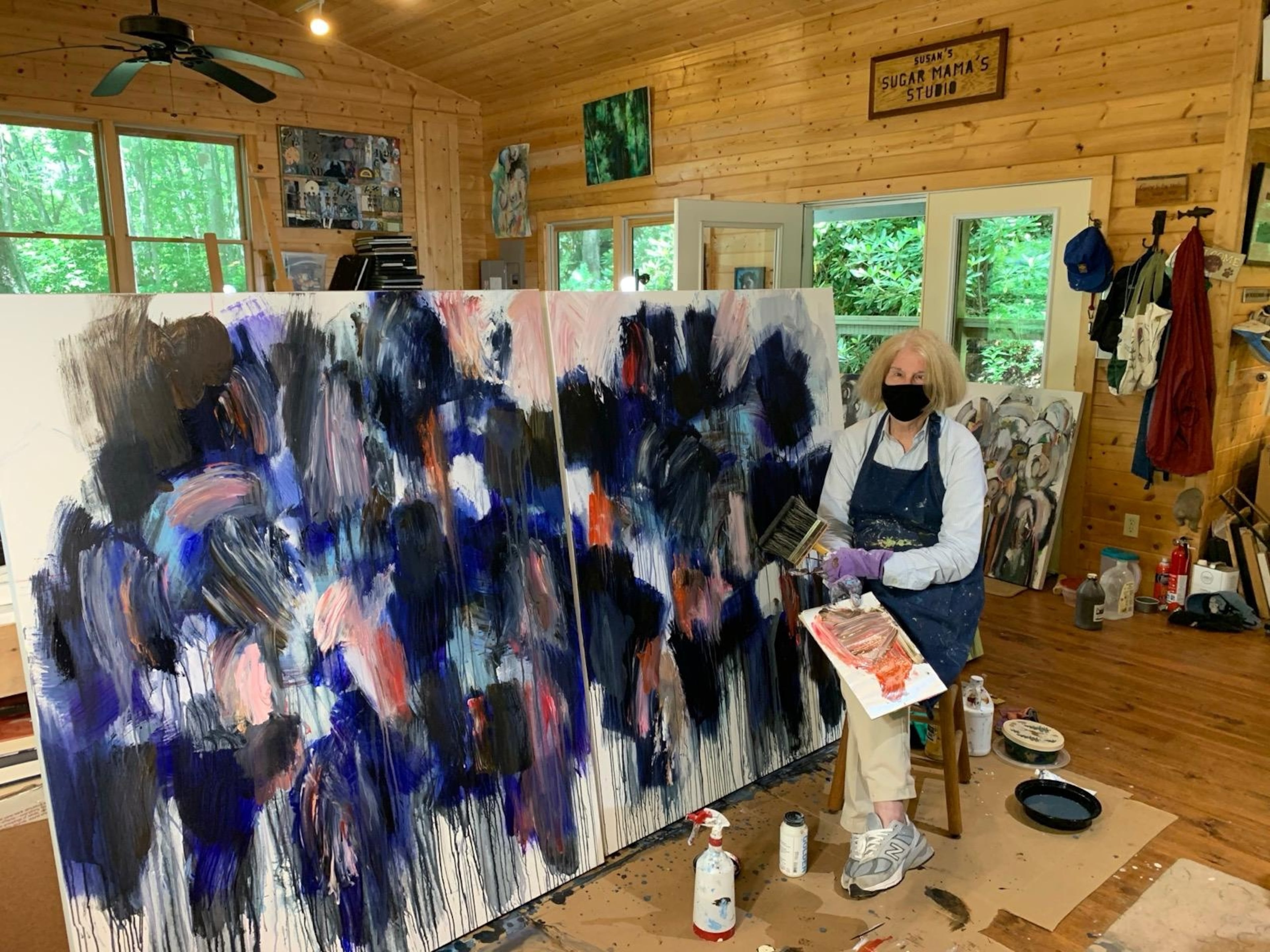
This Mother’s Day, Birney Robert and Georgia Robert Parmelee, or “B” and “G” as the sisters call each other, will be standing at their mother’s graveside at Westview Cemetery or perhaps visiting the Atlanta Botanical Garden to remember a mom who loved to garden, growing day lilies, hydrangeas and dahlias that she crafted into flower arrangements for her church, Our Lady of the Mountains Catholic Church in Highlands, North Carolina.
They lost her this January at age 78 to a stroke, just two months after their father, Chip. So this Mother’s Day — like it is for so many families — will be a hard one.
It’s also a time for Birney and Georgia to reflect on their mother’s legacy as they comb through her belongings at Extra Space Storage. There are stacks of paintings and drawings, beautiful early realist still lives of oranges, a Cubist phase, bricolage cityscapes and then the abstract style that Susan eventually adopted.

Like so many mothers who harbor ambitions — some realized, some not — Susan Robert found her calling later in life and transformed her reality in a radical way for a Southern lady raised in 1950s Kirkwood. After having her two daughters, at a time when many women would be devoting themselves to career or family, Susan did something unexpected. She left her job as a contract lawyer for Jones, Bird & Howell (later Alston & Bird) and went back to school to become an artist.
“I just got tired of cleaning up people’s messes,” Corrine Colarusso, a professor at the former Atlanta College of Art, remembers Susan telling her of why she gave up a hard-won and lucrative job in the law for the uncertain future of an abstract artist.

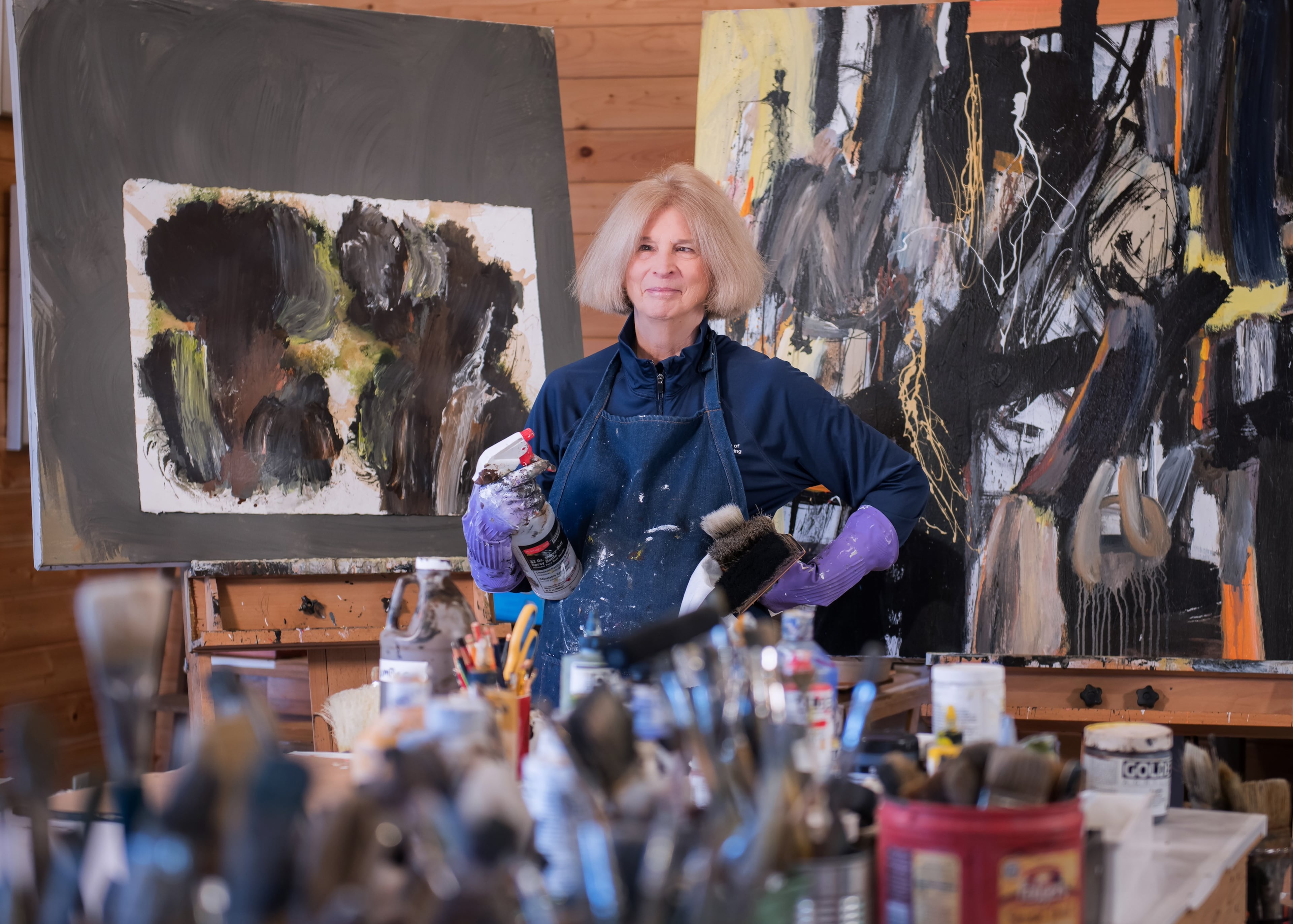
With their intense colors blended into swirling vortexes and aggressive swaths of paint, Susan’s paintings were smart and arresting. In the estimation of her gallerist of 18 years, Robin Sandler of Atlanta’s Sandler Hudson Gallery, they had their own dynamic qualities: “It was something that you couldn’t walk away from. It was confrontational. It was intense. It was energetic, it was colorful. It didn’t allow you to walk past it.
“Susan’s work was very demanding. You know, no matter what it was, because of the energy and the work and the color and the movement, and that’s what was so wonderful about it,” Sandler said.
Birney and Georgia remember their mother bringing them to her classes at the art school when childcare fell through. It was an early exposure to the lives of artists that may have imprinted her daughters in unconscious ways. “I think that if you bring something into their world as a child, that’s the best thing you can do,” Colarusso said, “it just becomes part of their world.”
Susan graduated with a Bachelor of Fine Arts from Atlanta College of Art at age 47 and went on to have a notable art career. Her paintings made their way into the collections of the High Museum, the Museum of Contemporary Art of Georgia, SCAD Atlanta and the Bascom in Highlands, where Susan and Chip eventually retired. She approached painting the way she did everything else in life, said Birney and Georgia, with curiosity and avidity, devoting herself wholeheartedly to her new role as an artist.

“I could tell when she wasn’t painting as much. I felt she was not as grounded as when she was in the studio working,” Birney said of her mother’s dedication and passion for working — which Susan preferred to do in solitude.
When Chip’s dementia required a move to an assisted living facility in Buckhead (Susan refused to be separated from her husband and went with him), she couldn’t be persuaded to teach an art class to other residents. “I just can’t teach this class,” Birney said her mother told a staff member. “I’ve got to paint and make money. I don’t have time!”
Georgia and Birney both have jobs at their father, grandfather and great-grandfather’s alma mater, Georgia Tech. Georgia works in communications, while Birney is a strategist at Georgia Tech Arts, combining her mother’s engagement with the arts and her engineer father’s interest in science. She recently partnered on an initiative with the Goat Farm called LOOP, a 7-acre arts and technology center that will connect Georgia Tech researchers and designers with artists.
Susan encouraged Birney’s interest in art, even lining up a job for her as gallery manager at Sandler Hudson.
“I think that she wanted to encourage Birney to get into the arts, and she had a lot of faith in her,” Sandler said. “Susan was very supportive and passionate about her daughters, and she was the biggest cheerleader for them.”
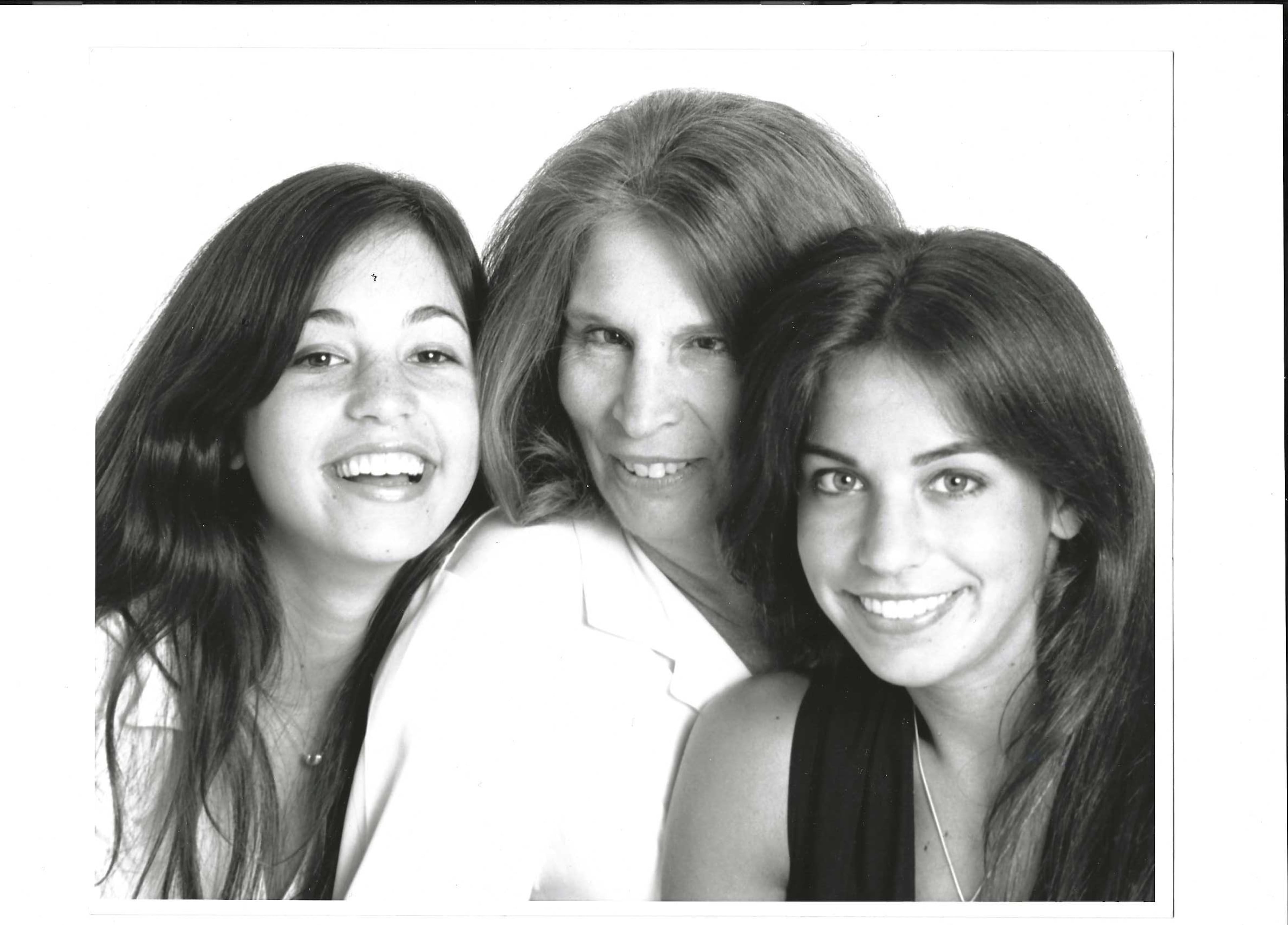
If there is solace in Birney and Georgia’s loss, it’s in how Susan’s legacy lives on, in Birney’s work in the arts and in Georgia’s voracious reading and horseback riding — passions their mother pursued.
The loss of a mother can be painfully transformational, a sad final step into true adulthood.
But sometimes it’s not until you lose your mother and start sifting through the remnants of her life — like Susan’s cache of drawings and paintings that Birney and Georgia have been surveying — that you see her with true clarity. Perhaps, in her absence, you can finally know her.
Birney recalled visiting a collector of her mother’s work after her death and experiencing that kind of epiphany.
“The way he saw her work and the way he saw her,” Birney said, “gave me this whole new perspective on her that I hadn’t seen.”