First hybrid soon to roll out of South Georgia Hyundai EV factory
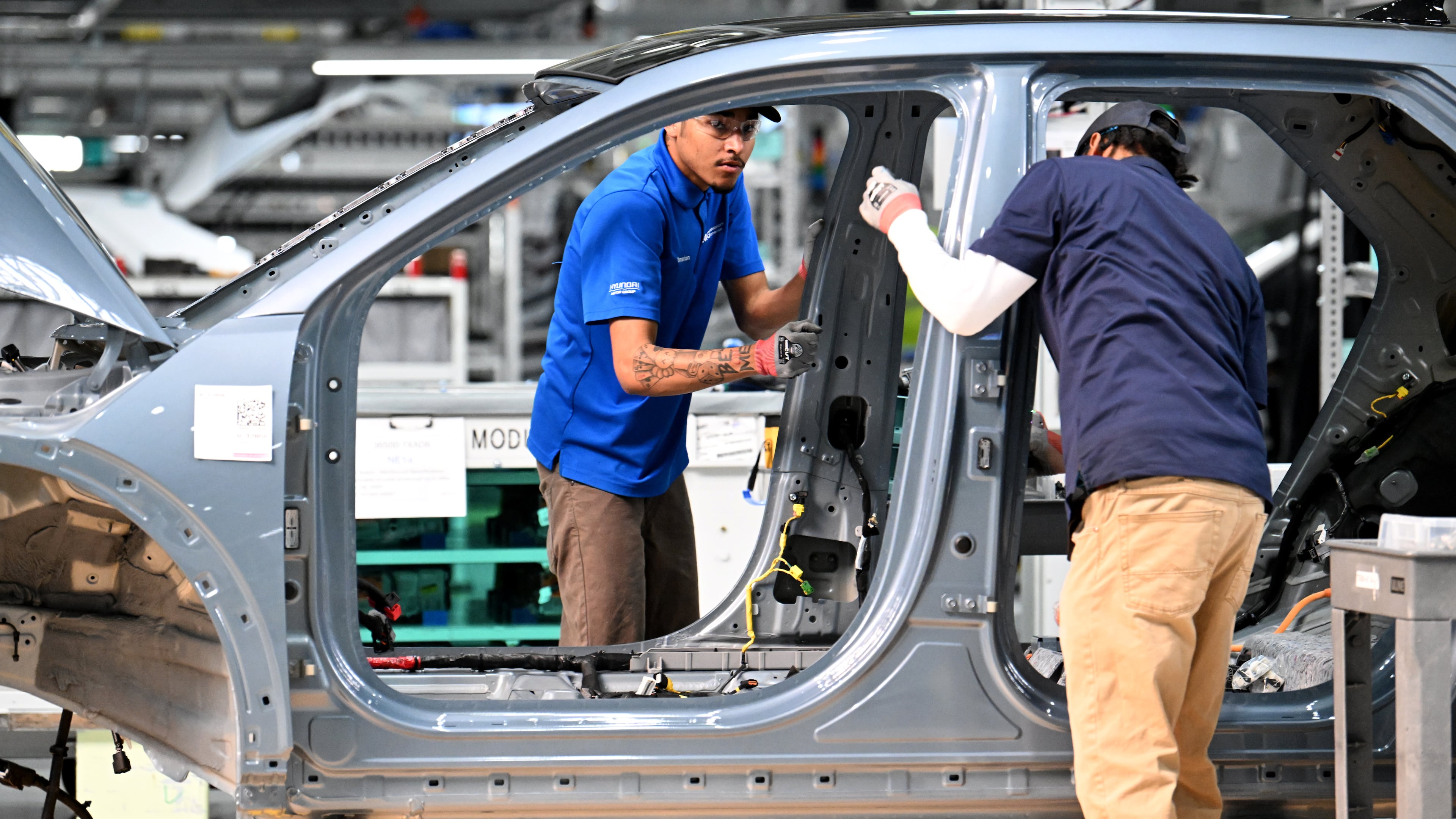
ELLABELL ― Hyundai is making good on its promises to expand its workforce and launch manufacturing of a hybrid vehicle at its electric vehicle factory near Savannah.
The South Korean automaker is set to formally announce production of the Kia Sportage hybrid in the coming weeks ahead of the September start of an evening work shift. Hiring for the second shift has reached 66%, according to a plant official, and Hyundai expects to meet its hiring needs and have all second shift workers in training by July.
“We were designed for that ultimate flexibility,” said Brent Stubbs, the manufacturing facility’s chief administrative officer. “We can build electric — we’re an electrified plant — but we also can build hybrids. This gives us a great road map to getting to that half-a-million plus cars a year as a facility.”
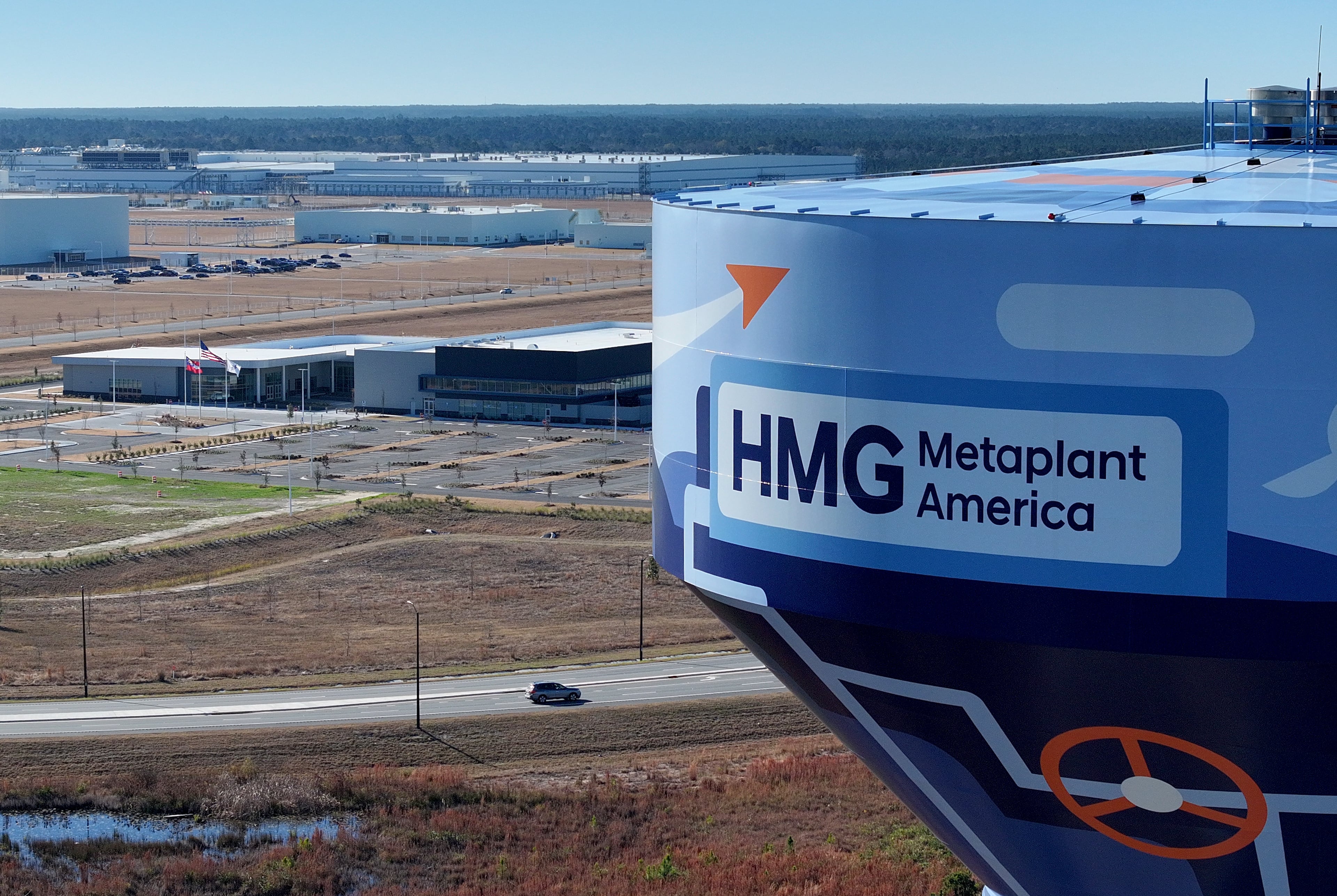
The factory, which the automaker calls the Metaplant, opened in October 2024 at a nearly 3,000-acre site along I-16 about 30 minutes west of Savannah. The largest economic development project in Georgia history, the Metaplant received $2.1 billion in state and local government tax incentives tied largely to employment targets — 2,600 in the assembly facility and 8,500 overall — to be met by 2031.
Demand for hybrids surging
The automaker anticipated needing that much labor because of plans to produce multiple EV models for its Hyundai, Kia and Genesis brands at the Metaplant along with EV batteries at a neighboring factory. The initial production target was 300,000 vehicles a year but has since been expanded to 500,000.
Work began with just a single model, the compact Hyundai Ioniq 5, with a second EV, the Ioniq 9 SUV, entering production in March 2025. Hyundai has not released production numbers for the Metaplant, although a South Korean media outlet recently reported a confidential source listed output at 65,000 units for 2025.
At the same time the factory came online in 2024, records showed Hyundai had applied for permits tied to also manufacturing hybrids at the Metaplant. Hybrids feature battery propulsion for short distances and a gas-powered engine for extended range. Hybrid sales have surged over the last two years, particularly in the U.S, where hybrids make up nearly 1 in 5 new vehicle purchases.
Hyundai’s brands sold more than 330,000 hybrids in the U.S. last year, up 49% from 2024 and from fewer than 10,000 sold in 2021. The Kia Sportage, a five-seat SUV, accounted for more than 63,000 of those sales.
EV sales slumped in the meantime over concerns about driving range, charging options and the expiration of a $7,500 federal tax credit on purchases.
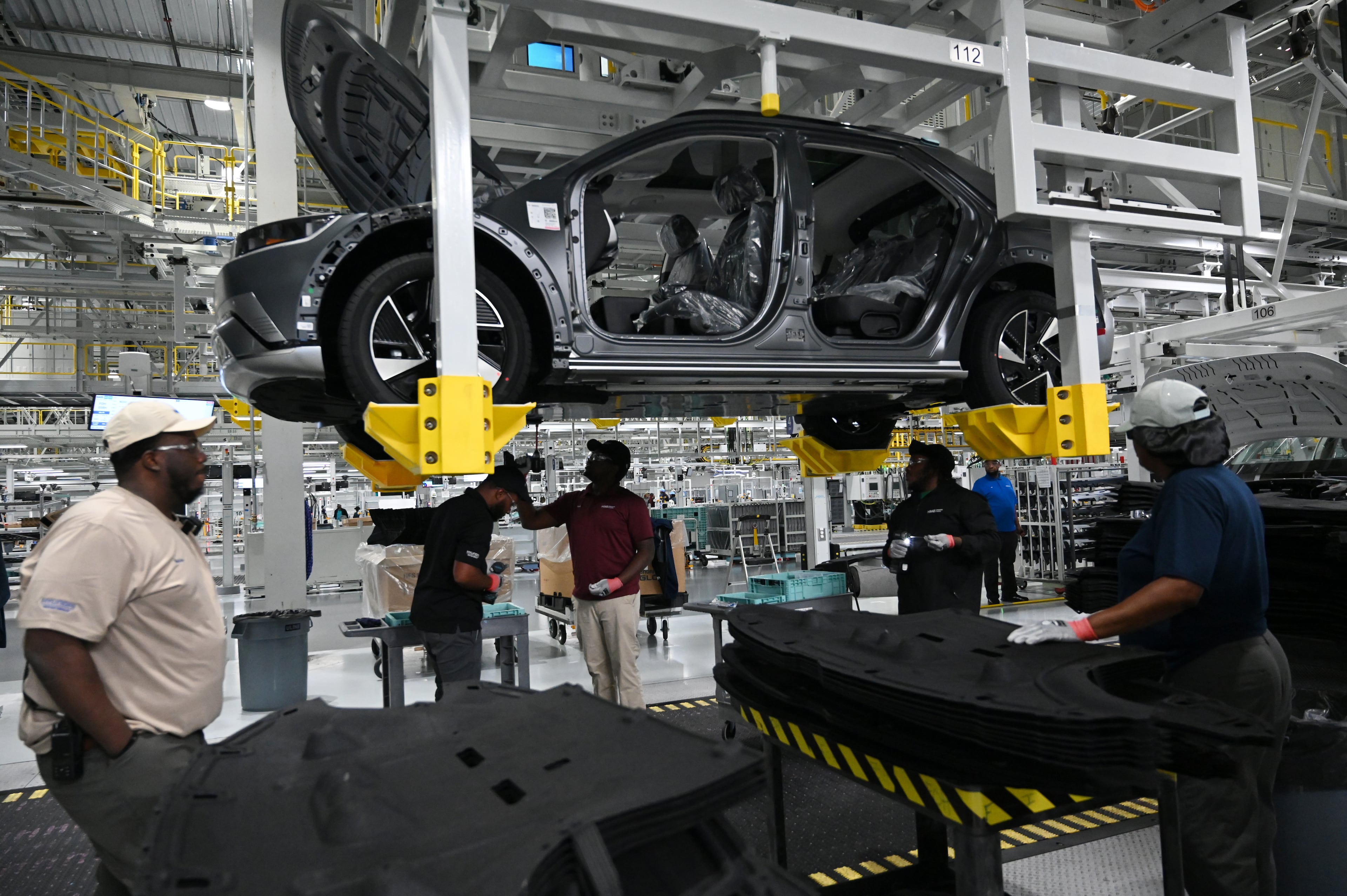
Hyundai has moved to expand its hybrid manufacturing capacity in the U.S. as a result. Last year, the automaker shifted production of the Hyundai Tucson hybrid for U.S. customers from South Korea to its Montgomery, Alabama factory, where it already made the Hyundai Santa Fe hybrid. And in February, Kia’s West Point plant began manufacturing Kia Telluride hybrids.
Currently, Kia manufactures all Sportage hybrids at a plant in South Korea.
Halfway to hiring target
Second shift hiring began in 2025 and will push employment at the assembly plant above 2,000 workers by year’s end, Stubbs said. About 85% of that workforce are Georgians and 65% are from the metro Savannah area.
More than 4,000 currently work on the sprawling Metaplant campus, home to the assembly plant as well as six suppliers that make everything from batteries to seats to passenger cabins. The average wage tops $58,000 before benefits, Stubbs said.
“We’re significantly overdelivering on that promise, and that’s something that I’m really, really proud of,” he said. “We’re already almost halfway to the 8,500 jobs.”
The EV battery factory, a joint venture between Hyundai and LG Energy Solution, opened last month. Production began several months late, the delay caused by a high-profile immigration raid conducted by federal law enforcement last September. The operation resulted in roughly 475 arrests and sparked a diplomatic crisis between the U.S. and South Korea.
The battery plant launch and that of another facility on the Metaplant campus where those power cells are joined into battery packs for installation on the vehicles is a significant step toward the manufacturing ramp up. Hyundai installed a second production line in its welding shop earlier this year.
Just beyond Hyundai’s property, another key project — a new highway interchange and connecting road just east of the plant — is on schedule for completion in early 2027. The factory’s 2024 opening created traffic snarls along U.S. 280, the main road used to access the factory, and the interchange with I-16.
A road improvement project completed last June lessened the traffic issues, but nearby residents are eager for the opening of the new interchange, which will divert Hyundai-bound traffic from Savannah and points east away from U.S. 280.
“We’re hopeful the new interchange will make it better,” said Corey Foreman, who lives in a subdivision less than 3 miles from the Hyundai property. “How can it not?”