These Georgia men faced breast cancer. What they want other men to know.

Gregory Oliver of Decatur never suspected breast cancer when he felt a hard lump in his left breast one morning.
“I thought something had probably bit me,” he said.
He had an upcoming medical appointment, so he asked his primary care provider about the lump. Breast cancer was “the farthest thing from my mind,” said Oliver, then 69, who had been treated for prostate cancer six years earlier.
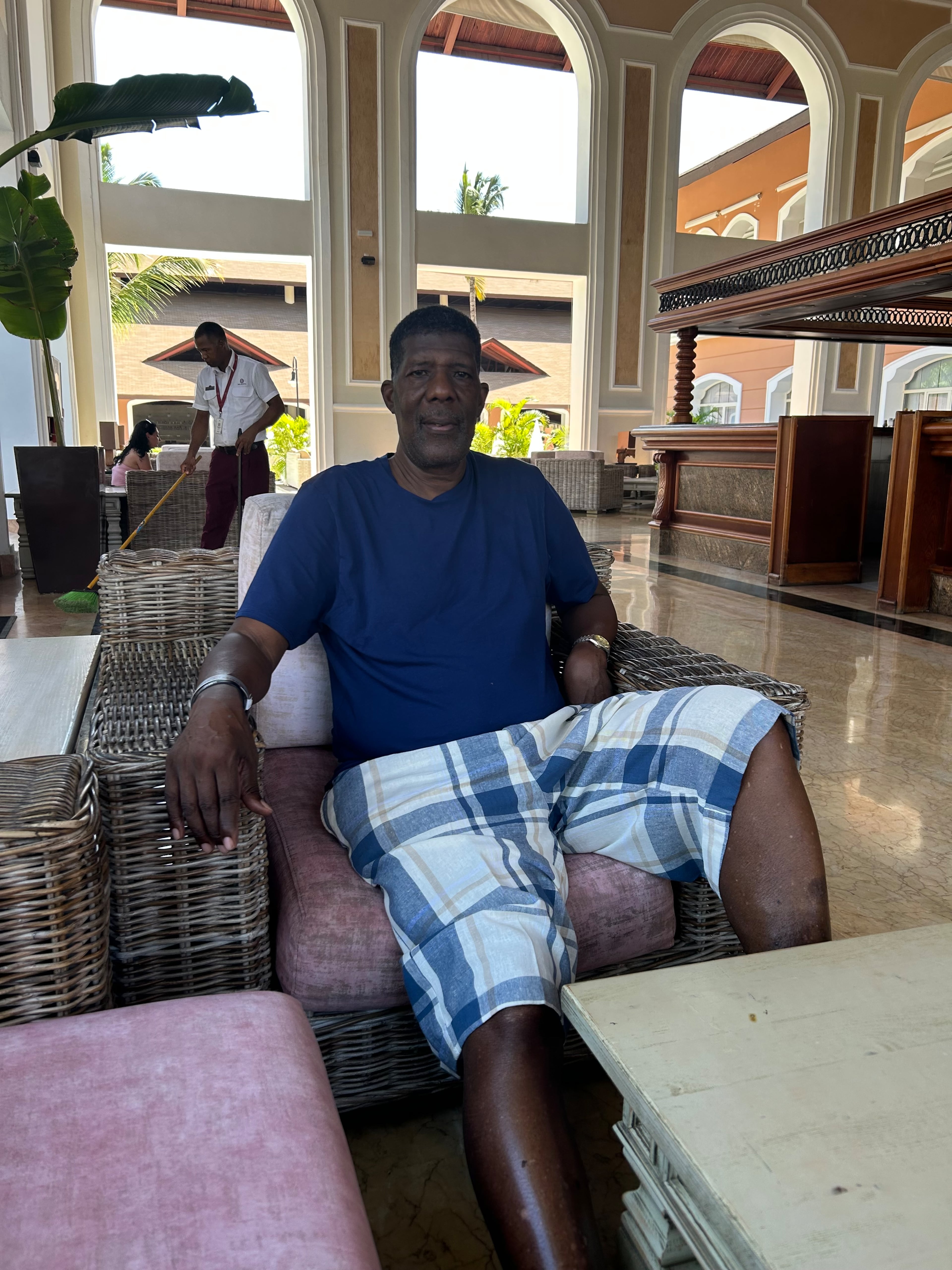
In early 2024, a series of imaging tests, a mammogram and biopsy at Emory Hillandale Hospital led to his diagnosis with stage 1 ductal carcinoma, a common form of breast cancer in men that begins in the milk ducts.
Oliver underwent surgery to remove his left breast, followed by chemotherapy and radiation at Northside Hospital.
Scott Ellyson of Druid Hills took a different approach when he noticed a small, hard lump under his left nipple three years ago. His mother had died from breast cancer about a decade earlier, prompting him to seek testing quickly.
“I was like, ‘Well, that’s strange,’” Ellyson recalled.
Then 54, he was diagnosed with stage 1 triple-positive breast cancer. He underwent a mastectomy and joined a clinical trial, but a year later, the cancer was found in his lymph nodes.

Both men’s experiences underscore a reality that can be easy to overlook: Men can develop breast cancer, too, and without routine screening, recognizing symptoms and seeking medical attention are especially important.
Why men can miss the signs
For men, breast cancer can be harder to detect because they don’t undergo routine screening mammograms.
“Men usually end up getting diagnosed a little bit later stage just because they’re not getting any sort of screening and they tend to not do breast exams or notice when they have a mass,” said Dr. Laura Pearson, a breast surgeon with Wellstar Health System and medical director of Wellstar Comprehensive Breast Health Program.
Pearson is currently treating two male patients, both diagnosed with early stage breast cancer. But those cases aren’t necessarily typical, she said.
Male breast cancer: Signs and symptoms
Breast cancer in men is rare, but knowing the warning signs can help. Contact a healthcare provider if you notice any unusual changes, including:
- A lump or thickening in the breast or chest, often near the nipple or under the arm
- Nipple retraction, such as turning inward or changing shape
- Nipple discharge, including bloody fluid
- Skin changes, such as redness, scaling, dimpling or puckering
- Changes in breast size or shape, or swelling around the breast of collarbone
Lumps and other breast changes aren’t always signs of cancer, but it’s important to have any new or unusual symptoms checked by a healthcare provider as soon as possible.
Source: American Cancer Society
Less than 1% of breast cancers in the United States occur in men, according to the American Cancer Society. The average age at diagnosis for men is between 60 and 70, and the risk increases with age, the organization reports.
Men also have a much lower lifetime risk of developing breast cancer than women do. The American Cancer Society estimates about 1 in 755 men will develop the disease. Risk factors include a family history of breast cancer and previous radiation therapy, particularly to the chest.
The rate of new breast cancer cases and deaths is also much lower among men than women, according to the National Cancer Institute.
Still, the rarity of the disease can make it easier for men to overlook symptoms.
“Men aren’t routinely screened, and frankly, most of us probably never even think about the possibility of getting breast cancer,” Ellyson said.
He encourages men to be proactive about their health, ask questions and stay in close contact with their doctors. “I’m really quite an advocate for myself,” he said.
Ellyson viewed his mastectomy as a necessary step in treatment, though he recognized the procedure can carry a different emotional and physical significance for women.
“Once you hear the word cancer, you’re dealing with many of the same fears, uncertainties, treatments and effects on the people around you, whether you’re a man or a woman,” he said.
Oliver shared that he knew men could develop breast cancer because he remembered actor Richard Roundtree was a longtime survivor.
“He was kind of my inspiration,” Oliver said. He said his faith has also helped him through treatment.
“I’m a spiritual type of person and I don’t let anything rattle me. I know that whatever happens in life, God is in control.”
Roni Robbins has been a journalist for nearly four decades. This is her second stint as a freelance reporter for the AJC. She was formerly a freelance reporter and editor for Medscape. Her writing has appeared in WebMD, HuffPost, Forbes, the New York Daily News, BioPharma Dive, MNN, Adweek, Healthline and others. She’s also the author of the award-winning novel, “Hands of Gold: One Man’s Quest to Find the Silver Lining in Misfortune.”