RECIPE: Once you find right technique, rice is easy
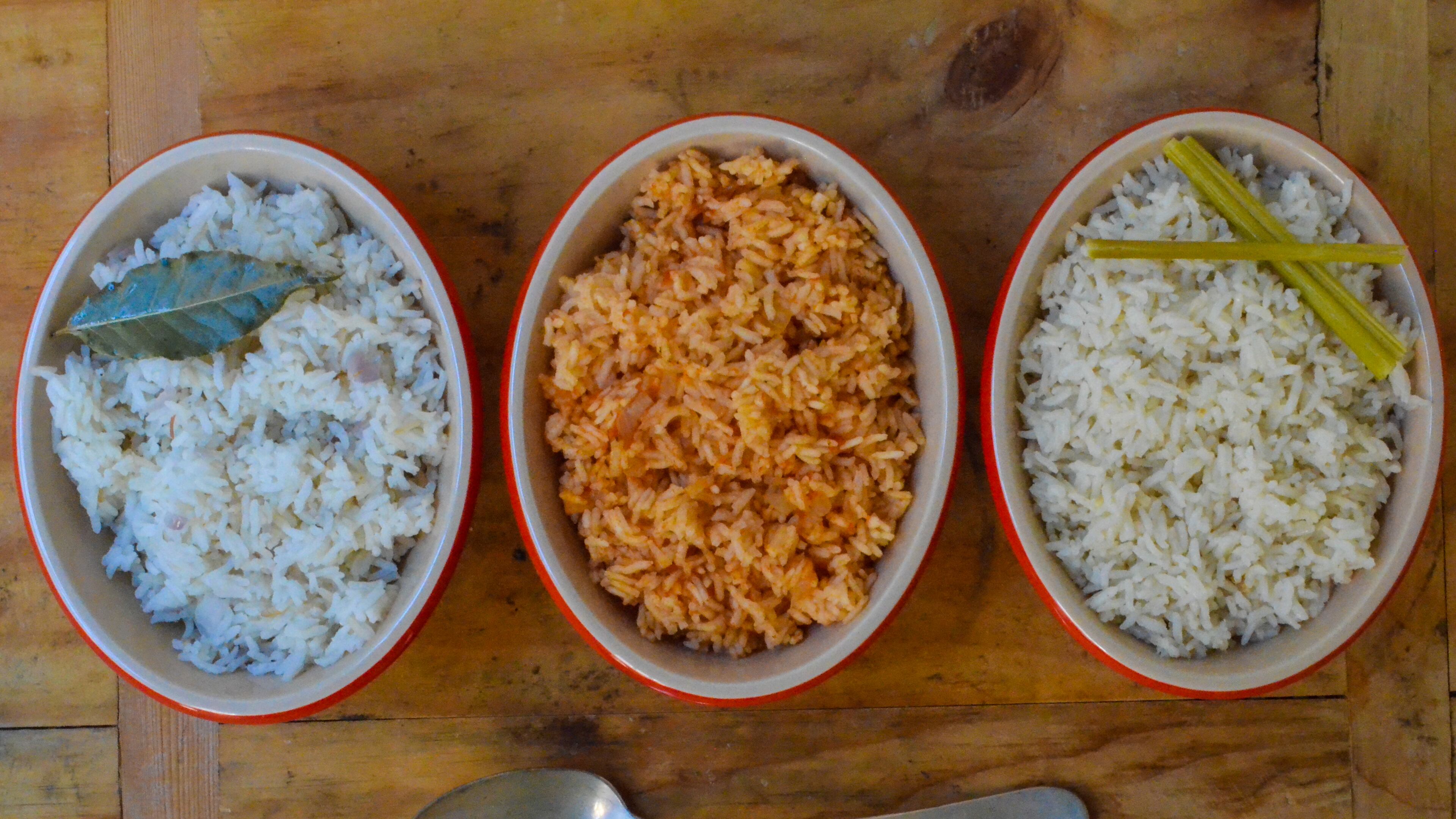
For years, my attempts at preparing rice were disastrous. The results often resembled gloppy gruel. The pilaf method I learned at culinary school was my saving grace.
The basic technique for making rice pilaf is straightforward: Toast the rice in fat, simmer it in liquid, and remove from heat to finish the steaming process. The result is separate, individual grains of rice with a light, fluffy texture.
The formula is simple: 1 cup of long-grain rice to 1 1/2 cups of liquid. It makes 3 cups of rice, but you can multiply the recipe as needed using this ratio.
The rice needs to cook in a bit of fat, which sets the starch on the outside of the grain, essential for achieving separate and distinct grains of rice. The fat can be butter, oil, duck fat, coconut oil or another edible oil. The fat also sets the direction of the flavor for the final dish. It’s at this point in the process where you might want to add aromatics such as shallots, onion or ginger.
The liquid can also vary. Classic rice pilaf uses chicken stock, but the choices are endless. For example, use tomato juice for an Italian feel or coconut milk for an Asian-inspired bowl. Once the liquid is added, herbs — a bay leaf, thyme sprig, lemongrass or a lime leaf — can also go into the pot.
Pilaf can be made on the stovetop, but baking it in the oven allows for ambient heat with no worries about hot spots or scorching the bottom of the pan. Bake it for exactly 17 minutes. It’s an odd cooking time, but it works every time.
Virginia Willis is an Atlanta-based Food Network Kitchen chef, James Beard Award-winning food writer and author of seven cookbooks. Follow her at virginiawillis.com.
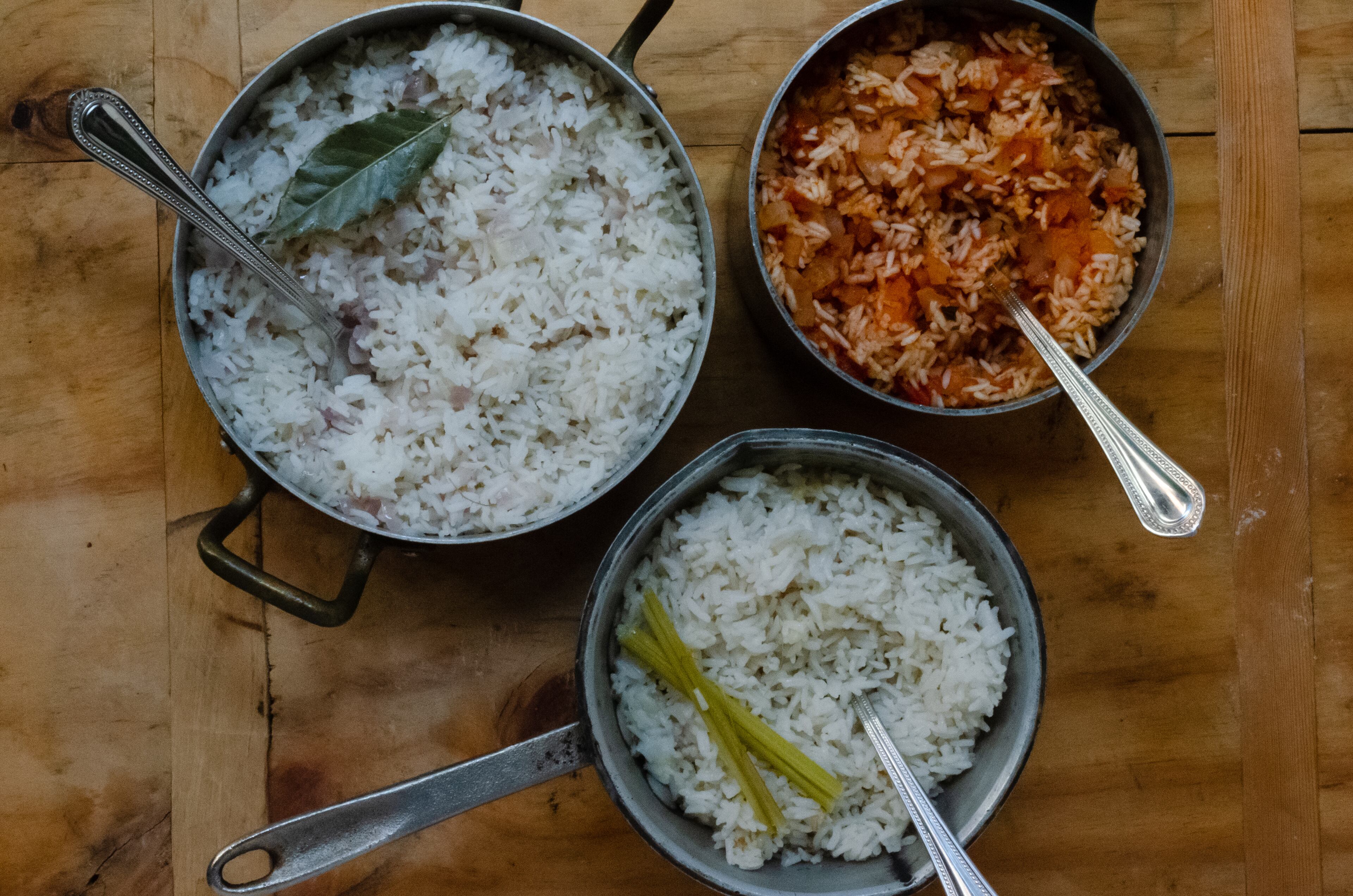
- 1 tablespoon unsalted butter
- 1 small shallot, chopped
- 1 cup long-grain white rice
- 1 teaspoon coarse salt
- Freshly ground pepper, to taste
- 1 bay leaf, preferably fresh
- 1 1/2 cups chicken stock
- Heat the oven to 350 degrees. In a large, ovenproof saucepan, heat the butter over medium heat until foaming. Add the shallot and cook until clear and translucent, 2 to 3 minutes.
- Add rice and stir to combine. Cook, stirring constantly, until the rice is coated with butter and lightly toasted. Season with salt and pepper to taste. Add the bay leaf and stock; stir to combine. Bring to a boil over medium-high heat. Cover with a tight-fitting lid and transfer to the oven.
- Cook until the liquid is absorbed, and the rice is tender, 17 minutes. Remove from the oven and let stand, covered, for 5 minutes. Remove the bay leaf. Fluff with a fork and serve. Serves 4.
Nutritional information
Per serving: Per serving of Easy Rice Pilaf: 228 calories (percent of calories from fat, 17), 6 grams protein, 41 grams carbohydrates, 1 gram fiber, 4 grams total fat (2 grams saturated), 10 milligrams cholesterol, 612 milligrams sodium.Pilaf variations
For tomato rice: Substitute butter with 1 tablespoon extra-virgin olive oil, use 1 1/2 cups tomato juice instead of chicken stock, and instead of a shallot and bay leaf, add half a chopped onion and 1/2 teaspoon Italian seasoning.
For coconut rice: Substitute butter with 1 tablespoon coconut oil, use 1 1/2 cups lite coconut milk instead of chicken stock, and instead of a shallot and bay leaf, add 1 tablespoon chopped ginger and 1 (3-inch) piece lemongrass (smack it first) or 1 makrut (sometimes labeled kaffir) lime leaf.
Read more stories like this by liking Atlanta Restaurant Scene on Facebook, following @ATLDiningNews on Twitter and @ajcdining on Instagram.